


Lakeland sits at the geographic and cultural centre of central Florida, roughly halfway along Interstate 4 between Tampa (55 km southwest) and Orlando (85 km northeast). With approximately 104,000 residents inside the city limits and more than 750,000 in the greater Polk County metropolitan area, Lakeland is the largest city in Polk County and the eighth-largest city in Florida. The city takes its name from the extraordinary concentration of natural lakes — more than sixty lakes lie within the city limits, giving Lakeland an unusually green and water-defined character for a central Florida city. The economy is anchored by Publix Super Markets, headquartered in Lakeland since 1930 and today the largest employee-owned supermarket chain in the United States; Watson Clinic, one of the largest physician-owned multi-specialty clinics in Florida; Saddle Creek Logistics Services; and a significant retail, healthcare, and education sector centred on Florida Southern College and Polk State College. The Detroit Tigers have held spring training in Lakeland since 1934 — one of the longest-running spring training relationships in Major League Baseball — at Publix Field at Joker Marchant Stadium, making Lakeland a pilgrimage destination for Tigers fans every February and March.
A brief history
The land belonged to the Seminole people before and during the Seminole Wars (1835–1842), when the U.S. Army drove most remaining Seminoles south. The town of Lakeland was incorporated in 1885 as the railroad extended through central Florida, and settlement grew rapidly through the citrus boom of the late 19th and early 20th centuries. Polk County became — and remains — one of Florida's major phosphate mining regions, with mining and fertilizer production forming a backbone of the regional economy through the 20th century. The city's most internationally significant architectural distinction arrived in 1938, when Frank Lloyd Wright began designing the campus of Florida Southern College — the largest collection of Frank Lloyd Wright architecture in the world, with eighteen Wright-designed structures on a single campus. That campus has been a UNESCO World Heritage site nominee and remains a major cultural and architectural destination.
The postwar decades brought the suburban growth that defines modern central Florida. The opening of Walt Disney World in 1971 reoriented the entire I-4 corridor, accelerating population growth and commercial development along the Lakeland–Orlando axis. Publix's growth from a Depression-era Lakeland grocery store into a $50 billion-revenue national chain transformed the city's economic and civic identity. Today Lakeland is a city in transition — growing rapidly, developing a downtown arts and entertainment district, attracting a younger demographic, and navigating the tensions between its small-town Southern identity and its role as an expanding node in one of America's fastest-growing metropolitan regions.
Music identity
Lakeland's most internationally consequential musical contribution is Molly Hatchet — the Southern rock band that came out of the broader Florida Southern rock scene in the mid-1970s, recording their landmark self-titled debut in 1978 and charting "Flirtin' with Disaster" into the Top 40. Though often associated with Jacksonville (where the Florida Southern rock axis centred around Lynyrd Skynyrd), Molly Hatchet had roots and connections throughout central Florida and became one of the defining bands of Florida's hard rock and Southern rock tradition.
The broader Southern rock and country tradition runs deep in Lakeland and Polk County. The agricultural, working-class, and military character of the region produced a strong country and gospel culture that sustained churches, roadhouses, and rural dance halls throughout the 20th century. Tom Petty was born in Gainesville and shaped by the broader north-central Florida rock scene; the wider Florida rock tradition that produced Petty, the Allman Brothers (Daytona Beach), and Skynyrd shaped how Lakeland musicians understood guitar-driven Southern rock. Lakeland's own rock tradition has produced a series of regional acts across multiple decades — the 1970s and 1980s bar circuit through Central Florida, the 1990s alternative rock scene at venues like the Beachcomber (a legendary Lakeland club that hosted regional and touring alternative, punk, and metal acts through the 1990s and 2000s), and the contemporary indie and alternative scene that has developed around Downtown Lakeland's resurgence.
The city has a strong gospel tradition rooted in its Black community — the historically Black neighborhoods of Lakeland sustained churches with powerful choir traditions, and the city's Black gospel scene has produced regional church choirs and contemporary gospel performers. The African American community's music runs from the deep church tradition through jazz, R&B, and hip-hop, with the Dixieland neighborhood anchoring the historical Black cultural community.
Country music has a major presence, with the rural Polk County tradition feeding a bar-band circuit, country radio, and a contemporary bro-country and singer-songwriter scene. Christian and CCM (Contemporary Christian Music) scenes are strong in a city with dense evangelical and Baptist communities.
The contemporary scene has diversified significantly. Lakeland's growing Hispanic community — primarily Mexican, Puerto Rican, and Cuban-American, with a large population tied to the citrus, construction, and service industries — has built a Spanish-language cumbia, reggaeton, and regional Mexican scene through clubs and restaurants. The proximity to Tampa and Orlando means Lakeland musicians frequently orbit those cities' larger scenes, and Lakeland functions as a creative bedroom community for acts who play Tampa's Ybor City circuit or Orlando's Mills Avenue corridor while living in cheaper central Florida housing.
Venues and neighborhoods
The flagship live music venue is The Lakeland Center, a multi-purpose complex on the south shore of Lake Mirror that includes RP Funding Center (the 8,000-capacity arena formerly named the Lakeland Center Arena, which hosts major touring acts — country, pop, Christian — as well as the Lakeland Magic G League basketball) and the Youkey Theatre (the 2,298-seat performing arts theatre that hosts Broadway touring productions, symphony, and mid-size concerts). The Lakeland Center complex sits in one of the most scenic downtown settings in Florida, with the historic Lake Mirror Promenade and Mirror Lake Amphitheater adjacent.
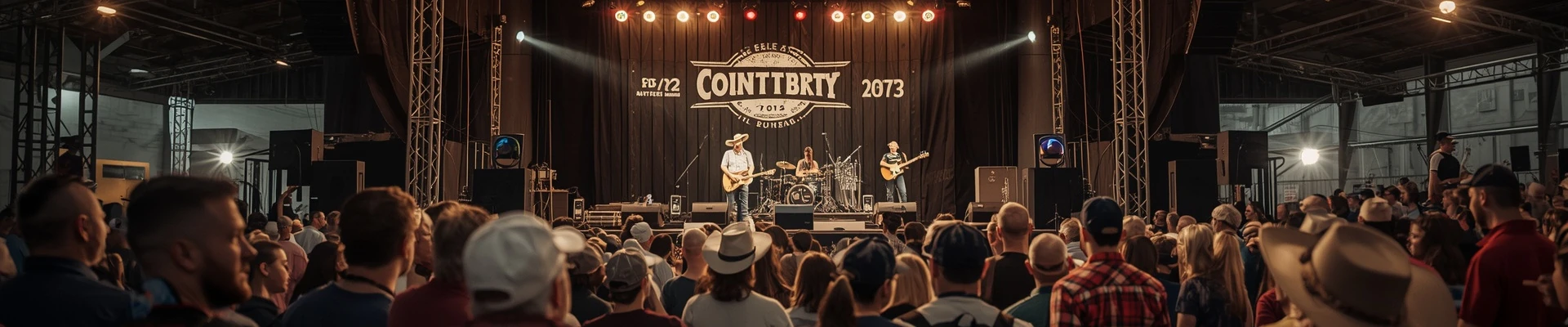
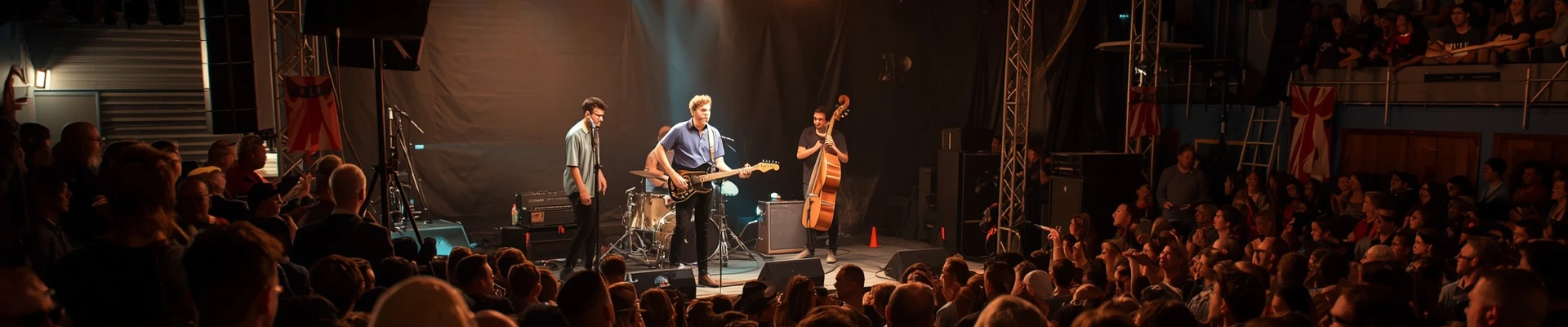
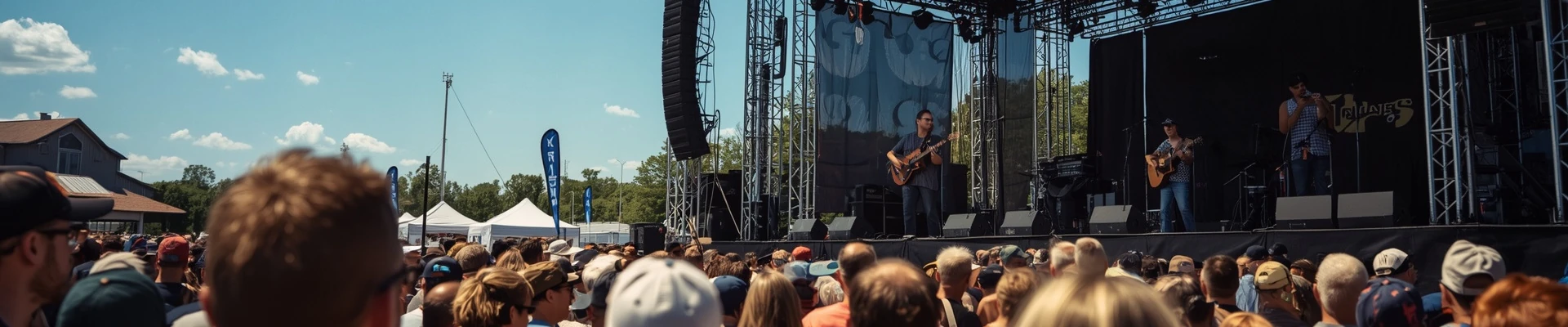
Downtown Lakeland has developed an active arts and entertainment district centred on Kentucky Avenue and the surrounding blocks. The Lakeland Electric Amphitheater (also called the Lake Mirror Amphitheater) is a free outdoor amphitheatre on the lakeshore that programs community concerts and events year-round. The Joinery is one of Lakeland's primary independent music venues — an arts-and-music space in the downtown core that programs local and regional acts across indie, folk, Americana, and alternative genres. Catapult is a co-working and event space that hosts shows and cultural events. The Yard on Massachusetts has emerged as an outdoor festival and event space.
The Polk Theatre (1928) is a beautifully restored Art Deco movie palace on North Florida Avenue that hosts concerts, film screenings, and performing arts events — one of the historic anchors of the entertainment district. Club Envy and BAR anchor the nightlife circuit for electronic, hip-hop, and DJ programming.
The Dixieland neighborhood — the historically Black district immediately south of downtown — has anchored Black cultural life in Lakeland for generations, with churches, social halls, and community venues. The South Lake Parker area and the corridor along Memorial Boulevard carry a working-class entertainment circuit. The North Lakeland suburban zones along US 98 carry chain-dominated entertainment with occasional venue pop-ups.
Spring training season at Publix Field at Joker Marchant Stadium brings a seasonal influx of Detroit Tigers fans and associated hospitality energy to the surrounding Combee Road and North Lakeland areas every February and March.
Festivals and signature events
The signature annual event is the Sun 'n Fun Aerospace Expo — one of the largest air shows in the United States, drawing 200,000+ visitors to Lakeland Linder International Airport each spring for a week of airshow performances, aircraft exhibitions, and outdoor concerts. Sun 'n Fun is the event that puts Lakeland on the national map most reliably every year.
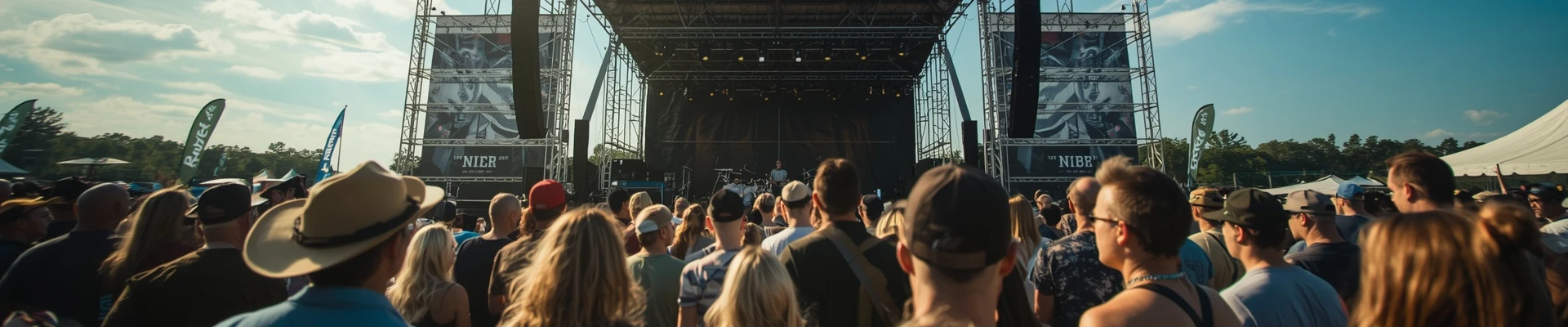
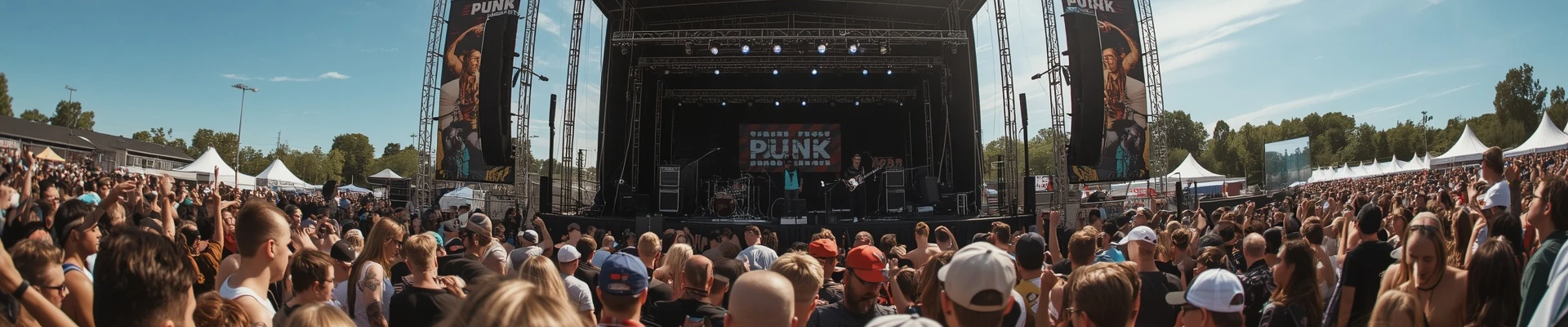
Lakeland BrewFest is the annual craft beer festival drawing regional and national breweries to the downtown lakeshore, typically with live music programming. The Pep Rally Music and Arts Festival is a signature downtown Lakeland music festival programming regional and national indie, pop, and alternative acts. The Lakeland Art Festival on the Lake Mirror Promenade programs alongside visual arts with live music.
Mayfaire by the Lake is the long-running spring arts festival on the Lake Mirror promenade — one of the oldest juried art shows in Florida, drawing tens of thousands of visitors annually to the lakeside setting. The Hollis Garden Christmas Stroll programs seasonal entertainment. The Lakeland Flying Festival (tied to the Linder Airport aviation community) rounds out the spring calendar.
Florida State Fair (held in Tampa, 55 km away) draws many Lakeland residents and the broader Polk County agricultural community, with major country touring acts programming the grandstand each February.
What ties it all together
Lakeland is a city whose musical identity has been shaped by its geography — the midpoint of the I-4 corridor, removed enough from Tampa and Orlando to cultivate its own scene but close enough to orbit both. The working-class Southern and agricultural character of Polk County built a country, gospel, and Southern rock foundation that runs through the city's DNA; Molly Hatchet's hard-charging Southern rock legacy, the roadhouse bar circuit, and the deep-rooted church choir tradition form the bedrock. Around that core, the city's growing diversity — Hispanic communities, a reviving downtown arts district, an influx of younger residents priced out of Tampa and Orlando — has layered new sounds and scenes. The Frank Lloyd Wright campus, the Polk Theatre, the Lake Mirror Promenade, and the city's extraordinary lakeside geography give Lakeland a cultural beauty that surprises visitors expecting another generic Florida strip. Sun 'n Fun brings the world to Lakeland every spring. The Detroit Tigers have been coming every February since 1934. Publix built a supermarket empire from this mid-Florida city. And the musicians who grew up here, or who landed here on the way between Tampa and Orlando, have built something real in the spaces between the lakes.