
Miami Gardens, Florida
Miami Gardens sits in the northern arc of Miami-Dade County, a flat grid of residential streets, strip malls, and community parks wedged between the Florida Turnpike and I-95. Incorporated in 2003 — making it one of the youngest cities in the state — it covers roughly 36 square miles and is home to about 113,000 residents, the vast majority of them Black or African American and a significant share of Caribbean descent, particularly Haitian and Jamaican. The city was carved out of unincorporated territory partly to give its majority-Black population direct municipal representation, and that civic identity — community-rooted, proud, grassroots — shapes its culture at every level, including its music.
For most of the country, Miami Gardens means one thing: Hard Rock Stadium, the 65,000-seat bowl that hosts the Miami Dolphins, the annual Orange Bowl, the Formula 1 Miami Grand Prix, and some of the biggest touring concerts in South Florida. Beyoncé, Kendrick Lamar, Bad Bunny, and Taylor Swift have all sold out the stadium. But the musical identity of Miami Gardens runs far deeper than its stadium footprint. It lives in the churches, the community centers, the Haitian rara processions at carnival time, and the Jamaican sound-system culture that thrives in neighborhoods like Scott Lake and Bunche Park.
Music Identity
Miami Gardens came of age alongside South Florida's golden era of hip-hop and bass music. The Miami bass sound — hard-hitting 808 kicks, call-and-response hooks, and Miami's own strain of electro-funk — was pioneered citywide by acts like 2 Live Crew and Luther Campbell in the 1980s, and the surrounding Black communities of North Miami-Dade were the primary audiences. That foundation fed directly into the rap careers of artists who grew up in the area. Rick Ross — born William Leonard Roberts II — is Miami Gardens' most internationally visible musical export. Ross's baroque hip-hop, steeped in luxury imagery, criminology, and relentless ambition, made him one of the defining rap voices of the 2000s and 2010s. He founded Maybach Music Group from here, signing Meek Mill, Wale, and Gunplay and turning the label into one of the genre's most potent imprints. Ross still calls Miami Gardens home.
Trick Daddy — another North Miami-Dade product — brought a rawer, more street-level voice that resonated citywide through the 2000s, collaborating with Trina and JT Money and anchoring the Slip-N-Slide Records roster. Trina herself — one of the first commercially successful female MCs in Southern rap — grew up in the Norwood neighborhood and remains one of the most enduring figures in the region's rap lineage.
Miami Gardens also carries strong Caribbean currents. The city's large Haitian community sustains a living kompa and rara tradition; Haitian-owned radio stations, record stores along NW 2nd Avenue, and church-linked performance culture keep these genres active and local. Jamaican dancehall and reggae find expression in sound-system events, lawn parties, and club nights throughout the city's residential corridors. Artists from the broader Miami Gardens diaspora regularly move between Haitian creole rap, dancehall, and mainstream hip-hop — a code-switching fluency that is one of the region's defining musical traits.
Gospel anchors the weekend. Churches in Miami Gardens — many of them large, multiracial congregations and many specifically African American — run active music ministries that function as legitimate talent pipelines. The tradition of choir directors, keyboardists, and vocalists cycling between gospel and secular R&B work is well established here.
Venues and Nightlife
Hard Rock Stadium is the city's flagship. It expanded and renovated repeatedly in the 2010s and now supports a full touring ecosystem — premium sight lines, strong production infrastructure, and an annual calendar that routinely puts it among Florida's highest-grossing venues. The surrounding parking and tailgate footprint means event-day activity radiates into adjacent neighborhoods.
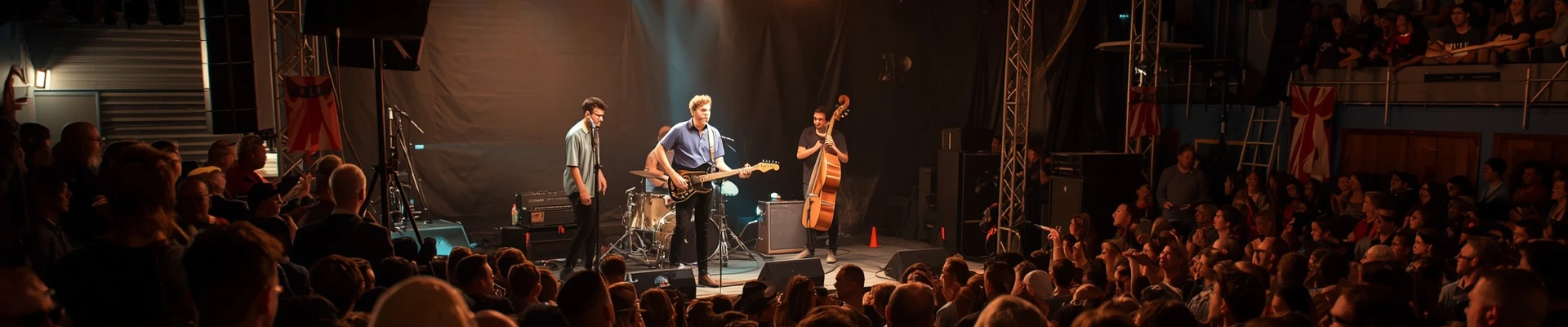
At the neighborhood level, Miami Gardens does not have a dense club district of its own — residents typically flow south into Miami proper, Liberty City, or Opa-locka for club nights, or north to Broward County. But the city sustains a network of Caribbean and Caribbean-American social clubs, private event halls, and faith-based performance spaces that host dancehall nights, kompa events, and gospel concerts that rarely make the mainstream press. Scott Lake Community Park and the City of Miami Gardens' parks department have hosted outdoor music festivals and summer concert series as part of civic programming.
Festivals and Events
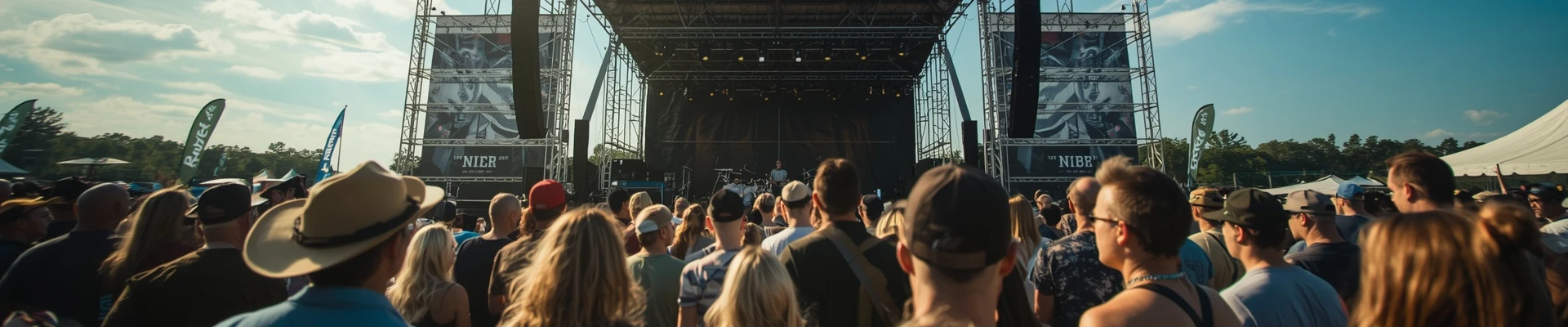
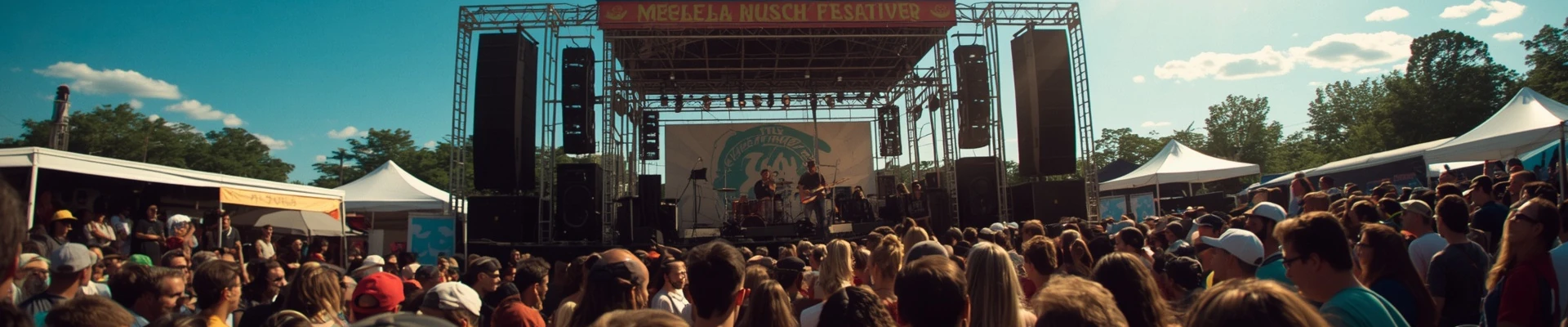
The Miami Gardens Jazz in the Gardens festival — held annually at Hard Rock Stadium — is among the largest jazz festivals in the southeastern United States. Drawing 60,000 to 80,000 attendees over two days, it features nationally known jazz, R&B, and soul acts and has become a signature civic event. Past headliners have included Patti LaBelle, Smokey Robinson, Earth, Wind & Fire, Erykah Badu, and Charlie Wilson. The festival is actively programmed with a Black cultural audience in mind, which makes it one of the more intentional expressions of Miami Gardens' identity.
Carifiesta Miami — a Caribbean carnival celebration — threads through the North Miami-Dade area including Miami Gardens with sound systems, costumes, and the kind of outdoor dance culture that draws directly from Trinidadian, Jamaican, and Haitian traditions. Haitian Flag Day (May 18) events, Haitian Heritage Month programming, and Jamaican Emancipation Day celebrations add to the annual calendar.
Neighborhoods
Bunche Park, in the city's northeast, is one of Miami Gardens' older residential clusters and has long been associated with Caribbean community life. Scott Lake and Miami Lakes (technically a separate town just to the northwest) anchor the middle-class homeowner core. Norwood and Carol City — Carol City being the area's historic name before the city incorporation — carry the deepest historic resonance for longtime residents. NW 27th Avenue serves as a commercial spine through the city, and sections of NW 2nd Avenue corridor carry Caribbean business density including Haitian and Jamaican-owned music shops and event promoters.
The Defining Signature
What Miami Gardens contributes to music is essentially a concentrated version of the North Miami-Dade experience: Southern rap's brick-hard production aesthetics filtered through Caribbean rhythm and Black church intensity. Rick Ross gave this synthesis its most globally recognizable form — the Maybach Music swagger that insists on maximum ambition from a city that the outside world still underestimates. The gospel choir, the dancehall sound system, the kompa band rehearsing in a church parking lot — these are not separate traditions but facets of the same community working through music the way communities always have. Miami Gardens is young as a city but old as a place, and its music reflects both the weight of that history and the momentum of a place still writing its story.