

Port Saint Lucie is Florida's Treasure Coast city — an incorporated municipality of roughly 165,000 strung along the St. Lucie River and the wetlands of Martin and St. Lucie counties, roughly midway between Miami (130 kilometres south) and Orlando (185 kilometres north). The city stretches across what was, within living memory, cattle range and citrus grove — one of the fastest-growing cities in the United States during the 2000s real estate boom, absorbing transplants from the Northeast, Caribbean immigrants building new footholds, and retirees drawn to the climate and the lower cost of living relative to South Florida's saturated markets. The Atlantic Ocean lies twelve kilometres east, separated from the city by the North Fork St. Lucie River and the Indian River Lagoon. The terrain is flat, subtropical, and threaded with canals — the legacy of the South Florida Water Management District's 20th-century drainage infrastructure.
Port Saint Lucie is younger than its population size might suggest. The city was incorporated in 1961, growing slowly through the 1970s and then dramatically through the 1980s as General Development Corporation (GDC) marketed its massive preplanned communities — Port St. Lucie Section tracts sold to working-class Northerners through mail-order land sales — and the resulting subdivision sprawl became the city's physical foundation. By 2000 the city had around 88,000 residents; by 2010 it had crossed 164,000, an extraordinary growth rate driven by affordable housing, a low-density residential character, and the arrival of the New York Mets' spring training complex in 1988, which brought New York's sports tourism dollars and, with them, its cultural echo.
A brief history
The land along the St. Lucie River corridor was historically inhabited by the Ais people and later connected to the broader Seminole network that survived in the Everglades interior. European settlement came through the Flagler railroad corridor in the late 19th century, with the Fort Pierce area (the county seat of St. Lucie County, 16 kilometres north) developing as a commercial hub while the land to its south remained largely agricultural. Pineapple farming, cattle ranching, and citrus production defined the economy through the mid-20th century.
The modern city's story begins with General Development Corporation, which purchased vast tracts of St. Lucie County land in the late 1950s and began plotting the country's largest residential subdivision. GDC sold lots through national advertising — newspaper inserts, radio spots, and mail-order brochures — reaching a working-class Northern audience that could not afford coastal Florida but dreamed of it. Buyers often purchased lots sight-unseen; when they arrived they found flat, remote, semi-rural terrain with minimal infrastructure. GDC built the basic road grid and water infrastructure, and the city grew organically around it. The result is a city of unusual sprawl — wide lots, low density, enormous road widths — that reflects its origins as a mail-order subdivision rather than an organically developed urban center.
The arrival of Clover Park (originally Thomas J. White Stadium, later renamed Tradition Field and now Clover Park) in 1988, when the New York Mets relocated their spring training operations from St. Petersburg, gave Port Saint Lucie its first sustained national visibility. Spring training — six weeks of Grapefruit League baseball from late February through March — has become the city's most recognized cultural event, drawing tens of thousands of New York Mets fans south and creating a sustained hospitality economy in an otherwise quiet winter city.
Music identity
Port Saint Lucie does not have a landmark music history of the kind associated with Florida's larger cities. It has produced no internationally dominant genre, and its relatively recent incorporation and dispersed suburban geography have worked against the concentration of music infrastructure that defines cities like Jacksonville, Tampa, or Miami. What it has instead is a genuine community music culture built from three overlapping populations — its Caribbean and Latin American immigrant communities, its large retiree sector, and a growing younger demographic of Florida natives and New York transplants.
The Caribbean community is the most musically active. Haitian families — concentrated in the western and central sections of the city — have established a kompa infrastructure that reflects the broader South Florida Haitian diaspora. Kompa (also spelled compas), the Haitian ballroom dance music developed by Nemours Jean-Baptiste in the 1950s and sustained by bands like Tabou Combo, T-Vice, and Bélô — plays at community halls, Haitian-owned restaurants, and backyard parties throughout Port Saint Lucie's Haitian neighbourhoods. The city has a Haitian Creole–speaking community large enough to sustain its own social calendar independent of the Fort Pierce or Miami circuits, and Haitian cultural organizations program music events that bring performers from Miami's larger Haitian entertainment hub northward. The Jamaican community, smaller but present, sustains its own reggae and dancehall social networks.
Caribbean carnival culture — soca, calypso, and the Trinidadian carnival aesthetic — is represented through the Treasure Coast's West Indian community events, including celebrations organized through Port St. Lucie's Caribbean American associations. The annual Treasure Coast Caribbean Festival (held most years in or near Port Saint Lucie) draws soca bands, reggae acts, and Caribbean food vendors that reflect the breadth of the West Indian diaspora in St. Lucie County.
The Latin American community — primarily Puerto Rican, Cuban, Colombian, and broadly Hispanic — has grown significantly as Florida's internal migration patterns have shifted. Puerto Rican families from Central Florida (particularly the Osceola County corridor around Kissimmee) have relocated to the Treasure Coast, bringing salsa, reggaeton, and Puerto Rican pop into the Port Saint Lucie cultural mix. Cuban families from South Florida, seeking lower housing costs, have established a presence in the western suburbs. Colombian and Venezuelan communities, smaller but growing, program their own cultural events.
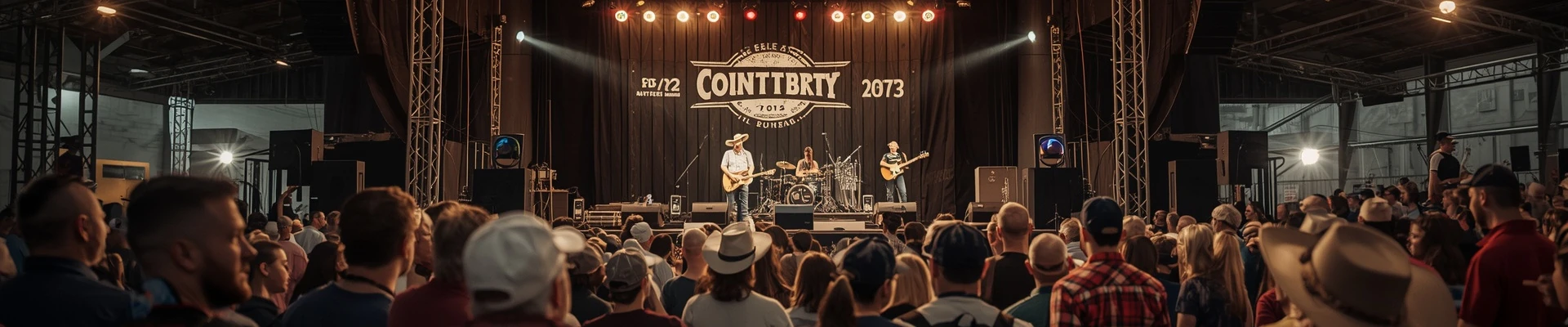
The New York connection — sustained by the Mets spring training presence and by the large population of New York transplants who retired or relocated here — gives Port Saint Lucie a particular affinity for classic rock, singer-songwriter, and New York popular music styles. The city's bar and restaurant music scene skews toward cover bands playing the Eagles, Tom Petty, Billy Joel, and classic rock repertoire that resonates with the transplant demographic. Country music — driven by Florida's inland culture and the city's proximity to the cattle and agricultural traditions of Okeechobee and the interior — also has a strong presence.
Venues and neighborhoods
The Sunrise Theatre is the centrepiece of Port Saint Lucie's performing arts infrastructure — a 1,200-seat renovated historic theatre at 215 South 2nd Street in Fort Pierce (the county seat, 16 kilometres north and culturally integrated with Port Saint Lucie's arts scene) that programs an eclectic calendar of pop, country, comedy, Latin, and classical performances year-round. Though technically in Fort Pierce, the Sunrise Theatre serves the broader St. Lucie County audience and is the flagship venue for major touring acts within reach of Port Saint Lucie residents.
Within Port Saint Lucie proper, Clover Park (formerly Tradition Field) at 525 Northwest Peacock Boulevard hosts not just Mets spring training but off-season events including concerts and community programming. The park's 7,000-seat capacity makes it the largest gathering space in the city. The surrounding Tradition neighbourhood — a new urbanist master-planned development that opened in the 2000s — has restaurants and event spaces that program live music. Tradition Square has become an outdoor gathering space with community concerts.
The PGA Village complex on the western edge of the city is primarily a golf destination, but its hotel and resort infrastructure programs entertainment for the golfing demographic — cover bands, tribute acts, and light jazz dominate. The Treasure Cove bar and music corridor along US-1 (Federal Highway) hosts the city's most consistent live music pub and club programming, with country and classic rock cover bands the primary draw.
Neighbourhood geography matters. The St. Lucie West corridor — the commercial heart of the city's western expansion — is where much of the newer restaurant and bar development is concentrated. Tradition is the aspirational new urbanist center. The eastern and central sections along Port St. Lucie Boulevard and Bayshore Boulevard are older residential and hold the bulk of the Caribbean and Latin American community fabric, including the Haitian-owned restaurants and event spaces that anchor kompa programming.
Festivals and signature events
Spring training is Port Saint Lucie's signature recurring event. The New York Mets play approximately 16 home games at Clover Park during the Grapefruit League season (February–March), drawing crowds from New York and New England and creating a hospitality surge unlike anything else in the city's annual calendar. Local restaurants, bars, and event spaces program Mets-themed events and live music coinciding with the spring training run.
The Treasure Coast Caribbean Festival celebrates the West Indian heritage of St. Lucie County's Caribbean community with soca, calypso, reggae, and kompa music, Caribbean food, and cultural programming. The Haitian Heritage Month celebrations in May include music events programming kompa bands from the Miami diaspora circuit. Hispanic Heritage Month (September–October) brings Latin music programming through community associations and the city's parks department.
The St. Lucie County Fair (held each spring at the fairgrounds in Fort Pierce) draws the broader county population and programs live country, Latin, and popular music on its main stage. The City of Port Saint Lucie Concert Series programs free outdoor events in city parks, primarily family-oriented with cover bands and tribute acts playing popular American repertoire.
For major festivals, Port Saint Lucie residents look outward — Sunfest in West Palm Beach (35 kilometres south) is the nearest major music festival, a multi-day event on the waterfront drawing 80,000+ attendees with broad popular, Latin, and reggae programming. Ultra Music Festival in Miami (130 kilometres south) and the Fort Lauderdale air show and entertainment corridor are within driving distance for the city's younger demographic.
What ties it all together
Port Saint Lucie's music life is the music life of a young city still figuring out what it is — a place where the Caribbean energy of its immigrant communities coexists with the classic rock nostalgia of its transplant retirees and the country-inflected culture of Florida's interior traditions. The Sunrise Theatre serves as the region's performing arts anchor; Clover Park brings New York crowd energy each spring; and the Haitian kompa halls, Caribbean carnival associations, and Puerto Rican community events provide the deep communal music culture that no stadium booking can replicate. Port Saint Lucie is a Treasure Coast city in transition — growing fast, diversifying fast, and building the music infrastructure to match as it goes.