
Springfield, Illinois — Capital City on the Prairie
Springfield sits at the geographic and political heart of Illinois, roughly equidistant between Chicago to the north and St. Louis to the south, straddling the flat black-soil prairie of Sangamon County. As the state capital since 1837, it carries a particular weight of American history — Abraham Lincoln practiced law here, delivered his "House Divided" speech here, and is buried here at the Oak Ridge Cemetery in one of the most visited presidential tombs in the country. That history pervades the city's identity and shapes its cultural economy, drawing heritage tourism and civic pride in equal measure. Springfield's population hovers around 114,000, making it the sixth-largest city in Illinois — substantial enough to sustain a varied music scene, small enough that the scene is genuinely community-wired rather than industry-driven.
The Sangamon River curves around the city's western and northern edges. Downtown is compact and walkable along 5th Street and 6th Street, with the Illinois State Capitol dome visible from most of the central grid. The old Route 66 corridor threads through the city's commercial spine — Springfield is one of the best-preserved Route 66 towns in America, and that highway mythology, with its American road music associations, informs local identity in quiet ways. The Springfield Metropolitan Statistical Area encompasses about 210,000 residents across Sangamon and Menard counties, giving the city a draw well beyond its municipal limits.
The African American Music Tradition
The most historically deep strand of Springfield's music comes from its African American community, rooted in the Levee District that once ran along the south end of downtown and the neighborhoods that developed as Black residents built their own civic and cultural life in the late 19th and early 20th centuries. The city has a fraught racial history — the Springfield Race Riot of 1908, one of the deadliest anti-Black riots in northern American history, partly prompted the founding of the NAACP a year later — but out of that history came a community that built churches, social clubs, and music venues as acts of solidarity and survival.
Gospel music has always been the foundation. The city's Black churches — St. John's AME, New Friendship Baptist, and others along the east side corridors — have produced generations of singers who trained in choir before moving into secular music. Blues arrived alongside the Great Migration, with juke joints and taverns along the 5th Street corridor providing stages for local and traveling acts well into the mid-20th century. Jazz had a foothold too, particularly in the 1940s and 1950s, when the Elks Club and similar fraternal halls hosted touring big bands and local combos. That tradition has attenuated but not vanished; jazz and soul nights remain fixtures in Springfield's bar calendar.
The Illinois State Fair and the Grandstand Stage
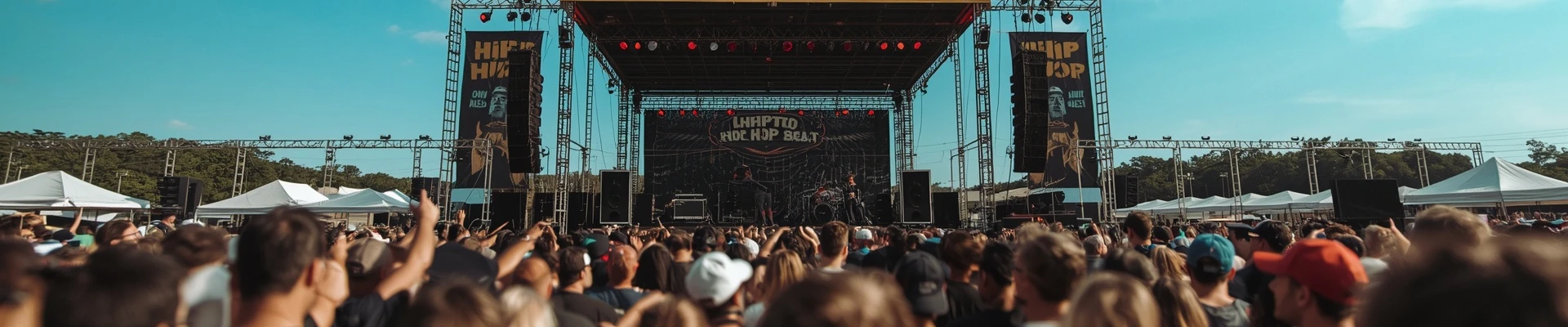
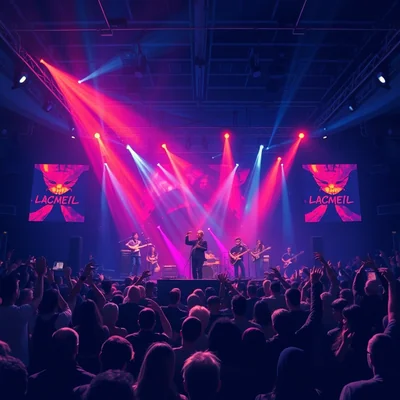
The single largest music event in Springfield's calendar is the Illinois State Fair, held annually for ten days each August at the Illinois State Fairgrounds on Sangamon Avenue north of downtown. The Grandstand — a permanent outdoor amphitheater with capacity for around 15,000 — has hosted an extraordinary range of headliners over its century-plus of operation: Johnny Cash, Willie Nelson, Aerosmith, Blake Shelton, Doja Cat, Old Dominion, and hundreds of other major acts have played the Grandstand across the decades. For Springfield residents, the State Fair is the reliable annual moment when the city hosts artists of national and international stature. For working musicians in the region, the Fair's secondary stages — the Commodity Pavilion, the Senior Citizens' Center Stage, and the free Pepsi Pulse Stage — provide genuine performance opportunities.
The fair's country and classic rock programming has reinforced a local appetite for those genres, and Springfield's bar scene reflects that alignment. Country nights at venues like Brewhaus on South 6th Street and Boone's Saloon draw regulars who grew up on Grandstand lineups.
Venues: Arenas, Clubs, and the College Circuit
The BOS Center (formerly the Prairie Capital Convention Center and later the Bank of Springfield Center) on West Stratton Drive is Springfield's primary indoor arena, with roughly 8,000 seats in its main configuration. It hosts major touring acts that the Grandstand cannot accommodate in winter months — rock shows, comedy, family entertainment, and occasional arena country. For mid-capacity shows, Sangamon Auditorium on the campus of the University of Illinois Springfield (UIS) seats around 2,000 and regularly books serious touring folk, jazz, classical, and acoustic acts, functioning as Springfield's arts-presenting anchor.
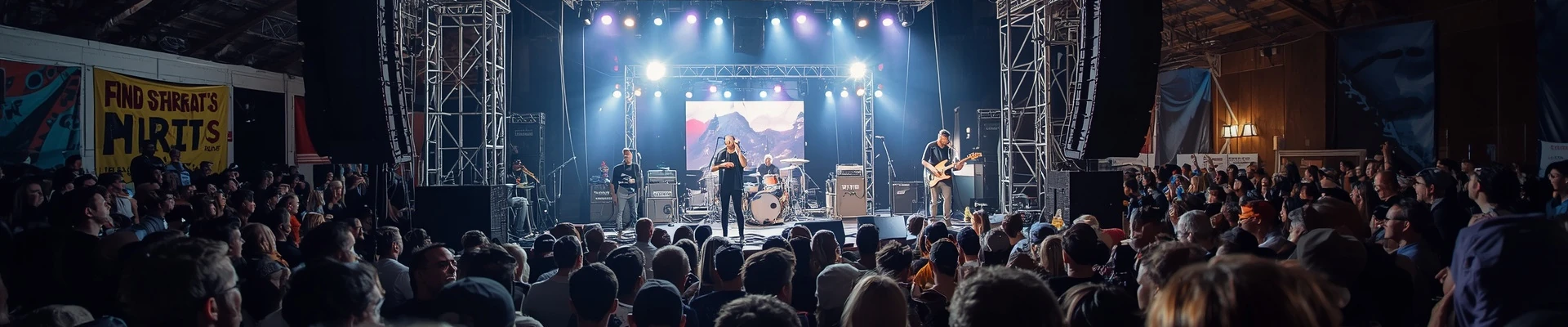
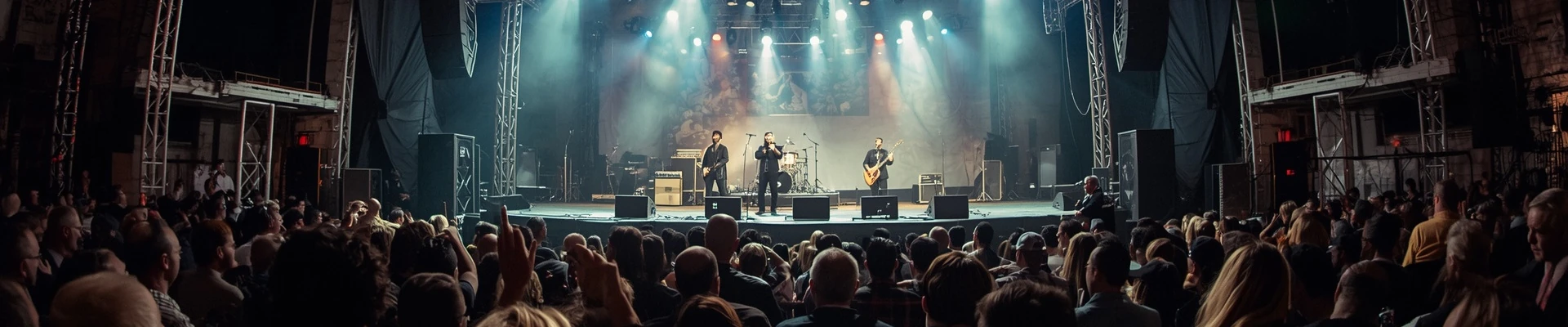
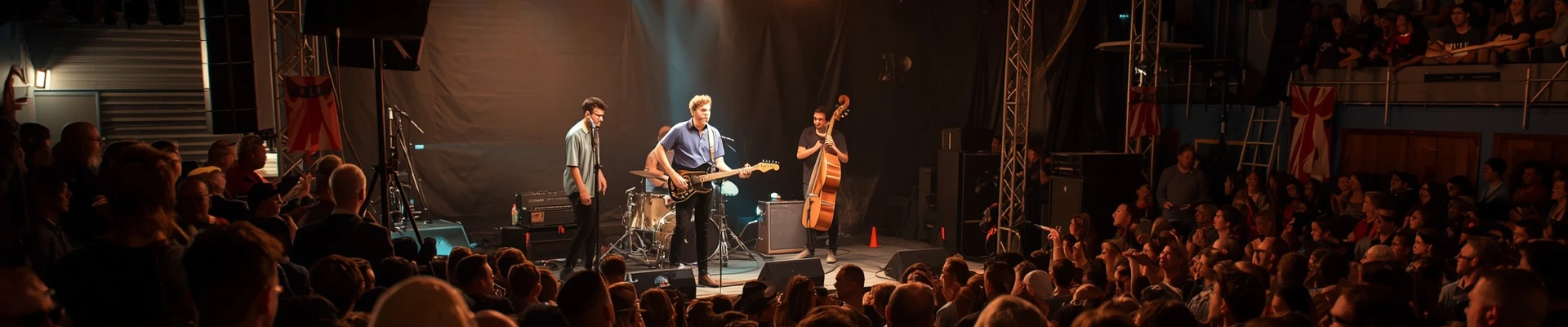
The club circuit runs smaller but steady. Brewhaus, a long-running music bar on South 6th, has hosted local and regional original acts and cover bands across multiple genres for decades. Boone's Saloon serves the honky-tonk country demographic. The Curve Inn on South Grand Avenue is an institution for dive-bar rock — a sprawling venue with an attached bar that draws an unpretentious, loyal crowd. Buzz Bomb Brewing Company and Limestone Brewing Company have integrated live music into their taproom programming, reflecting the national craft-beer-and-local-music pairing that has reshaped mid-size city venue ecosystems in the 2010s and 2020s.
The University of Illinois Springfield and Lincoln Land Community College provide campus stages and student-organization programming that give younger and more experimental acts a foothold. UIS in particular has grown its arts calendar meaningfully, and the campus's outdoor amphitheater hosts free summer concerts.
Original Music and the Local Scene
Springfield's original music community is small but committed. The city has produced and nurtured artists across several genres without generating a nationally recognized "Springfield sound" — it is a city of competent, locally beloved musicians rather than breakout stars, which is a description that fits most state capital cities that are not Nashville or Austin.
The blues tradition has remained alive through artists like Glenn Clark, a Springfield guitarist who has worked both locally and regionally for decades. The country and Americana scene sustains a rotation of singer-songwriters playing the bar circuit and the Old State Capitol Farmers Market and similar community events. The folk and acoustic community has benefited from the programming of WUIS 91.9, the NPR affiliate broadcast from UIS, which has consistently championed local and regional acoustic music through its concert programming and on-air features.
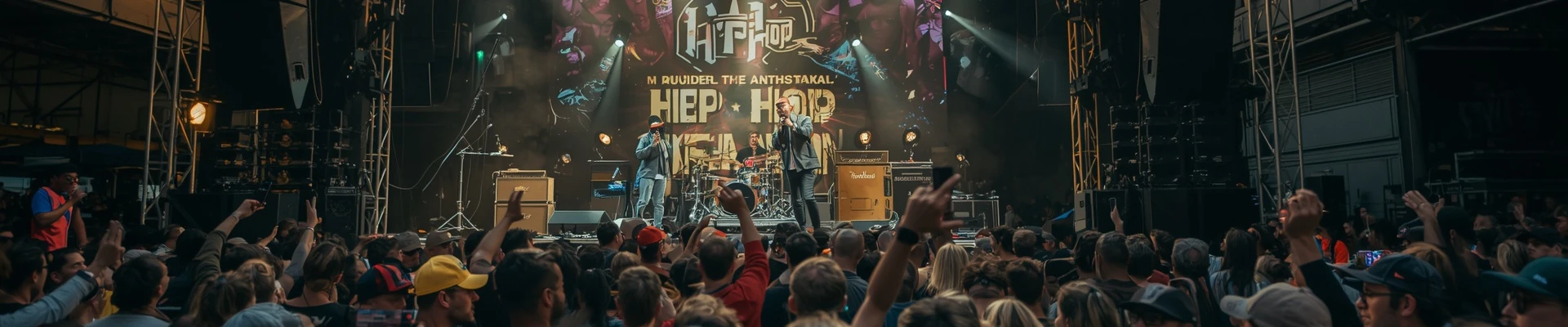
Hip-hop and R&B have been present but underserved by dedicated venue infrastructure; the scene has largely operated through house parties, community events, and occasional bookings at mainstream bars. The Springfield Area Arts Council has worked to address arts access gaps across genres and demographics, operating the Hoogland Center for the Arts — a multi-stage performing arts center in downtown Springfield that hosts visual arts, theater, and occasional music events.
Route 66 and the Sonic Geography of the Road
Springfield's position on historic Route 66 — which passes through downtown on 5th and 6th Streets before heading southwest toward Staunton and St. Louis — has shaped the city's relationship with American road mythology. The Cozy Dog Drive In, the Ariston Café (in nearby Litchfield), and the vintage motor courts along the old alignment are local landmarks. That Route 66 heritage attracts motorcycle rallies, classic car events, and the tourism infrastructure around them — and with that tourism comes a demand for live music in roadhouse formats: cover bands playing classic rock and country, honky-tonk nights, and retro-themed entertainment. It is not the most artistically adventurous corner of Springfield's music life, but it is economically real and culturally resonant.
Demographics and Cultural Breadth
Springfield is roughly 71% white, 19% Black, and a growing Latino population concentrated on the city's west side, with smaller East and Southeast Asian communities. The Hispanic community has brought cumbia, norteño, and banda music into the cultural mix, audible at quinceaneras, community festivals, and the occasional club night. The city's relatively stable government-employment base — state workers, university employees, healthcare — gives it an economic profile that skews toward middle income, which sustains a consistent but not extravagant arts economy.
The Mississippi Valley Blues Festival in Davenport, just three hours north, and the Chicago Blues Festival two and a half hours northeast anchor the regional blues calendar, pulling Springfield audiences out of town while affirming the broader Illinois blues tradition that Springfield's own scene participates in.
What Ties It All Together
Springfield is a city that does not define its music by a single genre or era but by the accumulated memory of what has passed through it — Lincoln-era parlor music, Black church gospel, State Fair grandstand country and rock, Route 66 roadhouse honky-tonk, and the quiet persistence of original musicians working the local circuit. The Illinois State Fair Grandstand is its most consequential music venue by audience scale. The African American church tradition is its deepest root. And the original scene — blues-inflected, country-adjacent, folk-tinged — reflects a prairie capital city that knows its place in the broader American music map: not a trendsetter, but a faithful keeper of the traditions that cross its flat, history-saturated landscape.