
Brockton sits 40 kilometres south of Boston in Plymouth County, Massachusetts, with a population of roughly 95,000 residents — making it the seventh-largest city in the state. Settled in the 17th century as part of Plymouth Colony, Brockton grew through the 19th and early 20th centuries as a global centre of the shoe manufacturing industry, earning the nickname "Shoe City" before deindustrialisation hollowed out that base and left the city reinventing itself across the latter 20th century. Today Brockton is one of the most demographically diverse cities in New England — roughly 50% Black (including substantial Haitian, Cape Verdean, Jamaican, and African American communities), 20% Hispanic, and 20% white — and that diversity is the engine of its cultural and musical life. The city is perhaps best known internationally as "The City of Champions", birthplace of undefeated heavyweight champion Rocky Marciano and five-division world champion Marvelous Marvin Hagler, whose legacies have shaped Brockton's identity as fiercely as any cultural or musical tradition. But beneath the boxing mythology, Brockton carries one of the most distinctive urban music scenes in southern New England, anchored above all by the largest Cape Verdean community in the United States.
History and geography
The land was Wampanoag territory before Plymouth Colony settlers arrived in the 1620s. Brockton was set off as a separate town in 1821 and incorporated as a city in 1881. Through the late 19th century it was a booming industrial centre — the shoe industry made Brockton shoes famous worldwide, and the city's Campello, Montello, and North Brockton neighbourhoods filled with workers from Ireland, French Canada, Italy, and Eastern Europe. By the early 20th century Brockton was producing more shoes than any other city in the world.
The collapse of American shoe manufacturing after World War II hit Brockton hard. Factories closed across the postwar decades, and the city's tax base eroded. The critical cultural shift came in the late 20th century as immigration from Cape Verde, Haiti, Jamaica, Puerto Rico, Guatemala, and other Caribbean and African nations transformed the city's demographics. The Cape Verdean community — which had been establishing roots in southeastern Massachusetts since the whaling era — grew exponentially through the 1970s, 1980s, and 1990s, and Brockton became the undisputed capital of Cape Verdean culture and music in the United States. That community, alongside Brockton's Haitian and Caribbean communities, defines what makes Brockton musically singular.
Music identity
The defining musical contribution of Brockton to the world is its Cape Verdean music scene — the most substantial outside of Cape Verde itself. Cape Verdean music encompasses several distinct traditions. Coladeira is an upbeat, rhythmically driving popular genre — the Cape Verdean party music — with African percussion, guitar, and call-and-response vocals. Funana is a faster, accordion-driven genre with roots in the inner islands of Santiago and Fogo, long suppressed under Portuguese colonial rule and transformed into a symbol of Cape Verdean independence; in Brockton, funana has been kept alive and evolved through decades of community events and club nights. Batuque is a percussion-driven women's performance tradition rooted in the Santiago island traditions. Morna — the melancholic, guitar-driven genre made internationally famous by Cesária Évora — is performed at Cape Verdean cultural events throughout the city, its bittersweet emotionality (the feeling of saudade, of longing and loss) resonating powerfully with a diaspora community far from the archipelago.
Brockton's Cape Verdean music scene operates through a network of cultural associations (the Cape Verdean-American Association of Brockton, the Associação Cabo-Verdiana de Brockton), community celebrations tied to the Cape Verdean Independence Day (July 5), Carnival events, Kriolu cultural nights, and a circuit of clubs and halls where DJs spin coladeira and funana alongside Afrobeat, zouk, and kizomba. The Cape Verdean community has produced several notable musicians who have brought Brockton's sound to larger audiences — Dino d'Santiago, who bridges Brockton's diaspora community with the contemporary Lisbon-based Cape Verdean music scene, has been an important figure in raising the profile of Cape Verdean music internationally. Bana, one of the great morna singers of the 20th century, was not from Brockton, but his recordings have been central to the Brockton community's musical life.
The Haitian community — one of the largest in New England — sustains its own rich musical traditions: kompa (the smooth, rolling Haitian ballroom-dance music with French, African, and Latin influences), rasin (roots music with Vodou drum traditions), and a contemporary Haitian hip-hop and R&B scene. Brockton Haitian social clubs, community events, and informal networks keep kompa circulating through the city year-round.
Brockton's hip-hop scene has been one of the most productive in southeastern Massachusetts for three decades. The city's tough streets, tight-knit neighbourhood bonds, and proximity to Boston's larger hip-hop infrastructure have produced a consistent stream of MCs, producers, and crews. Millyz — one of the most prominent figures in Boston-area hip-hop, with a loyal national following — is Brockton-raised and has put the city on the broader rap map. Jarren Benton has Brockton connections. The city's hip-hop scenes run through a network of recording studios, battles, and local labels, with strong ties to the broader Boston, Providence, and New Bedford hip-hop circuits. The Cape Verdean community has also blended with hip-hop traditions — Cape Verdean-American MCs and producers mix Kriolu language, coladeira rhythms, and African-American hip-hop forms into a hybrid that is distinctively southeastern Massachusetts.
R&B and gospel run deep in Brockton's Black church communities — the Twelve Tribe Church, New Jerusalem Church, and other Black Pentecostal and Baptist congregations anchor a significant gospel choir tradition. Reggae and dancehall circulate through the Jamaican community. Soca and calypso travel through Carnival events linked to the broader Caribbean community. Merengue and bachata anchor the Dominican and broader Latin community's social dance scene.
Rocky Marciano's hometown identity has, somewhat unexpectedly, generated a cultural mythology around resilience and toughness that feeds directly into Brockton's hip-hop voice — MCs from the city frequently invoke the boxing legacy as shorthand for the city's identity. Marvelous Marvin Hagler — who grew up in Brockton and trained at the Petronelli Brothers Gym — is an even more beloved figure; his combination of technical brilliance and relentless pressure is a recurring metaphor in Brockton music culture.
Venues and neighbourhoods
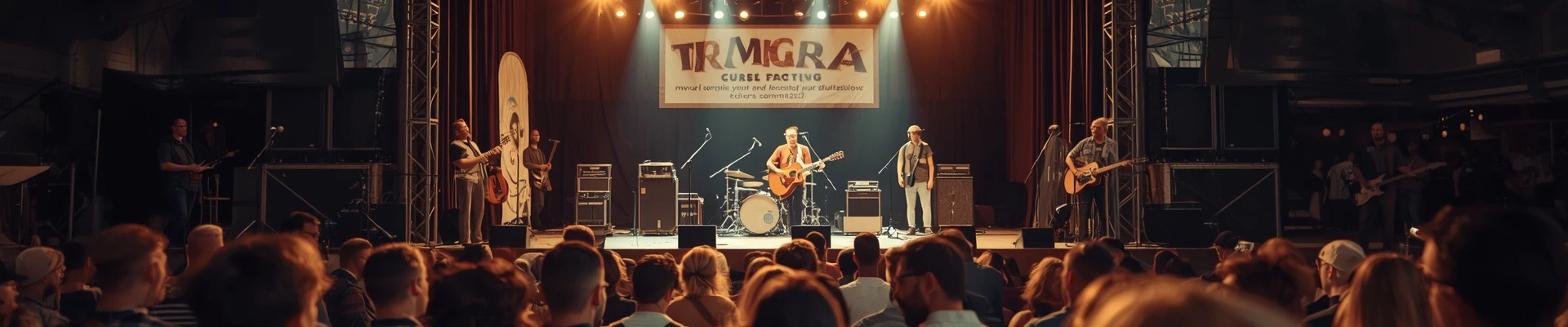
Brockton's music venues are scattered across the city rather than concentrated in a single district. The Brockton Fair Grounds hosts large summer events including concerts alongside the annual fair. Lantana — a banquet hall on Belmont Street that has functioned as one of the key venues for large Cape Verdean, Haitian, and other community cultural events — represents the hall-and-banquet-venue circuit that is central to how Brockton's diaspora communities organize large celebrations. The Brockton Rox stadium (Campanelli Stadium) programs some outdoor events. Downtown Brockton along Main Street and Centre Street carries the city's bar and club scene — The Brockton Club, Embargo, and other establishments have served as live music and DJ spaces. The YMCA of Greater Boston's Brockton branch and community centres host cultural and music events. The Porter neighbourhood and the areas around North Montello Street carry concentrations of Cape Verdean and Haitian businesses, barbershops, and community organizations that function as informal cultural hubs.
Festivals and signature events
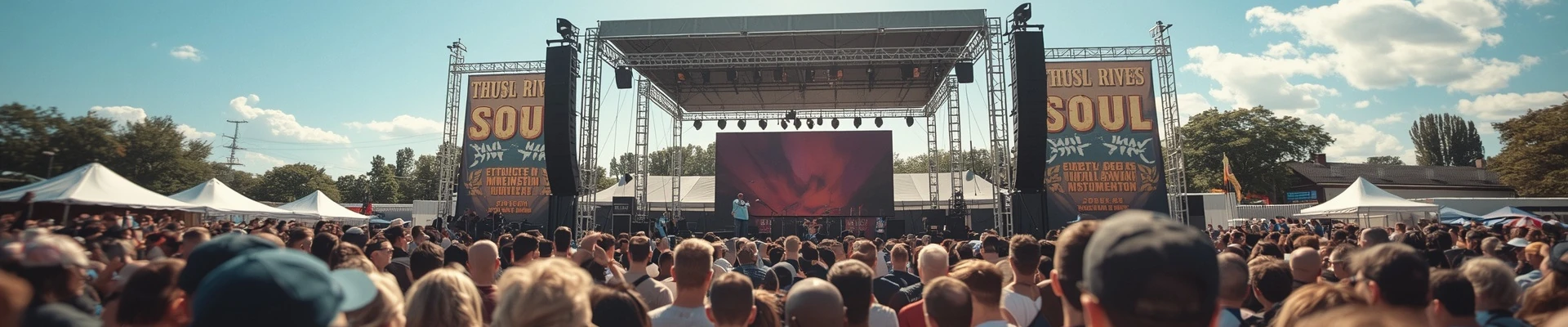
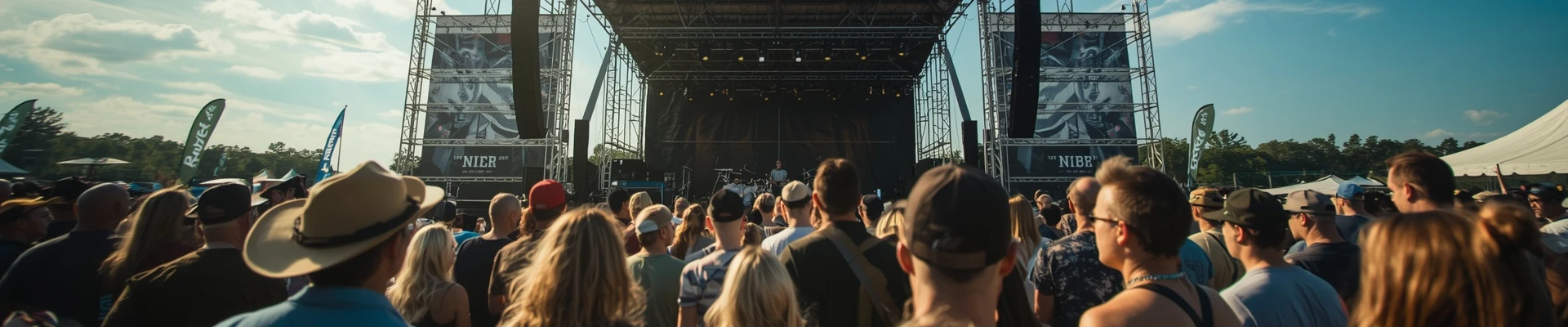
The Cape Verdean Independence Day celebrations on or around July 5 are Brockton's most significant annual cultural event — a day of music, food, community gathering, and cultural pride centred on the Cape Verdean community. Carnival season events organised by the Cape Verdean and Caribbean communities bring coladeira, soca, and Afrobeat to the streets. The Brockton Fair (one of the oldest agricultural fairs in the country, held each July at the Brockton Fairgrounds) includes entertainment stages with regional and national touring acts alongside the traditional fair programming. Black History Month events, Haitian Flag Day (May 18) celebrations at community halls, and Dominican Independence Day gatherings round out the cultural calendar. The Rocky Marciano statue dedication and annual remembrances keep the boxing mythology alive. The Brockton High School football rivalry (the "Thanksgiving Day Game" against Stoughton High School) is one of the most attended high school events in the region and carries its own soundtrack of pep bands and community celebration.
What ties Brockton together musically is exactly what the city's nickname promises: a championship-level punch in a middleweight frame. This is a city of 95,000 that contains the most important Cape Verdean music scene in the United States, a Haitian kompa circuit that rivals Providence and Boston, a hip-hop culture built on boxing mythology and post-industrial pride, and a gospel tradition rooted in Black churches that have anchored the city's African American community for generations. Brockton does not have a major arena or a nationally famous festival circuit, but it has something more specific and harder to replicate — a community of people who have made music a form of survival and celebration, carrying the traditions of Cape Verde, Haiti, Jamaica, and the American South into the streets and halls of southeastern Massachusetts, and producing in return a sound that belongs unmistakably to one place.