



New Bedford sits on the western shore of Buzzards Bay in southeastern Massachusetts, roughly 80 kilometres south of Boston and 40 kilometres east of Providence, Rhode Island. With around 101,000 residents it is the sixth-largest city in Massachusetts — a compact, dense post-industrial port whose brick-warehouse downtown, steep harbour streets, and working fishing fleet still carry the physical memory of an era when it was among the wealthiest cities on earth. The surrounding region is sometimes called the SouthCoast — a stretch of coastline and old mill towns between the Cape Cod Canal and the Rhode Island border that has historically occupied a kind of in-between geography, neither Boston's orbit nor Providence's, neither Cape Cod tourism nor the Pioneer Valley's academic belt. New Bedford has always been a city unto itself, and its music is the same.
A Brief History
Long before European settlement the land around Buzzards Bay was home to the Wampanoag people, whose territory stretched across southeastern Massachusetts and whose communities survived King Philip's War (1675–76) and continued on nearby Aquinnah (Martha's Vineyard) and other enclaves. European settlers established the community of Dartmouth in the mid-1600s; the town of New Bedford was incorporated in 1787, just as the sperm whale oil trade was exploding into one of the most lucrative industries in the Atlantic world.
By the 1840s and 1850s New Bedford was the undisputed whaling capital of the planet. More than 300 whaling ships sailed from its harbour; the city's oil lit lamps from New York to London and lubricated the machinery of the Industrial Revolution. Frederick Douglass escaped slavery and first settled in New Bedford in 1838, working on the docks and beginning his career as an abolitionist speaker. Herman Melville sailed from New Bedford on the whaleship Acushnet in 1841; the opening chapters of Moby-Dick (1851) are set in New Bedford's streets and the Seamen's Bethel chapel — still standing on Johnny Cake Hill — making the city permanently embedded in American literary geography. The New Bedford Whaling National Historical Park preserves much of the 19th-century waterfront district.
The whaling industry collapsed through the second half of the 19th century, replaced briefly by textile mills along the Acushnet River. The mills in turn declined through the early 20th century, and New Bedford entered the long post-industrial contraction that remade its demographics. Portuguese immigration — first from the mainland Azores in the mid-1800s (whalers recruited heavily in the Azores), then from mainland Portugal, Cape Verde, and Brazil through the 20th century — transformed the city's population. By the mid-20th century New Bedford had one of the largest Portuguese-speaking communities in North America. Today the city is roughly 40% Latino (predominantly Portuguese-speaking and Cape Verdean), and the Cape Verdean community is among the largest and most culturally active in the United States.
Music Identity
New Bedford's most internationally consequential musical contribution runs through its Cape Verdean community. Cape Verde — the island archipelago off the West African coast — has its own extraordinary musical tradition centred on morna (a melancholy, blues-adjacent genre associated above all with Cesária Évora, the "Barefoot Diva") and coladeira (its livelier cousin). New Bedford's Cape Verdean diaspora, one of the oldest and largest in the world, has sustained morna and coladeira traditions for over a century — community halls, cultural associations, and family celebrations have kept the music alive through generations. Lúcio Marques and other Cape Verdean musicians based in southeastern Massachusetts have performed and recorded in these traditions, and the community remains a living connection point between the Bostonian-Portuguese-African Atlantic world and one of the most emotionally resonant musical forms on earth.
The Portuguese and Azorean community sustains its own parallel musical life: fado (Portugal's genre of longing and fate, structurally related to morna in its emotional register), chamarrita (an Azorean folk dance form), and contemporary Brazilian pop all circulate through community events, the Portuguese American Club, and restaurants and social clubs along Acushnet Avenue — the main artery of New Bedford's Portuguese commercial corridor, nicknamed "The Avenue." The city's Feast of the Blessed Sacrament — held every August since 1915 — is the largest Portuguese feast in the world outside Portugal itself, drawing more than 100,000 visitors and featuring continuous live music across multiple stages for four days: folk groups, fado singers, contemporary Portuguese and Brazilian pop acts, and chamarrita dancers.
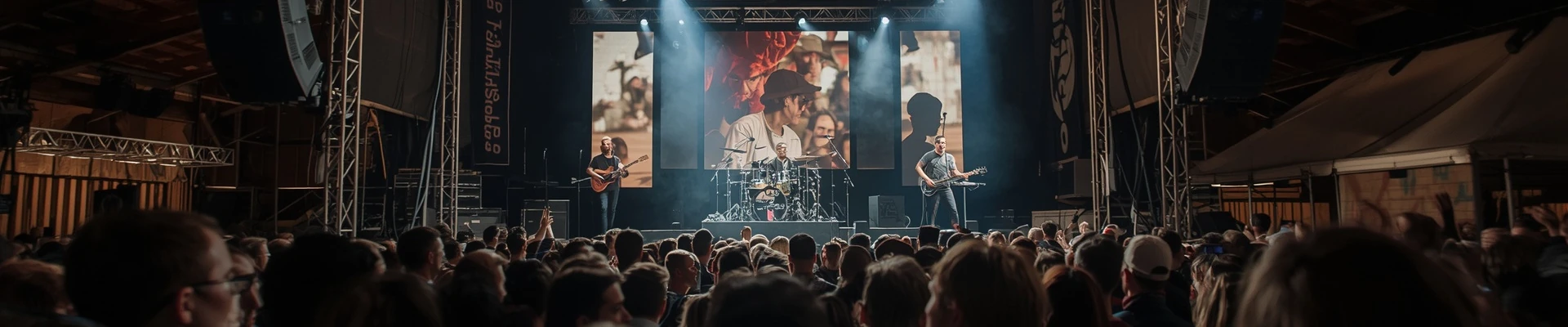
Beyond its immigrant-community traditions, New Bedford developed a punk and hardcore underground through the late 1970s and 1980s that was more vital than the city's size would suggest. The scene connected to Boston and Providence circuits while maintaining its own distinct working-class, port-city roughness. Dropdead — the Providence-based anarcho-crust-punk band whose members maintained close connections to the southeastern Massachusetts underground — and affiliated acts played New Bedford regularly, and the city's clubs and DIY spaces fed into the broader regional scene. The early 2000s indie and post-punk revival produced a fresh wave of New Bedford bands working the Boston–Providence–New York corridor — acts operating in the tradition of angular, melodic guitar music with a particular SouthCoast grimness in the lyrics.
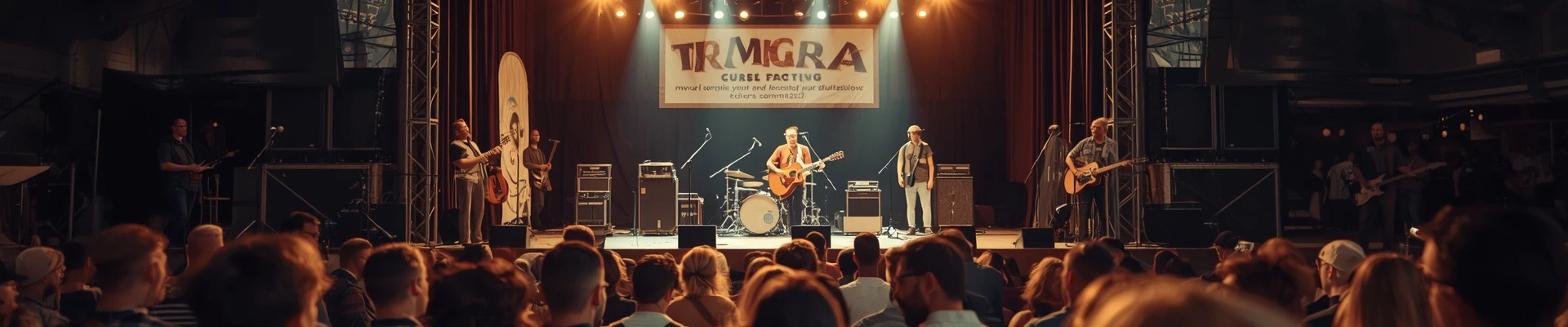
Folk and Americana have also found a home in the city, partly because the whaling and maritime history creates an obvious gravitational pull for sea shanty traditions, fiddle music, and the kind of roots music that feels at home near a working harbour. The Whaling City Folk Festival drew on these connections for years, and The Hatch Street Studios — a multi-use arts complex in a converted textile mill — has hosted folk and acoustic events that connect the city's artistic community.
Hip-hop operates through community youth organisations, school programs, and a small but active local scene — the city's demographics, particularly its Black Cape Verdean community and Latino population, sustain a hip-hop culture that circulates more through informal circuits than through established venues.
The New Bedford Symphony Orchestra (founded 1915) is the oldest professional symphony orchestra in southeastern Massachusetts, performing at the Zeiterion Performing Arts Center and carrying the city's classical tradition. New Bedford's jazz scene connects to the broader southeastern Massachusetts and Rhode Island circuits.
Venues and Neighborhoods
The Zeiterion Performing Arts Center — a 1,200-seat theatre in a beautifully restored 1923 movie palace on Purchase Street in downtown New Bedford — is the city's flagship presenting venue and cultural anchor. It programs the symphony, touring Broadway productions, folk and world music, comedy, and dance. The Whaling Museum (the New Bedford Whaling Museum, the world's largest museum of whaling history) programs lectures, film screenings, and occasional music events in its remarkable institutional spaces.
The downtown district along Purchase Street and Union Street runs a mix of bars, restaurants, and small venues. The Vault and similar clubs have hosted local bands and touring indie acts. The converted-mill district around Hatch Street (the Hatch Street Studios complex) has served the arts and music community since the mid-2000s, providing rehearsal and performance space in the repurposed textile-industrial infrastructure that characterises much of the city's inner fabric.
Acushnet Avenue — running north from downtown — is the heart of Portuguese commercial New Bedford: restaurants, bakeries, social clubs, and the Feast of the Blessed Sacrament grounds. The North End anchors the city's Cape Verdean community, with cultural associations and gathering spaces that host morna, coladeira, and community celebrations. The South End and the waterfront district around the fishing pier retain the rougher, working-harbour character that connects New Bedford to its economic roots.
Festivals and Signature Events
The Feast of the Blessed Sacrament (August, four days) is the centrepiece of the city's cultural calendar — the largest Portuguese feast in the world outside Portugal, with continuous live music, traditional food, and more than 100,000 visitors. It has been held at the Madeira Field grounds near Belleville Avenue in the North End every summer since 1915.
The Moby Dick Marathon — a 25-hour public reading of Moby-Dick held every January at the New Bedford Whaling Museum — is the city's most internationally famous literary event and draws readers from across the country and abroad. While not a music festival, it anchors the city's identity as a place of serious cultural inheritance.
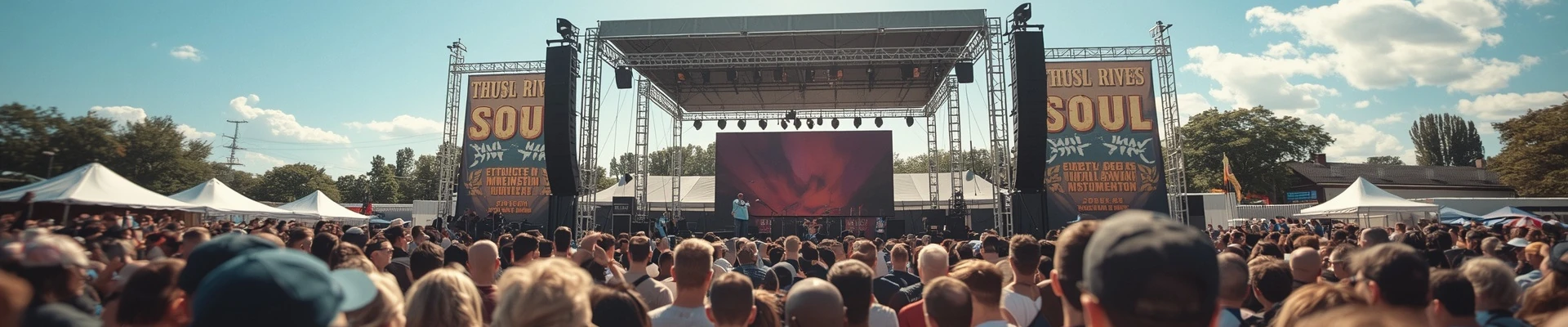
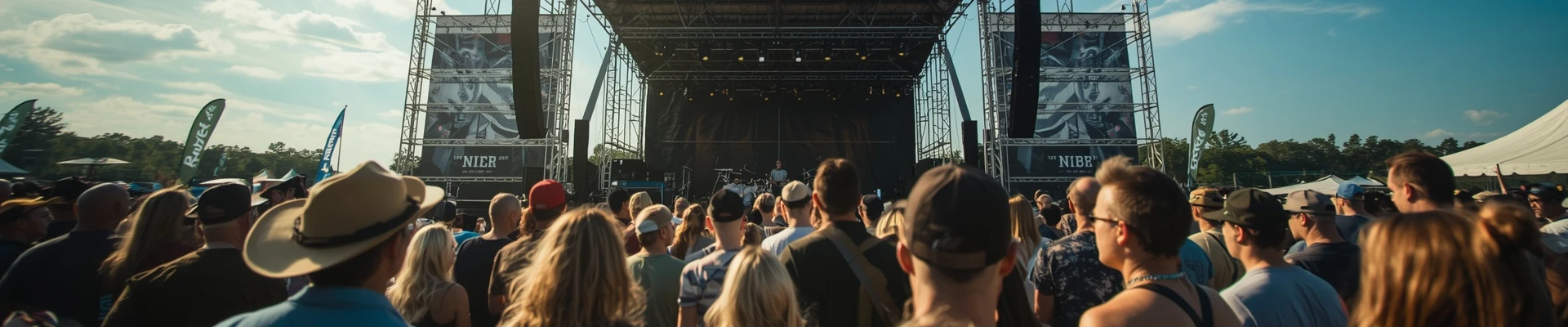
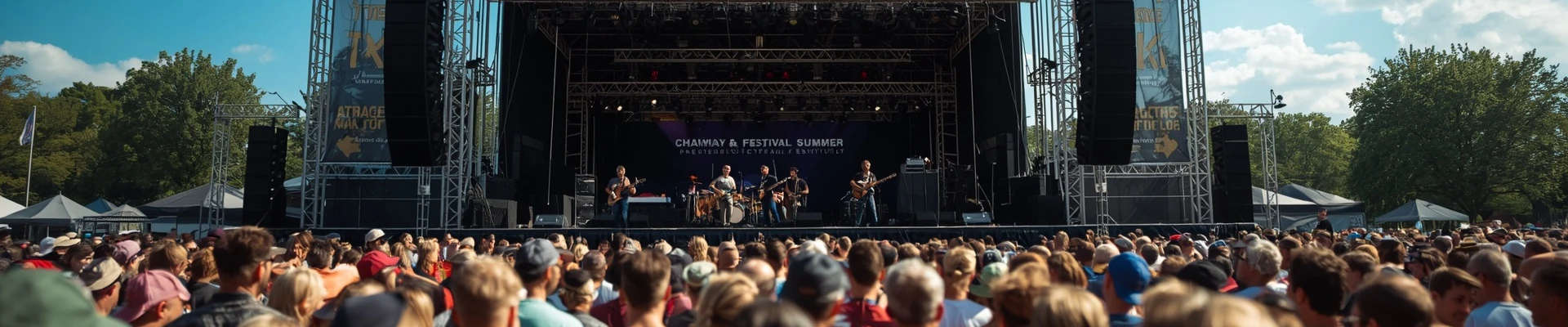
The New Bedford Folk Festival (held for many years in July on the waterfront) drew bluegrass, folk, and Americana acts to the harbour district — a natural venue given the maritime heritage. The Whaling City Sound festival and other summer programming on the New Bedford waterfront bring outdoor concerts to the harbour. The Cape Verdean Independence Day celebrations (June 5) bring community music, dance, and cultural events to the Cape Verdean cultural centres and public spaces.
The AHA! New Bedford (Art, History & Architecture) series — monthly late-night cultural events in the downtown district — programs live music alongside art openings and museum late nights, helping sustain downtown foot traffic and the arts scene's connection to the broader public.
What Ties It All Together
New Bedford is a city that carries more history per square foot than almost anywhere in America — and its music reflects that weight. The morna drifting from a Cape Verdean cultural hall on a grey November evening, the fado singer at the Portuguese feast, the sea shanty tradition embedded in the waterfront's bones, the punk band in a converted mill — these are not separate scenes running in parallel isolation but overlapping expressions of a working port city that has always absorbed the world's traffic and remade it into something local. The Wampanoag land, the Quaker abolitionist tradition, the Azorean whaling recruits, the Cape Verdean diaspora, the textile-mill collapse, the fishing fleet that still goes out — New Bedford's music is inseparable from its layered, oceanic, unresolved history, and the city's stubbornness about its own identity has produced a culture that resists easy categorisation and repays serious attention.