
Reno is Nevada's second-largest city, sitting at roughly 1,374 metres (4,505 feet) above sea level on the Truckee River at the base of the Sierra Nevada in western Nevada, 22 miles northeast of Lake Tahoe and about 350 miles north of Las Vegas. With a city population around 264,000 and a greater Reno–Sparks–Fernley metropolitan area approaching 500,000, Reno is far smaller than Las Vegas but occupies a strategically distinct cultural position: it is the historic gateway between California and the Great Basin, a university town (home to the University of Nevada, Reno, founded 1874), and a city whose music, arts, and nightlife have diversified dramatically beyond the casino economy that defined the 20th century. The Washoe Valley, the Virginia Range, the desert basin to the east, and the Sierra snowpack to the west give Reno a landscape of stark contrasts — neon and sagebrush, slot machines and ski resorts, punk clubs and world-class gallery spaces.
A brief history
The Reno area was Northern Paiute territory — the Truckee Meadows were a seasonal hunting and gathering ground long before European-American settlers arrived. The town of Reno was founded in 1868 as a railroad town when the Central Pacific Railroad crossed the Truckee River; it was named after Union General Jesse Lee Reno, killed at the Battle of South Mountain in 1862. Reno grew quickly as a supply hub for the Comstock Lode silver mining district in Virginia City. Its fame as the "Divorce Capital of America" came from Nevada's relatively lax residency requirement for divorce (six weeks, later reduced to six months) — through the first half of the 20th century, wealthy Americans flocked to Reno to obtain quick divorces, fuelling the hotel and gaming economy that Nevada legalized statewide in 1931. Casinos like Harrah's, the Eldorado, and the Peppermill built the downtown casino corridor that still defines the city's tourist face.
The University of Nevada, Reno has been a consistent anchor for intellectual and artistic life. The construction of Interstate 80 cemented Reno's role as a logistics and distribution hub between California and the intermountain West. Through the 1990s and 2000s, the casino economy faced increasing competition from Las Vegas expansion and the proliferation of tribal gaming throughout California — Reno's casinos contracted, and the city pivoted toward technology (Tesla's Gigafactory and Google's Nevada data centres both came to the Reno–Sparks corridor), healthcare, logistics, and the arts. The Midtown District emerged in the 2000s and 2010s as the locus of Reno's food, arts, and music culture — independent of the casino corridor, Midtown became a corridor of craft bars, independent venues, galleries, and restaurants that signalled Reno's ambitions beyond gambling.
Music identity
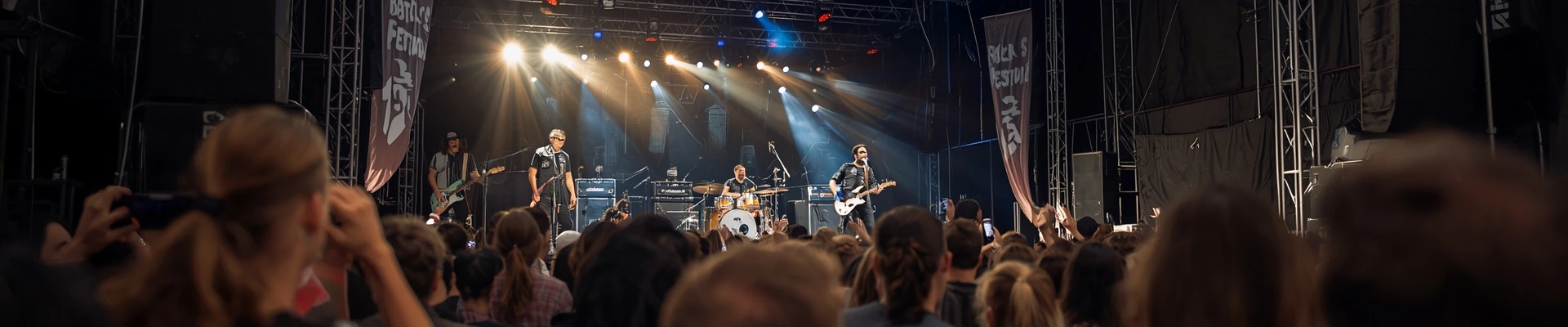
Reno's most internationally consequential musical export is The Distillers — the punk band formed in the late 1990s around Brody Dalle (born in Melbourne, Australia but closely associated with the Reno punk scene through her early years in the United States), whose raw, melodic hardcore sound on albums like Sing Sing Death House (2002) and Coral Fang (2003) made them one of the most acclaimed punk acts of the early 2000s. Reno had a robust hardcore and punk underground through the 1990s and 2000s — the city's position as a college town with cheap rents, proximity to the Bay Area without Bay Area costs, and a youthful population sustained an active DIY scene that produced bands across punk, metal, and indie rock.
Reno's music scene is also deeply shaped by its casino economy. The large resort hotels — Harrah's, the Peppermill, the Eldorado (now part of Caesars), the Grand Sierra Resort — have historically hosted touring acts across country, classic rock, pop, and comedy in their showrooms and entertainment venues. The Grand Sierra Resort's Grand Theatre has hosted major touring acts for decades. This casino-circuit economy created consistent employment for working musicians — cover bands, cocktail-lounge jazz players, dance bands — and gave Reno a professional-musician infrastructure disproportionate to its size.
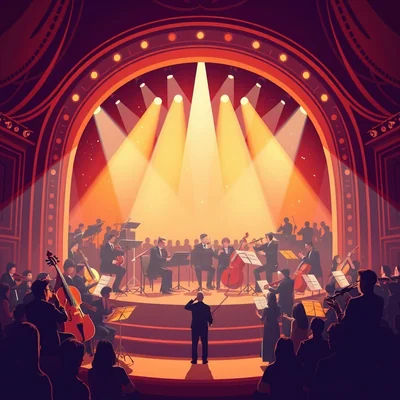
The University of Nevada, Reno has generated student bands across every decade. The city's active alternative country and Americana scenes have produced artists working the California-Nevada touring corridor. Chris Isaak (from nearby Stockton, California, but a constant Reno-circuit presence) represents the broader Northern California and Northern Nevada country-tinged pop tradition. Sage Francis has been associated with the region's hip-hop underground. The Reno Philharmonic (founded 1969) anchors the classical and orchestral programming, and the Nevada Opera programmes at the Pioneer Center for the Performing Arts.
Reno's most unusual cultural influence on music is its proximity to Burning Man — the annual large-scale desert art event held on the Black Rock Desert playa about 120 miles north of Reno. Burning Man has generated an enormous electronic music, ambient, experimental, and avant-garde performance culture in which Reno functions as the staging city: participants buy supplies, fuel, and last-minute gear in Reno before heading to the playa. The Burning Man community has filtered back into Reno's arts scene — electronic music events, experimental performance, and arts installations in the city's gallery and warehouse spaces reflect Burning Man's aesthetic. The Generator (a makerspace and arts complex) in downtown Reno has been a hub for Burning Man-adjacent arts and music production.
The Basque community — Reno and the surrounding northern Nevada region have one of the largest Basque diaspora populations in the United States, descended from sheep ranchers who migrated from the Basque Country of Spain and France beginning in the late 19th century — maintains a distinct cultural presence that includes Basque folk music, dance, and the annual National Basque Festival in nearby Winnemucca and Basque Festival of Reno programming.
Venues and neighborhoods
The Knitting Factory Reno is the anchor of Reno's independent music venue ecosystem — a mid-size (roughly 1,000-capacity) venue in the downtown/Midtown corridor that has been the primary host for national indie, rock, hip-hop, metal, and alternative touring acts. The Cargo (in downtown Reno) was a beloved independent venue known for indie and alternative programming before its closure; the Pioneer Underground and Ole Bridge Pub anchor the smaller club layer for local and regional acts. The Whitney Peak Hotel — a boutique hotel in downtown Reno that is alcohol-free and adventure-sports-themed, with a world-record climbing wall on its exterior face — hosts live music programming. Bricks and the Holland Project (a youth-oriented all-ages arts and music space) sustain the DIY and underground layers.
The Pioneer Center for the Performing Arts is Reno's primary classical venue, home to the Reno Philharmonic and Nevada Opera. The Reno Events Center (the 7,000-capacity arena adjacent to the Sparks Convention Center) hosts larger touring acts. The Grand Sierra Resort grand theatre hosts major casino-circuit touring shows.
The Midtown District — along South Virginia Street between downtown and the University of Nevada campus — is Reno's arts and music corridor. Independent bars, craft breweries, galleries, vintage shops, and small music venues cluster along Midtown, and it is the primary locus of Reno's non-casino nightlife. Downtown Reno remains the casino and tourist centre, with the Riverwalk District along the Truckee River anchoring outdoor performance and festival programming. The University District around the UNR campus sustains student-oriented music and arts events.
Festivals and signature events
Reno's festival calendar is eclectic and surprisingly large for its population. Artown — the month-long July arts festival that fills parks, plazas, and venues across the city with daily music, dance, visual arts, and performance events — is the city's most important cultural institution and one of the largest urban arts festivals in the United States by event count. Artown has been running since 1996 and draws hundreds of thousands of participants. The Great Italian Festival, the National Championship Air Races (held in nearby Stead), and Hot August Nights (the annual classic car and rock-and-roll nostalgia event that takes over downtown Reno each August, with live music across multiple stages) are major summer draws.
Street Vibrations (the spring and fall motorcycle rallies with live music across multiple Reno venues) and the Reno River Festival (kayaking and outdoor programming along the Truckee) bring outdoor and action-sports communities into the music calendar. The University of Nevada programmes the Nightingale Concert Hall series for classical and chamber music. Nevada Barr's Reno-adjacent writing community has sustained a literary and arts festival tradition. The Holland Project programmes all-ages punk, DIY, and experimental events year-round.
Burning Man — while not technically in Reno — is the city's most internationally famous cultural export by association, and the pre-event week in Reno each August generates an enormous influx of artists, musicians, and performers whose presence shapes the city's music programming during that window.
What ties it all together
Reno's musical character is shaped by three forces pulling in different directions at once: the casino economy that sustained professional musicians in showroom bands and lounge jazz for a century; the university and DIY punk underground that produced The Distillers and a consistent alternative music scene on cheap rents and youthful energy; and the Burning Man gravitational field that has pulled experimental electronic music, performance art, and avant-garde culture through the city for three decades. Midtown has become the synthesis — a corridor where craft-beer culture, independent venues like the Knitting Factory, gallery spaces influenced by Burning Man aesthetics, and a student-adjacent community have built something that feels distinctly Reno: unpretentious, desert-hardened, a little rough, surprisingly cosmopolitan, and deeply its own thing. The Biggest Little City in the World is earning that title in new ways.