
Manchester is the largest city in New Hampshire and the largest city in all of New England north of Boston, with roughly 110,000 residents within the city limits. It sits along the west bank of the Merrimack River, about 80 km north of Boston and 70 km south of Concord (the state capital). The city's geographic anchor is Amoskeag Falls — a natural waterfall on the Merrimack that drew the founders of the Amoskeag Manufacturing Company in the early 19th century and gave Manchester its economic identity for more than a hundred years. Today the city's population is roughly 20% Hispanic (predominantly Puerto Rican and Dominican), 12% Black (including a substantial African immigrant community from Somalia, Sudan, and the Democratic Republic of Congo), and 6% Asian (including Vietnamese and Cambodian communities), making Manchester one of the most diverse small cities in New England. The local economy is anchored by healthcare (Elliot Health System, Catholic Medical Center), education (Southern New Hampshire University, which has grown from a small college to one of the largest online universities in the world), technology and defense contracting, and a retail and service sector that stretches across the Merrimack Valley.
A brief history
The falls at Amoskeag had been a major fishing and meeting site for the Pennacook (Merrimack) people for thousands of years before European contact. English colonists settled the area by the early 18th century, and the town of Derryfield was established in 1751. The transformative event in Manchester's history came in 1810–1830 when the Amoskeag Manufacturing Company — backed by Boston capital and drawing on the water power of Amoskeag Falls — built what became the largest textile mill complex in the world. The mills stretched more than a mile along the Merrimack's eastern bank; at their peak they employed roughly 17,000 workers and produced 50 miles of cloth per day. The city was renamed Manchester in 1810, directly after Manchester, England — then the world's leading textile city — in deliberate acknowledgment of industrial ambition. The mill complex drew waves of immigrant labor: Irish (fleeing the famine of the 1840s), French-Canadian (the dominant demographic group through the early 20th century, giving the city a lasting Québécois Catholic cultural identity), Greek, Polish, Swedish, Lithuanian, and later Puerto Rican and Southeast Asian communities.
The Amoskeag mills closed in 1936, devastating the local economy and leaving more than 17,000 workers jobless in the middle of the Great Depression. The massive brick mill buildings — stretching along the river in a cohesive complex now designated a National Historic Landmark — were gradually repurposed through the mid-20th century into light manufacturing, warehousing, and eventually the Millyard, a mixed-use district of tech companies, restaurants, galleries, and loft apartments. Manchester's downtown has undergone steady revitalization since the 1990s, anchored by the construction of the Verizon Wireless Arena (now the SNHU Arena) in 2001, which gave the city a major entertainment infrastructure capable of drawing national touring acts.
Music identity
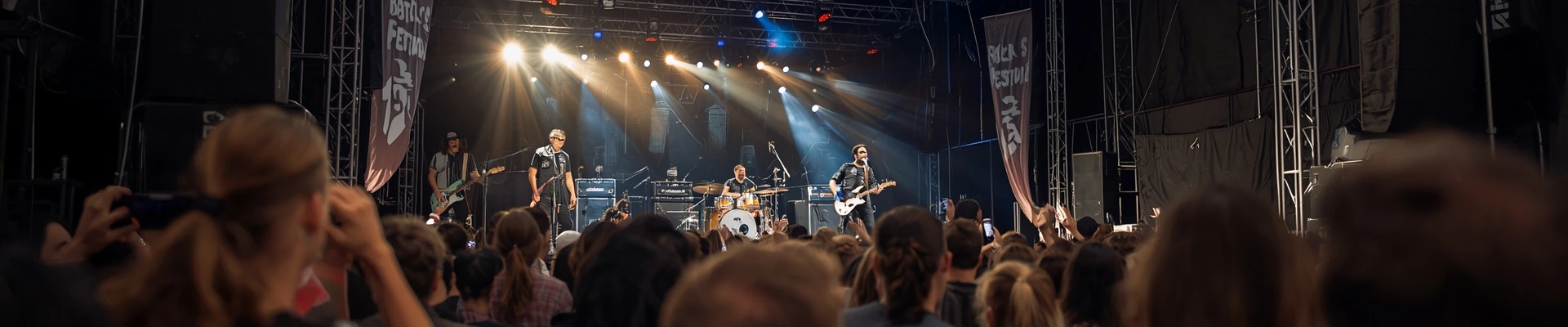
Manchester's most internationally consequential musical contribution is less about a single iconic genre than about the New England mill-town punk and metal underground — a tradition of working-class hard music born from industrial grit, Catholic immigrant culture, and geographic semi-isolation between Boston and the North Country. The city's punk scene began in earnest in the late 1970s and 1980s, when venues like the Silver Street Tavern and The Yard gave local bands a foothold. Through the 1990s the scene expanded into metal, hardcore, and alternative rock, feeding and drawing from the broader Boston-area underground while maintaining a distinct identity rooted in mill-town pride and DIY ethic.
Iced Earth is one of the most internationally famous heavy metal acts with New Hampshire roots — the band's founder Jon Schaffer is from the greater Manchester area. Cradle of Filth has performed at Manchester venues multiple times, and the city has been a reliable stop on extreme metal touring circuits. As I Lay Dying, Hatebreed, and other major metalcore acts have roots in New England and have maintained strong Manchester fan bases. The local hardcore and punk scene has produced dozens of regional acts across its decades, with Dali's Llama and a rotating cast of underground bands maintaining active local scenes.
Beyond hard music, Manchester has a diverse music ecosystem fed by its immigrant communities. The city's Puerto Rican and Dominican communities sustain a thriving salsa, merengue, bachata, and reggaeton scene — Club 313 and Latin nights at downtown bars keep the tradition alive. The Somali and Sudanese communities (Manchester has one of the larger Somali communities in New England) sustain East African music traditions and Afrobeat-adjacent scenes. The French-Canadian heritage — while diminished from its 20th-century dominance — still surfaces in folk and traditional music at cultural events. The Vietnamese and Cambodian communities sustain karaoke and Vietnamese pop circuits.
Country and Americana have a real presence, fed by the rural New Hampshire identity that surrounds the city — Manchester functions as a regional service city for a largely rural state, and country programming at bars and the Granite State Fair draws from a wide geographic area.
Southern New Hampshire University's music programs, expanding enrollment (now more than 100,000 online students and a growing campus), and arts programming have added new life to the city's cultural scene since the 2010s, with student-driven events and the SNHU Penmen athletics program bringing energy to the arena district.
Notable artists with Manchester or southern New Hampshire connections include Adam Schlesinger (of Fountains of Wayne and Ivy, the New York-based power pop duo with deep New England roots), Chris Trapper (the Boston-area folk-pop singer-songwriter who has been a consistent Manchester performer), and a wide range of regional roots and indie rock acts who use Manchester as a northeastern touring stop.
Venues and neighborhoods
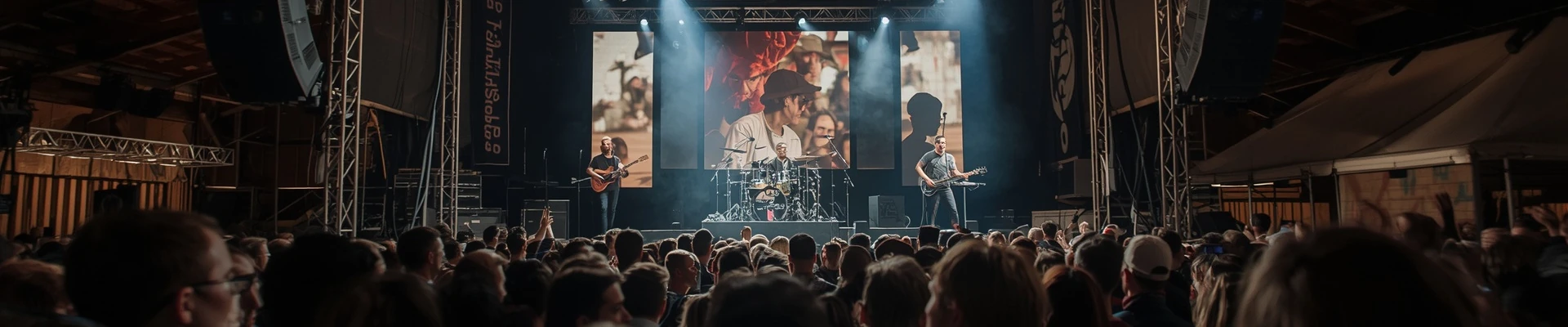
The dominant venue is SNHU Arena (formerly the Verizon Wireless Arena) — an 11,000-capacity arena opened in 2001 in downtown Manchester that has hosted U2, The Rolling Stones, Taylor Swift, Carrie Underwood, Dave Matthews Band, Tool, Metallica, Lady Gaga, Drake, and virtually every major touring artist who routes through northern New England. It is the largest indoor venue between Boston and Montreal and anchors Manchester's identity as a regional entertainment hub.
Below the arena sits a mid-size and club tier. The Rex Theatre — a 525-capacity rock and roots venue in the Palace Theatre building — is the most important small listening room in Manchester, programming indie, folk, Americana, blues, and roots acts. The Palace Theatre itself (1,150 seats) programs touring comedy, theatrical productions, and the occasional music act. Millyard Brewery has hosted acoustic and small-band events. Strange Brew (a music-friendly bar and live venue on Elm Street) anchors the downtown indie and rock circuit. The Shaskeen (an Irish pub on Elm Street) programs folk, traditional, and roots acts. Club 313 and other downtown bars carry the Latin, hip-hop, and dance circuits.
The Millyard district — the repurposed Amoskeag mill complex along the Merrimack — is Manchester's cultural soul. Brick-walled loft spaces, the SEE Science Center, restaurants, breweries, and the Amoskeag Fishways (where you can watch Atlantic salmon on their fall run) anchor a revitalized neighborhood. Elm Street through downtown Manchester is the entertainment spine — bars, restaurants, venues, and the arena all cluster within a few blocks. The West Side (across the river) carries Hispanic cultural institutions and community centers. The South End carries older working-class neighborhoods and smaller bars. Beech Street and the North End carry French-Canadian cultural institutions from the mill era.
Festivals and signature events
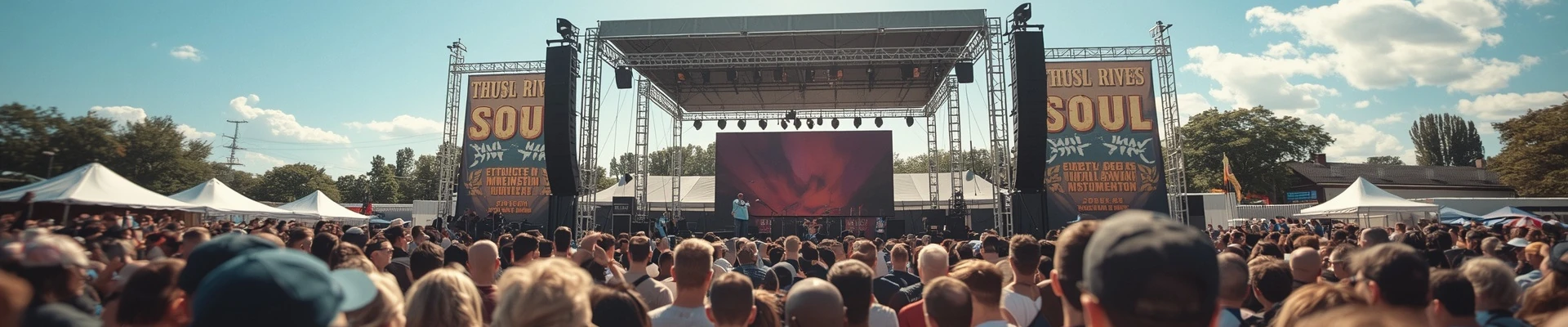
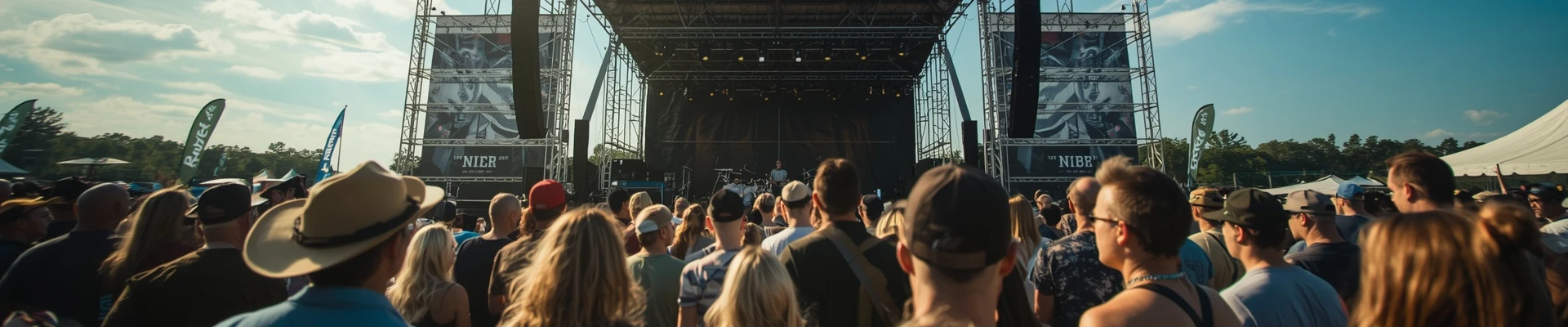
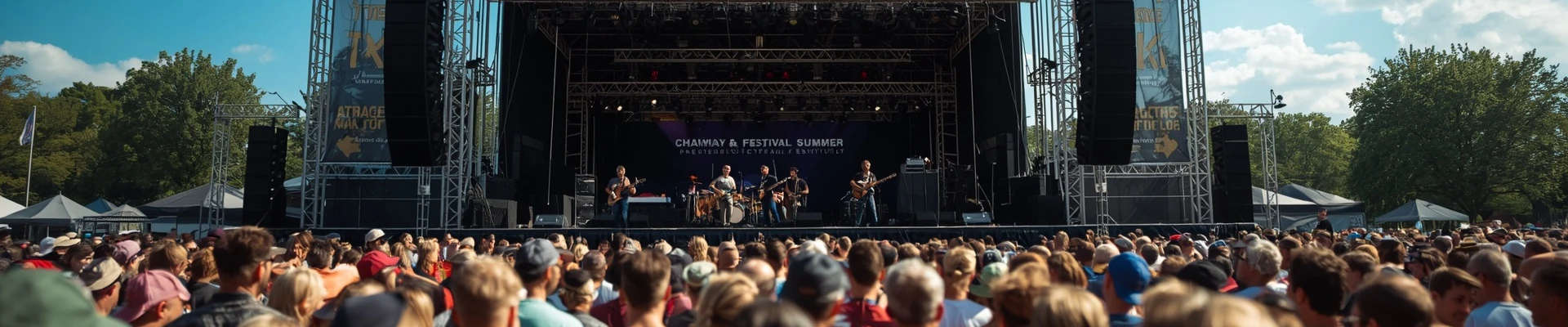
The Manchester Jazz Festival (held on Elm Street through the downtown core) is the city's signature annual free music festival, drawing jazz, blues, and soul acts to outdoor stages on a weekend in summer. The Great New Hampshire Brewfest programs local breweries and live music. The Granite State Fair (held at the fairgrounds in the late summer) carries country, classic rock, and regional acts to its amphitheatre stage. The New Hampshire Motor Speedway in Loudon (about 35 km north of Manchester) draws massive country and classic rock programming around its NASCAR race weekends — Dierks Bentley, Blake Shelton, and Rascal Flatts have all played the speedway, and Manchester functions as the nearest major city hub. Amoskeag Millyard's Riverfest connects summer outdoor events to the city's waterfront. Snowcoming (the winter festival) programs live music in the Millyard district.
The New Hampshire Fisher Cats — the Double-A affiliate of the Toronto Blue Jays, playing at Delta Dental Stadium in downtown Manchester — program post-game concerts through the summer, a reliable mid-size outdoor entertainment circuit that has become part of the city's seasonal music calendar.
What ties it all together
Manchester, New Hampshire is the Queen City of the North Country — a former mill powerhouse whose industrial soul never fully left, even as the looms went dark in 1936. That grit seeded a punk and metal underground that has produced some of New England's fiercer rock music; the Merrimack Valley DIY ethic runs through decades of hardcore, metal, and indie scenes that have pushed bands from basement shows to the SNHU Arena floor. The arena itself — northern New England's largest — means that Manchester is where touring artists from Taylor Swift to Metallica to Drake stop when they want the New Hampshire market, making the city a genuine regional entertainment capital rather than merely a Boston satellite. The immigrant communities — French-Canadian, Puerto Rican, Somali, Vietnamese — have laid distinct musical traditions across the city's neighborhoods, sustaining scenes that rarely make national press but run deep. Manchester is small enough to feel like a city where music matters personally, and large enough to draw the world when it passes through.