
The Town That Grew Up Fast
Cary sits in western Wake County, a few miles southwest of Raleigh and squarely inside the Research Triangle — the three-point metro formed by Raleigh, Durham, and Chapel Hill. When the Research Triangle Park opened in 1959, Cary was a quiet tobacco-farming community of a few thousand people. By the 1980s it was one of the fastest-growing municipalities in the United States, fed by a sustained flood of engineers, scientists, and executives relocating to work at IBM, Cisco, SAS Institute, and the dozens of pharmaceutical companies that planted flags in the Triangle. The growth never stopped: Cary's population crossed 100,000 in the early 2000s, kept climbing past 160,000, and is still accelerating.
The city's satirical nickname — Containment Area for Relocated Yankees — has become a term of mild affection rather than a put-down. The demographic reality behind it explains a lot about Cary's cultural character: it is a town of highly educated transplants, dual-income households, and people who brought their music tastes from Boston, New York, Cleveland, and the Bay Area. That cross-pollination, combined with proximity to three major research universities, gives the Triangle an unusually sophisticated audience for live music — and Cary, as the affluent western anchor of the metro, holds the region's largest dedicated outdoor concert venue.
Koka Booth Amphitheatre: The Triangle's Outdoor Stage
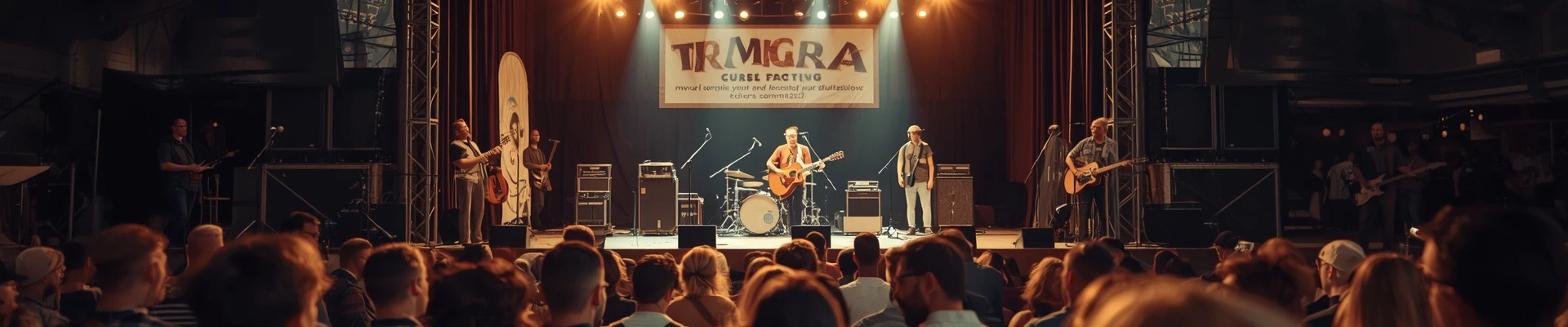
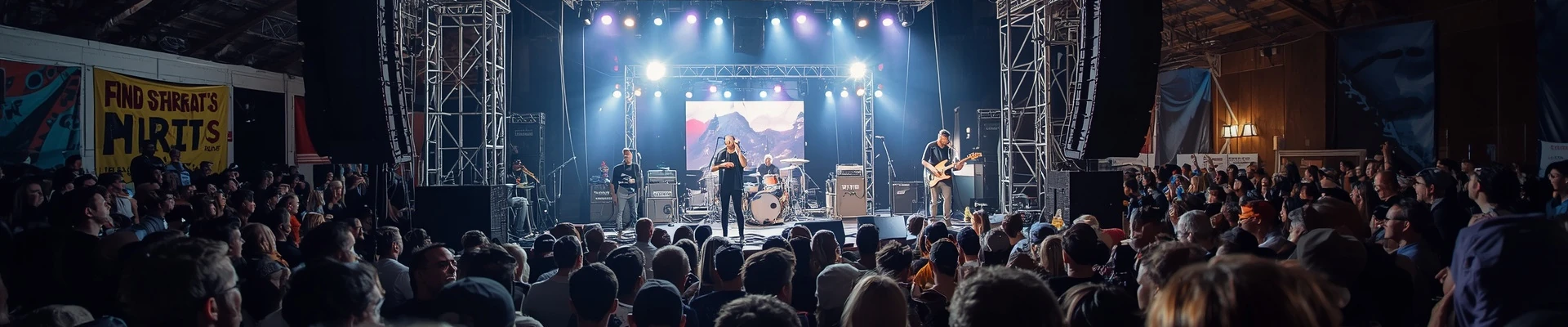
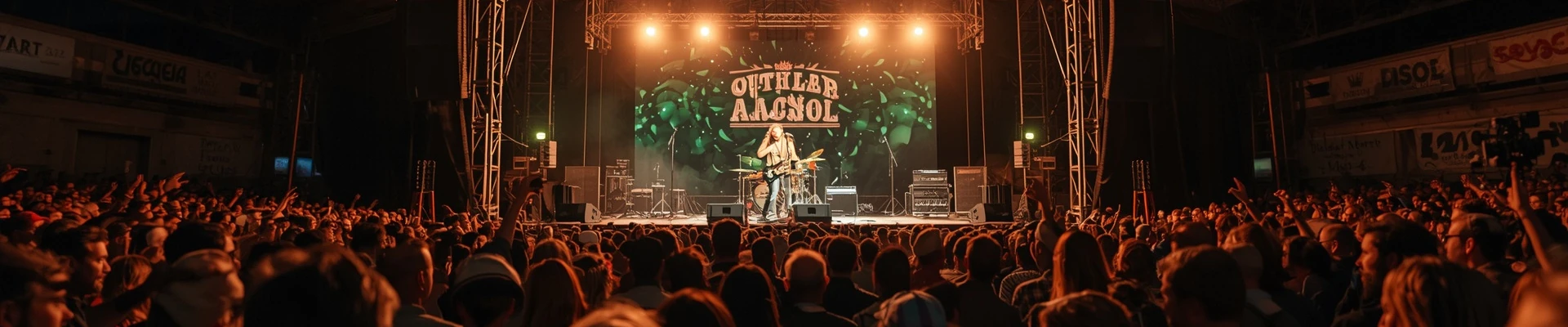
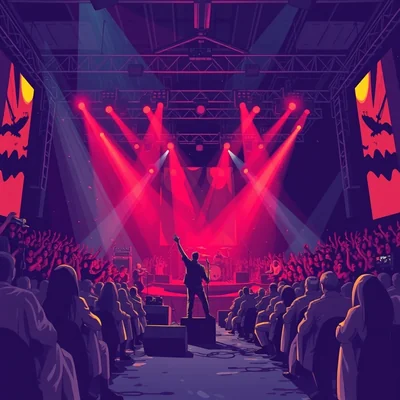
Koka Booth Amphitheatre at Regency Park is Cary's defining music infrastructure. Opened in 2001 and expanded in subsequent years to a capacity of roughly 7,000 reserved seats plus lawn, Koka Booth hosts the full spectrum of touring acts that play the mid-Atlantic suburban circuit — country stars, summer pop tours, R&B legends, orchestral pops nights, and tribute acts. The amphitheatre backs up to a 160-acre lake and wetland park, giving it one of the more picturesque settings of any mid-capacity shed in the South. On summer weekends the lawn fills with Triangle families who have made it a seasonal ritual.
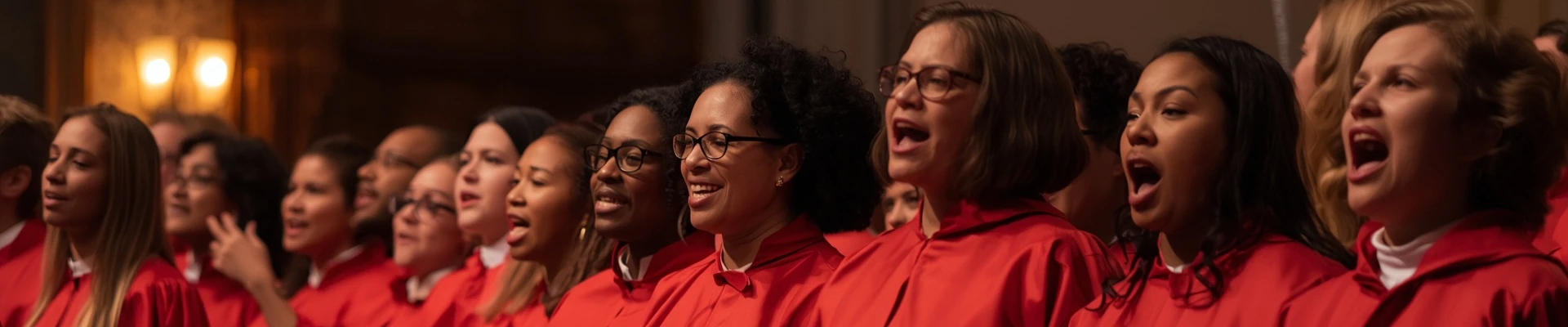
The North Carolina Symphony performs its outdoor Summerfest season at Koka Booth, bringing classical programming to an audience that might otherwise not make the trip into downtown Raleigh. The venue's calendar also features jazz nights, Latin pop touring packages, and the occasional EDM production. For Cary residents, Koka Booth is the town's central cultural gathering point — the place where the community's collective musical identity takes its most visible shape.
Cary Arts Center and the Indoor Scene
The Cary Arts Center — housed in a renovated historic building downtown — operates a 400-seat theater, visual arts studios, and a ceramics lab. Its performance calendar leans toward chamber music, acoustic singer-songwriter, and community theater, but it also hosts visiting folk, bluegrass, and world music acts. The center is managed by the Town of Cary and is frequently cited in regional quality-of-life surveys as a reason people choose to stay.
Smaller live music spills through the town's mixed-use corridors. The Waverly Place and Preston Corners districts host bars and restaurants with regular live acoustic and small-band bookings. Cary's suburban geography means it never developed the dense club strip that anchors downtown Raleigh or Chapel Hill, but the food-and-beverage scene has matured enough to support steady weeknight and weekend programming. Town-operated Lazy Daze Arts and Crafts Festival — held annually on the grounds of the Cary Town Hall plaza — integrates live music across multiple stages as a free community event drawing 60,000–80,000 attendees.
The Triangle's Music Ecosystem
Understanding Cary's place in music requires understanding that the Research Triangle functions as a single music market. Cary residents routinely drive twelve minutes to see shows at Lincoln Theatre in Raleigh, fifteen minutes to Red Hat Amphitheater (10,000 capacity), or thirty minutes to the legendary Cat's Cradle in Carrboro — one of the most storied indie rock clubs in the American Southeast. The Triangle has produced a roster of nationally significant artists, and while many are identified with neighboring cities, their roots run through the entire metro.
Ben Folds grew up in Winston-Salem but spent formative years in the Triangle and developed much of his musical personality in Chapel Hill's 1990s scene. The sardonic piano-pop of Ben Folds Five — particularly the albums Whatever and Ever Amen (1997) and The Unauthorized Biography of Reinhold Messner (1999) — drew directly from the intellectual irreverence and literary confidence that the Triangle's university culture cultivates. James Taylor was raised in Chapel Hill and carries that Carolina geography through songs like "Carolina in My Mind" with an authenticity no amount of relocation could erase.
Raleigh's hip-hop contribution is substantial. Petey Pablo — born in Enfield, NC and raised partly in the Triangle — scored a 2001 national hit with "Raise Up," a Southern rap anthem that name-checked North Carolina with explicit regional pride. Rapsody (born Marlanna Evans in Snow Hill, NC) came through the Triangle hip-hop community, developed under the mentorship of producer 9th Wonder — a Durham native — and emerged as one of the most critically acclaimed lyricists in contemporary hip-hop. Her albums Laila's Wisdom (2017) and Eve (2019) placed her alongside Kendrick Lamar, J. Cole, and Kendrick's collaborators in critical esteem. 9th Wonder himself, born Patrick Douthit in Burlington, NC, built his production career at North Carolina Central University in Durham and became one of the defining beatmakers of the 2000s and 2010s, working with Jay-Z, Destiny's Child, Erykah Badu, and Kendrick.
J. Cole — Fayetteville-born but Raleigh-shaped — enrolled at St. John's University in New York but kept the Triangle as his creative and emotional center. His label Dreamville Records is headquartered in Raleigh, and the annual Dreamville Festival — held at Dorothea Dix Park in Raleigh — has become one of the most important hip-hop festivals in the Southeast, drawing 40,000+ attendees and headliners from across hip-hop's current landscape. The festival puts Raleigh on the national hip-hop map in a way that radiates directly through the Cary suburban ring.
Bluegrass, Folk, and the Southern String Tradition
The Triangle's proximity to the North Carolina Piedmont and mountain traditions keeps acoustic string music visible in ways that feel organic rather than nostalgic. The IBMA World of Bluegrass — the International Bluegrass Music Association's annual convention and festival — was held in Raleigh for years (and returned after a stint in Nashville), bringing thousands of pickers, fans, and industry professionals into the metro. Workshops, jams, and official stages spread through downtown Raleigh hotels and the Raleigh Convention Center, with overflow spilling into neighboring towns.
Cary's own acoustic scene is quiet but real — the Frog and Fries and similar neighborhood bars have hosted bluegrass and old-time jams for years. The regional infrastructure of fiddle clubs, dulcimer societies, and clogging groups that operate through the Wake County Parks and Recreation system gives acoustic music a social fabric beyond commercial venues. The Shakori Hills GrassRoots Festival in Pittsboro — 45 minutes west of Cary — is a multi-day camping festival blending roots, folk, global, and Americana that draws heavily from the Triangle's university and arts communities.
Demographics and Cultural Diversity
Cary's growth has made it one of North Carolina's most ethnically diverse cities. The South Asian population — particularly Indian-American families concentrated in neighborhoods like Regency Park, Preston, and Carpenter Village — has grown large enough to support a robust cultural infrastructure: Indian grocery stores, restaurants, and cultural organizations that host classical Carnatic and Hindustani performances, Bollywood dance recitals, and Diwali celebrations with live music. The Korean, Chinese, and Southeast Asian communities add further layers of cultural programming.
This diversity shows up in the live music ecosystem through the International Festival of Raleigh, held annually at Dix Park, which features dance troupes, folk ensembles, and stage acts from dozens of represented nations. Cary families are heavily involved. The Cary Chinese School and similar community organizations frequently present traditional music performances. For a suburban town, Cary's demographic density has produced a world music presence that would have been difficult to predict from its 1970s tobacco-town origins.
Local Studios and the Creative Infrastructure
The Triangle's recording infrastructure is concentrated in Raleigh, Durham, and Chapel Hill, but Cary feeds it with talent and geography. O2 Music Studios in Cary has served as a rehearsal and tracking facility for regional acts. The broader Triangle ecosystem includes Manifold Recording in Pittsboro (long-running independent studio), Sleepy Town Studios in Raleigh, and the facilities associated with UNC and NC State — university programs in music technology and audio production that generate a steady pipeline of producers, engineers, and performers.
9th Wonder has run beatmaking workshops in connection with Triangle institutions, and the Dreamville creative community has informally served as a graduate program for Raleigh-area hip-hop talent. The presence of SAS Institute's headquarters in Cary has also created a corporate patronage environment that funds arts organizations and live music programs, supplementing what municipal government and university foundations provide.
What Ties It Together
Cary's musical identity is inseparable from its context — it is the well-resourced, well-educated suburban anchor of one of the most musically productive metros in the American South. Its own institutions, led by Koka Booth Amphitheatre, give it genuine weight in the regional touring circuit. Its demographics, blending Southern-born residents with transplants from across the country and world, create an audience sophisticated enough to support everything from orchestral pops to Dreamville-adjacent hip-hop to bluegrass festivals. The Triangle's defining musical contributions — 9th Wonder's beatcraft, Rapsody's literary lyricism, J. Cole's introspective Southern rap, Ben Folds's sardonic piano rock, James Taylor's confessional folk — didn't emerge from Cary directly, but they emerged from the same cultural soil that made Cary what it is: a place where intellectual ambition and Southern groundedness have been fused by decades of deliberate investment in education, research, and community life.