

High Point sits at the southwestern corner of North Carolina's Piedmont Triad, the urban cluster formed with Greensboro (27 km northeast) and Winston-Salem (40 km northwest). With roughly 110,000 residents, it is the fourth-largest city in North Carolina and the dominant municipality in Guilford County's western reaches, spilling also into Forsyth and Randolph counties. Geographically, High Point occupies the gently rolling Piedmont plateau between the Blue Ridge Mountains to the west and the coastal plain to the east — a region shaped by red clay soils, dense deciduous forest, and the headwaters of the Deep River. The city sits at approximately 286 metres above sea level, and its surrounding landscape still carries the patchwork of mill towns, farmland, and mid-century suburban development that characterize the Carolina Piedmont.
High Point is, above all, the Furniture Capital of the World. The biannual High Point Market — held every April and October — is the largest home furnishings trade show on earth, drawing more than 75,000 buyers, designers, and industry professionals from 100-plus countries to roughly 2,000 showrooms spread across 12 million square feet of exhibition space in the city. For ten days twice a year, High Point becomes a temporary global metropolis of the interior design industry. That economic and cultural identity runs deep: the city grew through furniture and textile manufacturing from the late 19th century, and the trade show — which started in 1909 as the Southern Furniture Market — has been the defining engine of local commerce for over a century.
History
The land that became High Point was Saura and Keyauwee territory before European settlement, and the Quaker and German communities of the 18th-century North Carolina Piedmont gradually displaced Indigenous peoples through the mid-1700s. The city's name comes from its position as the highest point on the original North Carolina Railroad line between Goldsboro and Charlotte, completed in 1853. That rail access transformed a crossroads settlement into a manufacturing hub. By the 1880s furniture factories were operating in earnest, and by the early 20th century High Point had become the dominant furniture production centre in the South. The mills and factories drew Black and white workers in a rigidly segregated city, and the Washington Street corridor developed as the heart of High Point's African American community — the church, social, and cultural hub of the city's Black population through the Jim Crow era and beyond.
The Great Migration both brought workers to High Point's factories and drew families out toward Northern cities. The civil rights era saw significant activism: High Point had its own lunch counter sit-ins and community organizing, and the slow desegregation of its schools and public spaces shaped the city's social geography well into the 1970s. Deindustrialization began hitting the furniture and textile sectors in the 1990s and accelerated through the 2000s as manufacturing moved offshore, hollowing out employment in a city built on factory work. The High Point Market remained, sustaining the trade-show economy even as the actual production work declined. The city has been working since the 2010s to diversify — education, healthcare, and distribution — while the downtown has undergone a slow but real revitalization along Main Street.
Music identity
High Point's defining musical contribution to the world is almost singular in its magnitude: John Coltrane grew up here. Born in Hamlet, North Carolina, in 1926, Coltrane moved with his family to High Point in the late 1920s and spent his formative childhood and teenage years in the city. He was raised on Washington Street, attended William Penn High School, and first encountered music through the church and community institutions of High Point's Black neighborhood. He began playing alto saxophone at William Penn in the early 1940s before moving to Philadelphia and then to New York, where he became the most consequential saxophonist in jazz history — reshaping the art form through bebop, hard bop, modal jazz, and the free jazz of A Love Supreme (1965) and beyond. High Point's claim on Coltrane is entirely legitimate: it is the city where he formed as a person and first as a musician, and the city has increasingly embraced that heritage in the decades since his death in 1967. The John Coltrane Home at 118 Underhill Street is a preserved and restored historic site — the house where he lived as a teenager — and it has become a pilgrimage destination for jazz musicians and fans from around the world.
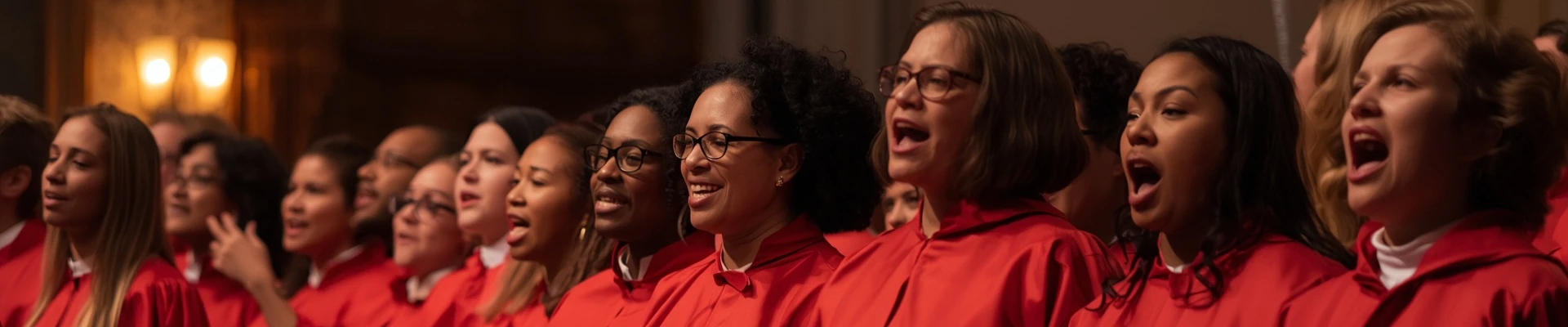
Beyond Coltrane, High Point's music scene is rooted in the traditions of the Black Piedmont South. The gospel tradition is central and deep: the Washington Street corridor churches — First Baptist, Trinity A.M.E. Zion, and others — have sustained choral traditions for over a century, and High Point's gospel scene remains active and community-embedded. Soul, R&B, and later funk and hip-hop grew out of the same Black community networks that produced the church music — the clubs, dances, and community events of Washington Street and the surrounding neighborhoods sustained live music scenes through the mid-20th century even when those scenes went largely undocumented.
Shirley Caesar — the gospel superstar, multiple Grammy winner, and one of the defining voices in American gospel for over six decades — was born in Durham and based her career in Durham/Raleigh, but her work represents the broader Piedmont gospel tradition that High Point shares. The city's music circles have always been more locally embedded than nationally visible, but that community rootedness has made the scene durable.
The Piedmont Triad as a broader region has produced Roberta Flack (Black Mountain, NC origins), James Taylor (Chapel Hill, broader NC), and the country/bluegrass tradition of the western Piedmont. High Point's contribution to that regional tapestry sits at the intersection of jazz, gospel, and working-class R&B — a tradition that doesn't generate household names beyond Coltrane but sustains a continuous local music life.
The folk and roots dimension of High Point's music reflects the Scotch-Irish and Appalachian-influenced musical culture of the surrounding Piedmont — old-time string band traditions, shape-note singing, and a bluegrass and country scene that connects the city to the broader western Carolinas musical world. The immigrant communities that have grown in High Point since the 1990s — particularly the large Latino/Hispanic population (roughly 14% of the city) drawn by furniture factory and service-sector work — have added norteño, cumbia, and Latin pop to the local music mix, with clubs and social venues serving the Spanish-speaking community along Kivett Drive and the eastern commercial corridors.
Venues and neighborhoods
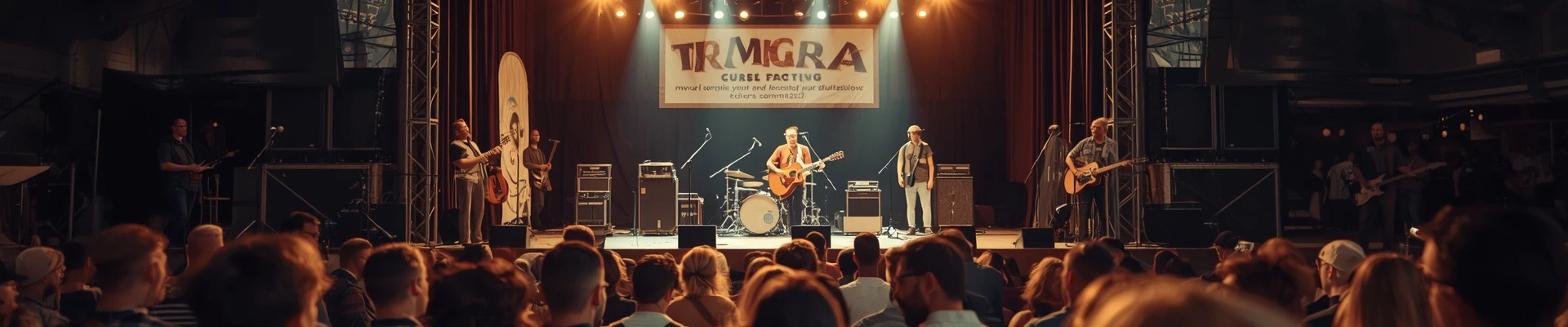
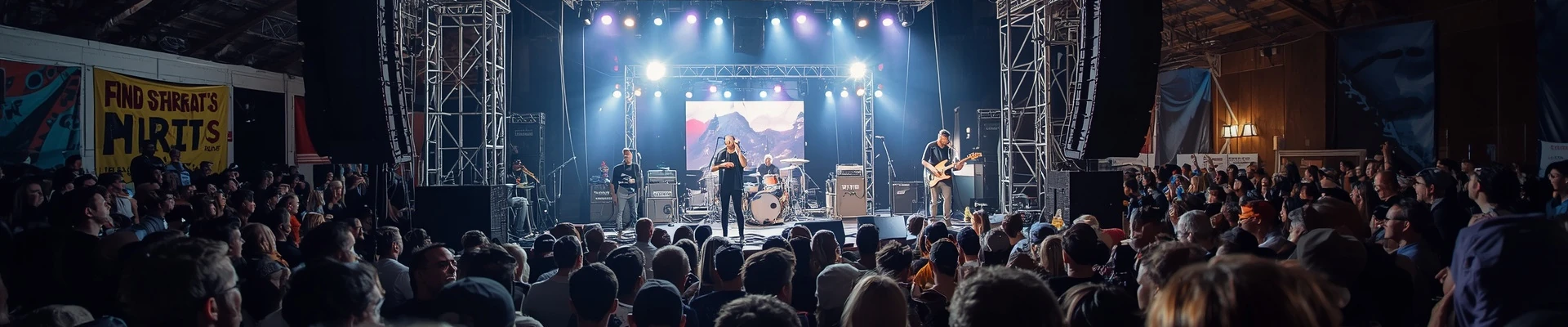
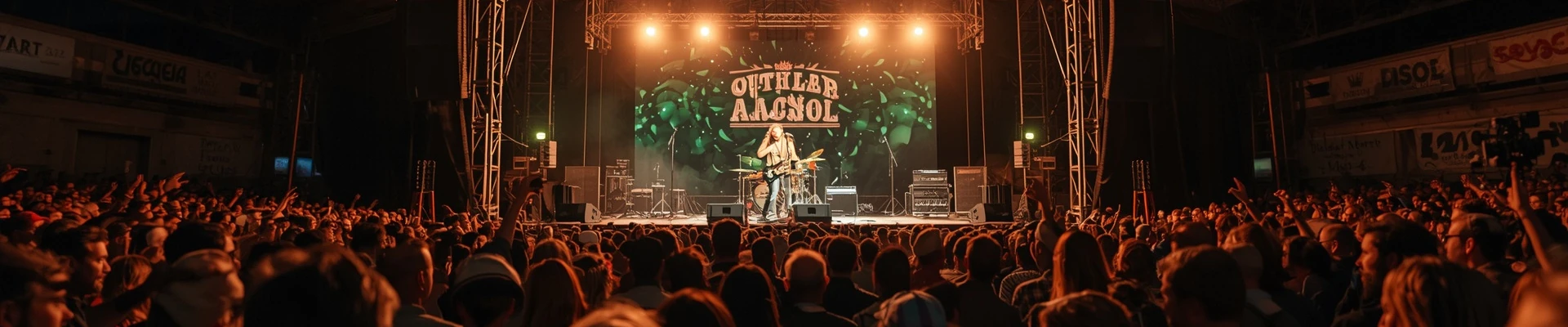
High Point's venue infrastructure is modest relative to nearby Greensboro — the city does not have a major arena — but it has a functional live music ecosystem. Truist Point, the 4,000-seat High Point Rockers baseball stadium, hosts concerts in the off-season and special events year-round, serving as the city's largest dedicated live event space. The Palladium Amphitheatre at Oak Hollow Mall hosts outdoor performances. Downtown along Main Street and Commerce Avenue, a cluster of bars, restaurants, and small clubs serves local and regional touring acts — The Pub on Main, Community Grounds Coffee, and the repurposed industrial buildings of the revitalizing downtown core have become spaces for acoustic, folk, singer-songwriter, and indie programming.
The High Point Theatre is the city's primary presenting venue for performing arts — theatre, touring music, and dance — with roughly 935 seats. The Congdon Yards development, a mixed-use adaptive reuse of a former furniture manufacturing complex, has become a new anchor for arts and community events, including outdoor music programming. The William Penn High School auditorium (where Coltrane performed) and the broader southwest High Point African American community continue to host gospel concerts, church programs, and community events.
Washington Street and the surrounding southwest High Point neighborhoods anchor the Black community's cultural and musical institutions. Northeast High Point has seen growth from the Latino community, with Spanish-language social clubs and events. Downtown High Point is the hub of the emerging arts and entertainment scene. The furniture showroom district — which covers much of western downtown and extends into the warehouse corridors west and south — transforms dramatically during Market weeks into the global center of the home furnishings universe.
Festivals and signature events
The High Point Jazz Festival is the city's signature music event, held annually and honoring the Coltrane legacy with performances by jazz artists from across the region and country. The festival draws music fans and jazz pilgrims to the same city where Coltrane learned to play. Open Streets HP closes downtown streets for a summer day of community celebration, food, local vendors, and live music. The High Point Market itself, while primarily a trade event, brings an enormous influx of wealthy, culturally sophisticated visitors twice a year — and the city programs cultural and entertainment events around the Market to serve that audience. The North Carolina Folk Festival (held in Greensboro but drawing heavily from across the Triad) and the Greensboro Blues Festival are accessible to High Point residents as part of the broader regional cultural calendar. The Arts District of High Point programs gallery walks and First Friday arts events that often incorporate live music. The Christmas in High Point holiday programming brings outdoor concerts and community events to downtown.
The Coltrane Home hosts regular events — concerts, lectures, youth programs — that keep the jazz legacy connected to living musical practice rather than just historic preservation. Local musicians and jazz educators work with the home to bring Coltrane's music to new audiences in the city where he grew up.
The ties that bind
What anchors High Point's music identity, in the end, is the remarkable specificity of its most important contribution and the quiet durability of the traditions that surround it. No city of 110,000 people can reasonably claim to have produced a more consequential artist than John Coltrane — and High Point is the city that shaped him, gave him his first musical community, and sent him out into the world. That legacy does not make High Point a major music market or a destination city for touring acts in the way that Greensboro's Greensboro Coliseum does. But it gives the city a genuine musical soul: a jazz festival organized in the spirit of its most famous son, a gospel tradition rooted in the same Black church world that first gave Coltrane his ear, a working-class R&B and soul scene that has run continuously through the furniture-mill neighborhoods, and a growing Latino and diverse immigrant community adding new sounds to the mix. The Furniture Capital of the World is also, quietly, one of the most musically significant small cities in American history.