
Wilmington is the largest city in North Carolina's Cape Fear region and the seat of New Hanover County, with roughly 116,000 residents inside the city limits and more than 290,000 across the Wilmington metropolitan area. Situated at the confluence of the Cape Fear River and the Brunswick River, the city sits about 129 miles southeast of Raleigh, 78 miles northeast of Myrtle Beach, and roughly 3 miles from the Atlantic Ocean. The waterfront is Wilmington's defining geographical fact — the Port of Wilmington is one of the few deep-water ports on the North Carolina coast, and the river gave the city its reason for being as a colonial trading centre long before tourism, film production, or music made it famous. Today Wilmington operates as a mid-size coastal city with a lively tourism economy, a significant university presence anchored by University of North Carolina Wilmington (UNCW), a thriving film and television production industry based at EUE/Screen Gems Studios, and a music scene that punches several weights above what its population would predict.
A brief history
The Cape Fear region was inhabited by the Cape Fear people and the Waccamaw before European contact. English settlers from South Carolina established a presence on the Cape Fear River in the 1720s, and Wilmington was formally established in 1739, named after Spencer Compton, Earl of Wilmington. The city grew rapidly as the export port for the Cape Fear plantation economy — naval stores (tar, pitch, turpentine), timber, and rice — and by the eve of the American Revolution, Wilmington was one of the wealthiest towns in the North Carolina colony. The city played a role in both the American Revolution and the Civil War; Fort Fisher, at the mouth of the Cape Fear River south of the city, was the last Confederate-held Atlantic port and fell to Union forces in January 1865, effectively sealing the Confederacy's coastal supply lines.
Through the late 19th and early 20th centuries Wilmington was the largest city in North Carolina. The Wilmington coup and massacre of 1898 — in which a white supremacist mob overthrew the city's Fusionist government and expelled Black elected officials, businessmen, and civic leaders — was a catastrophic rupture that cost Wilmington its standing as the state's most populous city and left lasting scars on the city's racial geography. The city's Black community, which had built one of the most prosperous African American neighborhoods in the South in the Brooklyn district, was devastated; the massacre triggered decades of racial segregation that shaped the city's neighborhoods well into the 20th century.
Through the mid-20th century Wilmington's economy was anchored by the port, by textile and chemical manufacturing, and by military facilities including Camp Davis and the nearby Marine Corps Air Station Cherry Point. The Atlantic Coast Line Railroad maintained its corporate headquarters in Wilmington until 1960, when it relocated to Jacksonville, Florida — a significant economic blow. Tourism and the beach economy of Wrightsville Beach, Carolina Beach, and Kure Beach (the barrier islands east of the city) provided a parallel engine. The opening of EUE/Screen Gems Studios in 1984 — on the site of a former Atlantic Coast Line rail yard — transformed Wilmington into one of the largest film and television production markets on the East Coast, earning the city the nickname "Hollywood East" and attracting productions including Dawson's Creek, One Tree Hill, Iron Man 3, Sleepy Hollow, and dozens of others.
Music identity
Wilmington's music scene is defined by the tension between its beach-town informality — the shag dance, the beach music circuit, the surf and punk energy that runs along the coast — and a genuinely serious indie-rock and experimental underground that has produced national acts and sustained a scene of surprising depth for a city its size.
Beach music and shag are the Cape Fear coast's most culturally distinctive musical contribution. The shag — a smooth, six-count swing dance native to the Carolina coast — developed in the beach bars and pavilions of Ocean Drive, South Carolina and Myrtle Beach in the 1940s and 1950s alongside a soundtrack of rhythm-and-blues records from Black artists on regional and national labels. Wilmington sits at the northern edge of the shag belt, and the beach bars of Carolina Beach and Wrightsville Beach sustained the shag culture through generations of summer dances. General Johnson, the Virginia-born soul and beach music songwriter best known for "Traces" (as lead vocalist of The Showmen) and later with Chairman of the Board ("Give Me Just a Little More Time"), recorded in the southern coastal circuit that included Wilmington. The Society of Stranders and allied shag clubs remain active on the Cape Fear coast.
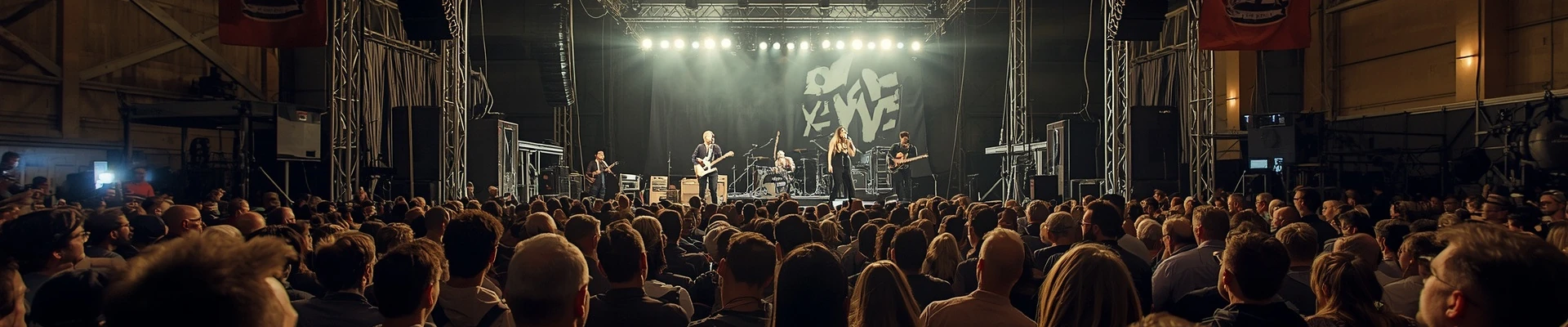
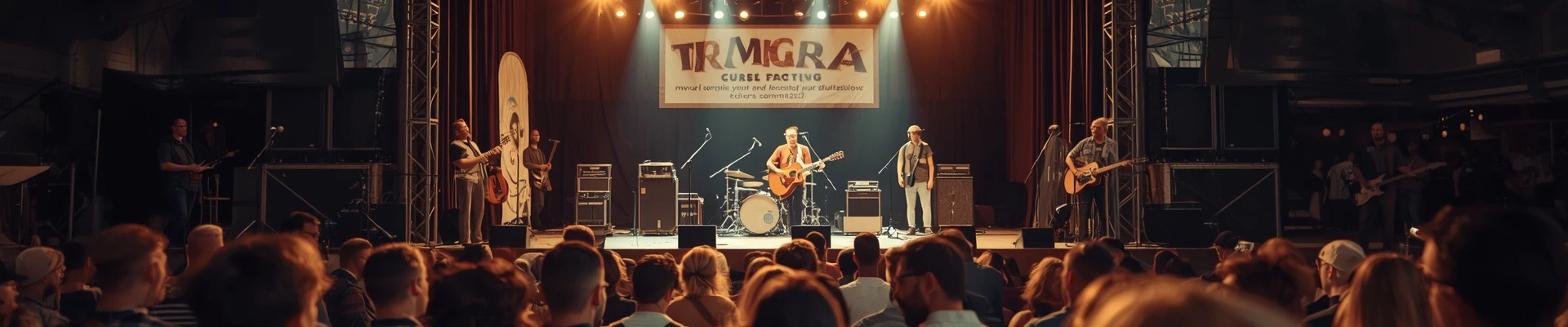
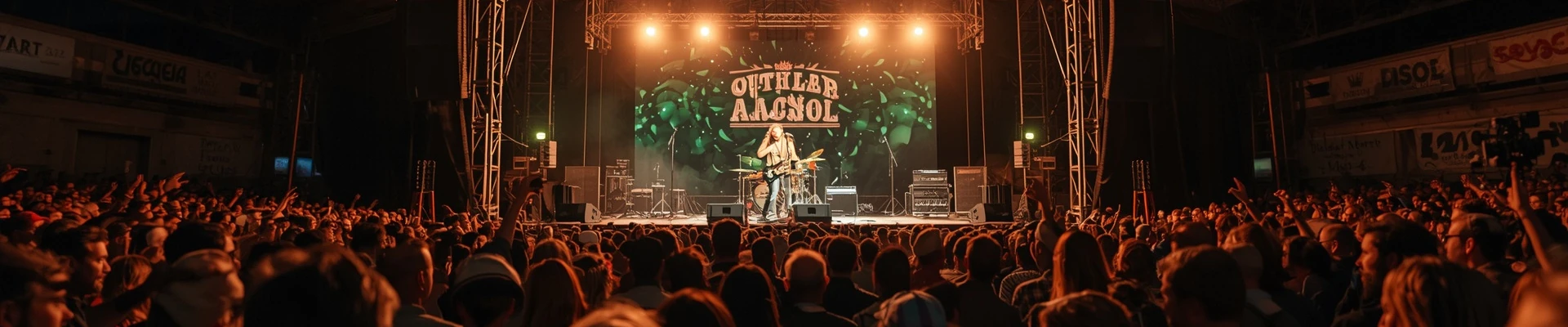
The city's indie rock and alternative scene is anchored by the student and young professional population around UNCW and the Downtown arts corridors. Greenfield Lake Amphitheater — a 7,500-capacity outdoor amphitheater in Greenfield Lake Park on the south side of the city — is Wilmington's flagship live music venue, hosting national touring acts through the spring and summer season. Bourgie Nights (a live music club in the South Front District) is the city's most consistent mid-size indoor rock venue, booking regional and national touring acts. Reggie's 42nd Street Tavern has been a staple of Wilmington's rock-and-roll bar circuit for decades. Palate and The Rusty Nail anchor the craft beer and live music overlap.
Britt Daniel of Spoon was raised in Wilmington and attended New Hanover High School before the band formed in Austin, Texas — a reminder of how the city's coastal suburbs and school system were producing musically serious young people through the 1980s and 1990s. The local indie and punk scenes of the 1990s and 2000s drew on the energy of UNCW's population and the film industry's transient creative community, producing bands across post-rock, emo, and lo-fi. The film production presence has also imported musicians who took up residence in Wilmington for extended productions and stayed — a pattern that quietly expanded the city's musical community across genres.
Hip-hop has deep roots in Wilmington's Black community, particularly in the neighborhoods north and east of Downtown. The city produced Petey Pablo — the rapper born Moses Barrett III in Moyock, North Carolina but raised in Wilmington, whose 2001 single "Raise Up" became a genuine North Carolina anthem, was nominated for a Grammy, and remains a cultural touchstone for the region. Pablo's success brought national attention to the Wilmington hip-hop scene and opened pathways for subsequent artists from the Cape Fear coast.
Country, Americana, and bluegrass run through the surrounding Cape Fear and Pender County communities. The broad tobacco-farming and rural Protestant culture of the North Carolina coastal plain sustains a continuous circuit of country music at honky-tonks, fairgrounds, and church venues in the counties around Wilmington. The city's BlueStar Arts Complex and smaller gallery spaces program folk and Americana alongside visual art. Pine Valley Market has hosted acoustic sessions and listening-room performances.
Gospel and sacred music form the deep root system beneath all of Wilmington's popular music. The historically Black churches of the Brooklyn neighborhood remnant, Northside, and Creekwood communities — including St. Stephen AME Church (one of the oldest Black congregations in North Carolina, founded by formerly enslaved people in the 1860s) — have sustained choral singing, piano traditions, and the full architecture of Black gospel for more than a century.
Venues and neighborhoods
Wilmington's music geography runs from the riverfront Downtown northward through historic neighborhoods and southward along the Cape Fear River toward the beach communities. Downtown Wilmington — anchored by Front Street and the Riverwalk along the Cape Fear — holds the city's greatest density of bars, clubs, and restaurants with live music. The South Front District is emerging as a secondary arts and music corridor with Bourgie Nights as its anchor. The Brooklyn Arts Center (a converted 19th-century church in the Soda Pop District near the historic Black Brooklyn neighborhood) programs an eclectic range of concerts and events in one of the city's most atmospheric spaces. Greenfield Lake Park anchors the city's largest outdoor venue. Wrightsville Beach, Carolina Beach, and Kure Beach maintain their own live music circuits — beach bars, outdoor stages, and seasonal pavilion events that run from Memorial Day through Labor Day.
The UNCW campus in the southern residential corridor programs concerts through student-run organizations and the Randall Library performance series. Thalian Hall — the 1858 city hall and opera house at the corner of Third and Chestnut Streets in Downtown — is one of the oldest continuously operating theatres in the United States and programs classical performance, Broadway touring acts, and community theatre alongside mainstream concerts. The hall is listed on the National Register of Historic Places.
Festivals and signature events
Azalea Festival (April) — Wilmington's largest annual event, a multiday festival centered on the blooming of the city's famous azalea gardens. The festival includes a major outdoor music concert on the riverfront that draws significant national touring acts.
Cucalorus Film Festival (November) — an acclaimed independent film festival that attracts national and international filmmakers to Wilmington and programs a consistent music component, including live performances tied to film screenings and industry events.
Reggae on the River — a warm-weather outdoor reggae festival drawing Caribbean-rooted audiences from across the Cape Fear coast.
Battleship North Carolina events — the decommissioned battleship moored across the Cape Fear River from Downtown Wilmington programs outdoor summer concerts on its deck and grounds.
Beaches Music Festival and related summer beach music events on the barrier islands anchor the shag and beach music calendar through the summer season.
What ties it all together
Wilmington's musical identity is inseparable from water — the Cape Fear River that built the city, the Atlantic Ocean three miles to the east, the long strand of barrier islands where shag culture developed, and the salt air that softens everything. It is a city that has never been able to sustain a single dominant sound precisely because it exists between so many worlds: beach town and port city, historically Black community and historically white coastal plantation economy, film industry town and university town, conservative coastal plain and transient creative class. The indie rock scene, the beach music circuit, Petey Pablo's hip-hop, the choral tradition of St. Stephen AME — these are not competing claims on the same city but parallel truths about a place that has always been more complicated than its sunny riverfront image suggests. The music that comes out of Wilmington tends to be generous, a little weather-beaten, and possessed of a charm that feels earned rather than performed.