

Fargo, North Dakota
Fargo sits on the flat eastern edge of North Dakota at the Red River of the North, the natural state line with Minnesota. The city faces its twin, Moorhead, Minnesota, across the river, and the two together form a metro area of roughly 250,000 — making Fargo-Moorhead one of the more culturally cohesive cross-state communities in the Upper Midwest. The surrounding landscape is among the flattest terrain on the continent, the drained bed of ancient glacial Lake Agassiz, which gives the region its extraordinary agricultural productivity and its notoriously extreme winters. Those winters are not incidental to the music story: isolation, cold, and the sheer distance from any major metro (Minneapolis is four hours south; Bismarck three hours west) have historically pushed Fargo musicians to build the infrastructure they could not import.
Economically Fargo has transformed in recent decades from a regional agricultural service hub into a technology and healthcare corridor. Microsoft, Sanford Health, and NDSU (North Dakota State University) anchor a white-collar workforce that is younger and more culturally engaged than outsiders expect from a North Dakota address. The Bison, NDSU's football team, have won eight FCS national championships since 2011, and the civic confidence that comes with sustained winning has spilled over into other forms of cultural investment, including music.
Music Identity
The genuine Fargo music story belongs to homegrown acts and the infrastructure they built around themselves. Post-punk and art-rock bands incubated at venues like the Aquarium; folk-Americana singers worked the regional touring circuit; and a hip-hop community produced credible voices without the benefit of a label ecosystem or industry proximity.
Haley Bonar, the singer-songwriter who spent formative years in Fargo before relocating to Minneapolis, is one of the more clearly Fargo-adjacent names to gain national attention. Her blend of indie folk and chamber pop — spare guitar, intimate vocals, unexpected harmonic turns — reflects a quality common to the Upper Midwest singer-songwriter tradition. The connection to jazz runs through the college scene; Dave Brubeck performed in the region during his touring prime, and the influence of encountering jazz in an unlikely geography persisted in the NDSU music department for decades.
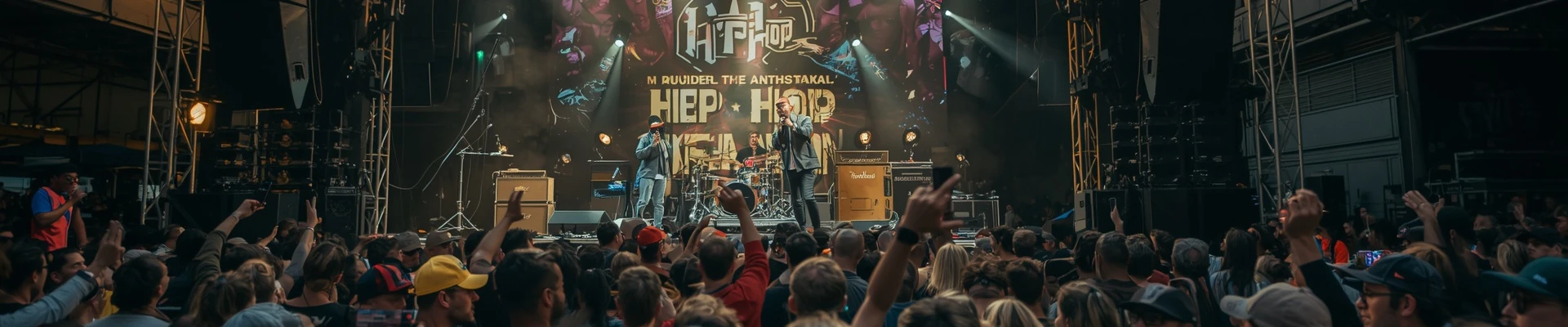
The dominant sounds of the active scene lean toward indie rock, folk-Americana, country, and hip-hop. Local country artists regularly fill the bar-band circuit that stretches from downtown Fargo out into the agricultural towns of the surrounding region. Hip-hop acts including Young Homage and associated collectives from the 701 area code have built regional followings. The experimental and noise communities are small but persistent, centered on house shows and DIY spaces that rotate through the Warehouse District.
Key Labels and Studios
Fargo has never had a major-label infrastructure, but it has developed credible independent recording resources. Manifesto Studios operated as one of the more respected independent tracking rooms in the Upper Midwest, with local engineers building a reputation for guitar-driven rock. Scattershot Studios handled tracking and mixing for several acts that went on to regional distribution. The DIY ethic is strong: a significant proportion of Fargo releases are produced by the artists themselves in converted basement studios, a tradition sustained by the low cost of living relative to coastal cities.
The label ecosystem is thin but functional. Neat Neat Neat Records championed local punk and post-punk through the 2000s and early 2010s. Fargo bands often self-release on Bandcamp and distribute through streaming platforms rather than pursuing traditional label deals — a posture that reflects both the pragmatism of the scene and the difficulty of attracting regional-label attention from Minneapolis-based gatekeepers.
Venues
The Aquarium on Broadway — the long-running all-ages listening room in the heart of downtown — was for many years the anchor of the independent music scene, hosting touring acts from across the country alongside local bands. Its closure and subsequent reinventions are a recurring chapter in Fargo music lore, and the space has operated under multiple names and configurations over the decades. The most consistent current mid-size venue is Sanctuary Events Center, a converted church in downtown Fargo that seats several hundred and has a reputation for excellent acoustics and attentive production.
The Cellar at NDSU has been a student-facing venue since the 1970s, hosting everything from punk and metal to touring acoustic acts, and serves as the first rung on the ladder for many local bands playing their first proper shows.
Dempsey's Brass Rail is the flagship rock bar, a narrow Main Avenue institution with a stage wedged against the back wall and a reputation for booking national touring acts well before they reach arena size. The Hub and Tailgators anchor the rowdier end of the live-music bar spectrum, heavy on tribute bands and cover sets but serving the market that keeps full-time musicians employed.
For larger productions, the Fargodome — the 19,000-capacity domed stadium on the NDSU campus — hosts stadium and arena-level tours when major acts route through the region. The Scheels Arena handles mid-size arena shows in the 5,000–10,000 range.
The concert corridor is concentrated downtown along Broadway and the surrounding blocks of the Warehouse District, where converted industrial buildings have housed galleries, bars, and music venues since the early 2000s urban renewal push.
Festivals and Events
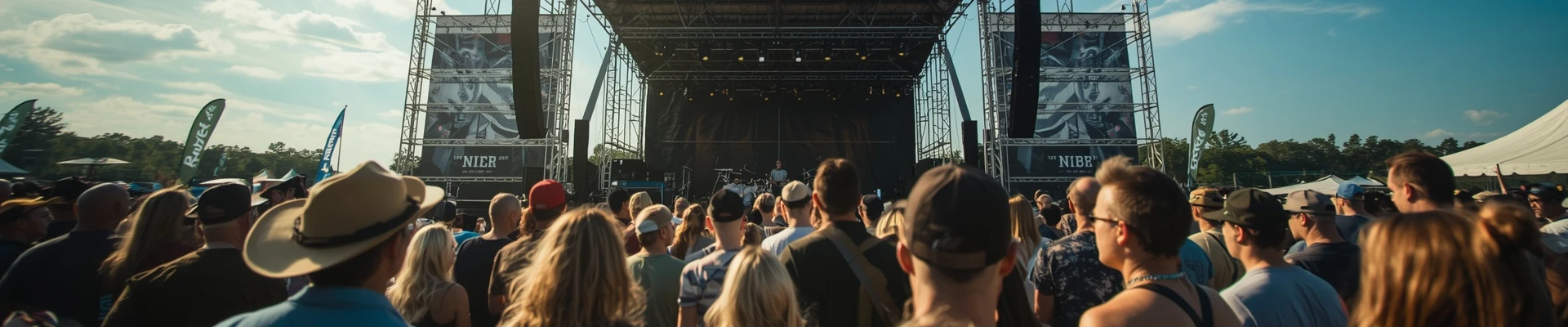
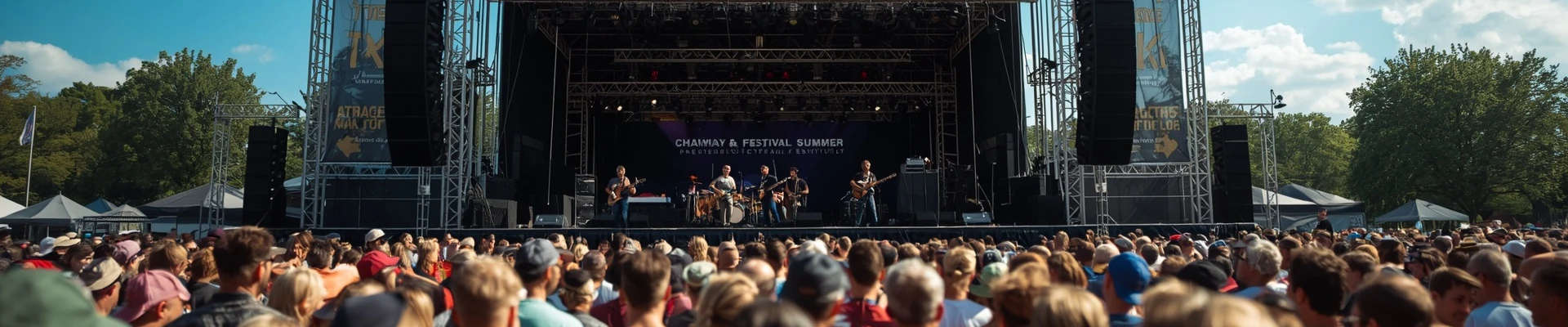
RiverFest, held on the banks of the Red River each summer, draws regional and national touring acts across genres — country, rock, pop — with a footprint that can accommodate crowds in the tens of thousands. Street Fair Spectacular, the downtown summer festival, closes Broadway to traffic and runs three days of free outdoor stages with an emphasis on local and regional acts. These two events anchor the outdoor festival calendar and collectively represent the largest annual live-music audiences in the city.
Blowout, the Fargo-Moorhead multi-venue music marathon, has at various points filled downtown bars and clubs with fifty or more bands over a single weekend, running the gamut from punk to electronica to Americana. Its scheduling has been irregular, but it remains a reference event in local lore for the breadth of the scene it showcases.
The Fargo Jazz Festival at NDSU brings collegiate and semi-professional jazz ensembles to campus stages and represents the most formally organized piece of the festival calendar, drawing participants from across the Upper Midwest.
NDSU and the College Scene
North Dakota State University has a student population of roughly 13,000 and punches above its weight in terms of music-scene contribution. The campus radio station KNDS has historically supported local music with regular programming and live-session recordings. NDSU's music department produces classically trained instrumentalists who cross over into the jazz and folk communities, and the NDSU Jazz Ensemble has been a consistent regional presence at festivals.
The presence of Minnesota State University Moorhead and Concordia College just across the river in Moorhead multiplies the college-age population significantly, giving the broader metro a substantial student audience that supports mid-week shows and adventurous booking.
Demographics and Cultural Texture
Fargo's population is predominantly white with Scandinavian and German-Russian heritage predominating — a cultural composition that shapes the folk, country, and polka undercurrents in the scene. The city has seen significant growth in its Somali, Karen (Burmese), and South Sudanese refugee communities since the 1990s, communities that bring distinct musical traditions beginning to surface in the broader cultural landscape. The Karen community has an active church-music and cultural-performance scene that rarely intersects with the bar circuit but represents a genuinely distinct musical world operating in parallel.
The Scandinavian heritage is most directly expressed in the Hjemkomst Heritage Festival in neighboring Moorhead, which features folk music from Norway, Sweden, Denmark, and Finland and draws diaspora participants from across the Upper Midwest.
What Ties It Together
Fargo is a music city by necessity as much as by disposition. The distance from larger markets means that bands which want to play live have to build audiences at home first, and audiences that want live music have to support local acts rather than waiting for imports. That feedback loop — bands playing for locals who are genuinely present, locals going to shows because they know something worth seeing is there — has produced a scene of quiet resilience. It has never generated a genre-defining sound the way Detroit generated techno or Seattle generated grunge, but it has produced a remarkable number of musicians who can sustain careers, fill rooms, and occasionally break through to national touring circuits from one of the most geographically isolated mid-size cities in North America. The flat horizon and the brutal winters, rather than discouraging creativity, seem to concentrate it.