
Salem is the capital of Oregon and the seat of Marion County, home to roughly 175,500 people within the city limits and approximately 430,000 across the broader Salem metropolitan area. It sits in the broad floodplain of the Willamette Valley — one of the most productive agricultural regions in North America — about 47 miles south of Portland and 60 miles north of Eugene, at an elevation that barely clears the valley floor. The Willamette River bends through the city's western edge, separating downtown Salem from the suburb of West Salem on the opposite bank. To the east, the Cascade Range rises abruptly beyond the valley edge; to the west, the Coast Range marks the boundary with the Oregon coast. Salem is simultaneously one of Oregon's largest cities and consistently one of its most overlooked, overshadowed by Portland's cultural gravity to the north and Eugene's university energy to the south. What the city lacks in metropolitan cultural cachet it compensates for with a solid infrastructure of mid-size venues, a historically active DIY scene, a significant Latino population that sustains its own music culture, and a government-and-hospital economy that provides a stable platform for arts investment.
A brief history
The Willamette Valley was inhabited by the Kalapuya — a confederation of related peoples who managed the valley's ecosystems through seasonal burning and sustained sophisticated trade networks across the Pacific Northwest — for thousands of years before European contact. The Kalapuya population collapsed catastrophically through disease in the early 19th century, and the survivors were relocated by treaty to the Grand Ronde Reservation in 1855, a history acknowledged with complex weight by modern Salem. Methodist missionaries established the first Euro-American settlement at Salem in 1840 — the Willamette University campus, which opened in 1842, is one of the oldest universities in the American West and remains a defining institutional presence in the city. Oregon achieved statehood in 1859 with Salem confirmed as the capital after brief competition from Oregon City and Corvallis; the current Oregon State Capitol building (the third capitol on the site, completed in 1938) topped with its gilded Oregon Pioneer statue is the city's most recognizable skyline element.
Salem grew as a processing and supply center for the Willamette Valley's agricultural economy — hops, hazelnuts, cherries, grass seed, and nursery stock remain economic pillars — and the arrival of the timber industry, state government employment, and major medical institutions (Salem Health, which operates the region's primary hospital system) gave the city a diversified economic base that has proved resilient through cycles of boom and decline. The city's population grew substantially through the second half of the 20th century, accelerated by migration from Mexico and Central America into the region's agricultural labor force; today, approximately 18–20% of Salem's population is Hispanic or Latino, and the Latino community has developed deep roots across the city's neighborhoods, businesses, and cultural institutions.
Music identity
Salem's most internationally resonant contribution to music history comes from a surprising place: the city was the birthplace and early base of The Kingsmen, who recorded the definitive version of "Louie Louie" in 1963 — one of the most played, most covered, and most legally scrutinized rock records of the 20th century. The song's garage-rock primitivism, its deliberately garbled vocals, and the FBI investigation it triggered for suspected obscenity (the investigation concluded that the lyrics were "unintelligible at any speed") made it a cultural artifact of extraordinary influence, inspiring thousands of bands across punk, garage, and rock to embrace rawness over polish. Though The Kingsmen were from Portland rather than Salem, the garage-rock tradition they helped launch found fertile ground in the Willamette Valley, and Salem has maintained a thread of rock primitivism — garage, punk, and metal — running through its bar and club scene ever since.
The city's most enduring music scene is its indie rock, punk, and hardcore ecosystem — modest in national profile but consistently active, fed by a young population connected to Willamette University, Chemeketa Community College, and the general DIY culture of the Pacific Northwest. Salem's proximity to Portland (under an hour on I-5) has always created a complicated dynamic: talented acts frequently migrate north to access Portland's larger venues, booking networks, and music industry infrastructure, which means Salem's scene is perpetually generative without retaining the artists who break through. What remains is a scene of real durability — DIY venues, house shows, small clubs, and the particular energy of a city where the scene is local-first by necessity rather than choice.
Latin music is the other major pillar of Salem's music culture. The city's Hispanic population — concentrated in neighborhoods on the east side and in satellite communities through Marion and Polk Counties — sustains an active circuit of norteño, banda, cumbia, mariachi, and regional Mexican music at events, restaurants, quinceañeras, and community celebrations throughout the year. The Fiesta Mexicana and associated community events are the most public expression of this culture, but the everyday music life of Salem's Latino community — which includes musicians, DJs, and performers operating largely outside the city's mainstream venue infrastructure — is a significant component of the city's total music ecosystem. Bands playing corridos tumbados and latin pop have a consistent presence in the city's Hispanic-owned businesses and event spaces on Commercial Street NE and the east Salem corridors.
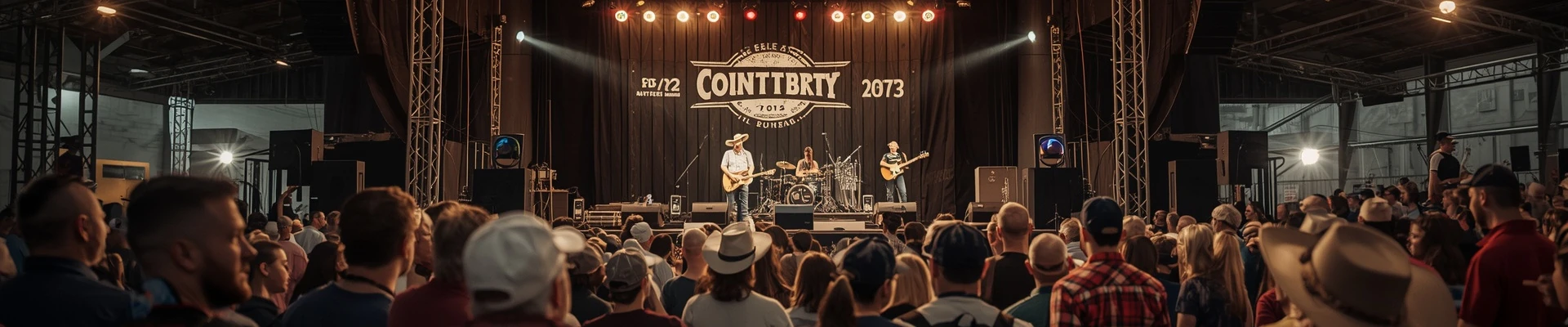
Country and Americana have a presence rooted in Salem's agricultural identity and its connections to rural Marion and Polk County communities. The Mid-Valley region has a long history of country music fandom, and the Salem Rodeo draws country-music-oriented crowds each year. Americana artists working in the intersection of folk, country, and rock have found audiences in the city's coffee-house and small-venue circuit.
Gospel and worship music reflect Salem's active evangelical and mainline Protestant church communities. Several of the city's large churches program professional-level worship music that employs local musicians. Salem's Black community — smaller proportionally than in Portland but present — has contributed to gospel and soul traditions through institutions including Greater Emmanuel Temple and other historically African American churches in the mid-Willamette Valley.
Notable Salem-area artists include Oregon Symphony musicians who have relocated to the capital city, and singer-songwriter Ty Segall spent formative time in the region before becoming one of the most prolific voices in modern garage rock — a connection that links Salem's garage tradition to the broader psychedelic-garage revival of the 2010s. The Pacific Northwest garage and punk network that includes bands from Portland, Eugene, and Olympia has always incorporated Salem bands, even if they rarely receive the same press coverage.
Venues and neighborhoods
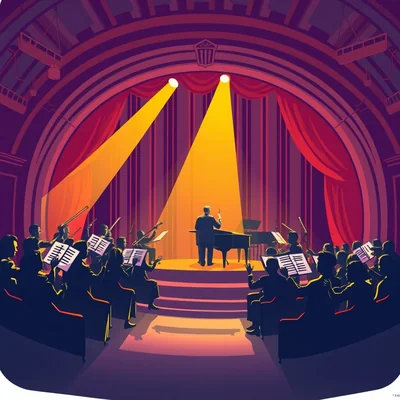
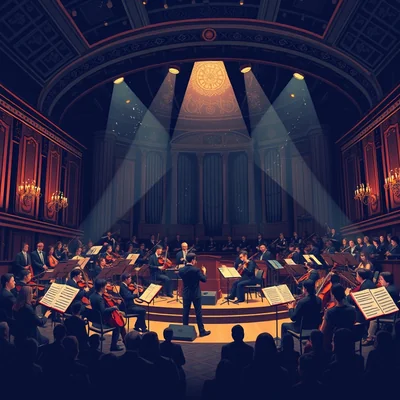
The top of Salem's venue hierarchy is the Salem Convention Center, which hosts the largest touring acts that bypass the city's club infrastructure. The WVSO (Willamette Valley Symphony Orchestra) performs at Elsinore Theatre — a beautifully restored 1926 vaudeville-era theater on High Street SE that is the city's most architecturally distinguished performing-arts space, with approximately 1,000 seats and a programming calendar that spans classical, Broadway, comedy, and touring music. Pentacle Theatre and Willamette University's Hudson Hall program music as part of broader performing-arts seasons.
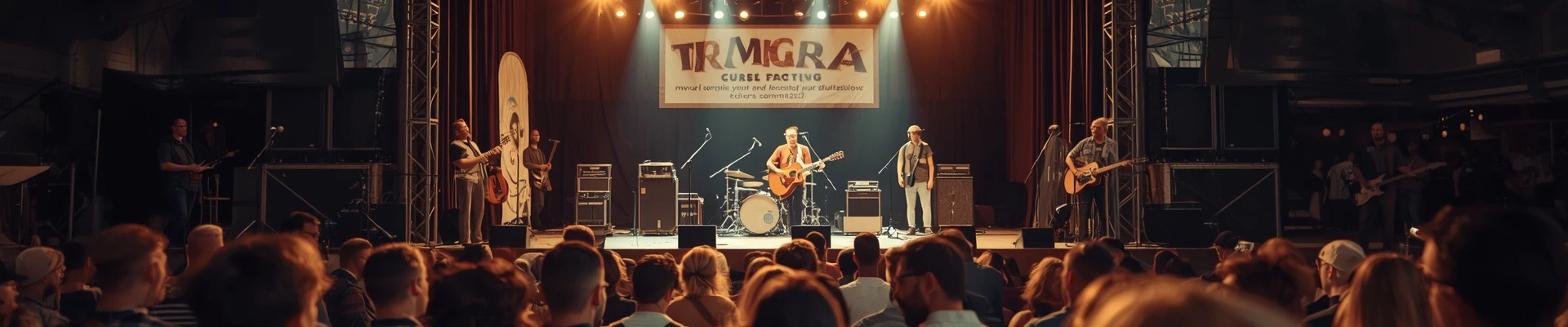
In the mid-size club tier, Wicked Brew and McGrath's Fish House have programmed live music. The Westside bar strip around Wallace Road NW in West Salem programs country and cover bands for a regional clientele. The Space and various iterations of DIY rooms around the downtown core and the Chemeketa Street corridor have served the indie and punk scenes. Elsinore Spirits (housed in the historic Elsinore building complex) programs smaller live music events. Boon's Treasury — a downtown bar in a landmark historic building on Liberty Street SE — has been a consistent live music room for local and touring acts, with a focus on roots and Americana. Ram's Head and similar college-adjacent bars near Willamette University keep a student-oriented music economy alive on High Street.
The Oregon State Fairgrounds — a large complex on the northern edge of the city — programs the annual Oregon State Fair (late summer) which consistently draws major touring country, rock, and Latin acts for stadium-scale shows. It is Salem's primary mechanism for connecting with the major touring circuit, hosting artists that would otherwise require a trip to Portland.
Downtown Salem — centered on the Court Street, Liberty Street, and Commercial Street corridors — is the primary entertainment district. The Salem Saturday Market programs live music through the warm months. The Riverfront Park area along the Willamette has hosted outdoor concerts and festival programming. The Historic Elsinore District around the Elsinore Theatre anchors the city's most concentrated arts and nightlife strip.
Festivals and signature events
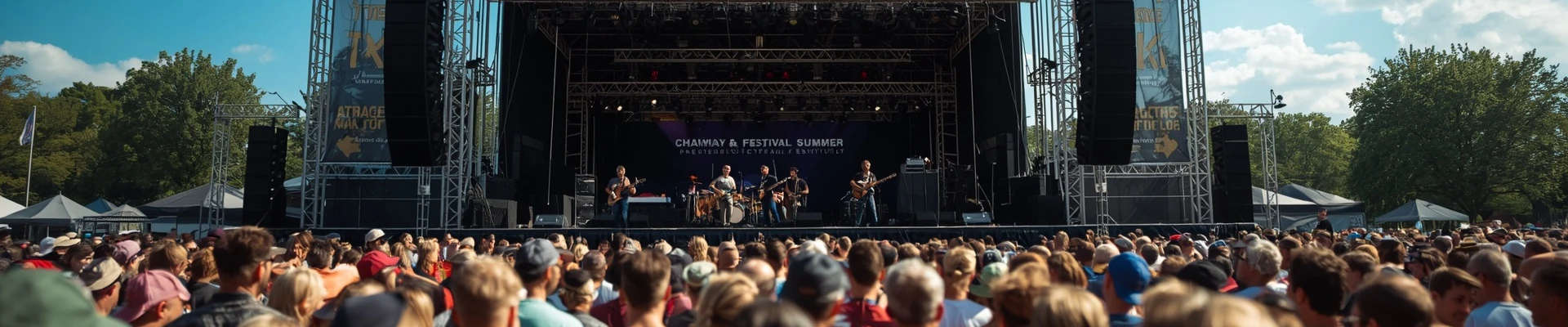
The Oregon State Fair (August–September) is the defining annual cultural event for Salem and the mid-Willamette Valley, drawing 300,000–400,000 attendees across nine days and programming major headliners on the Coke Stage (the primary outdoor concert venue at the fairgrounds). Past headliners have included ZZ Top, REO Speedwagon, Los Lobos, Banda MS, and major regional country and Latin acts — reflecting Salem's dual Anglo and Latino audience demographics.
Fiesta Mexicana at the Marion County Fairgrounds is the largest celebration of Latin culture in the mid-Willamette Valley, programming regional Mexican bands, DJs, and dance performances over a multi-day summer weekend that draws from across the agricultural communities of Marion and Polk Counties.
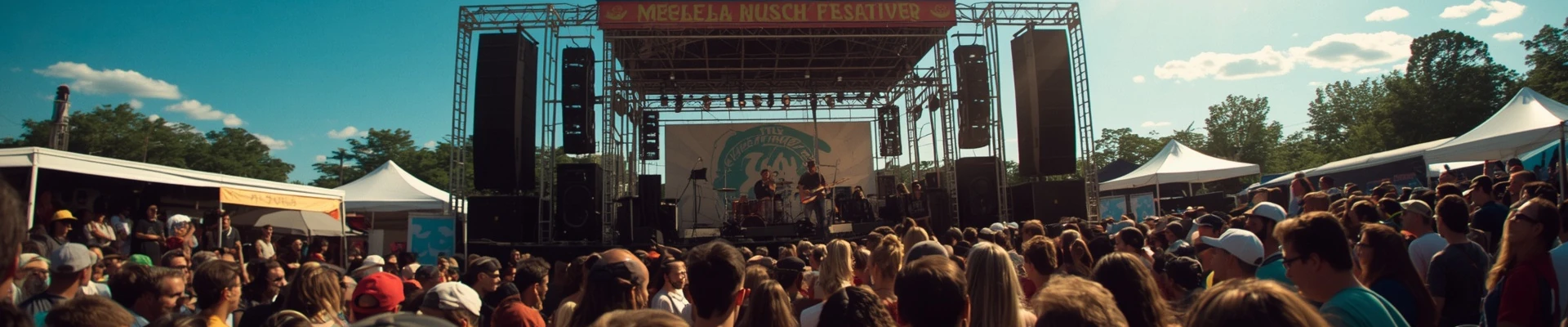
Salem Art Fair & Festival (late July) takes place in Bush's Pasture Park and programs live music alongside visual arts. The Salem Jazz & Blues Festival has programmed outdoor music at Riverfront Park. Bite of Salem has incorporated live music programming. The Christmas Revels at Elsinore Theatre is one of the most beloved annual performing-arts events in the city.
What ties it all together in Salem is the productive friction of a government capital that punches below its weight culturally but sustains real musical ecosystems through sheer volume of working musicians, DIY determination, and demographic complexity. The city is not trying to be Portland — it cannot be, and the musicians who stay know it. Salem's garage tradition traces a line from the Pacific Northwest's most mythological single ("Louie Louie") through decades of club-circuit rock, punk, and indie built on the valley floor. Its Latin music scene operates at a scale and depth that most casual observers miss entirely. Its Elsinore Theatre is one of the most beautiful mid-size performing-arts venues in the Pacific Northwest. And every summer, the Oregon State Fairgrounds turns Salem into a genuine major-market music destination for a few weeks, pulling in headliners and audiences from across the region in ways that remind the city — briefly but unmistakably — of what its geographic position in the heart of Oregon's most populated valley could support.