
Erie is Pennsylvania's only port on the Great Lakes, situated on the southern shore of Lake Erie at the far northwestern corner of the state. With roughly 99,000 residents in the city and nearly 270,000 in Erie County, it is Pennsylvania's fourth-largest city and the largest American port on Lake Erie after Cleveland and Buffalo. Erie sits at the intersection of the Rust Belt and the Great Lakes economic corridor — close enough to Buffalo (170 km northeast), Cleveland (175 km west), and Pittsburgh (220 km southeast) to feel the gravitational pull of all three larger markets, yet distinct enough in character to sustain its own cultural ecosystem. Presque Isle State Park, a curved sand spit extending into Lake Erie just west of the city, is one of Pennsylvania's most visited natural attractions and gives Erie its most recognizable geographic landmark. Gannon University and Mercyhurst University — both private Catholic institutions inside the city — anchor an academic community of roughly 7,000 students that feeds the local arts and music circuit. The economy has historically been built on manufacturing (Hammermill Paper, Lord Corporation, General Electric Transportation, American Sterilizer Company), but deindustrialization since the 1970s has brought the challenges familiar across the Rust Belt — population decline, vacant properties, and the cultural energy that tends to accompany working-class creative communities.
A brief history
The Erie region was Erie Nation territory — the Iroquoian-speaking people for whom the lake and city are named — before European contact. Fort Presque Isle, built by the French in 1753 and seized by the British during the Seven Years' War, established the site as a strategic military position. The Battle of Lake Erie (1813), fought roughly 100 km to the northwest, was one of the decisive naval engagements of the War of 1812; Commodore Oliver Hazard Perry assembled his fleet at Presque Isle Bay, and his victory over the British became one of the young nation's defining moments. The city incorporated in 1851 and grew through the 19th and early 20th centuries as a manufacturing and shipping hub. The Erie Extension Canal (completed 1844) and the Philadelphia and Erie Railroad connected the city to the broader East Coast economy. The 20th century brought waves of Polish, Italian, German, Slovak, and African American migrants into Erie's working-class neighborhoods — communities that shaped the city's social and musical character. By the 1970s and 1980s Erie was absorbing the same deindustrialization hitting Pittsburgh, Cleveland, and Buffalo, and the city has spent the last three decades in a slow, fitful reinvention — with a downtown arts district, new restaurants, and a growing medical and educational sector offsetting the industrial losses.
Music identity
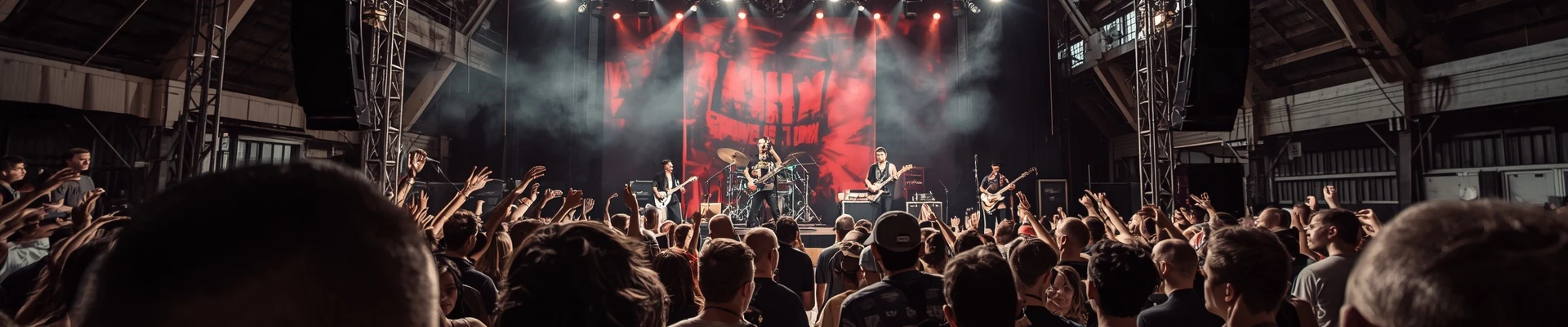
Erie's most internationally consequential musical export is almost certainly the Rust Belt punk and hard rock tradition that runs through its club circuit — a lineage of scrappy, working-class guitar music that reflects the city's post-industrial character. Erie is not known for a nationally branded sound in the way that Detroit is known for Motown and techno, or that Nashville is known for country. It is instead a city with a deep local scene — one that has produced touring-level artists without producing a mainstream breakthrough act, a pattern common to mid-size Rust Belt cities.
Machine Head — the San Francisco-based thrash and groove metal band — has no Erie origin, but the city's legacy in heavy music runs through local acts that have circulated on regional and national touring circuits for decades. More relevant to Erie's actual heritage is the Dirt Mall, a legendary all-ages venue that operated through the 1990s and early 2000s and became one of the most important rooms in western Pennsylvania for punk, hardcore, and indie touring acts. The Dirt Mall brought nationally touring underground acts into Erie and helped build the city's reputation as a reliable stop on the northeastern indie circuit.
The Clarks — the Pittsburgh-based rock band that has sustained a fiercely loyal regional following since the late 1980s — regularly play Erie and consider the city part of their home territory. The broader Pittsburgh-Erie-Buffalo triangle constitutes a coherent regional rock market. Erie bands that have sustained regional and occasional national touring activity include Save Ends (melodic punk/emo), The Doozies, and a rotating cast of heavy, punk, and indie acts that cycle through the local circuit.
The blues and R&B tradition runs through Erie's African American community on the city's east side, with a gospel circuit, blues clubs, and a continuous Black music scene. Erie's jazz tradition is modest but present — the Erie Philharmonic presents occasional jazz programming, and the university-anchored jazz education programs at Mercyhurst University (one of the stronger university jazz programs in western Pennsylvania) keep the form alive in the city.
The country and Americana tradition is real but largely embedded in the surrounding Erie County rural circuit rather than in the city core — bars, VFW halls, and small clubs in Erie County townships sustain a honky-tonk and classic country scene.
Erie's hip-hop scene is small but active, centered on the city's Black and Latino communities. Local producers and MCs circulate on streaming platforms and occasionally draw regional attention, but no Erie hip-hop artist has broken through to national prominence.
One of Erie's most specific musical contributions is the lake effect on its concert routing. Its position on Lake Erie makes it a natural stop between Buffalo and Cleveland for touring acts that move along the southern Great Lakes corridor — and this geographic logic has brought a remarkable range of touring acts into Erie's mid-size venues over the decades. The Warner Theatre (Erie's 2,400-seat historic movie-palace-turned-concert-hall, built in 1931) has hosted an extraordinary range of touring acts from the 1970s onward: rock, country, pop, comedy, Broadway touring productions, and everything in between. The Warner is Erie's most important music venue and one of the finer surviving pre-war theatrical venues in western Pennsylvania.
Venues and neighborhoods
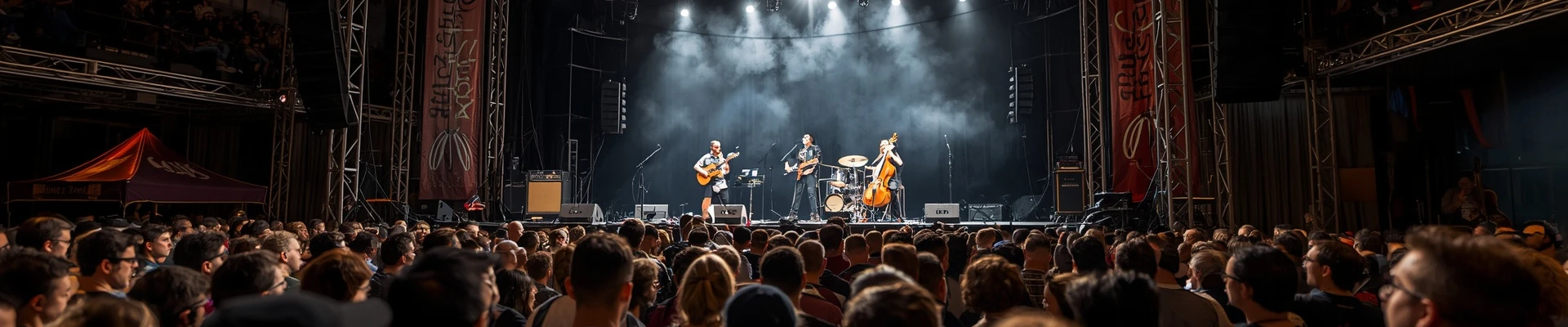
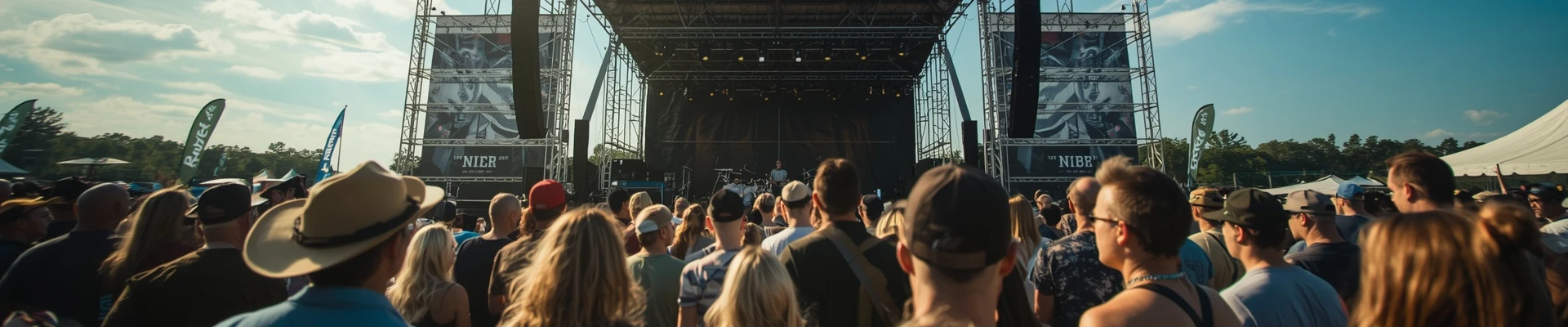
The venue ecosystem is compact and oriented around the downtown core. The Warner Theatre (2,400 capacity) is the anchor — a gorgeous 1931 Art Deco movie palace on State Street that functions as the city's premier mid-size concert hall. Highmark Stadium (originally UPMC Park, home of the Erie SeaWolves Double-A baseball team) hosts occasional outdoor concerts in its baseball configuration. The Highmark Amphitheater at Presque Isle Downs (at the Presque Isle Downs and Casino, capacity approximately 5,000) brings major mid-level touring acts to Erie through the summer — it has been one of the more active outdoor concert venues in western Pennsylvania.
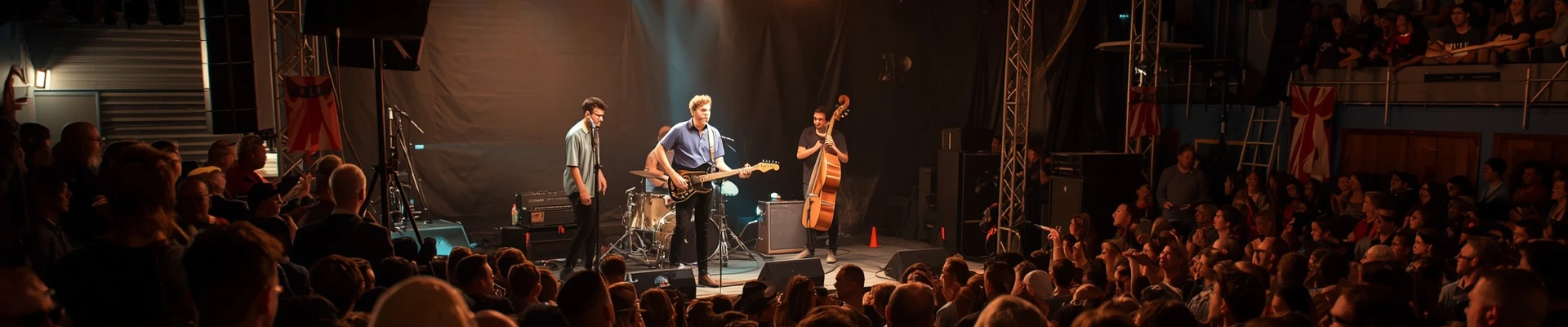
The downtown club circuit runs primarily along State Street and the blocks immediately surrounding it. Sherlock's (a long-running rock and metal bar), The Brewerie at Union Station (housed in the historic 1927 Union Station building — a beloved community venue for roots, Americana, and indie acts), Basement Transmissions (the all-ages punk and hardcore venue that directly inherited the spirit of the old Dirt Mall — one of the most important independent music venues in western Pennsylvania), and Bobby's Place anchor the downtown live music circuit. Basement Transmissions deserves particular note: it is one of the few surviving DIY all-ages punk venues in the region and has hosted hundreds of national touring punk, hardcore, and indie acts over its history. It is Erie's most culturally significant music venue in terms of community impact.
The Gannon University and Mercyhurst University campuses contribute student-oriented music programming. The Erie Art Museum hosts the Blues and Jazz Festival and other programming in its gallery and outdoor spaces. Presque Isle State Park hosts occasional outdoor events in the summer.
Neighborhood geography: the Downtown corridor anchors the commercial and cultural center. Little Italy (the Parade Street corridor on the east side) reflects the city's Italian-American heritage. The west side is home to significant Hispanic (primarily Puerto Rican and Mexican) communities who sustain cumbia, salsa, and reggaeton scenes in west-side bars and social clubs. The east side anchors the African American community.
Festivals and signature events
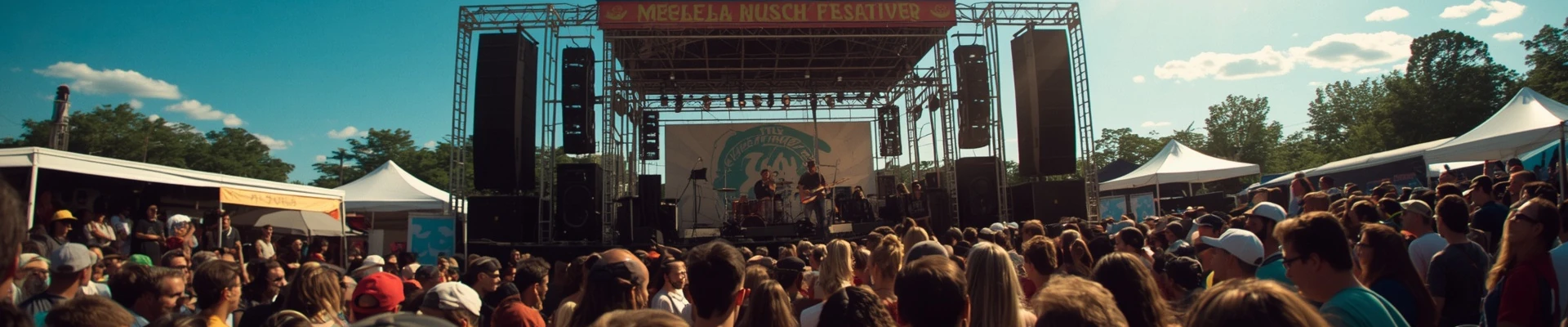
The Erie Blues and Jazz Festival (held at the Erie Art Museum, a summer tradition spanning multiple decades) is the city's longest-running music festival and one of the stronger regional blues events in western Pennsylvania. Celebrate Erie (a late-summer downtown street festival that draws tens of thousands to State Street) features multiple stages with a mix of national touring acts, regional headliners, and local artists. The Lake Erie Reggae Festival (held at Presque Isle) has brought Caribbean rhythms to the lakefront. Roar on the Shore — the massive motorcycle rally held each summer in Erie, drawing 100,000+ bikers from across the eastern United States — is not a music festival per se, but it programs extensive live music along the State Street corridor and has become one of the largest events in Erie's summer calendar. Bonfires on the Bay programs live music at Presque Isle through the warm months.
The Erie Beer Festival and various neighborhood festivals (Italian Heritage Festival in Little Italy, Puerto Rican Festival on the west side, Multicultural Festival downtown) round out the annual calendar.
What ties it all together
Erie's defining musical signature is blue-collar persistence — the same working-class stubbornness that kept the city's manufacturing identity alive long after the industry departed, applied to music. The Warner Theatre puts genuinely major touring acts in front of Erie audiences. Basement Transmissions gives nationally touring punk and hardcore acts a room that feels earned rather than corporate. The Brewerie makes roots and Americana feel at home in a historic train station. The Blues and Jazz Festival keeps a real tradition alive at the Art Museum. Celebrate Erie turns downtown into a multi-stage festival for a weekend every summer. None of it is glamorous in the way that Pittsburgh or Cleveland is glamorous — Erie is too small and too gritty for that. But the city punches above its weight in music infrastructure relative to its population, sustains a genuinely independent DIY venue (Basement Transmissions) that many larger cities have lost, and routes touring acts along the Great Lakes corridor in ways that keep the live music calendar reliably stocked. For a city of 99,000 on the shore of a Great Lake, Erie's music scene is exactly as real and exactly as stubborn as it needs to be.