
North Charleston is an incorporated city in Charleston County (with a small portion in Berkeley County), South Carolina, with roughly 108,000 residents inside city limits. It sits immediately north of the city of Charleston along the Cooper River and Ashley River lowcountry, about 15 kilometres from downtown Charleston's peninsula. Incorporated in 1972 — making it a fully independent municipality with its own mayor, city council, police department, and governance — North Charleston is the third-largest city in South Carolina and one of the fastest-growing cities in the American Southeast. It is home to the Boeing South Carolina facility (the largest building by floor space in the state, where the 787 Dreamliner wide-body jet is assembled), Joint Base Charleston (the major Air Force and Naval installation along the Cooper River), the Mercedes-Benz Vans plant, the Bosch manufacturing campus, and a diversified industrial and logistics economy that distinguishes it sharply from tourism-heavy Charleston proper. The Neck district — the low-lying strip between the two rivers that connects the Charleston peninsula to the mainland — is the historic core of North Charleston's African American working-class community and the seedbed of its musical culture.
A brief history
The land that became North Charleston was occupied by the Sewee and related Cusabo peoples before English colonial settlement arrived in the late 17th century. The zone north of the Charleston peninsula — historically called "the Neck" — developed through the 18th and 19th centuries as a patchwork of plantations, farms, small settlements, and industrial yards. After emancipation, the Neck districts became home to large African American communities who worked in the port, railroads, and emerging industries of the Charleston area. The Charleston Naval Shipyard (established 1901) on the Cooper River became the defining economic engine of the 20th century — at its peak in World War II it employed tens of thousands of workers and anchored an entire working-class culture of shipyard workers, their families, and the bars, churches, and music halls that served them. The shipyard closure in 1996 after the post-Cold War base realignment was an economic earthquake, but the former shipyard property was redeveloped as the Noisette community and later the North Charleston Technology Campus, keeping the Cooper River waterfront economically relevant. The city incorporated in 1972, breaking formally from unincorporated Charleston County, and has pursued an independent municipal identity ever since — its own culture, its own music venues, and a civic pride distinct from the colonial-heritage tourism of Charleston's downtown.
Music identity
North Charleston's musical heartland is its African American community — a community that has sustained gospel, blues, R&B, soul, funk, and now hip-hop and trap through the decades, rooted in the churches and neighborhoods of the Neck. The Charleston-area blues tradition — sometimes called the Lowcountry blues or the Piedmont-adjacent coastal tradition — runs through the African American communities of the Neck, drawing on the same streams of field holler, spirituals, and Piedmont fingerpicking that shaped the broader South Carolina blues landscape. Deas Guyz, the Charleston-area hip-hop duo, emerged from the North Charleston community and helped define the local hip-hop sound. Mario (the R&B singer best known for the 2002 hit "Just a Friend 2002" and the 2004 smash "Let Me Love You") was born in Baltimore but raised in North Charleston — the city is a formative home for one of the 2000s' most commercially successful R&B voices.
The city's gospel tradition is deep and continuous. The African American churches of North Charleston — many of them Baptist and AME congregations with roots in the Reconstruction era — have sustained choir traditions, praise-and-worship scenes, and a sacred music culture that feeds into every secular genre the city produces. The Wesley United Methodist Church community and networks of Baptist churches across the Neck have been training grounds for vocalists who move between sacred and secular worlds.
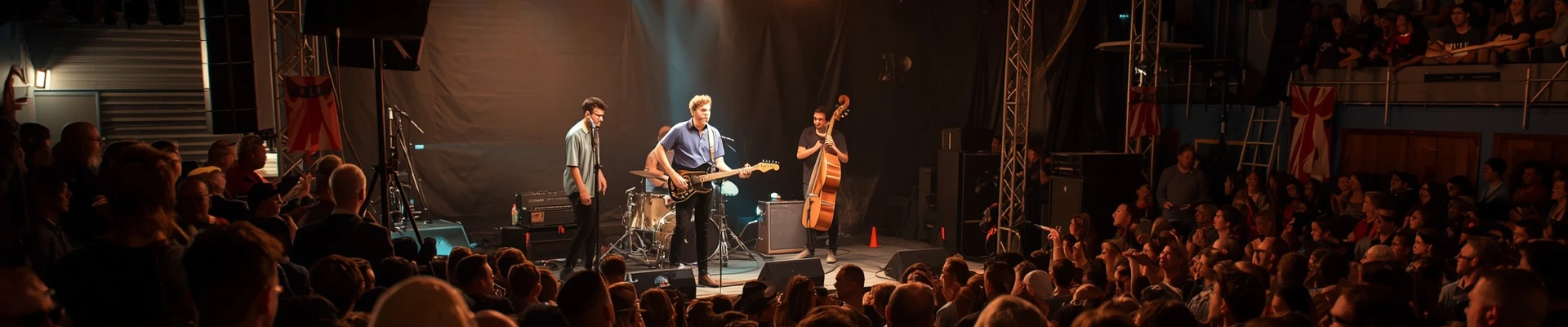
Classic rock and country have a significant working-class white presence in North Charleston, running through the roadhouses, VFW halls, and honky-tonks that served the shipyard worker community through the mid-20th century. That tradition faded with the shipyard's closure, but a country and Southern rock bar-band scene persists. The punk and hardcore scene — fueled by North Charleston's proximity to the College of Charleston and The Citadel — has maintained small-venue activity through the 1990s and 2000s. The metal community has clubs and rehearsal spaces scattered through the city's industrial districts.
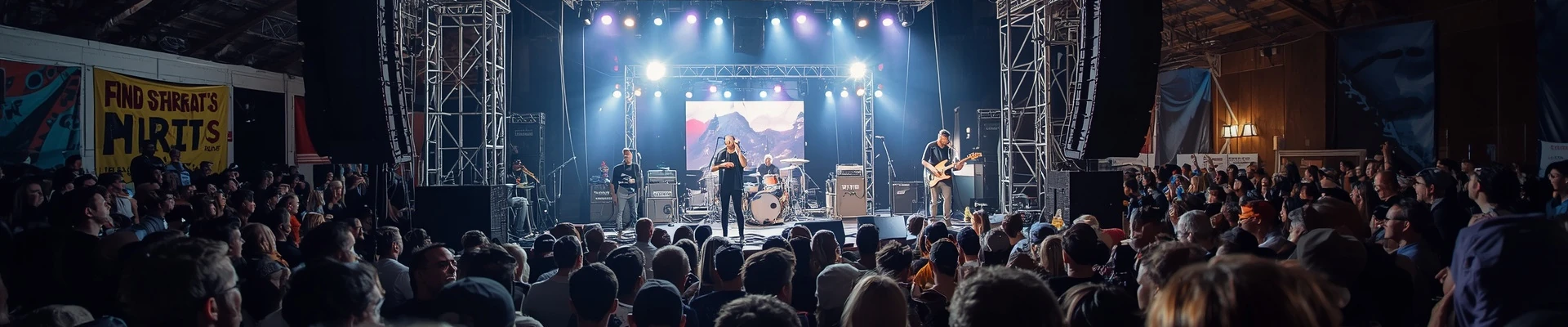
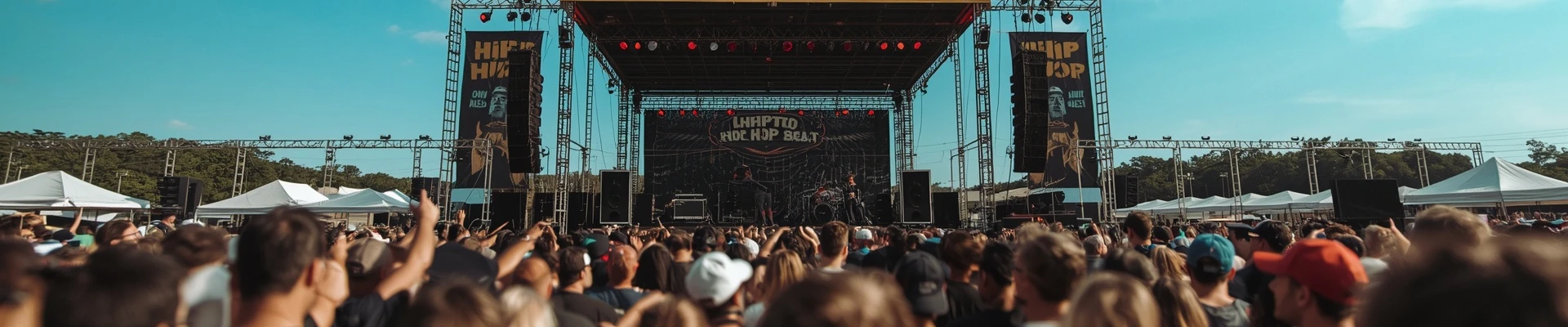
The North Charleston Coliseum (10,000-capacity arena, opened 1993) is the region's primary major indoor touring venue and shapes the city's musical identity as a stopping point for national touring acts — AC/DC, Pearl Jam, Metallica, Beyoncé, Taylor Swift, Garth Brooks, Tim McGraw, and the full range of stadium-scale touring have played the Coliseum. For nearly three decades the Coliseum has been the reason North Charleston appears on national tour routing maps in a way that the smaller venues of Charleston proper cannot guarantee.
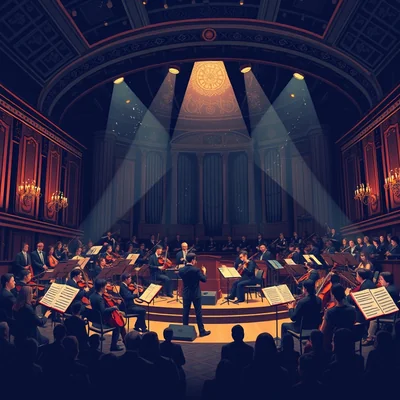
The North Charleston Performing Arts Center (2,300-capacity, attached to the Coliseum complex) programs Broadway tours, orchestral performances, comedy, and mid-size concert acts — filling the gap between club-scale and arena-scale with a consistent program that reaches into country, blues, classical, and theatrical touring. The combination of the Coliseum and the Performing Arts Center makes the North Charleston Convention Center campus one of the more complete entertainment campuses in the American Southeast outside major metros.
Venues and neighborhoods
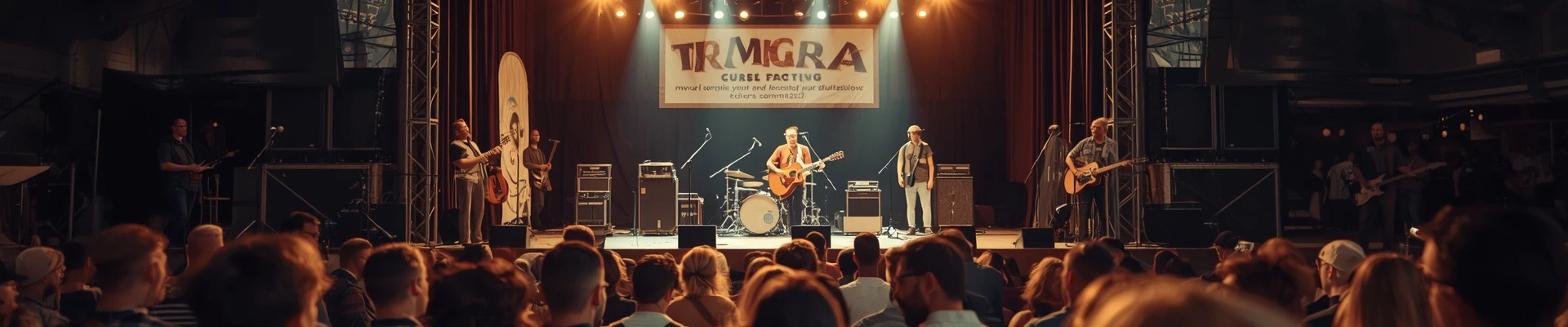
The North Charleston Coliseum and Performing Arts Center campus anchors the city's major venue infrastructure. Below arena scale, the club and bar scene runs through several corridors. Park Circle — the circular neighborhood park at the center of the historic North Charleston residential grid — has become the city's most vibrant neighborhood entertainment district since the 2000s, with craft breweries, bars with live music, and a community identity that mixes longtime residents with younger transplants. Madra Rua Irish Pub, Commonhouse Aleworks, Edmund's Oast Brewing (with its Park Circle location), and a cluster of bars and small venues make Park Circle the closest thing North Charleston has to a dedicated music neighborhood. Taco Boy and the broader Morrison Drive corridor blur the boundary between North Charleston and downtown Charleston proper.
The Neck district — stretching from roughly North Romney Street to the Goose Creek city limits along the Rivers Avenue corridor — carries the historical African American community and its church and community-hall music culture. The Mixson development has brought new residential density to the eastern part of the Neck with a small retail and entertainment presence.
Rivers Avenue is the city's main commercial spine and the location of most of its mid-20th century roadhouses and bars, though many of those establishments have closed or converted over the decades. The Dorchester Road and Ashley Phosphate Road corridors anchor the suburban commercial strips where karaoke bars, country venues, and multi-genre clubs operate for the broader North Charleston population.
The former Naval Shipyard property along the Cooper River — now rebranded as Union Pier with ongoing redevelopment plans — holds occasional outdoor events and has been discussed as a future entertainment district, though development has been slow.
Festivals and signature events
The North Charleston Arts Fest — typically held in late April and early May — is the city's flagship annual celebration, programming live music across multiple stages at the Convention Center campus alongside visual arts, crafts, food, and family programming. The fest draws regional and national touring acts alongside local performers and is one of the largest free public festivals in South Carolina. Spoleto USA — the internationally prestigious performing arts festival anchored in Charleston — spills across the region and is accessible to North Charleston residents as the defining high-culture event of the lowcountry calendar. Piccolo Spoleto, Spoleto's community-arts companion festival, programs events throughout the greater metro including North Charleston venues.
Park Circle block parties and neighborhood festivals have grown in frequency and scale, cementing Park Circle as a community gathering point. The North Charleston Coliseum's WWE, UFC, and AHL hockey events (the South Carolina Stingrays) draw large audiences and program arena-entertainment culture beyond music. The CharlestonPride Festival has grown into one of the largest Pride events in the Carolinas and involves venues across the greater Charleston metro including North Charleston.
Juneteenth celebrations, Martin Luther King Jr. Day events, and community festivals run through the Neck district's African American community organizations. The Charleston Greek Festival, the Lowcountry Cajun Festival, and a range of cultural and ethnic festivals rotate through the Convention Center and surrounding venues.
What ties it all together
North Charleston is a city that built its cultural identity out of labor, faith, and the determination of African American communities to sustain music through decades of industrial change. The Coliseum has kept the city on national tour routing maps since 1993, ensuring that every generation of North Charleston residents has access to major touring acts without driving to Columbia or Charlotte. But the deeper cultural thread runs through the gospel choirs, the hip-hop scenes, the blues heritage, and the church communities of the Neck — the foundation on which everything else rests. Park Circle's resurgence as a neighborhood entertainment hub represents the city's contemporary energy: working-class roots, craft-era optimism, and a community that has never needed Charleston's colonial-heritage tourism to define its own sense of place.