
Sioux Falls is the largest city in South Dakota and the seat of Minnehaha County, with a population pushing past 200,000 residents inside the city limits and a metropolitan area approaching 280,000. The city sits on the Big Sioux River in the southeastern corner of the state, where the river drops dramatically over quartzite rock formations — the waterfalls that give the city its name and anchor its signature public space, Falls Park. The surrounding terrain is classic northern Great Plains: broad, flat farmland giving way to glacially sculpted hills and river corridors, with the Missouri River marking the western edge of the broader region. Sioux Falls sits roughly 90 miles north of Sioux City, Iowa, 240 miles west of Minneapolis, and 365 miles east of Rapid City — the gateway to the Black Hills. The city's economy, once almost entirely agricultural and meatpacking-dependent, has diversified substantially over the past four decades into financial services, healthcare, and retail distribution. Citibank, Wells Fargo, Capital One, and Great Plains Energy have major operations in Sioux Falls, drawn partly by South Dakota's favorable usury laws and tax structure. Sanford Health and Avera Health — two large regional healthcare systems — have their headquarters here, making healthcare one of the largest employment sectors. The combination of financial services, healthcare, and a rapidly growing population has made Sioux Falls one of the fastest-growing cities in the United States, drawing migration from rural South Dakota, the upper Midwest, and increasingly from international refugee communities.
A brief history
The land around the Big Sioux River was home to the Sioux (Lakota and Dakota) peoples for centuries before European-American settlement. The falls were documented by early explorers and became a site of interest to settlers in the 1850s, though the town's founding was interrupted by the Dakota War of 1862 and the subsequent displacement of Indigenous communities. The modern city was platted in 1856 and developed rapidly after the arrival of the Dakota Southern Railroad in 1878, which connected Sioux Falls to Chicago markets. The city grew through agricultural processing — John Morrell & Company established a major meatpacking plant in the early 20th century, drawing immigrant labor from Scandinavia, Germany, Poland, and later Eastern Europe and Mexico. The meatpacking workforce defined much of the city's working-class culture through the mid-20th century. Urban growth stalled during the farm crisis of the 1980s but accelerated dramatically after Citibank relocated its credit card operations to Sioux Falls in 1981, exploiting South Dakota's repeal of usury caps. The city's population grew from roughly 72,000 in 1980 to over 200,000 today — an expansion that has reshaped its demographics, its entertainment economy, and its music scene.
Music identity
Sioux Falls occupies a distinctive position in the American musical landscape: it is far from any major music industry center, it sits in a state that national touring acts have historically bypassed, yet it has developed a music scene of genuine depth — partly because of its size relative to the surrounding region (it is the dominant city for hundreds of miles in every direction), partly because the pace of growth has brought young professionals who support live music, and partly because the city has made sustained institutional investments in music infrastructure.
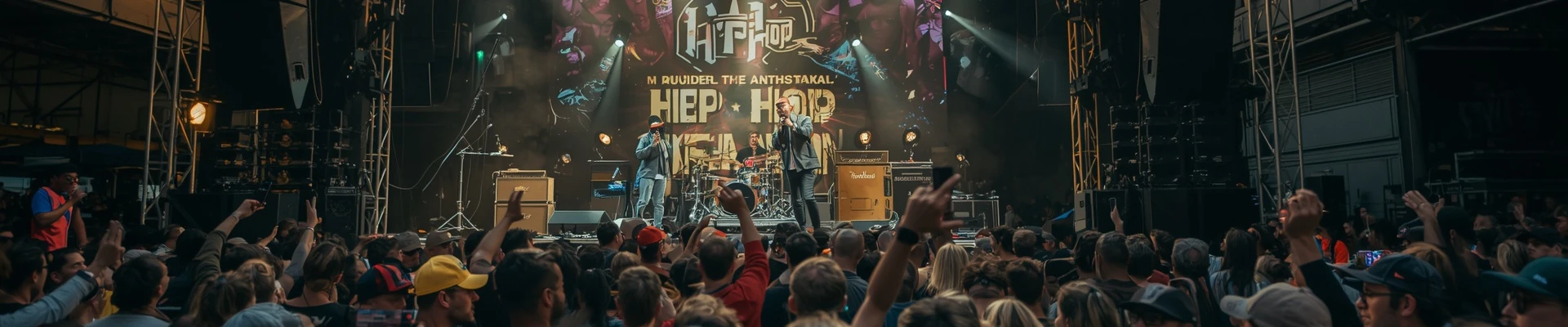
The dominant genres in Sioux Falls are country, classic rock, Americana, and singer-songwriter — reflecting both regional taste and the demographics of a Plains city whose roots are in Scandinavian and German farming communities. But the city's growing population has diversified the scene: hip-hop, indie rock, metal, electronic, and folk all have active local communities.
The most internationally visible artist to emerge from the Sioux Falls area is Adelitas Way — the Las Vegas-based rock band whose frontman Rick DeJesus grew up in Sioux Falls and whose debut single "Invincible" (2009) reached the top of the active rock charts. Pat Sajak, long the host of Wheel of Fortune, attended school in Sioux Falls, though his contributions are more television than music. More meaningfully, the city has produced a steady stream of working musicians who have built regional careers: Zach Pietrini, the Sioux Falls-based singer-songwriter, and The Cactus Pete Band are examples of local acts who have sustained regional touring careers from a Sioux Falls base. Trillion (later Sioux City-based rock act) drew heavily from South Dakota talent. The city's hip-hop scene has centered on figures like DJ Fletch and the Sioux Falls Music Scene collective, which organized shows and recordings through the 2010s.
The city's Somali and Sudanese refugee communities — Sioux Falls has one of the largest Somali populations per capita in the United States, following IBP (now Tyson) meatpacking recruitment — have brought Somali traditional music, East African pop, and Islamic devotional music into the city's cultural fabric. Karen (Burmese) and Bhutanese refugee communities have similarly added new musical dimensions. These communities sustain their own performance and recording circuits largely outside the mainstream venue infrastructure, though integration events and cultural festivals increasingly bring them into shared public spaces.
The city's country music circuit remains its bread and butter: cover bands and touring country acts fill the regional casino circuit (Prairie Wind Casino, Flandreau Santee Sioux Tribe's Royal River Casino), and the city's bar and club scene runs heavily country on weekend nights. Boot Hill (the city's longest-running country venue) and the honky-tonk tier of downtown bars define the Friday-night experience for a large portion of the population.
Venues and neighborhoods
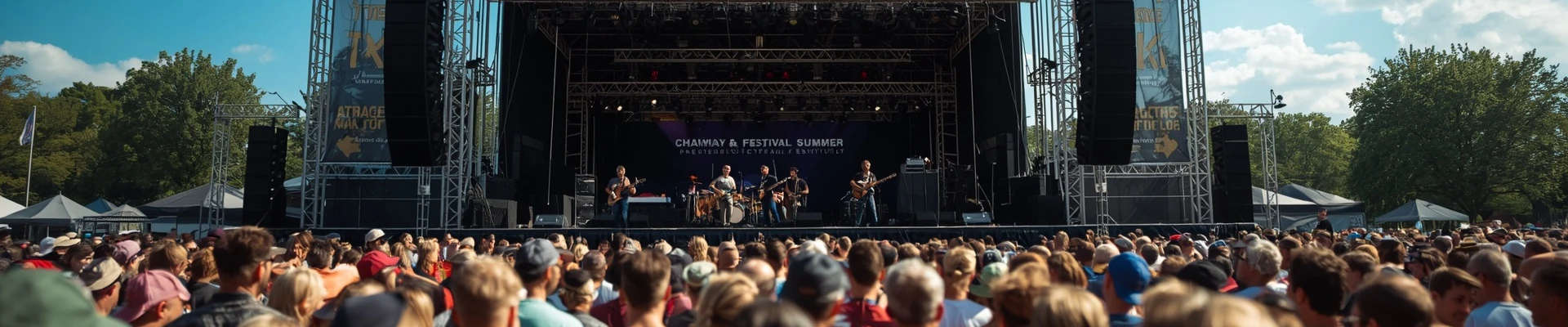
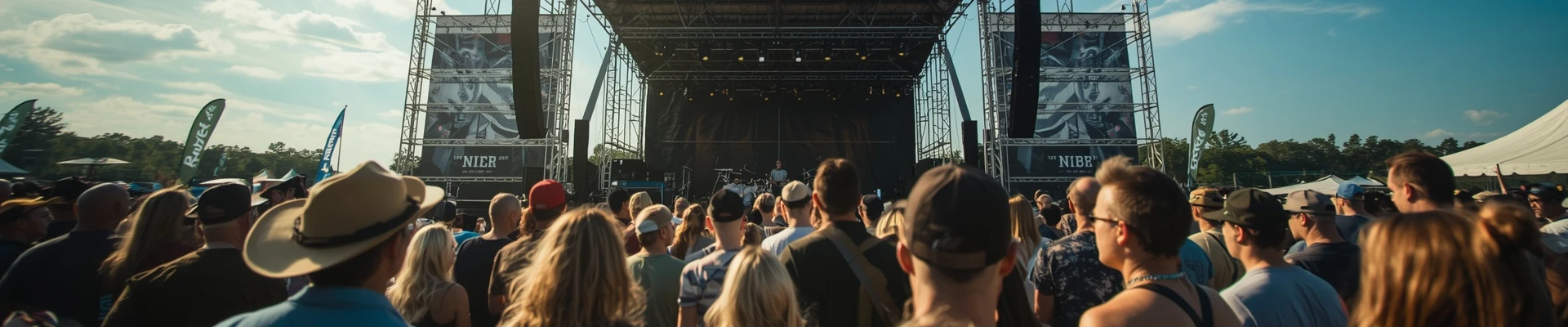
The flagship outdoor venue is Levitt at the Falls — a free outdoor amphitheatre at Falls Park that programs 50+ concerts per year, ranging from roots and Americana to hip-hop and world music, all at no charge to attendees. Levitt at the Falls, which opened in 2017 as part of the national Levitt Foundation network, has been transformative for the city's music culture, drawing audiences that might not otherwise attend live music and platforming emerging national and regional acts. The programming has included artists like Los Lobos, Violent Femmes, The Avett Brothers, and dozens of roots-music and Americana performers.
The District is the city's central entertainment district and the anchor for nightlife in downtown Sioux Falls. The District complex operates multiple venues and bars at the same address on Phillips Avenue, hosting live music ranging from local cover bands to regional touring acts. The Bigs (now closed but historically significant) was the city's longest-running rock club for much of the 2000s and 2010s.
Sanford Pentagon (18,000-seat arena) hosts the largest national touring acts — major arena concerts, country superstars, and touring pop acts that make Sioux Falls a regional destination from across the Dakotas, Nebraska, and Iowa. Denny Sanford PREMIER Center (similarly scaled, managed by the same organization) operates alongside the Pentagon for major events. Washington Pavilion of Arts and Science — the city's premier arts center, housed in a converted 1908 high school building — programs classical, theatrical, and acoustic performance in its Husby Performing Arts Center, seating around 1,800 and anchoring the higher-arts programming alongside the South Dakota Symphony Orchestra.
The downtown Phillips Avenue corridor and the Falls Park area anchor live music. The Old Courthouse Museum and downtown plazas program free outdoor summer concerts. JJ's Wine, Spirits & Cheese (later various successors) has historically been a hub for local singer-songwriter and acoustic performance. Fernson Brewing and the city's growing craft brewery sector have become important secondary live music venues, programming local and regional acts in taproom settings. WoodGrain Brewing, Lost Cabin Beer, and others follow this pattern.
Festivals and signature events
Levitt at the Falls is itself a season-long festival running May through September, with 50+ free concerts representing the most ambitious free music programming between Minneapolis and Denver. The Sioux Falls Jazz & Blues Festival — an annual summer outdoor event in Yankton Trail Park — draws regional jazz and blues artists and has expanded steadily over its two decades. Riverfest programs outdoor music along the Big Sioux River corridor. Oktoberfest and the Sioux Falls Germanfest incorporate live German traditional and polka music reflecting the city's German immigrant heritage. The Somali Independence Day celebration and African Heritage Festival program East African music and cultural performance. LifeLight — a large-scale Christian music festival held annually in nearby Hartford, South Dakota — draws hundreds of thousands of attendees and features major Christian contemporary music acts, making it one of the largest free music festivals in the United States by attendance.
What ties it all together
Sioux Falls is a Plains city that has outgrown the cultural limitations of its geography through deliberate investment and demographic transformation. The Levitt at the Falls program represents a civic bet on music as a public good — a bet that has paid off in changed community expectations about what a city of 200,000 can offer culturally. The country and rock roots of the city's Scandinavian and German settler heritage remain the dominant soundtrack of its bars and clubs, but those same venues now coexist with hip-hop nights, East African cultural performances, and touring Americana acts drawing audiences from across a 300-mile radius. The Big Sioux River falls that named the city remain its most distinctive physical landmark, and the music culture that has grown up around them reflects the same quality: something real, shaped by the land and by the people who have come to settle beside it.