

Chattanooga is the fourth-largest city in Tennessee, the seat of Hamilton County, and home to roughly 181,000 people within the city limits and more than 570,000 across the greater Chattanooga metropolitan statistical area. Nestled in a dramatic bend of the Tennessee River and hemmed in by Lookout Mountain to the southwest, Signal Mountain to the northwest, and Missionary Ridge to the east, Chattanooga is among the most physically striking mid-size cities in the American South. It sits roughly 120 miles southeast of Nashville, 115 miles northwest of Atlanta, and 100 miles southwest of Knoxville — a geographic position that placed it at the strategic crossroads of the Civil War and the railroad era that followed. The city's economy evolved from a 19th-century iron-and-railroad manufacturing hub through a 20th-century chemicals and textiles industrial base into a contemporary mix of advanced manufacturing, logistics, healthcare, tourism, and technology. The revitalization of the Tennessee Riverfront and the reimagining of Lookout Mountain as a cultural tourism destination have made Chattanooga a model of small-city urban renewal cited nationally.
A brief history
The land along the Tennessee River was home to the Cherokee Nation for centuries, and the forced removal of the Cherokee along the Trail of Tears in 1838 — organized largely from the Ross's Landing site that became downtown Chattanooga — marks one of the most painful episodes in American history. The city that grew on that site became a critical railroad junction as the Western & Atlantic Railroad linked it to Atlanta in 1850, and by the Civil War Chattanooga was strategically vital enough that the Battle of Chattanooga (November 1863) — including the climactic Battle Above the Clouds on Lookout Mountain — was among the war's decisive turning points. The Union Army's capture of the city opened the path for General Sherman's march to Atlanta and the sea.
After the war Chattanooga rebuilt rapidly as a railroad and iron manufacturing centre. The Chattanooga Choo Choo — the Terminal Station opened in 1909 and the Dixie Limited trains that ran from Cincinnati — gave the city an identity so vivid that when Glenn Miller and His Orchestra recorded "Chattanooga Choo Choo" in 1941 the song became one of the best-selling recordings in history and permanently lodged the city's name in the global musical consciousness. The song sold over 1.2 million copies, won the first-ever RIAA Gold Record, and made Chattanooga famous to audiences who would never set foot in Tennessee. The Terminal Station itself survives as the Chattanooga Choo Choo hotel and entertainment complex.
By the mid-20th century Chattanooga was one of the most heavily polluted industrial cities in the United States — the EPA rated it the most polluted in 1969 — triggering a sustained environmental and civic cleanup that reoriented the city's identity. The transformation of the Tennessee Riverfront through the 1990s, including the opening of the Tennessee Aquarium (1992) and the creation of Coolidge Park and the Walnut Street Bridge pedestrian corridor, established the template for a tourism and quality-of-life economy that has sustained growth ever since. Chattanooga's early rollout of a municipal gigabit internet network (2010) brought national attention and catalyzed a technology sector that distinguishes the city among its Southern peers.
Music identity
Chattanooga's most internationally famous musical moment remains "Chattanooga Choo Choo" — but the city's actual music history runs far deeper than a novelty big-band hit. Chattanooga sits at the meeting point of Appalachian old-time and bluegrass traditions from the mountain counties to the east and north, the Tennessee blues tradition running up from the Mississippi Delta corridor, and the gospel culture of the city's historically Black neighborhoods. These streams shaped a music ecosystem that, in the post-industrial revival era, has sustained an unusually rich live-music culture for a city of its size.
The blues and gospel traditions are the roots of the city's musical identity. The M.L. King Boulevard corridor (formerly 9th Street) sustained Black-owned clubs and music venues through the mid-20th century — a Chattanooga version of the "chitlin' circuit" that supported traveling blues and gospel artists. Bessie Smith, one of the greatest blues singers in American history, was born in Chattanooga in 1894 and grew up in a shack near the present-day Bessie Smith Cultural Center in the M.L. King neighborhood. Smith's recordings for Columbia Records through the 1920s — including "Downhearted Blues," "Ain't Nobody's Bizness If I Do," and "St. Louis Blues" — made her the highest-paid Black performer in America and one of the defining voices of 20th-century American music. The Bessie Smith Cultural Center (opened 1996 on MLK Boulevard) honors her legacy and continues to program African American arts and music in the city. The city's claim on Bessie Smith is its most consequential musical contribution — a world-historical figure whose influence on everything from blues to rock to soul is incalculable.
The Chattanooga-based contemporary indie and folk scene coalesced through the 2000s as urban revitalization made the city's Southside and North Shore neighborhoods attractive to young creatives. Moon Taxi — the Chattanooga indie-rock band formed at University of Tennessee at Chattanooga in 2006 — became the city's most nationally prominent contemporary act, building a devoted touring following with their anthemic rock sound, signing to RCA Records, and scoring sync placements in major network and streaming properties. Their arc from Chattanooga college-rock band to arena-show support act is the emblematic story of the contemporary Chattanooga scene. COIN — the synth-pop band that started in Nashville but maintained strong Chattanooga connections during its formative years — represents the broader regional pop-rock culture that Chattanooga participates in.
The Americana and roots scene is one of Chattanooga's most consistent musical assets. The proximity of the southern Appalachian mountains means old-time fiddle traditions, bluegrass, and country music have continuous practitioners in the city, and the acoustic and folk circuits that run through venues like Track 29 and the Barking Legs Theater sustain an active roots-music audience. Nappy Roots — the Kentucky hip-hop group whose 2002 album Watermelon, Chicken & Gritz went platinum — has strong regional ties that reflect the broader Southern hip-hop culture that flows through Chattanooga's Black music community.
Hip-hop in Chattanooga has grown as a scene through the 2010s and 2020s, with local artists building regional followings through streaming and DIY booking. The city's Southside neighborhood has been a launching pad for emerging hip-hop artists in the Tennessee music corridor between Atlanta and Nashville. Chattanooga has produced commercially successful country artists as well — Cole Swindell, who grew up in nearby Bainbridge, Georgia and whose formative music years include the Chattanooga regional circuit, represents the country market that the city feeds into the Nashville pipeline.
The University of Tennessee at Chattanooga (UTC) has been the seedbed for multiple generations of local bands, and its music program, combined with the activity around the campus's cultural programming, creates a steady pipeline of performers into the local scene.
Venues and neighborhoods
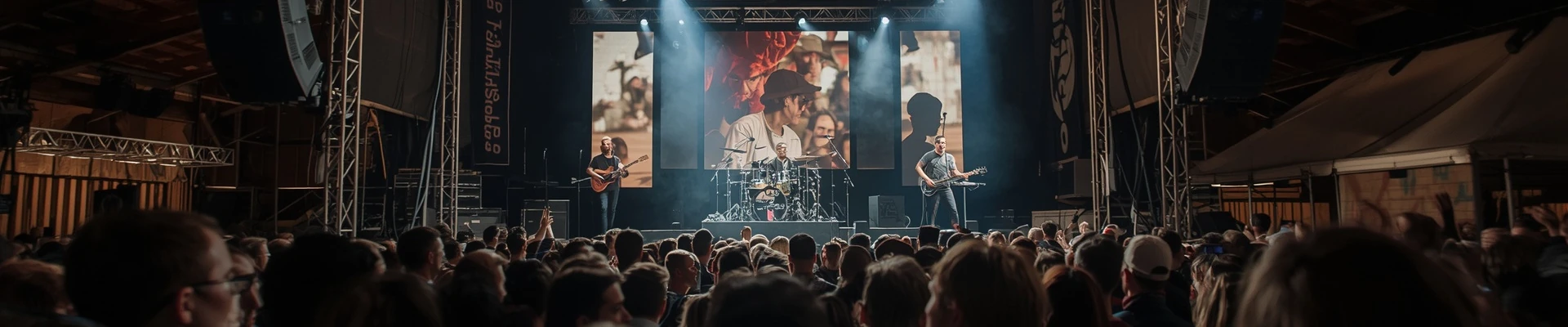
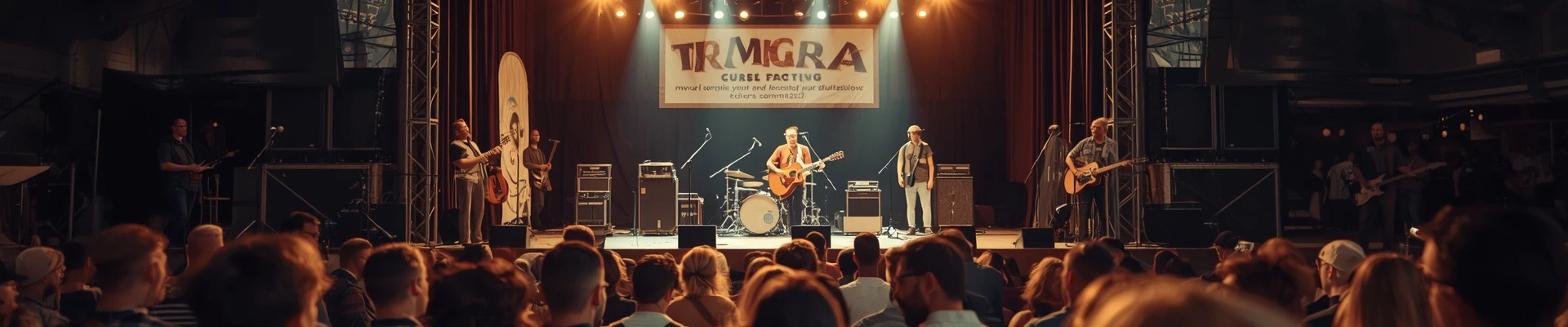
Chattanooga's venue landscape spans a wide range from major touring infrastructure down to intimate rooms. Finley Stadium and the EPB Field at Baseball handle stadium-scale outdoor events. The Soldiers & Sailors Memorial Auditorium — the 1924 beaux-arts civic auditorium on McCallie Avenue, seating roughly 3,800 — is the city's premier mid-size theater and has hosted touring classical, rock, country, and pop acts for a century. Track 29 (on Chestnut Street in the Southside) is Chattanooga's primary indie-rock and touring club, with a capacity of around 1,500 and a booking profile that consistently brings national touring acts through the city. The Chattanooga Choo Choo complex's Palm Garden and outdoor stages program music as part of the hotel-entertainment destination. Barking Legs Theater (in the East Brainerd area) programs folk, experimental, and acoustic performances in a stripped-down, audience-focused room. The Signal (capacity ~600, in the Southside) anchors the smaller club tier. JJ's Bohemia and The Flying Squirrel represent the bar and smaller venue layer. The Tivoli Theatre (1921, downtown, 1,700 capacity) programs performing arts and occasional touring rock and folk acts.
The Southside neighborhood — centered on Main Street between the Tennessee River and Interstate 24 — is the primary live-music corridor, dense with bars, clubs, restaurants, and galleries that program live music. The North Shore neighborhood (across the Walnut Street Pedestrian Bridge) sustains its own bar and restaurant music circuit. Downtown Chattanooga connects the two via the riverfront promenade. The M.L. King Boulevard corridor preserves the history of the city's African American music community and the Bessie Smith Cultural Center anchors ongoing Black arts programming.
Festivals and signature events
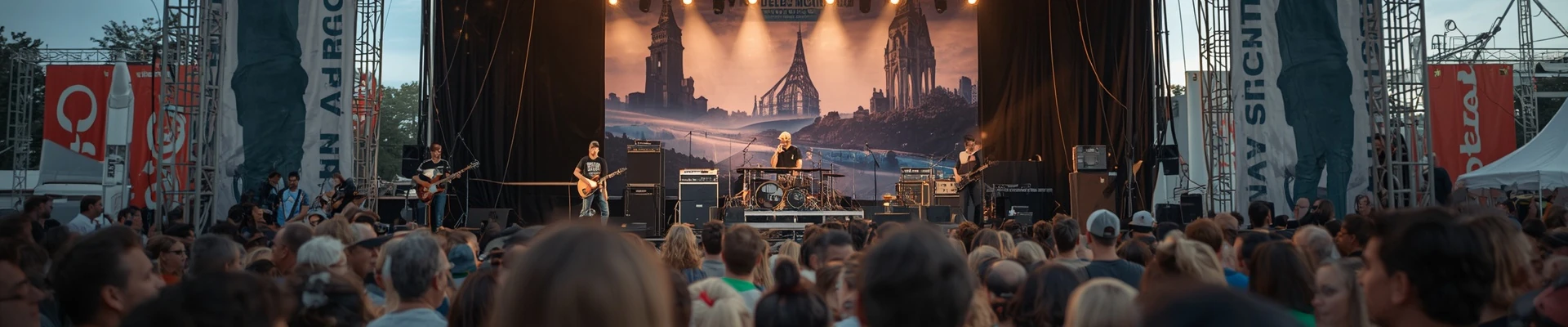
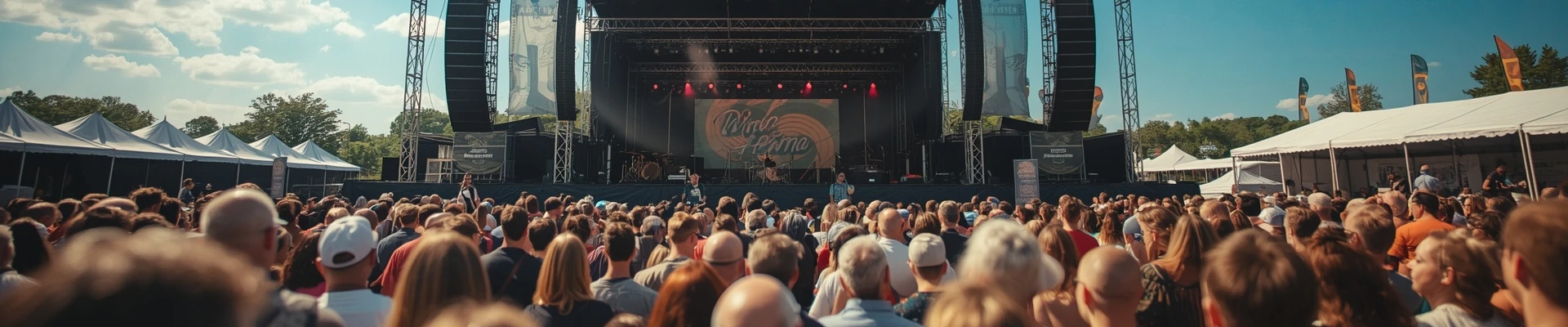
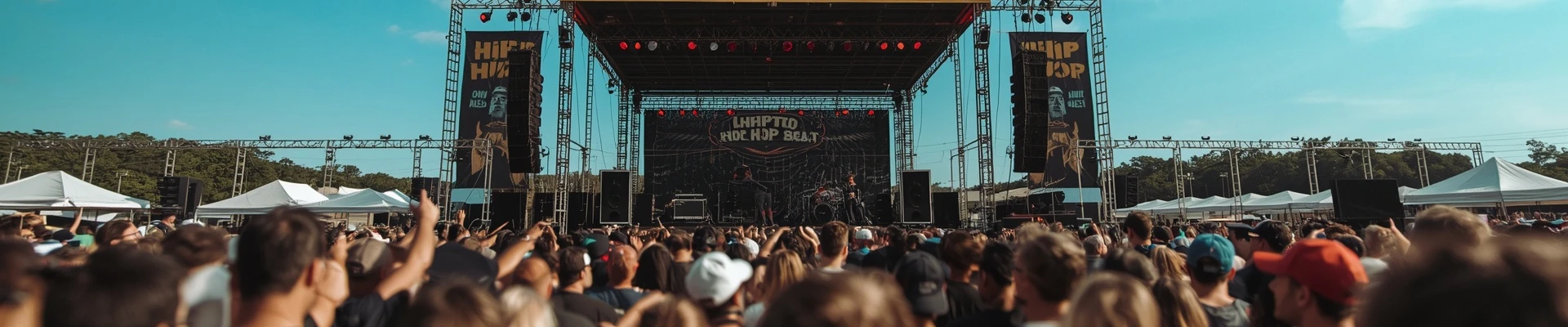
Chattanooga's festival calendar reflects its identity as both a Southern music city and an outdoor recreation destination. Riverbend Festival — a multi-day, multi-stage music festival on the Tennessee Riverfront — ran for over three decades as one of the South's major outdoor music events and established the template for riverfront festival programming in Chattanooga. The Nightfall Concert Series (free Friday evening concerts in Miller Park through the summer) has been running for decades and consistently draws large crowds with a mix of regional touring acts and local performers. Four Bridges Arts Festival integrates visual art and live music programming. Chickamauga & Chattanooga National Military Park hosts outdoor concert programming tied to Civil War commemoration. Moon River Music Festival — founded by members of Moon Taxi and programmed around the riverfront — represents the city's contemporary effort to create a signature roots-and-indie festival identity. The Sundown in the City outdoor concert series on Market Street programs local and regional acts through the warmer months.
Signal Mountain Bluegrass Festival draws the regional old-time and bluegrass community to the mountains above the city. The Chattanooga Film Festival incorporates music programming with its cinema events.
What ties it all together
The thread running through Chattanooga's music history — from Bessie Smith's childhood shack near the Tennessee River to Moon Taxi's arena-circuit tours — is the city's position as a crossing point: between the Appalachian mountain music tradition and the lowland blues, between the Nashville country industry and the Atlanta hip-hop corridor, between a mid-century industrial city struggling with pollution and poverty and a revitalized urban core that has become a model for the South. The Bessie Smith Cultural Center on MLK Boulevard and Track 29 on Chestnut Street stand a mile and a world apart, but both are expressions of the same underlying truth: Chattanooga has always been a city that makes and sustains music with a seriousness its population size doesn't fully explain. The Scenic City — ringed by mountains, split by the Tennessee River, still bearing the weight of its railroad and industrial past — has earned its place on the American music map through one of the great blues voices of all time, a modern indie band that built its fanbase one sold-out club show at a time, and an outdoor concert culture sustained by a riverfront renewal that turned an industrial wasteland into one of the South's most inviting urban gathering places.