

Clarksville is the seat of Montgomery County, Tennessee, and the state's fifth-largest city, with roughly 167,000 residents inside the city limits and a metropolitan population that pushes above 300,000 when the Fort Campbell military installation — technically straddling the Tennessee-Kentucky state line — is counted in full. The city sits at the confluence of the Red River and the Cumberland River, about 45 miles northwest of Nashville along Interstate 24. That proximity to Nashville has defined much of Clarksville's cultural gravity: close enough for musicians to commute, record, and collaborate, far enough to sustain its own club circuit, college scene, and underground identity. The Cumberland River was the city's original economic engine — flatboats carrying tobacco and dark-fired leaf to New Orleans were Clarksville's first real industry, and the region remains one of the world's primary producers of dark-fired tobacco, a heavily smoked, full-bodied leaf used predominantly for export.
A brief history
The land along the Red and Cumberland rivers was home to the Chickasaw people before European settlement. John Montgomery and Martin Armstrong established the town in 1784, naming it for General George Rogers Clark, the Revolutionary War officer. The town grew rapidly as a tobacco and river trading centre; by the mid-nineteenth century Clarksville was one of the wealthiest cities in the South on a per-capita basis, its prosperity built on tobacco, hemp, and enslaved labor. The Customs House (1898) — a Romanesque Revival federal building still standing on Commerce Street — is the architectural signature of that era's prosperity.
The Civil War was devastating: Clarksville was captured by Union forces in early 1862, only the second Confederate city to fall, and it changed hands multiple times before the war's end. Reconstruction was slow, and the city's economy contracted for decades. Fort Campbell — established in 1942 on the Tennessee-Kentucky border — remade Clarksville fundamentally. The installation brought the 101st Airborne Division (the "Screaming Eagles") and a permanent military population that has grown to more than 30,000 soldiers plus 60,000+ dependents, making Fort Campbell one of the largest military installations in the world and the primary economic driver of the Clarksville metro. The military presence shapes everything: demographics, retail, transient population, and the city's cultural texture. Soldiers and their families arrive from across the country and the world, bringing musical tastes and influences that have consistently injected outside sounds into the local scene.
Austin Peay State University — founded 1927, with around 10,000 students — provides the city's academic and artistic anchor. The university's music program, theatre, and gallery spaces sustain a creative infrastructure that keeps Clarksville from functioning purely as a Nashville satellite.
Music identity
Clarksville's music identity is shaped by three overlapping forces: the country and Americana tradition of the surrounding Montgomery County countryside; the college-scene alternative rock fueled by Austin Peay; and the military-adjacent underground of metal, punk, and hip-hop sustained by a young, transient, culturally diverse Fort Campbell population. These scenes cross-pollinate in ways that give Clarksville a more eclectic underground than its size suggests.
The city's most internationally resonant musical connection is Jimi Hendrix, who was stationed at Fort Campbell from late 1961 to 1962 as a paratrooper with the 101st Airborne. Hendrix's time at Fort Campbell, while predating his professional career, is part of his biography, and the connection is acknowledged locally — though Hendrix was not a Clarksville musician in any meaningful professional sense. His time at Fort Campbell was spent escaping the Army, developing his guitar playing in off-hours, and eventually being discharged. The more substantive Clarksville connection is the sustained current of hard rock and metal that the Fort Campbell community has fed into the local scene for decades. The transient nature of the military population means Clarksville's underground has always had a supply of young musicians from across the country, many with backgrounds in punk, metal, and hip-hop that diverge sharply from the surrounding Tennessee country landscape.
The country and Americana tradition runs deep through Montgomery County. The surrounding farmland, the dark-fired tobacco culture, and the region's proximity to Nashville and the Western Kentucky country strongholds mean that honky-tonk, bluegrass, and traditional country have always had a foothold here. Clarksville musicians have historically either migrated to Nashville to pursue commercial country careers or stayed home to work the local bar and roadhouse circuit. The city has produced and nurtured artists who move fluidly between country, singer-songwriter, and roots-rock idioms, working the regional circuit from Clarksville to Hopkinsville to Nashville.
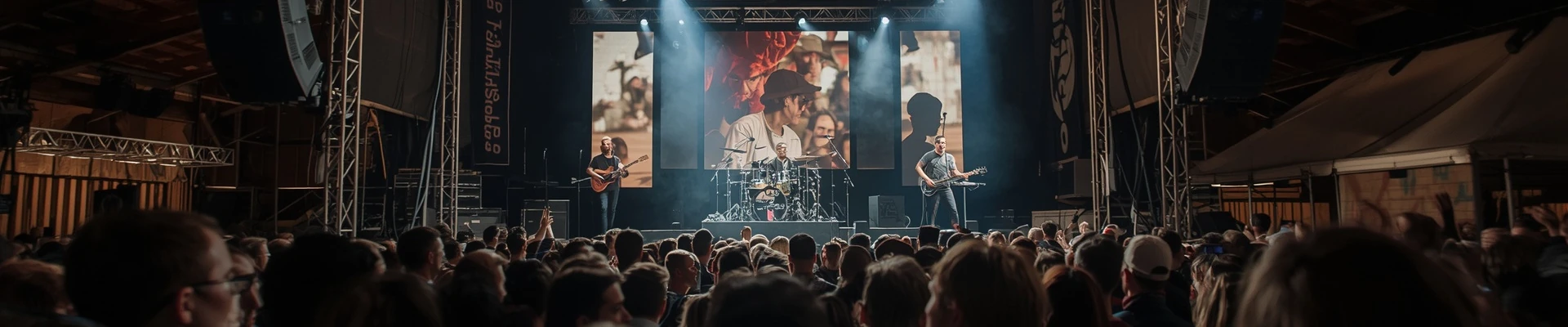
The alternative rock and indie scene, centered on Austin Peay and the club corridor along Franklin Street and the downtown square, has produced a consistent stream of bands working in post-hardcore, indie rock, and experimental rock since the late 1990s. Local acts cycle through a tight circuit of venues, build regional followings, and frequently relocate to Nashville — but the scene regenerates, fed by incoming APSU students and Fort Campbell arrivals. The Warehouse has been a central anchor for local rock and metal shows. The New Providence neighborhood, just east of downtown, has historically been a hub for house shows and basement venues feeding the underground.
Gospel and R&B have deep roots in Clarksville's Black community. The Bel Air neighborhood and churches along Kraft Street sustained a Black church music tradition through the mid-century. The city's African American population — augmented significantly by Black soldiers and their families from Fort Campbell — supports an active gospel and contemporary R&B circuit. Clarksville has produced gospel artists who have recorded independently and toured regionally, building on a tradition of strong choir culture at Black churches throughout Montgomery County.
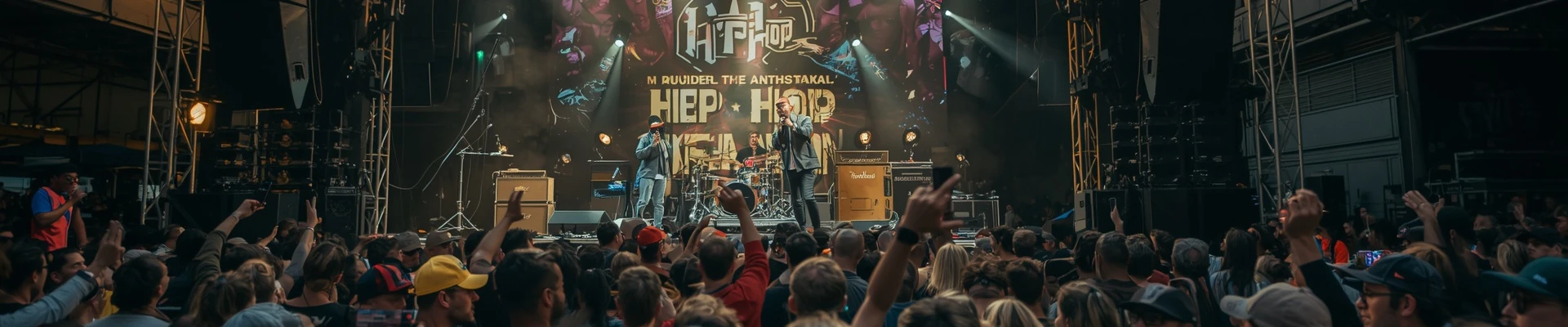
Hip-hop has grown steadily since the 1990s, fed almost entirely by the Fort Campbell demographic. The installation's diverse soldier population — drawn from urban centres across the country — brought hip-hop culture into Clarksville well before it penetrated surrounding rural Tennessee, and the city's hip-hop underground has produced locally celebrated artists working in trap, drill, and boom-bap traditions. The scene lacks major label infrastructure but sustains itself through mixtapes, local promotion, and the Nashville pipeline for artists seeking wider exposure.
Venues and neighborhoods
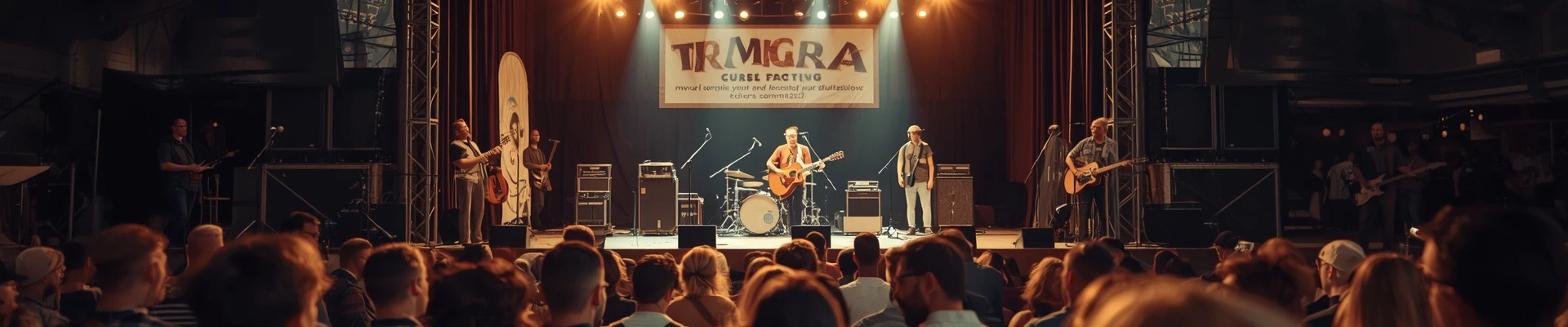
The Warehouse on Kraft Street has been the primary anchor for rock, metal, and alternative shows, hosting both touring acts and local bills. Coyote Joe's on Fort Campbell Boulevard is the quintessential country and classic rock bar serving the Fort Campbell community. Strawberry Alley Ale Works in the downtown area provides a craft-beer venue context for singer-songwriters and acoustic acts. Beachaven Winery on Dunlop Lane hosts outdoor summer concerts that draw a mix of Nashville-area touring acts and regional roots performers — their outdoor stage has become one of the city's most pleasant summer music settings. The Roxy Regional Theatre on Franklin Street is a legitimate regional performing arts venue presenting theatre, dance, and music events that attract audiences from across the Montgomery County region.
Downtown Clarksville — particularly the blocks around Public Square and along Franklin Street — has been the center of the city's arts and entertainment revival, with restaurants, bars, and performance spaces filling historic commercial buildings. The Austin Peay campus on Marion Street functions as a second cultural district, with the Trahern Building (art gallery and performing arts) and campus venues hosting student and visiting artist performances.
Festivals and events
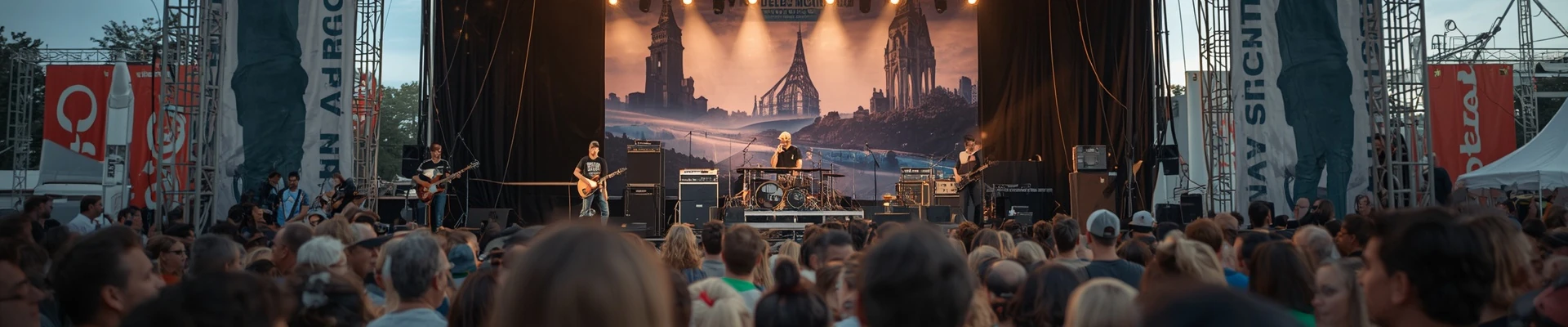
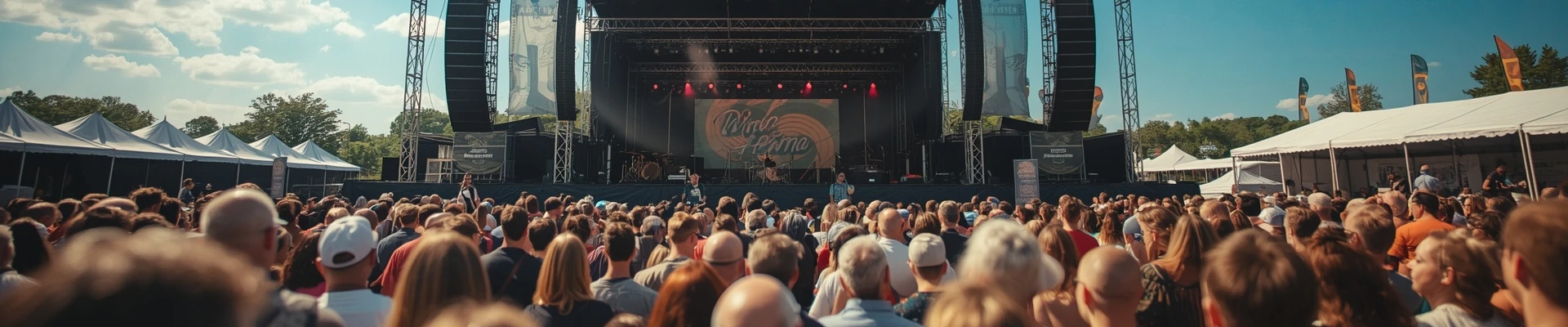
The Rivers and Spires Festival — held annually in downtown Clarksville — is the city's signature spring event, drawing tens of thousands over three days to Public Square and the surrounding streets for a multi-stage concert series that covers country, rock, bluegrass, and gospel. It is consistently one of the largest free music festivals in Tennessee. The Clarksville Jazz and Blues Festival brings a focused presentation of jazz and blues to the riverfront, drawing regional and national touring acts. The Fort Campbell Block Party is an on-post concert series that brings nationally touring artists — predominantly country and mainstream rock — to the installation's audience. GovX's promotional events around Fort Campbell have brought in national rap and country acts. The Customs House Museum and Cultural Center hosts a regular series of intimate concerts and arts events in one of downtown's most architecturally significant buildings.
What ties it all together
Clarksville's music scene is defined by its position as a crossroads city — between rural Tennessee and Nashville's industry, between civilian Appalachian tradition and the cosmopolitan mobility of a large military installation. The result is a scene of genuine eclecticism: country singers playing the same circuit as metalheads, gospel choirs sharing audiences with hip-hop artists, Austin Peay indie bands living alongside Fort Campbell soldiers who bring the sounds of Chicago, Atlanta, and Los Angeles into Tennessee's northwest corner. The Cumberland River, the dark-fired tobacco fields, the Screaming Eagles, and the relentless pull of Nashville are the four poles between which Clarksville's musical identity rotates — grounded in Southern roots tradition, constantly disrupted by the new arrivals that a permanent military installation guarantees, and always aware of the bigger city 45 miles down the interstate that both absorbs its talent and ignores its existence.