
Knoxville, Tennessee
Knoxville sits at the confluence of the Tennessee River and the Great Smoky Mountains foothills, roughly equidistant between Nashville and Charlotte. With a city population around 190,000 and a metro approaching 900,000, it is Tennessee's third-largest city — a college town, a gateway to Appalachia, and a place whose musical DNA runs several hundred years deep. The University of Tennessee anchors the western edge of the city, bringing roughly 30,000 students and a constant churn of bands, small venues, and creative energy that has refreshed every scene generation since the mid-twentieth century.
The Appalachian Root
Before Knoxville became a city in any modern sense, the music that defined East Tennessee was carried on fiddles, banjos, and dulcimers through the Appalachian valleys. The Tennessee Valley had one of the densest concentrations of old-time and early country musicians in the United States, and Knoxville was the commercial hub through which that music reached wider audiences. The WNOX Radio Barn Dance (later the Mid-Day Merry-Go-Round), launched in 1931, was one of the earliest live country radio broadcasts in the South — predating the Grand Ole Opry's national dominance and hosting a parade of artists who would go on to define American roots music. Chet Atkins spent formative years performing on WNOX before departing for Nashville, where he would reshape country music production as the architect of the Nashville Sound. The fact that Atkins cut his teeth in Knoxville tells you exactly where the city sits in the American roots music lineage.
Roy Acuff, perhaps the most canonically "country" artist of the mid-twentieth century — known as the King of Country Music — was born in Maynardville, just north of Knoxville, and began his career performing on WNOX. Acuff's mournful tenor and commitment to mountain balladry made him the commercial and cultural template for what Nashville would become. His origins in the Knoxville orbit are inseparable from his artistic identity.
The old-time tradition persisted well past the commercial country era. East Tennessee remained a stronghold for Sacred Harp singing, clawhammer banjo, and the kind of unadorned string-band music that later-century revivalists — including the folk and Americana movements — would look back to as the source. The Tennessee Valley Old Time Fiddlers Association kept community gatherings alive across decades when the mainstream looked elsewhere. That continuity matters: Knoxville musicians have never had to fake a relationship to the roots, because the roots are literally in the mountains surrounding them.
The Modern Roots and Americana Scene
Knoxville's most internationally recognized musical export in recent decades is R.B. Morris — a singer-songwriter, poet, and playwright whose work embodies the East Tennessee voice with literary ambition. Morris operated for years out of Knoxville's small venues, earning admiration from critics and fellow artists across the Americana world. He represents a particular strain of Knoxville creativity: deeply local in subject matter, cosmopolitan in craft.
Todd Steed, fronting Todd Steed and the Sons of Phere, brought a psychedelic Appalachian rock sensibility that blended old-time melody with blistering guitar work — a sound that earned the band a devoted regional following and critical notices beyond Tennessee. The Niffty Gritty Dirt Band connections run through Knoxville-adjacent musicians who participated in the landmark Will the Circle Be Unbroken sessions (recorded in Nashville but drawing on the East Tennessee tradition). John Hartford, one of the most eccentric and beloved of all American roots musicians, lived and performed in this orbit for stretches of his career.
The Americana scene that flourished in Knoxville from the 1990s through the 2010s drew on all of this history. Venues like The Pilot Light — a cramped, committed listening room and DIY space on Jackson Avenue in the Old City — became the anchor for indie, folk, and Americana acts both local and touring. The Pilot Light's stripped-down ethos, no-frills atmosphere, and genuine commitment to live music made it one of the most respected small rooms in the Southeast, the kind of place that bands specifically route tours through because the audience actually listens. Scruffy City Hall (later rebranded from its previous incarnation) similarly provided a mid-size option for the growing scene.
Old City and Market Square
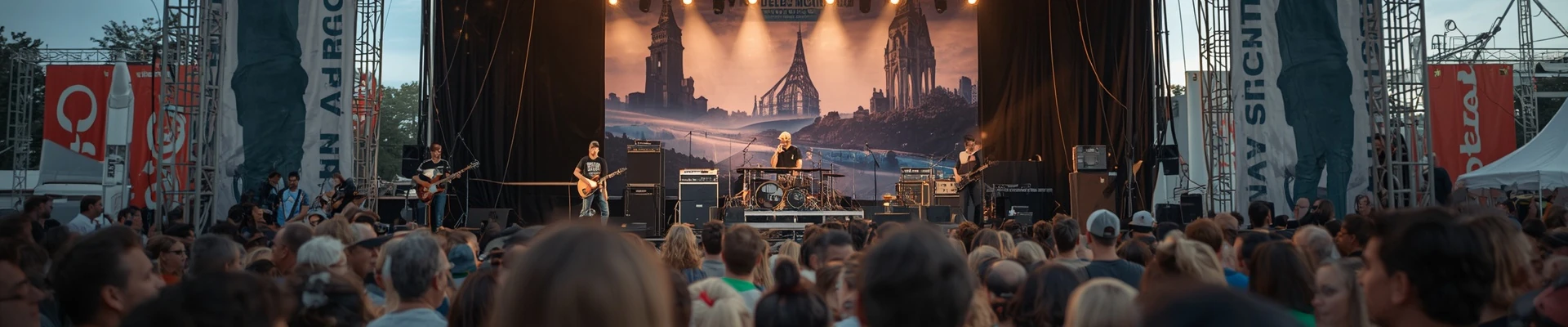
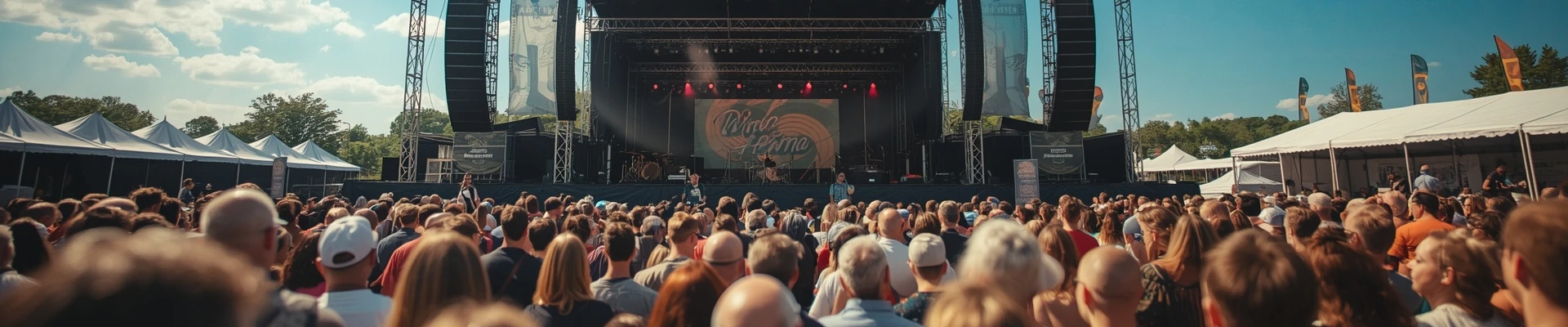
The geography of Knoxville's music scene is compact and walkable. Old City — roughly the stretch of Jackson Avenue running east from downtown — has been the nightlife and arts corridor since the late 1980s urban revival. By the mid-1990s it had accumulated a critical mass of bars, venues, and galleries. The Patrick Sullivan's Saloon building and The Square Room contributed to the density. Market Square, the pedestrian plaza at the heart of downtown, functions as Knoxville's civic living room — home to the long-running International Biscuit Festival and, more relevantly, the summer Market Square Farmers' Market concerts and the Sundown in the City free outdoor concert series, which has drawn regional and national acts since the early 2000s and remains one of the most beloved free music programs in Tennessee.
The Tennessee Theatre on Gay Street is the city's grand historic cinema-and-concert hall, a 1920 Spanish-Moorish palace that hosts touring acts from classical ensembles and Broadway productions to rock and R&B. Its interior — with a working Wurlitzer organ, gilded ceiling, and ornate décor — is one of the most beautiful rooms in the American South. The Bijou Theatre, next door on Gay Street, is an even older venue (1817 building, renovated as a performing arts space) that accommodates around 700 and books an eclectic mix of folk, blues, comedy, and indie rock.
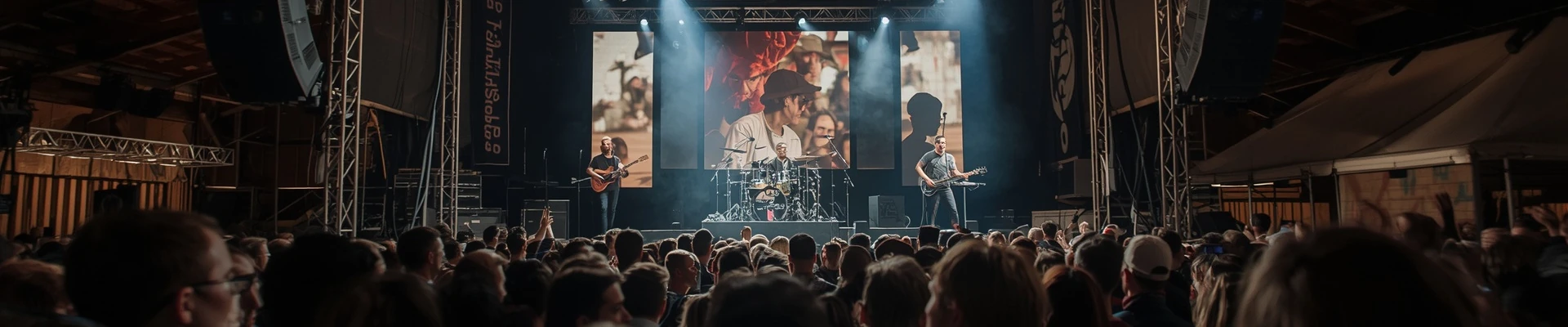
The Mill & Mine opened in a converted industrial space near the river in the 2010s and quickly became the city's primary mid-size venue for touring indie, rock, and electronic acts, filling the gap between the intimate rooms of Old City and the arena capacity of the Thompson-Boling Arena at UT (now Food City Center), which handles arena-scale touring production.
The University of Tennessee Orbit
UT's Knoxville campus is the perpetual engine of the local scene. The Student Union has long hosted concerts; the Clarence Brown Theatre on campus presents high-quality productions. But more importantly, the university generates the bands. Countless Knoxville groups have formed in dorm rooms and practice spaces along The Strip (Cumberland Avenue), played their first shows at small venues near campus, then graduated to Old City bookings. This pipeline has been consistent across genres — from the garage and punk scenes of the 1980s to the indie and emo bands of the 2000s to the electronic producers of the 2010s.
The UT School of Music has produced classically trained musicians who cross over into the city's popular scene, and the university's radio station tradition fed into the broader music culture. WUTK (90.3 FM), the student-run station, has historically championed local music and underground acts in a way that few college radio stations in a market this size can match.
Blues, Soul, and Diverse Traditions
Knoxville has a historic African American community whose music history intersects with the broader story of the city in ways that deserve acknowledgment. East Vine Avenue and the neighborhoods around it were centers of Black cultural life through the twentieth century. The Gem Theatre (demolished) and other venues in the historically Black East Knoxville district hosted blues and soul performances that were largely invisible to the white-written city histories of the era. Howard's Restaurant and other establishments kept that world alive.
The blues tradition in East Tennessee is quieter than the Delta or Chicago strains — more string-band inflected, more mountain-influenced — but it is genuine. Knoxville also has a notable Mexican and Central American immigrant community centered in parts of East Knoxville, which has brought Spanish-language radio programming, cumbia, norteño, and banda music to the city's sonic landscape over the past three decades, adding a layer to what was once a predominantly Anglo-Appalachian soundscape.
Festivals and Signature Events
Big Ears Festival is Knoxville's most nationally and internationally prominent music event — a multi-venue, multi-disciplinary event founded in 2009 that focuses on avant-garde, contemporary classical, experimental, jazz, and adventurous music that does not fit comfortable genre categories. Big Ears books artists like Kronos Quartet, William Basinski, Julia Holter, Godspeed You! Black Emperor, and Steve Reich Ensemble — names that fill the pages of experimental music press. The festival uses the Tennessee Theatre, the Bijou, the Mill & Mine, and a constellation of smaller rooms across downtown simultaneously, giving it an immersive, city-wide quality. Big Ears has become one of the most respected festival programs in the country for adventurous music — a remarkable achievement for a mid-size Tennessee city, and a testament to local curatorial ambition.
Sundown in the City runs from spring through early fall, bringing free Thursday-night concerts to Market Square with a booking policy that covers R&B, rock, reggae, and local artists — one of the genuinely accessible and beloved cultural programs in downtown Knoxville. Boomsday, the city's massive Labor Day fireworks event on the Tennessee River, features large-scale musical performances and draws hundreds of thousands of people — the largest annual fireworks event in the Southeast.
The Defining Signature
What ties Knoxville together musically is the density of the Appalachian roots, the university-driven creative churn, and the willingness to take experimental and underrepresented music seriously — exemplified by Big Ears. Knoxville is not a city that produces one genre; it produces musicians shaped by the mountain tradition who then do whatever they want with that foundation. The result is a scene notable for its authenticity, its literary streak, and its quiet refusal to become merely a satellite of Nashville. The river, the mountains, the old-time radio barn dances, the DIY rooms on Jackson Avenue — they all run together in a city that has been making original music longer than most American cities have existed.