






Abilene is the seat of Taylor County in west-central Texas, with roughly 125,000 residents inside the city limits and a metropolitan footprint reaching nearly 170,000 across Taylor and Jones counties. Positioned on the southern edge of the Llano Estacado at an elevation of about 549 metres, Abilene sits where the rolling plains begin their gradual slope toward the Colorado River drainage. The city lies 180 miles west of Fort Worth, 150 miles south of Lubbock, and 280 miles northwest of Austin — firmly in a part of Texas where distances between cities are measured in hours of open highway. Abilene's economy has historically rested on ranching, cotton farming, oil-field services, and military presence: Dyess Air Force Base, home to the 7th Bomb Wing (B-1B Lancers) and the 317th Airlift Wing (C-130J Hercules), is the city's largest single employer and injects a steady population of military families who bring musical tastes and talent from across the country. The city hosts Abilene Christian University (ACU), Hardin-Simmons University (HSU), and McMurry University — three faith-affiliated institutions that together give Abilene an outsized university presence and have anchored its Christian music and gospel traditions for over a century.
A brief history
The land that became Abilene was home to the Comanche people through the 19th century. The city was founded in 1881 when the Texas and Pacific Railway drove westward across the plains and cattle drivers and speculators platted a townsite along the rail corridor, naming it after Abilene, Kansas — the famous cattle-drive terminus. Within a decade ranching operations, feed and grain trade, and a small commercial district were established. The founding of Simmons College (now Hardin-Simmons) in 1891 and Abilene Baptist College (now Abilene Christian University) in 1906 began the city's long relationship with faith-based education. Oil discoveries in the Permian Basin region during the 1920s and 1930s brought capital and population to the broader region, though Abilene itself was less dramatically transformed by oil than cities closer to the most productive fields. The establishment of Camp Barkeley (later replaced by Dyess Air Force Base) during World War II permanently altered the city's demographics and economy. Through the post-war decades Abilene grew steadily, its growth tied to federal defense spending, regional healthcare (it anchors medical services for a vast surrounding territory), and the agricultural economy of West Texas.
Music identity
Abilene's musical identity is shaped by three intersecting streams: country and western, rooted in the ranching culture and cowboy tradition that defined the region; gospel and Christian music, sustained by the three universities and an unusually dense concentration of evangelical churches; and a DIY indie and alternative scene that has emerged from ACU's and McMurry's student bodies since the 1980s.
The city's country roots are deep. West Texas has always had a distinctive feel within the broader country tradition — sparer, more sun-bleached, more influenced by border music and Tex-Mex rhythms than the Nashville sound. Abilene was part of the touring circuit for Bob Wills and the Texas Playboys during the Western Swing era; Wills performed throughout the region, and the dancehall culture he helped popularize left an imprint on Abilene venues that lasted for decades. The Nolan County Coliseum in nearby Sweetwater and the honky-tonks of Abilene's South First Street corridor hosted touring country acts through the 1960s and 1970s. Abilene-area musicians contributed to the broader West Texas country tradition alongside figures from Lubbock and Amarillo.
Gospel and Christian music are arguably the city's most internationally consequential musical output. Abilene Christian University's choral program has produced singers and musicians who have fed into both Contemporary Christian Music (CCM) and broader gospel circuits for generations. The Hardin-Simmons University Cowboy Band — founded in 1921, one of the oldest college marching bands in the Southwest — is a cultural institution in its own right, regularly performing at Texas state events and regional parades. The CCM industry's consolidation in Nashville and Los Angeles drew Abilene-trained musicians outward rather than keeping them at home, but the pipeline has remained steady.
The rock and alternative scene, while smaller than in Texas's larger cities, has produced notable acts. Midnight to Twelve and a succession of bands through the ACU and McMurry club circuits kept live original music flowing through the 1990s and 2000s. Abilene-connected musicians have appeared in Austin, Dallas, and Lubbock scenes — the city functions as a feeder for the larger Texas markets rather than an insular endpoint.
Venues and neighborhoods
The Abilene Civic Center anchors the city's largest performance activity — a 2,200-seat arena and convention complex that hosts touring country, Christian, and regional acts. The Paramount Theatre on Pine Street in downtown Abilene is the city's most historic performing arts space: a 1930 Art Deco theatre that has been restored and hosts concerts, films, and community events. The Grace Museum (formerly the Abilene Fine Arts Museum) on Cypress Street in the historic Grace Hotel building hosts smaller acoustic and classical programming.
Downtown Abilene — particularly the stretch of Pine Street and the adjacent Cypress and Walnut Street blocks — has seen a modest revival in live music, with bars and small venues presenting local and regional acts on weekends. Jake's Bar and Grill, Mabel's, and rotating spots along the downtown strip have served as the primary hubs for local bands. The Buffalo Gap area south of Abilene, while more suburban, hosts occasional outdoor and festival events.
The ACU campus in northeast Abilene has its own chapel and performing arts facilities that present student-led Christian and contemporary music year-round. The Hardin-Simmons campus on the north side similarly programs chapel concerts and recitals. McMurry University's Ryan Fine Arts Center rounds out the university performance infrastructure.
Festivals and signature events
Western Heritage Classic is one of Abilene's signature annual events — a celebration of ranch and cowboy culture held at the Taylor County Expo Center that draws cowboy poetry, Western swing, and traditional country music alongside rodeo competition. It represents the living connection between Abilene's ranching heritage and its music culture.
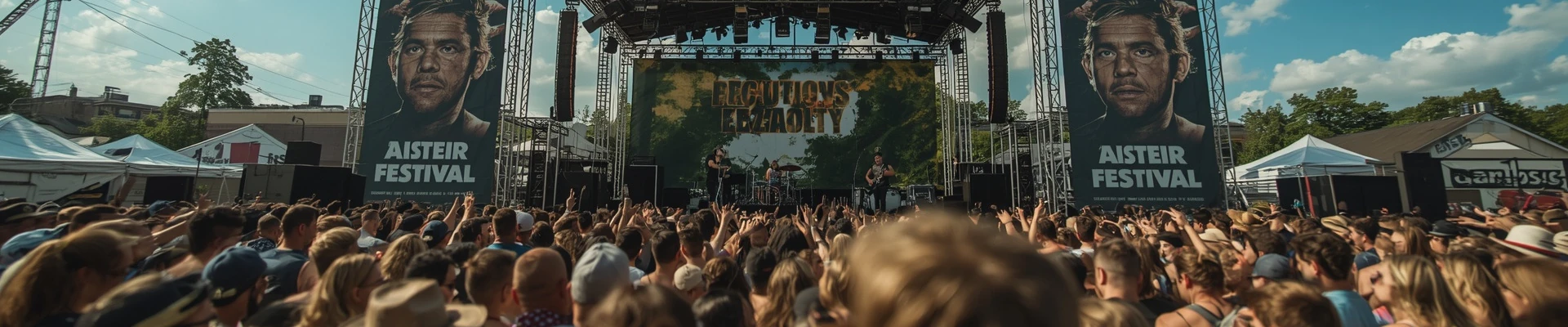
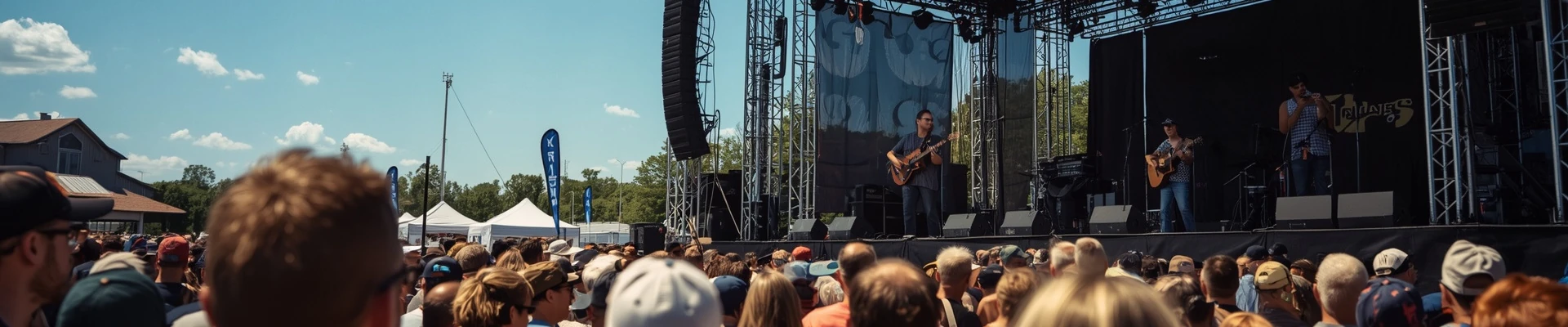
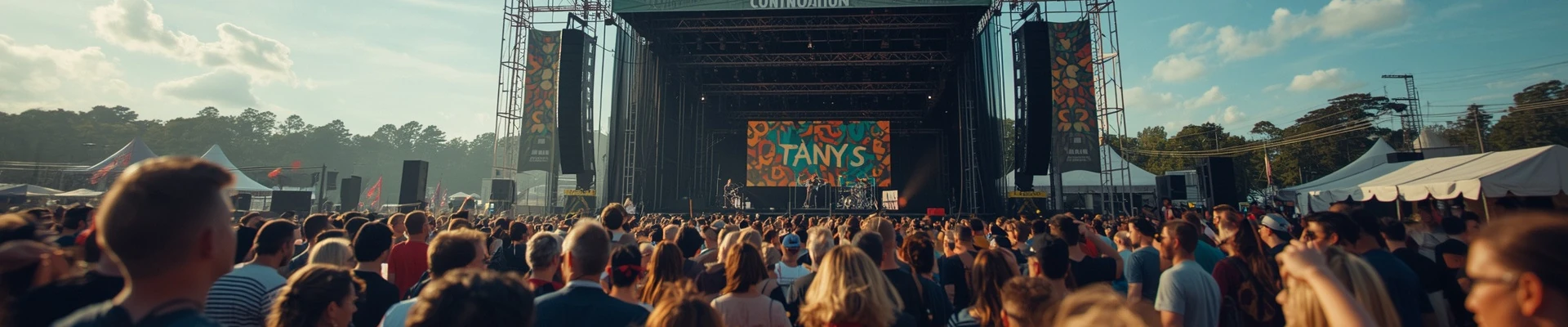
Abilene's Chili Cook-Off and the West Texas Fair & Rodeo (held each September at the Taylor County Expo Center) feature live music stages with regional country, rock, and Tex-Mex acts. The Storyville Music and Arts Festival, a smaller downtown event, has brought local and touring indie and Americana acts to the Pine Street area in recent years. The Abilene Philharmonic Orchestra, founded in 1950, presents a classical season at the Civic Center Auditorium — a reminder that the city's cultural ambition has always exceeded what outsiders might expect of a mid-sized West Texas town.
Demographics and community music
Abilene's Latino community — primarily of Mexican-American heritage, concentrated in the South Side neighborhoods — sustains a Tejano and norteño tradition that rarely makes the headline stages but is deeply embedded in family celebrations, quinceañeras, and community venues. The Dyess AFB population brings musical influences from across the United States and, given the base's international deployments, occasionally from abroad. The city's African American community, centered historically around North First Street, contributed to Abilene's gospel tradition through congregational music in Baptist and Church of Christ churches — a stream of sacred music practice that crosses racial and denominational lines with unusual fluency in Abilene because of the ACU and HSU church connections.
What ties it all together
Abilene is a city where the sacred and the secular have always shared the same air. The same families who fill the ACU chapel for Friday worship concerts pack the Civic Center for country touring acts on Saturday night; the same students who rehearse gospel arrangements in the Hardin-Simmons music building are playing in original indie bands at downtown bars on Thursday evenings. West Texas space — the vast, flat, sun-blown openness of it — gives Abilene's music a particular quality of isolation-turned-intensity: acts that develop here develop in relative creative independence from Austin or Dallas trends, producing a self-reliance that has always been a reliable source of unexpected talent. The city has given more to the wider world than the wider world typically credits. The "Abilene" of Gordon Lightfoot's 1963 hit (co-written by John D. Loudermilk) evoked a mythic Texas frontier quality that resonated precisely because the real city carries that quality honestly — wide open, hardworking, and quietly musical in ways that repay attention.