
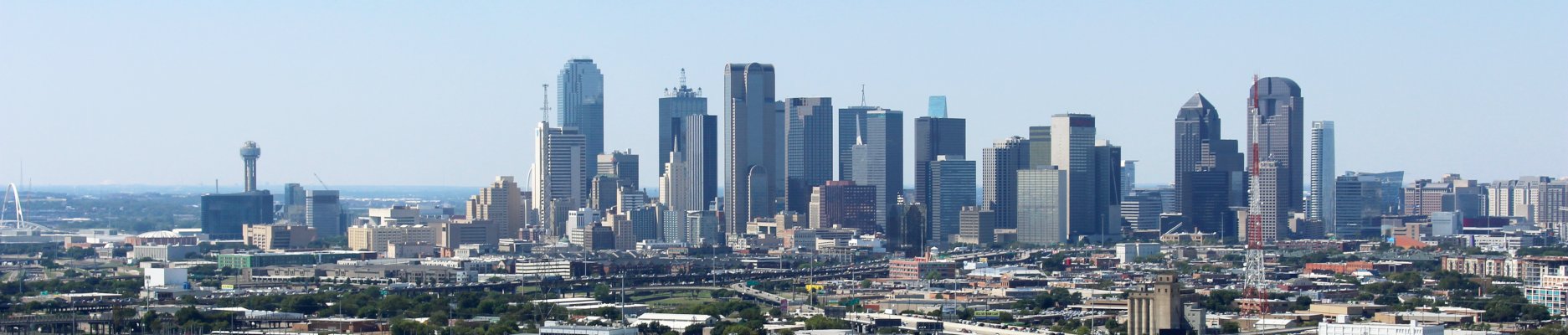
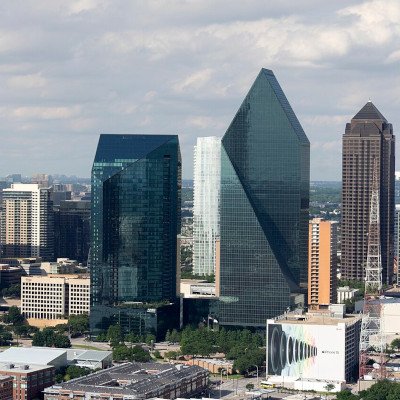
Dallas is the third-largest city in Texas and the ninth-largest in the United States, with roughly 1.33 million residents inside the city limits and more than 7.7 million across the surrounding Dallas–Fort Worth–Arlington metropolitan area, the largest metro region in the South and the fourth-largest in the country. Stretched across the rolling prairies of North Texas along the Trinity River, twinned with Fort Worth to the west, and ringed by Plano, Garland, Irving, Mesquite, Arlington, and a constellation of fast-growing suburbs, it is one of the most economically diverse and rapidly expanding metropolises in North America. Dallas's musical history reflects that geography and demography — a meeting point of country, blues, Black gospel, Mexican-American conjunto and Tejano, and a half-century of nationally important hip-hop, R&B, and indie scenes.
A brief history
The land between the Trinity's forks was Wichita, Caddo, and Comanche territory before John Neely Bryan staked the first Anglo-American settlement on the river's east bank in 1841. Dallas was incorporated in 1856 and grew rapidly after the arrival of the Houston and Texas Central and Texas and Pacific railroads in 1872 and 1873, which made the city the freight, banking, and cotton-trading capital of North Texas. The 1930 discovery of the East Texas Oil Field turned Dallas into the financial center of the Texas oil industry; the postwar growth of insurance, banking, defense, and electronics — and the relocation of corporate headquarters from across the country in the 1970s and 1980s — built the modern Dallas–Fort Worth metroplex. Successive waves of migration — Black Southerners during the Great Migration, Mexican and Central American immigrants throughout the 20th and 21st centuries, and large Vietnamese, Indian, Korean, and East African communities since the 1990s — have built a city that is roughly 42% Hispanic, 24% Black, and increasingly multilingual.
Music identity
Dallas's modern musical history starts with the blues. Deep Ellum, the historically Black neighborhood just east of downtown along Elm Street, was one of the most important blues centers in Texas in the 1920s and 1930s. Blind Lemon Jefferson, Lead Belly, T-Bone Walker (a Dallas native and the architect of electric blues guitar), Aaron "T-Bone" Walker's extended lineage, and a long line of Texas blues guitarists came up through Deep Ellum and the surrounding Black neighborhoods. The same era saw Western swing crystallize across North Texas through Bob Wills and His Texas Playboys (whose career ran through Fort Worth's Crystal Springs Pavilion and Dallas–area dance halls), the Light Crust Doughboys, and a generation of fiddle-and-guitar bands that fused country, jazz, and blues into a uniquely Texan dance music. Big Tex at the State Fair, the Cotton Bowl, and the Texas Centennial of 1936 turned Dallas into a national showcase for the music.
After World War II Dallas became a major country and gospel hub. Big D Jamboree, broadcast from the Sportatorium from 1947 onward, was a Saturday night country and rockabilly variety show that helped break Elvis Presley, Carl Perkins, Johnny Cash, Roy Orbison, and a generation of touring artists in Texas. Jim Beck Studios on Ross Avenue cut some of the most important early honky-tonk and country recordings of the era, including the original Lefty Frizzell and Marty Robbins sessions. Ray Price, Sonny James, and Hank Locklin all worked Dallas studios and stages. The city's Black gospel tradition ran through churches across South Dallas and Oak Cliff and into the Stax-era careers of artists like The Texas Playboys (the gospel group, not Wills's band) and a long lineage of choirs.
The 1960s and 1970s extended the lineage. Stevie Ray Vaughan and his older brother Jimmie Vaughan grew up in Oak Cliff, came up through the Dallas–Fort Worth blues circuit in the late 1960s and early 1970s, and would together remake American blues guitar through the Fabulous Thunderbirds and Stevie's Double Trouble. Freddie King, the Dallas-and-Gilmer-raised electric blues guitarist whose Texas Cannonball sound shaped Eric Clapton, Jimmie Vaughan, and the entire British blues-rock generation, lived and recorded in Dallas through much of his career. Don Henley, born in Gilmer and raised in nearby Linden, came up through the Dallas–Denton circuit before leaving for Los Angeles to co-found the Eagles. Meat Loaf, raised in Oak Cliff, sang in Dallas–area church and school groups before leaving for Los Angeles. Roy Orbison, though Wink-born, recorded much of his later catalog in Dallas–Fort Worth studios. The 1970s saw the rise of ZZ Top in nearby Houston, but Dallas's own hard-rock and prog-rock scenes built a strong regional circuit through Bloodrock, Toad the Wet Sprocket's Texas counterparts, and the Edgar Winter Group's Dallas–area roots.
The 1990s and 2000s remade the city again. The Dixie Chicks (now The Chicks) — Martie Maguire, Emily Strayer, and Natalie Maines — formed in Dallas in 1989 and went on to become one of the best-selling country acts of the 1990s and 2000s. The Toadies, Tripping Daisy, the Old 97's, Edie Brickell & New Bohemians, Bedhead, Centro-matic, and a deep alt-country and indie-rock scene built around Trees, the Galaxy Club, and Club Dada in Deep Ellum gave Dallas a distinct alternative identity in the 1990s. The Polyphonic Spree and Tim DeLaughter's Dallas projects, Midlake in nearby Denton, and the St. Vincent of Annie Clark (who grew up in nearby Lake Highlands) carry the lineage forward. Erykah Badu, born and raised in South Dallas, broke nationally with Baduizm in 1997 and became one of the central figures in the neo-soul movement; her ongoing presence in Dallas — through her family, her D.O.C. NYC screenings, and her annual birthday concerts — has kept the city central to modern R&B. Christian rock and CCM (contemporary Christian music) built a major Dallas–Fort Worth industry through artists like Rebecca St. James, the Newsboys' Dallas operations, David Crowder Band in nearby Waco, and the megachurch circuits at Prestonwood, Gateway, and Fellowship Church.
Dallas hip-hop has its own deep lineage. Vanilla Ice, raised in part in Dallas, scored the early-1990s pop-rap breakthrough that opened doors for Texas rap. The D.O.C., born in Dallas and a key writer for N.W.A and Dr. Dre, helped translate West Coast gangsta rap into commercial gold. Erykah Badu's collaborations with Dallas hip-hop royalty — Big Tuck, Tum Tum, Lil Wil, and the Dirty South Rydaz's 2000s wave — built a regional sound. Yella Beezy, Trapboy Freddy, Mo3, Dorrough Music, Tay-K's Dallas–area ties, and Bobby Sessions continue the modern Dallas hip-hop lineage. Post Malone, raised in Grapevine just outside Dallas, broke through the Dallas–Fort Worth circuit in the mid-2010s. Leon Bridges — though Fort Worth–based — runs in the same metroplex orbit and is part of the broader Dallas–Fort Worth soul revival alongside Ronnie Heart and Sam Lao. Latin music — Tejano, conjunto, banda, regional Mexican, and Latin urban — runs through Oak Cliff, Pleasant Grove, Garland, Irving, and the densely Latino corridors of southwestern and northeastern Dallas County. Selena's Dallas concerts and the city's Spanish-language radio dial keep the regional Mexican scene central to civic life.
Venues and neighborhoods
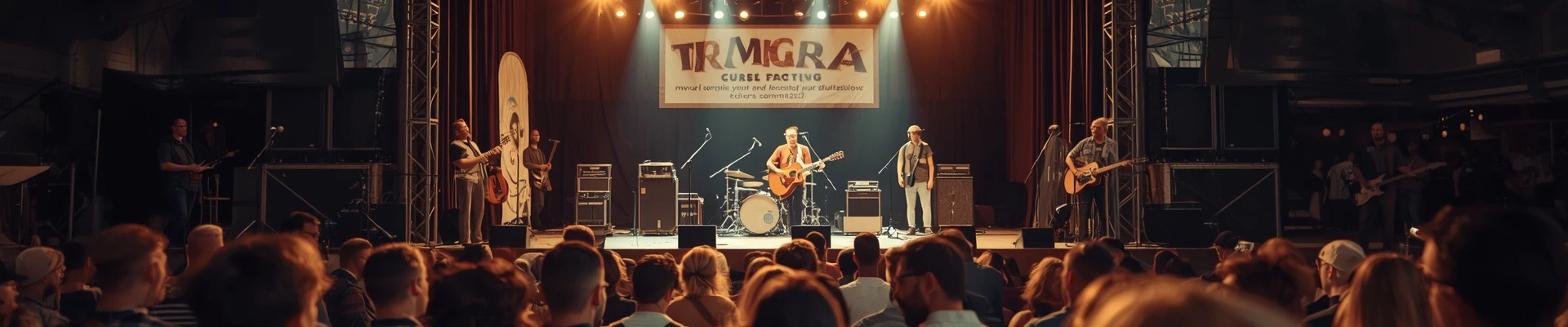
Dallas has a vast venue ecosystem. At the top sit the American Airlines Center (home of the Mavericks and Stars), AT&T Stadium in Arlington (one of the country's largest concert footprints), Globe Life Field in Arlington, Dos Equis Pavilion at Fair Park, the Music Hall at Fair Park, the Meyerson Symphony Center (home of the Dallas Symphony Orchestra), the Winspear Opera House, The Pavilion at Toyota Music Factory in Irving, and the Texas Trust CU Theatre at Grand Prairie. The midsize tier includes the Granada Theater on Greenville Avenue, House of Blues Dallas, The Bomb Factory (now The Factory in Deep Ellum), the South Side Ballroom, the Echo Lounge & Music Hall, and the Studio at the Factory. Beneath them is a deep club layer — Trees (the legendary Deep Ellum club), Club Dada, Three Links, The Cambridge Room, Double Wide, Adair's Saloon, the Curtain Club, Sundown at Granada, Sons of Hermann Hall, the Kessler Theater in Oak Cliff, Ruins, Off the Record, Twilite Lounge, and a network of bars, listening rooms, and DIY spaces across Deep Ellum, Lower Greenville, Bishop Arts, Exposition Park, and Denton's downtown square. Latin music has homes at Gilley's Dallas, Texas Trust CU Theatre, and a long list of dance halls and clubs across the southwestern and eastern metroplex.
Different neighborhoods carry different musical identities. Deep Ellum remains the heart of the city's blues, alt-rock, and indie history and continues to anchor the live-music circuit. South Dallas and Oak Cliff are central to Black Dallas — blues, gospel, jazz, hip-hop, and R&B — and to Erykah Badu's continuing presence. Bishop Arts and the Cedars anchor an indie and DIY tier. Lower Greenville and Lakewood support the singer-songwriter and country tradition. Denton, 60 km north and home to the University of North Texas (whose jazz program is one of the most respected in the country), is the metroplex's indie incubator — Midlake, Norah Jones (briefly UNT-affiliated), Brave Combo, and a long lineage of jazz, indie, and experimental artists came up there. Pleasant Grove, Oak Cliff, Garland, and Irving anchor the Latin and Tejano scenes. Fort Worth, an hour west, has its own deep country, soul, and Western swing tradition that runs in parallel.
Festivals and signature events
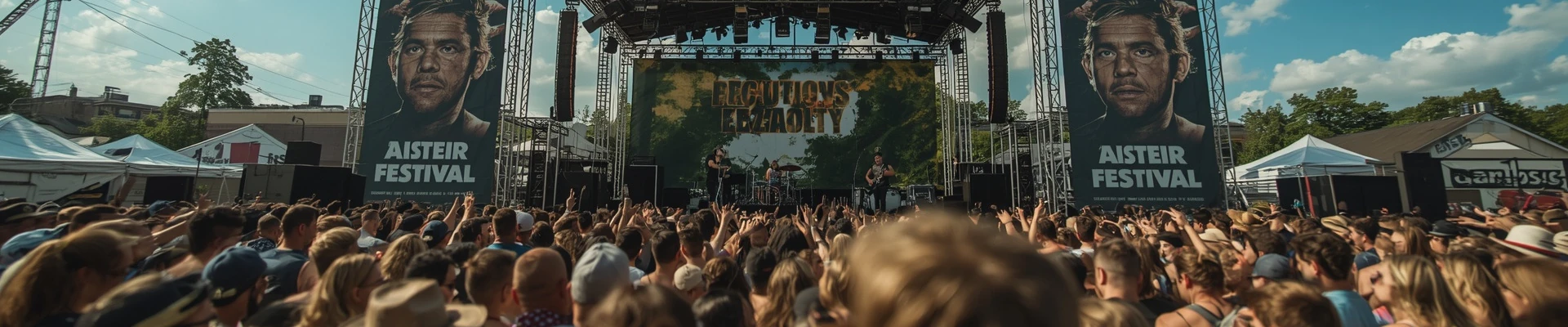
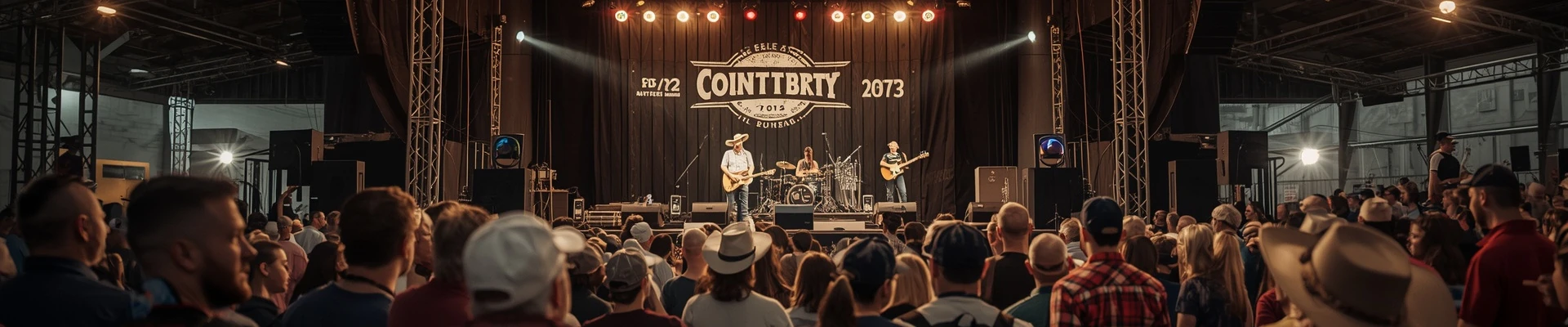
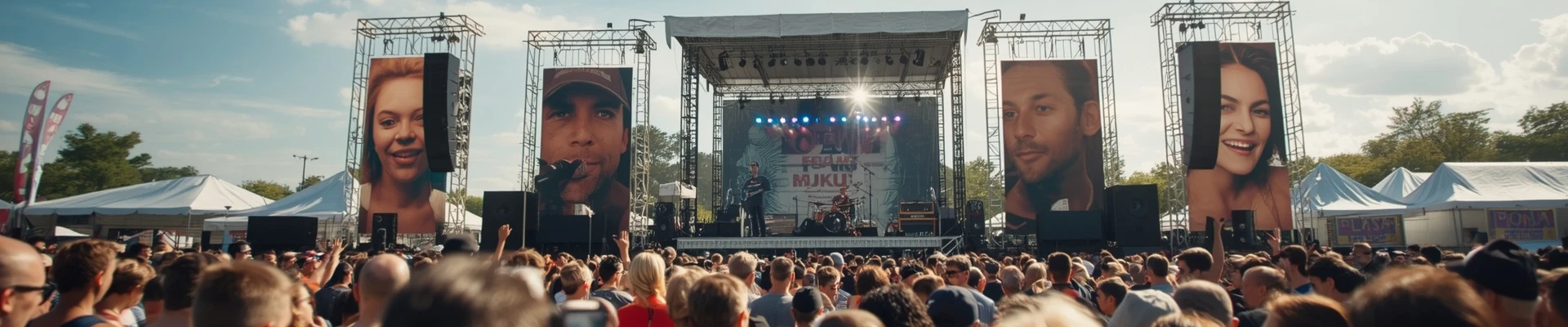
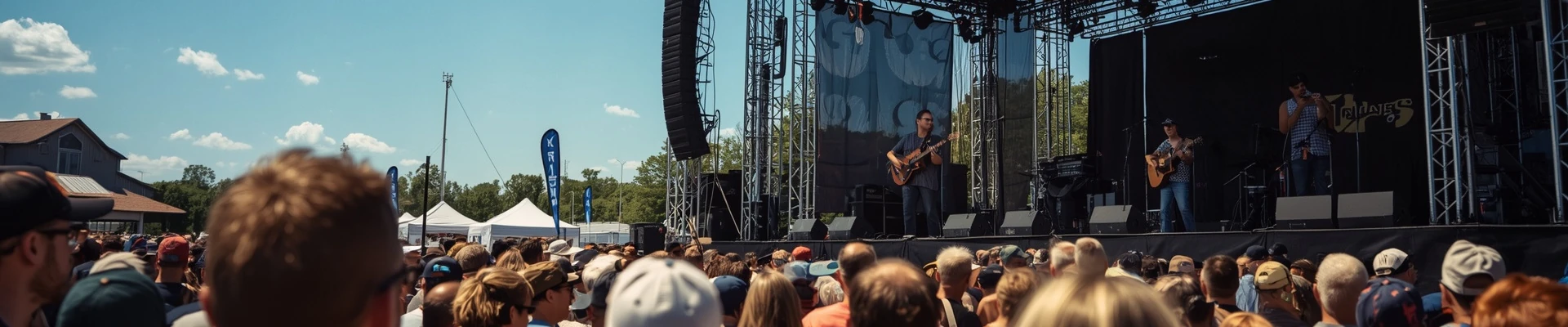
The festival calendar is dense. The State Fair of Texas at Fair Park each fall draws 2.5 million attendees with a major music programming track across multiple stages. Homegrown Music & Arts Festival, Wildflower! Arts and Music Festival in Richardson, Block Party at the Granada, the Dallas International Guitar Festival, Festival at the Switchyard in Carrollton, and Soul Tracks Music Festival keep the rock, country, and indie circuits running. So What?! Music Festival in Arlington has been a major pop-punk and post-hardcore event. Erykah Badu's Birthday Bash at the Bomb Factory each February is one of the city's signature R&B events. Dallas Pride at Fair Park, the Dallas International Film Festival's music programming, the Dallas Mavs Fan Jam's halftime acts, Juneteenth in Dallas (Texas being the birthplace of the holiday), and the Greater Dallas Mexican Independence Day Parade add cultural and community programming. Latin events anchor Fiestas Patrias, Cinco de Mayo, Día de los Muertos at Oak Cliff and Bishop Arts, and Vive Latino Norte's Texas editions.
What ties it all together is the metroplex's combination of corporate scale, suburban sprawl, and deeply Texan musical roots. Dallas is the city where Texas blues guitar was born, where Western swing met country and rockabilly at the Big D Jamboree, where neo-soul gained one of its central voices through Erykah Badu, where the Chicks made country music politically dangerous again, and where a new generation of hip-hop, indie, and Latin artists are remaking North Texas pop in real time.