
Denton, Texas
Denton sits at the northern tip of the Dallas–Fort Worth Metroplex, straddling the line between suburban sprawl and independent creative enclave with a confidence that few cities its size can manage. Located about 35 miles north of downtown Dallas along I-35E, the city occupies gently rolling Cross Timbers terrain where the prairies of north Texas begin to push up against the Blackland Prairie belt. Its population of roughly 131,000 skews younger than any comparable Texas city, a consequence of two major universities — the University of North Texas (UNT) and Texas Woman's University (TWU) — enrolling a combined 50,000-plus students and filling its central neighborhoods with the transient creative energy that fuels good music towns everywhere.
The city square anchors a compact, walkable downtown surrounded by Victorian storefronts, converted warehouses, independent record shops, and a density of live music venues that seems almost implausible for a city that would barely register as a mid-sized suburb in most American metros. That density is not accidental. Low rents, proximity to Dallas booking infrastructure without Dallas cost-of-living, and an unusually progressive local arts culture — sustained in large part by UNT's nationally ranked College of Music — have combined to make Denton a genuinely singular creative address in the Lone Star State.
Music Identity
Denton's sound is impossible to reduce to a single genre, but its most distinctive current carries a thread of literary indie rock that prizes texture and mood over commercial polish. The city's internationally recognized contribution is Midlake, the psychedelic folk-rock band whose 2006 album The Trials of Van Occupanther drew global comparisons to early Fleetwood Mac and Van Morrison and opened a sustained pipeline of European touring for Denton acts. Midlake's careful, unhurried approach — shaped by years of playing together at UNT before embracing folk classicism — remains a touchstone for the city's creative ethos.
Before Midlake there was Lift to Experience, the apocalyptic post-rock trio whose sole album The Texas-Jerusalem Crossroads (2001) is one of the most singular records in Texas history: a sprawling double-LP set in an alternate-reality Texas that functions simultaneously as a hard-rock statement and a work of religious mythology. The band's influence on Denton's tolerance for ambitious, uncommercial music is hard to overstate.
Pop-punk came to the national stage via Bowling for Soup, who formed in Wichita Falls but relocated to Denton in the early 1990s and built their following playing the Fry Street corridor before charting with "1985" in 2004. Their success confirmed that Denton acts could translate local credibility into genuine mainstream reach without abandoning their roots.
The city's experimental wing runs deep through UNT's jazz and composition programs. UNT's One O'Clock Lab Band is one of the most decorated collegiate jazz ensembles in the country, having won or been nominated for Grammy Awards across multiple decades and serving as a direct pipeline for session musicians, bandleaders, and composers working across jazz, hip-hop production, and film scoring. The program's alumni include jazz pianist Fred Hamilton, multiple touring members of major acts, and countless session professionals whose credits stretch from Austin to New York.
Indie folk singer-songwriter Sarah Jaffe built her reputation out of Denton before signing to Kirtland Records and touring nationally, her layered songwriting and atmospheric production clearly marked by years in a scene that values craft over trend. Electronic artist Neon Indian — Alan Palomo — attended UNT and developed the woozy, VHS-saturated chillwave aesthetic that defined a 2009–2010 moment in indie culture before taking the project to New York and international stages. White Denim, though more firmly associated with Austin, began making waves after forming in Denton, where their rhythmically dense psychedelic rock earned them an early devoted following before they relocated south. The Quaker City Night Hawks — Denton-born purveyors of swampy, heavy blues-rock — have maintained a rigorous touring schedule and earned comparisons to Drive-By Truckers and Black Keys while remaining rooted in the city.
Denton's hip-hop scene, less visible nationally, has produced a number of producers who work in the Dallas–Fort Worth underground, sustained by open-mic culture at venues like Rubber Gloves Rehearsal Studios and a local label ecosystem that predates the streaming era.
Venues and Neighborhoods
Rubber Gloves Rehearsal Studios — universally shortened to "Rubber Gloves" — is the anchor of Denton's DIY culture: a mid-sized rock club on the eastern edge of downtown that has hosted touring indie and punk acts as well as local showcases for decades, and whose graffiti-covered exterior has appeared on more Denton band photos than any other backdrop in the city. It is the kind of room that shapes scenes rather than merely hosting them.
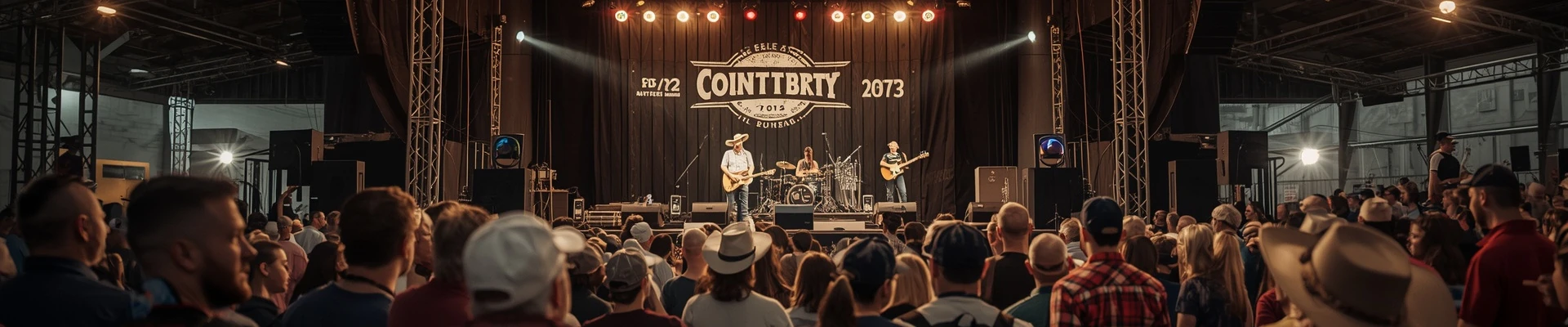
Andy's Bar on the Square is the city's oldest continuously operating live music venue, a low-slung bar with an outdoor stage where country, Americana, and rock acts have played through generations of students and townies. Harvest House operates as a community arts space with regular concerts, serving the folk and experimental end of the spectrum. The Beehive hosts everything from singer-songwriters to heavier rock shows in a converted space near the courthouse square. LSA Burger Co. periodically hosts acoustic performances and has become part of the informal venue ecosystem that spills across the downtown core.
The Fry Street neighborhood — a strip of bars, restaurants, and small music rooms running north from the square — functions as Denton's equivalent of Austin's Sixth Street, scaled down and stripped of tourist infrastructure: it's a neighborhood where people actually live and where the venues exist for residents, not visitors. The Denton Arts & Jazz Festival, held annually on the courthouse square, has been running since 1977 and draws tens of thousands of attendees each spring, showcasing jazz, blues, and world music against the backdrop of the city's Victorian downtown architecture.
Denton Record Exchange and Dan's Silver Leaf (the latter a legendary bar-venue that closed in 2016 before briefly reviving as a music space in different configurations) represent both the vitality and the fragility of Denton's venue infrastructure — rooms beloved by locals that the economics of a college town can struggle to sustain across decades.
Festivals and Events
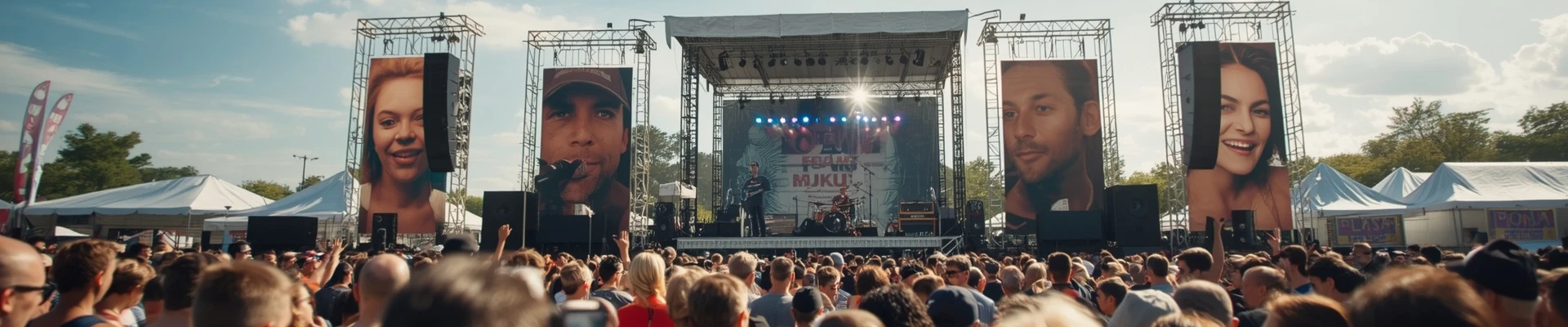
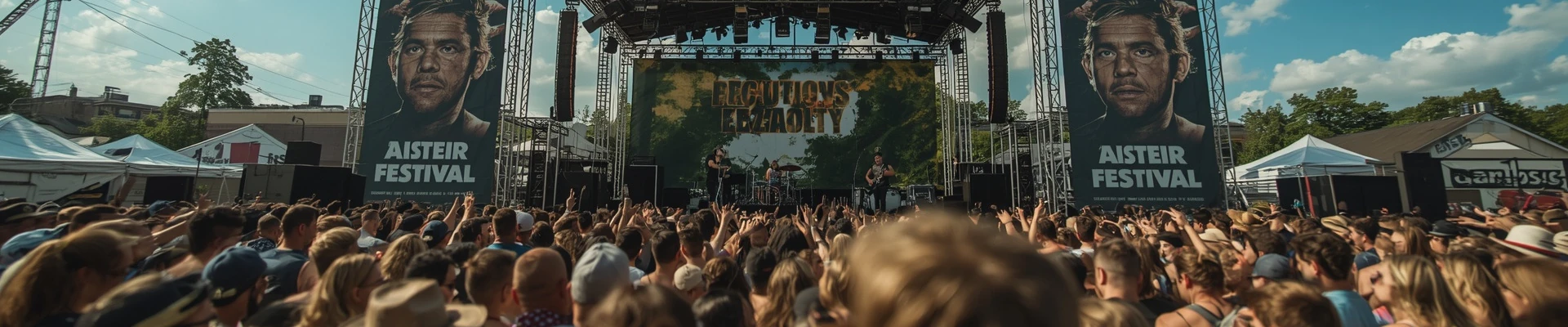
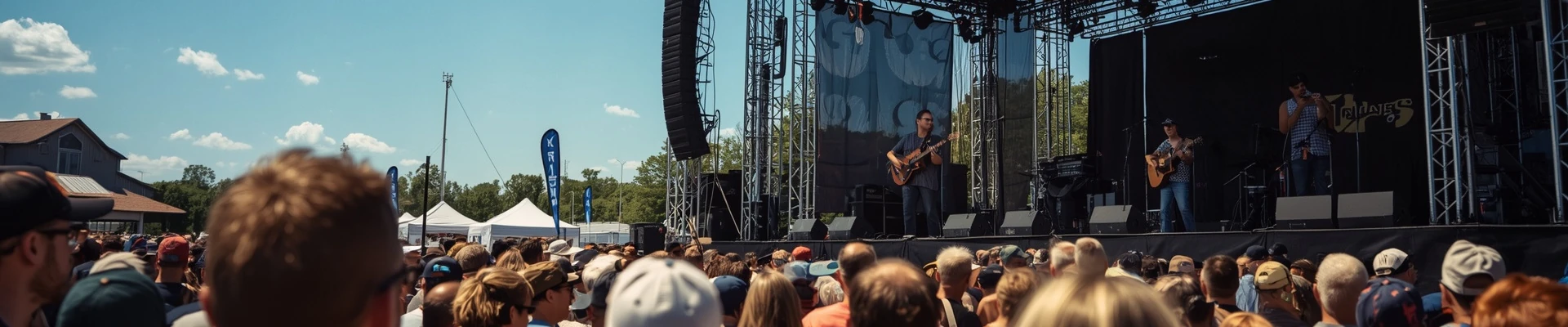
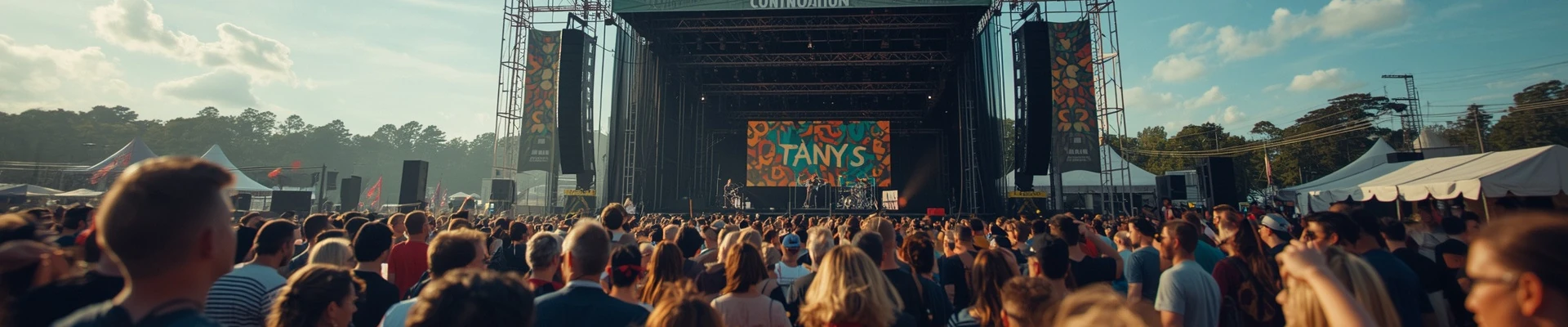
The Denton Arts & Jazz Festival is the city's signature annual event, an outdoor multi-stage celebration drawing over 200,000 visitors across its run and featuring nationally known jazz and blues performers alongside local and regional acts. It is one of the largest free outdoor music festivals in Texas and anchors the city's identity as a serious arts destination.
35 Denton — a music festival modeled loosely on SXSW and named for the I-35 corridor — ran from 2012 through 2015, bringing hundreds of showcasing acts to Denton's venues over a weekend and briefly establishing the city as a festival destination in its own right before folding due to the structural challenges of replicating Austin's infrastructure in a smaller market. Its legacy persists in the local culture's sense of ambition about what Denton music deserves.
UNT's College of Music hosts a continuous calendar of free and low-cost concerts throughout the academic year — orchestral performances, jazz showcases, electronic music presentations, and chamber concerts — that function as a permanent arts infrastructure supplement to the commercial venue scene. For music students and local residents alike, UNT's Murchison Performing Arts Center and its satellite spaces represent some of the best accessible live music in the Dallas–Fort Worth region.
Demographics and Cultural Communities
Denton's Latino community — roughly 28 percent of the city's population — sustains a vibrant norteño, tejano, and cumbia scene in the city's south and east sides, with performances in community halls and at cultural celebrations throughout the year. UNT and TWU bring significant international student populations representing South and Southeast Asia, Africa, and East Asia, communities that contribute to the city's eclectic food culture and, increasingly, to its music production ecosystem.
The city's population is heavily weighted toward the 18–34 demographic, with median age well below state and national averages. That youth concentration creates a rapid cycling of musical ideas — scenes that would take a decade to evolve in a stable population turn over in three or four years in a college town, making Denton simultaneously volatile and reliably productive.
What Ties It All Together
Denton's defining quality is not a sound but a posture: a refusal to sound like Dallas, an insistence on making art that answers to local standards rather than commercial expectations, sustained by the unusual combination of university-trained musicianship and DIY punk ethics. The thread running from Lift to Experience through Midlake through Neon Indian through today's generation of experimental bands is a shared belief that north Texas has something worth saying to the world — and that saying it from Denton, 35 miles from the nearest major city, is a choice rather than a limitation. It is a music town that wears its obscurity lightly and its ambition openly, and that combination has proven more durable than most bets on a city its size would suggest.