
El Paso is the sixth-largest city in Texas and the 22nd-largest in the United States, with roughly 679,000 residents inside the city limits. It sits at the western tip of Texas where the Rio Grande cuts through a gap between the Franklin Mountains and the Sierra de Juárez, directly across the river from Ciudad Juárez, Chihuahua — together forming the Paso del Norte binational region of more than 2.7 million people, the largest bilingual, binational metropolis on the U.S.–Mexico border. El Paso is also closer to the capitals of New Mexico and Chihuahua than to Austin or Houston, and shares far more cultural DNA with the broader borderlands — and with Las Cruces, Albuquerque, and northern Mexico — than with the rest of Texas. Its musical identity reflects that geography: a deep Mexican-American norteño, banda, conjunto, and regional Mexican tradition that runs continuously across the river into Juárez; one of the most acclaimed American post-hardcore and progressive rock lineages of the past 30 years; a thriving modern R&B and hip-hop ecosystem; and a long Western swing, country, and Tejano heritage.
A brief history
The pass through the mountains at the Rio Grande — El Paso del Norte — was Manso, Suma, and Apache territory before Spanish missionaries and colonists established missions on both sides of the river in the late 16th and early 17th centuries. The 1848 Treaty of Guadalupe Hidalgo divided the existing Paso del Norte settlement, leaving the southern (and at the time larger) portion as Mexican Ciudad Juárez and the northern portion as American El Paso. The arrival of the Southern Pacific and Atchison, Topeka and Santa Fe railroads in 1881 turned the small border town into a major rail and smelting hub. Through the 20th century, El Paso grew as a copper smelting (the ASARCO smelter), military (Fort Bliss is one of the largest U.S. Army installations in the country), and border-trade center. The 21st-century rise of maquiladora manufacturing in Juárez, the surge of Mexican Drug War violence through the late 2000s and early 2010s (which made Juárez briefly the most violent city on earth before subsiding), and the 2019 Walmart shooting (which targeted El Paso's Latino population in one of the deadliest anti-Hispanic mass shootings in U.S. history) have shaped recent civic memory. El Paso's population is roughly 81% Hispanic — the largest Hispanic share of any major American city — and bilingualism is the norm.
Music identity
El Paso's most internationally famous musical chapter is the rise of an extraordinary cluster of post-hardcore and progressive rock bands in the 1990s and 2000s. At the Drive-In, formed in El Paso in 1993 by Cedric Bixler-Zavala, Jim Ward, and Omar Rodriguez-Lopez, became one of the most acclaimed American post-hardcore bands of the late 1990s through Relationship of Command (2000) before splitting in 2001. Bixler-Zavala and Rodriguez-Lopez then formed The Mars Volta, which became one of the most acclaimed progressive rock bands of the 2000s through albums like De-Loused in the Comatorium (2003) and Frances the Mute (2005). Ward and the remaining members formed Sparta, which built a parallel post-hardcore catalog. Sleepercar (Ward's later project), Antemasque, Bosnian Rainbows, and a deep extended-family network of bands have made El Paso one of the most musically productive small American cities of the past 30 years. The Lusitania, Pinata Protest's tour stops, and a thriving local punk scene at venues like the Lowbrow Palace and Tricky Falls continue the post-hardcore lineage.
The other defining El Paso musical export of the 21st century is Khalid Robinson — known professionally simply as Khalid. Born in Fort Stewart, Georgia and raised on military bases around the world before settling in El Paso for high school at Americas High, Khalid broke nationally with "Location" (2017) and American Teen (2017) and has become one of the most commercially successful young R&B and pop artists of the past decade. His ongoing public ties to El Paso — through his "Free Spirit" tour, his benefit concerts after the 2019 shooting, and his "Suncity" EP titled after one of the city's nicknames — have made him a defining face of contemporary El Paso music.
The city's deepest and most continuous musical tradition, however, is Mexican-American music. Long John Hunter, the legendary blues guitarist, played the Lobby Bar in Juárez constantly through the 1950s and 1960s. Vicente Fernández played El Paso constantly. Juan Gabriel — born in Parácuaro, Michoacán in 1950 but raised in Ciudad Juárez and a constant presence in El Paso — became one of the best-selling Latin artists of all time and remained closely tied to the binational scene until his death in 2016. Los Tigres del Norte routes through El Paso. Tejano has run through the El Paso circuit for decades through artists like Little Joe y La Familia's tour stops, La Mafia, Mazz, Selena's El Paso concerts, and a long lineage of dance halls. Norteño, banda, regional Mexican, mariachi, and modern corridos tumbados scenes run continuously across the bridge into Juárez and back, with venues, recording studios, and radio stations operating on both sides of the border. El Paso radio — particularly KAMA-AM and the broader Spanish-language dial — remains one of the most influential Spanish-language radio markets in the United States.
The 21st century has brought a serious modern hip-hop and Latin urban wave. Khalid's breakthrough opened doors for a generation; DKlassick, Atlast, King Lil G's tour stops, Becky G's El Paso ties, and a current generation of trap, drill, and Latin urban artists fill the city's clubs. Indie rock continues through bands working out of clubs across downtown and Five Points. Country and Western swing have a long El Paso tradition through venues like the El Paso County Coliseum and a deep regional country circuit; Marty Robbins's "El Paso" (1959) — the iconic Western ballad about a cowboy and a cantina — remains one of the most internationally recognized songs ever written about an American city. Christian rock and CCM have a Fort Bliss–anchored military-base presence. Indigenous music runs through the Tigua community at Ysleta del Sur Pueblo on the city's east side and a powwow tradition.
Venues and neighborhoods
El Paso's venue ecosystem is well-developed. At the top sit the Don Haskins Center at UTEP (the city's largest indoor arena, home of UTEP basketball and major concerts), the El Paso County Coliseum, the Sun Bowl (host of stadium tours), the Plaza Theatre (a 1930 Spanish Colonial Revival movie palace, now the city's premier mid-size concert venue), and the Abraham Chavez Theatre (home of the El Paso Symphony). The midsize tier includes the Tricky Falls (the legendary downtown rock and post-hardcore venue), the Lowbrow Palace (one of the most beloved indie rock clubs in the southwestern United States), the El Paso Live programming, and Speaking Rock Entertainment Center at Ysleta del Sur Pueblo. Beneath them is a deep club layer — Tricky Falls, the Lowbrow Palace, Rosewood, Bowie Feathers, Monarch, The Headstand, Garage Bar, Whiskey Dick's, Black Orchid Lounge, and a network of bars and DIY rooms across downtown, Five Points, and the Cincinnati Avenue Entertainment District. Latin music has homes at clubs across the east side and the Lower Valley. Ciudad Juárez venues, including the Pepsi Center Juárez, are functionally part of the El Paso–Juárez music ecosystem despite the border.
Different neighborhoods carry different musical identities. Downtown and the Cincinnati Avenue Entertainment District anchor the indie rock, alternative, and bar circuits. Five Points has emerged in recent years as a small-venue indie corridor. The east side and the Lower Valley anchor the Mexican-American, regional Mexican, and Tejano scenes. Ysleta del Sur Pueblo anchors the Tigua community and Speaking Rock. Fort Bliss anchors the military-base music ecosystem. Sunland Park, New Mexico (functionally part of metropolitan El Paso) supports a smaller venue circuit.
Festivals and signature events
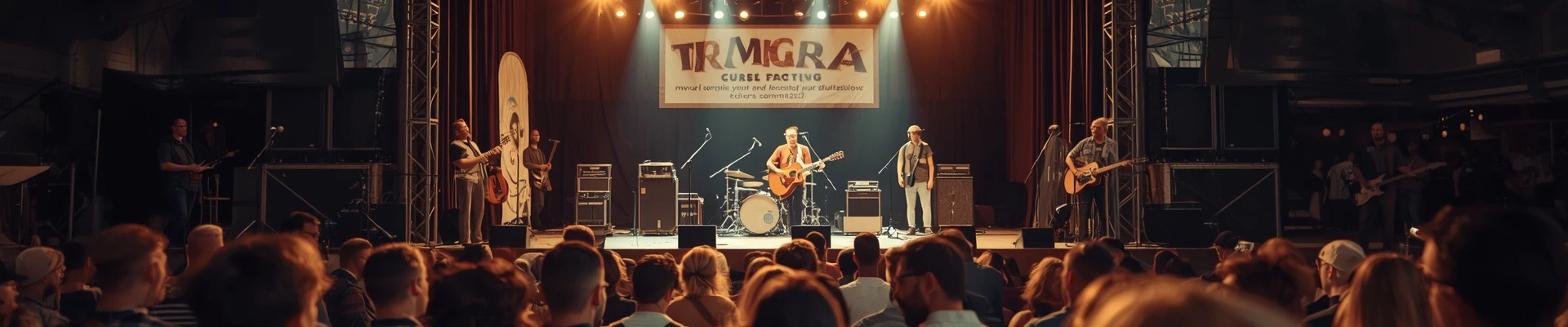
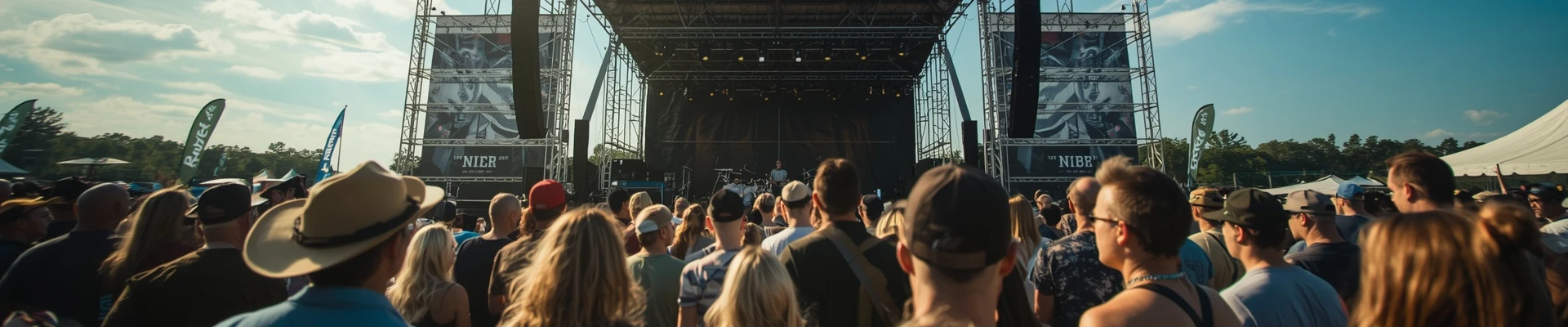
The festival calendar reflects the city's range. Neon Desert Music Festival (which ran from 2011 to 2019 in downtown El Paso) was one of the most respected mid-size festivals in the southwestern United States. Sun City Music Festival is the city's flagship electronic music event each Labor Day weekend. Plaza Classic Film Festival's music programming, El Paso Pride, KLAQ Balloonfest's music programming, El Paso Symphony's POPS, Border Folk Festival at the Chamizal National Memorial (one of the most respected folk festivals in the southwestern United States), Día de los Muertos in Segundo Barrio, Cinco de Mayo at multiple venues, Diez y Seis for Mexican Independence Day, and Sun Bowl game-week events anchor the calendar. Ciudad Juárez events including Festival de la Raza, El Encuentro Internacional de Mariachi y Charrería, and Festival Internacional Chihuahua draw audiences from both sides of the border. At the Drive-In and The Mars Volta reunion shows in El Paso have become signature civic events.
What ties it all together is the city's identity as a deeply Mexican-American border metropolis with an outsized rock and pop legacy. El Paso is the city where At the Drive-In and the Mars Volta rebuilt American post-hardcore and progressive rock from one of the country's most overlooked corners, where Khalid became a global pop star out of an Americas High School graduating class, where Juan Gabriel made the binational scene his lifelong artistic home, where Marty Robbins's "El Paso" turned a Texas border town into one of the most-recognized place names in country music history, and where the Spanish-language dial and the bridges across the Rio Grande remain the gravitational center of the metropolitan area's musical life.