
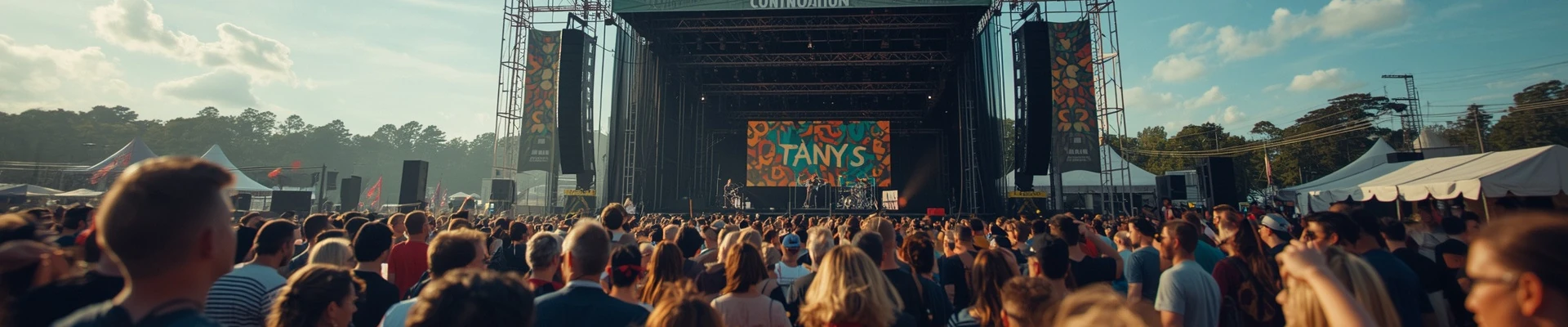
Fort Worth is the fifth-largest city in Texas and the 13th-largest in the United States, with roughly 1.01 million residents inside the city limits and a metropolitan footprint shared with Dallas to the east — together forming the Dallas–Fort Worth–Arlington region of more than 7.7 million people. Sitting on the Trinity River about 50 km west of Dallas, ringed by the cattle plains of Parker, Wise, and Tarrant counties, it is the easternmost city of the American West, with a self-image — and a tourism slogan, "Where the West begins" — built on the cattle drives, stockyards, and honky-tonks of the late 19th and 20th centuries. Fort Worth's musical identity reflects that geography: it is, far more than its larger twin Dallas, a country, Western swing, honky-tonk, and Texas blues capital, with a more recent contribution to global music in the form of one of the most acclaimed modern soul revivalists of the past decade.
A brief history
The bluffs above the Clear and West Forks of the Trinity were Wichita and Comanche territory before the U.S. Army established Fort Worth in 1849 as one of a chain of frontier forts protecting settlers from the Native plains. The fort was abandoned in 1853, but the town that grew up around it became a major stop on the Chisholm Trail — the cattle drive from south Texas to the railheads of Kansas — through the 1860s and 1870s. The arrival of the Texas and Pacific Railway in 1876 turned Fort Worth into "Cowtown" — the meatpacking, livestock-trading, and stockyards capital of the Southwest. The 1902 opening of the Fort Worth Stockyards (now a National Historic District) and the Swift and Armour packing plants brought tens of thousands of workers and gave the city its enduring identity. Through the 20th century, Fort Worth grew alongside the oil industry, the defense industry (Lockheed Martin's Fort Worth plant builds the F-35 today on the site of the WWII-era Convair B-36 plant), and a corporate base that includes American Airlines, BNSF Railway, and Pier 1's former headquarters. The city has remained more conservative, more Western, and more country-music-oriented than Dallas across that history, with a strong civic emphasis on the Stockyards, the rodeo, and the cattle heritage.
Music identity
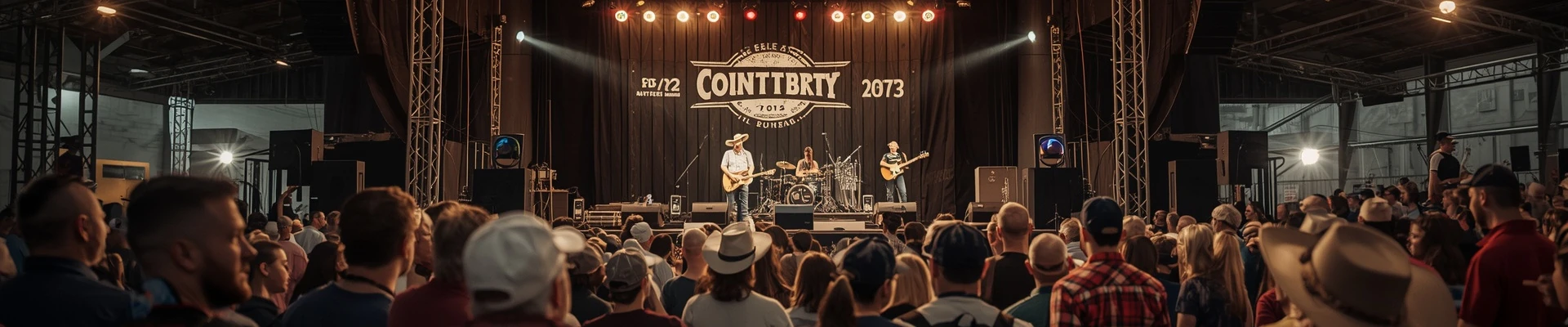
Fort Worth's most foundational musical chapter is the rise of Western swing in the 1930s. Bob Wills and his Texas Playboys built the genre out of Crystal Springs Pavilion on the southwest side of Fort Worth and the Light Crust Doughboys house band that broadcast daily from WBAP and the Burrus Mill. Wills's fusion of country, jazz, blues, and dance-band swing — with twin fiddles, steel guitar, horns, and a deep rhythm section — became, by the 1940s, one of the most popular forms of American dance music and a foundational template for honky-tonk, rockabilly, and country-rock for the next half-century. Milton Brown, W. Lee O'Daniel (later a U.S. senator and Texas governor), and the Light Crust Doughboys defined the Fort Worth sound. Fort Worth's WBAP, one of the first 50,000-watt clear-channel stations in the country, broadcast Western swing and country across the Great Plains and the Mountain West.
After World War II, Fort Worth became one of the great honky-tonk cities in America. The Skyline Club, Massey's, and a long lineage of joints in the Stockyards and along the Jacksboro Highway hosted Hank Williams, Lefty Frizzell, Ray Price, Willie Nelson, Waylon Jennings, and a generation of touring honky-tonk acts. Lefty Frizzell, perhaps the single most influential honky-tonk vocalist after Hank Williams, was born in nearby Corsicana but spent significant time in Fort Worth; Ray Price lived in the city for decades and built a long career out of Fort Worth–area dance halls. Willie Nelson lived in Fort Worth in the late 1950s as a struggling songwriter, working at radio station KCNC and writing some of the songs ("Crazy," "Night Life") that would later define country music. The Cowboys' Stadium's eventual successor (AT&T Stadium in nearby Arlington) and the Stockyards — which still hosts twice-daily cattle drives down East Exchange Avenue — keep the cattle and honky-tonk identity central to civic life.
Fort Worth is also a major Texas blues city, often overshadowed by its larger twin Dallas but with a distinct lineage. T-Bone Walker, the architect of electric blues guitar, was born in nearby Linden and spent much of his early career playing the Fort Worth circuit. Stevie Ray Vaughan and his older brother Jimmie Vaughan, raised in Oak Cliff in Dallas, played the Fort Worth blues circuit constantly through their formative years. Robert Ealey, Mike Morgan and the Crawl, U.P. Wilson, and a long lineage of Fort Worth blues guitarists kept the tradition alive through clubs like the Bluebird and Caravan of Dreams. The Black gospel tradition, anchored by churches across the historically Black south and east sides of Fort Worth, fed the careers of artists like Ernie Johnson and a deep choral tradition.
The 21st century has remade the city again. Leon Bridges, born and raised in Fort Worth and still based in the city, broke out in 2015 with Coming Home — a debut that revived 1960s soul through a 25-year-old singer who had been working at Del Frisco's Grille while writing songs in his bedroom. Bridges has since become one of the most acclaimed soul, R&B, and gospel-roots artists of his generation, and his continued presence in Fort Worth — through Niles City Sound studio (the studio that recorded Coming Home), the Fort Worth Music Awards, and his deep ties to the local scene — has reshaped the city's contemporary musical identity. Vincent Neil Emerson, Charley Crockett (Texas-born and now Fort Worth-based), Joshua Ray Walker's tour stops, Summer Dean, and a flourishing modern honky-tonk revival have built a serious independent country and roots scene around venues like the White Elephant Saloon in the Stockyards, the Post at River East, and Tulips FTW. Cody Canada and the Red Dirt scene's Fort Worth ties, Wade Bowen's tour stops, and a deep Texas country circuit fill venues across the city. Hip-hop has its own Fort Worth lineage through artists like GoGo Morrow, Lou CharLe$, Devy Stonez, and a current generation of trap, drill, and Southern rap artists. Latin music — Tejano, conjunto, regional Mexican, banda, and Latin urban — runs through the North Side historically Mexican-American neighborhood, the Northside Coliseum (the historic site of the El Cinco de Mayo Festival and many Tejano shows), and a long lineage of dance halls and clubs.
Venues and neighborhoods
Fort Worth's venue ecosystem is well-developed. At the top sit Dickies Arena (the city's flagship arena, opened in 2019), the Fort Worth Convention Center Arena, Will Rogers Memorial Center (host of the Fort Worth Stock Show & Rodeo), the Bass Performance Hall (home of the Fort Worth Symphony and the Van Cliburn International Piano Competition), and AT&T Stadium in nearby Arlington (functionally part of the Fort Worth concert market). The midsize tier includes the Ridglea Theater, the Ridglea Lounge, Tulips FTW, the Post at River East, Billy Bob's Texas (the world's largest honky-tonk, in the Stockyards), Panther Island Pavilion, the Fort Worth Convention Center Theater, and the Will Rogers Auditorium. Beneath them is a deep club layer — the White Elephant Saloon (the storied Stockyards bar), the Stagecoach Ballroom, Lola's Saloon, MASS, Twilite Lounge, Magnolia Motor Lounge, the Post, and a network of bars, dance halls, and DIY rooms across the Stockyards, the Near Southside, the West 7th corridor, and the South Main Village. Niles City Sound, Cliburn Concert Hall at TCU, and the Modern Art Museum's music programming round out the listening-room circuit.
Different neighborhoods carry different musical identities. The Stockyards anchors the country, honky-tonk, and Western swing tradition through Billy Bob's, the White Elephant, and the daily cattle drives. The Near Southside (Magnolia) and South Main Village anchor the indie rock, soul, and DIY scenes. West 7th and the Cultural District support a higher-end bar and venue circuit. The North Side, the historically Mexican-American neighborhood north of downtown, anchors the Tejano, conjunto, and regional Mexican scenes. Polytechnic Heights, Stop Six, and the Historic Eastside support the city's gospel, blues, and hip-hop traditions. Arlington, between Fort Worth and Dallas, hosts AT&T Stadium, Globe Life Field, and the city's largest concert footprint.
Festivals and signature events
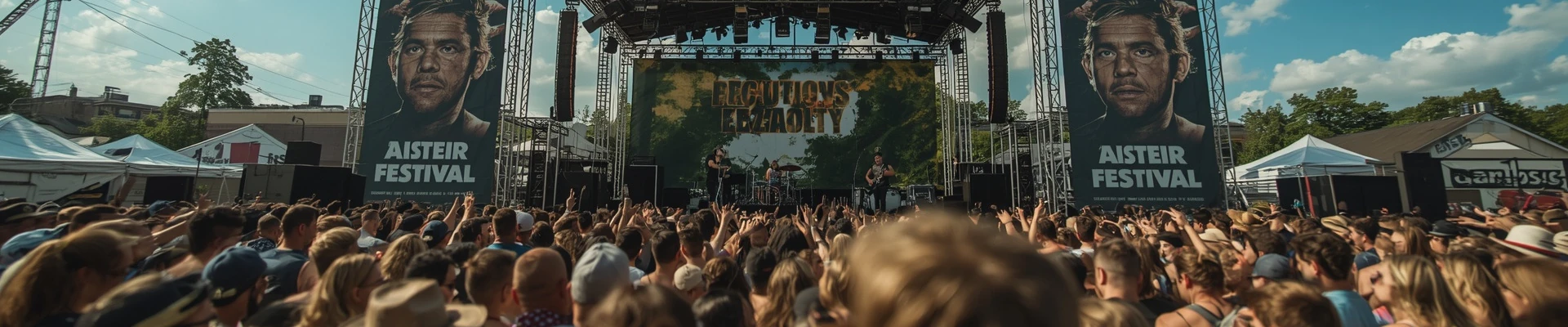
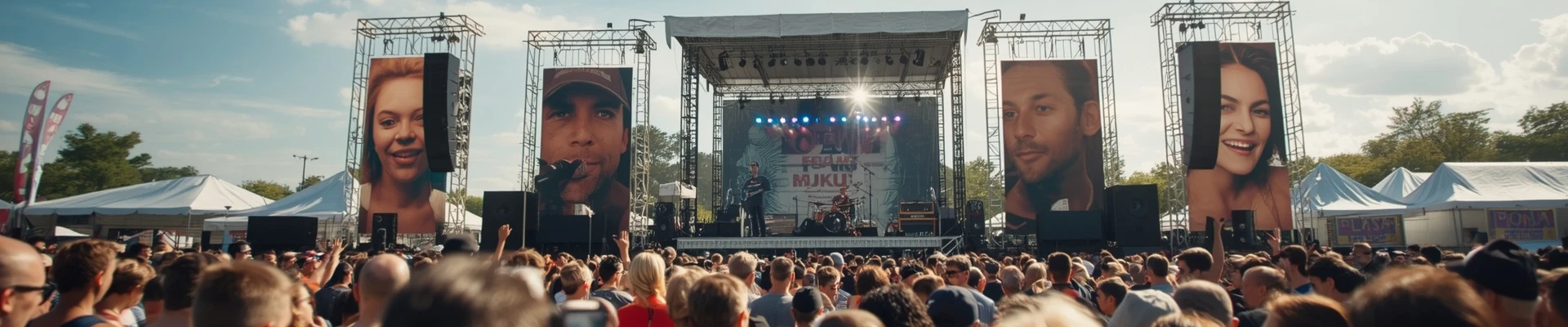
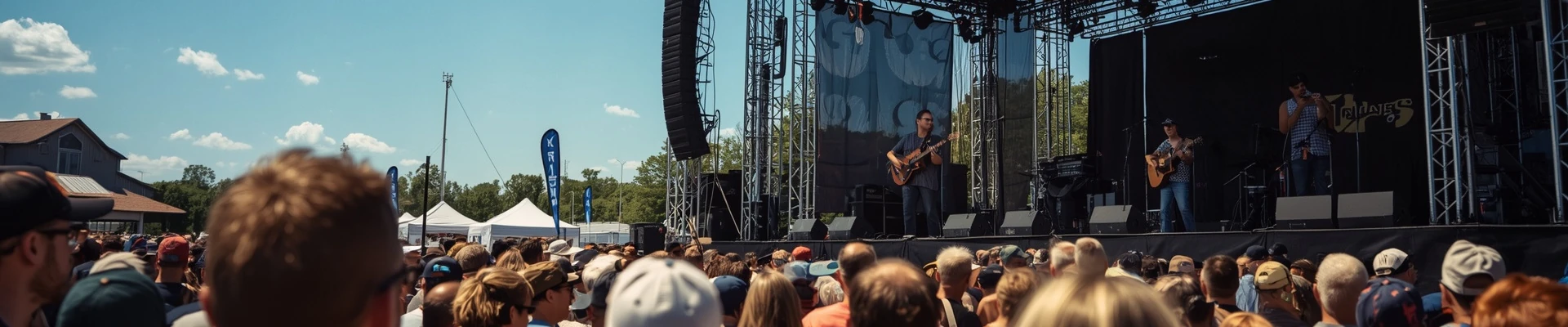
The festival calendar reflects the city's range. Fort Worth Stock Show & Rodeo at Will Rogers Memorial Center each January–February is one of the largest and oldest livestock shows and rodeos in the United States, drawing more than a million attendees with a major country and Tejano music programming track. Main St. Fort Worth Arts Festival, Fort Worth Music Festival, Fortress Festival (which ran for several years at the Cultural District), MASS Music Fest, Lola's Trailer Park Festival, and Fort Worth Latin Music Festival keep the festival circuit running. Concerts in the Garden at the Fort Worth Botanic Garden each summer programs the Fort Worth Symphony alongside pop, country, and crossover acts. Stockyards Championship Rodeo runs weekly at the Cowtown Coliseum. Cinco de Mayo at the Northside Coliseum, Fort Worth Pride, Juneteenth in Fort Worth (Texas being the birthplace of the holiday), and the Mexican Independence Day Parade through the North Side add cultural and community programming. The Van Cliburn International Piano Competition, held every four years at Bass Performance Hall, is one of the most prestigious classical music competitions in the world.
What ties it all together is the city's deep self-image as a Western, country, working-class town within a much larger metroplex. Fort Worth is the city where Bob Wills built Western swing at Crystal Springs, where Willie Nelson struggled as a young songwriter, where Lefty Frizzell, Ray Price, T-Bone Walker, and the Vaughan brothers built foundational Texas catalogs, and where Leon Bridges and Charley Crockett are remaking American soul and country in real time.