
Frisco, Texas
Frisco sits roughly 25 miles north of downtown Dallas in Collin County, occupying the rolling terrain where the Blackland Prairie grades into the Cross Timbers ecoregion. The city that was a drowsy cotton-farming community of fewer than 7,000 people at the turn of the millennium has become one of the fastest-growing municipalities in the United States — a trajectory so steep that national outlets have taken to calling it "the fastest-growing city in America" for multiple consecutive years in the 2010s and 2020s. By the mid-2020s the population has surpassed 200,000 and continues to climb, driven by master-planned residential development, a tax-favorable Texas business climate, and the gravitational pull of the Dallas–Fort Worth metroplex sprawling northward along the Dallas North Tollway corridor.
The economic engine is recognizable to anyone who has followed Sun Belt growth: corporate relocations (the Dallas Cowboys' world headquarters, The Star, opened here in 2016, transforming a stretch of the Tollway into a destination), technology and financial services employers settling into Class A office parks, and the retail and restaurant development that follows. The demographic profile skews toward young families with higher household incomes than the national average, a large South Asian community concentrated in and around the Stonebriar and Eldorado corridors, and a growing population of transplants from California, New York, and the Midwest who bring cultural expectations that push civic investment in the arts.
Music Identity
Frisco does not have a signature sound the way Bakersfield has the Bakersfield Sound or Memphis has its Blues. It is a city whose cultural identity is still in the writing. What it does have is infrastructure arriving at unusual speed: a city that took music seriously enough to build Toyota Stadium (home of FC Dallas and a major outdoor concert venue), to develop the Frisco Discovery Center and Dr Pepper Ballpark as event spaces, and to invest in the arts through the Frisco Arts umbrella organization that coordinates public programming, the Frisco Art Gallery at City Hall, and a growing roster of outdoor festivals.
The musicians who call Frisco home are largely part of the broader DFW scene — guitarists, producers, and songwriters who commute 25 minutes south to studios in Deep Ellum or record in home studios in Frisco's quiet cul-de-sacs. The city's youth population, enrolled in one of the most heavily resourced school districts in Texas (Frisco ISD consistently ranks among the top in the state), produces an unusually active junior music scene. High school bands compete fiercely at UIL competitions; the marching band programs at Frisco High School, Lone Star High School, and Lebanon Trail High School routinely reach the state level. A significant number of working DFW musicians got their first serious training inside Frisco ISD programs.
The South Asian diaspora community — Frisco has one of the largest concentrations of Indian-American families in North Texas — sustains a parallel cultural ecosystem: classical Indian music academies, Bollywood dance studios, and events at the Frisco Hindu Temple draw practitioners of Carnatic and Hindustani traditions. The India Association of North Texas hosts Diwali and cultural events that incorporate live music performance on a substantial scale.
Venues and Live Music Spaces
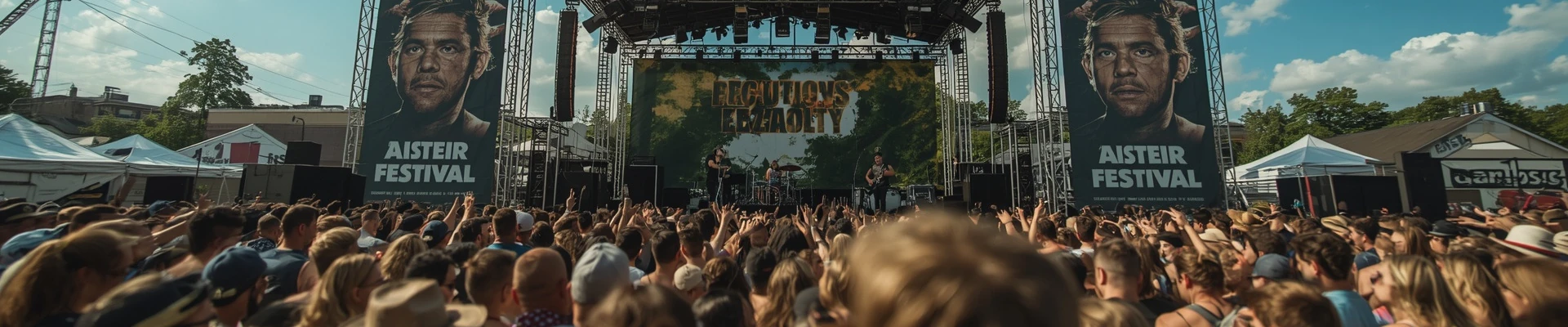
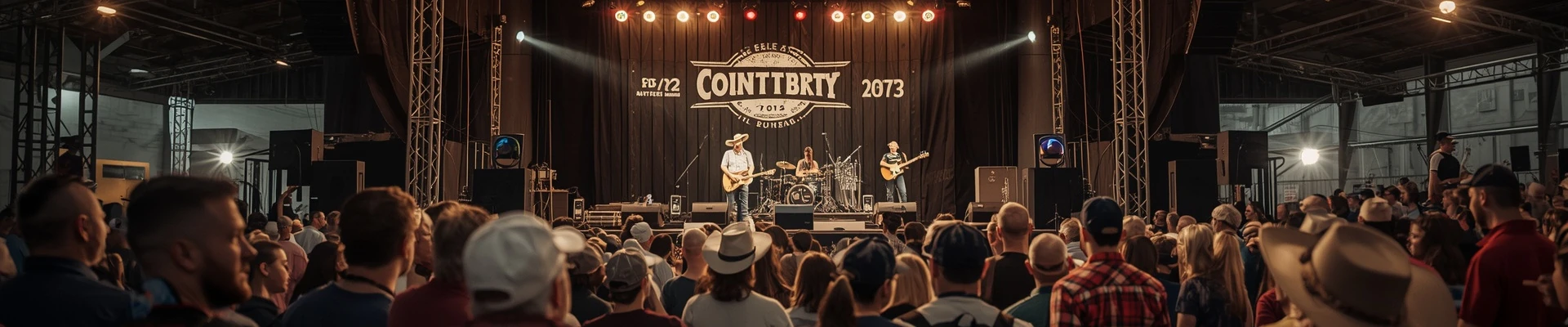
Toyota Stadium is the headline venue — a 20,000-capacity outdoor stadium that hosts major touring acts in the country, rock, and pop genres during stadium show season. Artists such as George Strait, Kenny Chesney, and major Christian music touring acts have played here alongside festival productions. The stadium's parking lot has also hosted large-scale tailgate-format music events tied to FC Dallas match days and standalone concert programming.
Dr Pepper Ballpark, home of the Frisco RoughRiders (Double-A affiliate of the Texas Rangers), runs a summer concert series in the outfield on post-game nights — the grass berm setting creates an unusually relaxed atmosphere for regional and national touring acts. The series has featured country artists, classic rock tribute acts, and Latin performers.
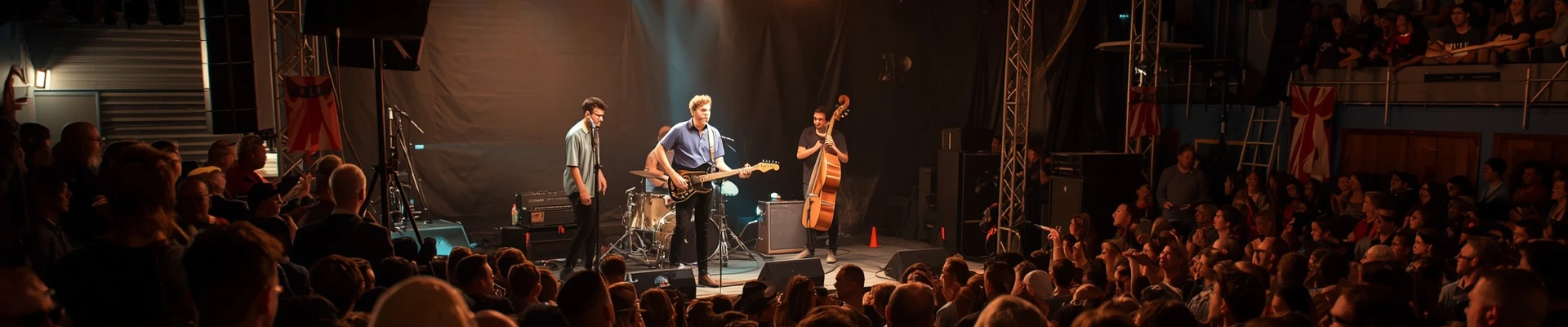
The Rail District, Frisco's developing entertainment district along Main Street near the historic 1902 railroad depot, has become the most concentrated block of live music in the city. Bars and restaurants on this strip book local cover acts and original artists on weekends. Whiskey Cake and other gastropub concepts in the broader Frisco Square mixed-use district run acoustic sets and small-format live music programming.
For originals-focused music, residents drive south to Deep Ellum or McKinney's historic downtown. McKinney's Hutchins BBQ and small listening rooms in downtown McKinney (10 miles east) serve as informal overflow venues for the northern DFW country and Americana circuit.
The Frisco Discovery Center hosts chamber concerts, orchestral performances by visiting ensembles, and community recitals. Collin College's Frisco Campus presents student and faculty performances and has hosted touring collegiate ensembles.
Festivals and Signature Events
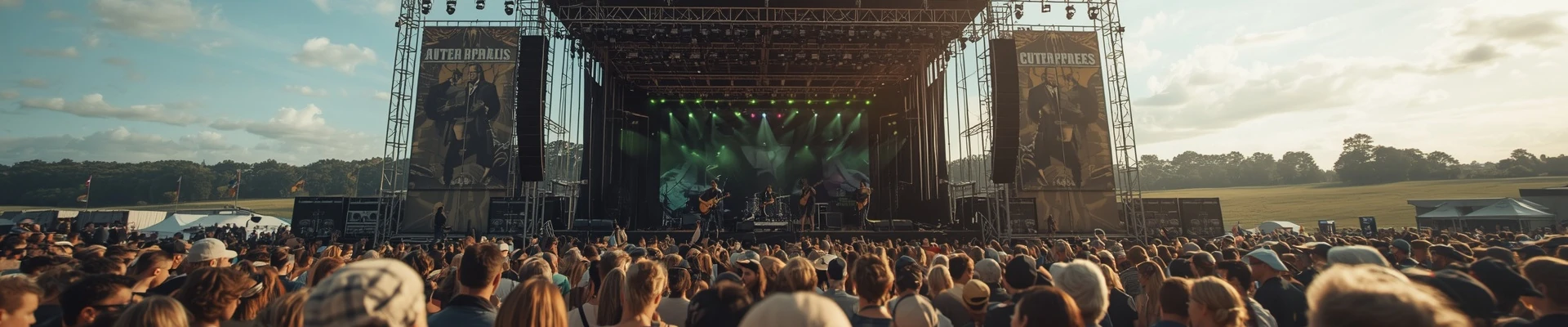
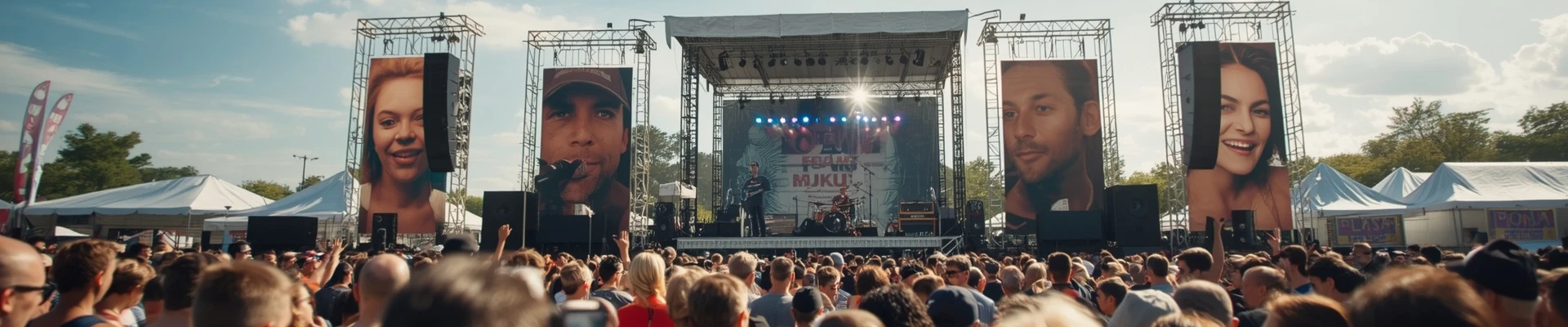
Frisco Freedom Fest is the city's largest single-day event, combining a massive Independence Day fireworks display with a main stage concert. The programming has ranged from national country touring acts to pop nostalgia headliners and draws crowds upward of 100,000 people to Toyota Stadium and the surrounding fields.
The Star's Concert Series — events programmed around the Cowboys' entertainment complex — brings nationally recognized country, Christian, and pop artists to outdoor stages on the campus throughout the year.
Frisco Arts coordinates the Sounds of Summer and Kite Festival events in Frisco Commons Park, which incorporate live music in an informal, family-oriented outdoor setting. These are community-scaled rather than destination events, but they represent a consistent infrastructure for live performance in public space.
The South Asian community produces its own major annual events: Diwali celebrations organized by the India Association of North Texas at Toyota Stadium and civic venues have grown into multi-day cultural festivals drawing tens of thousands from across DFW. Live Bollywood playback singers, classical Kathak dancers with live tabla accompaniment, and bhangra troupes perform across these events.
Neighborhoods and Cultural Geography
The Rail District / Historic Downtown Frisco anchors the city's most walkable entertainment environment, a strip of preserved early-20th-century storefronts along Main Street that has been redeveloped with dining, retail, and nightlife. Weekend evenings see the most concentrated live music programming in the city here.
The Star in Frisco and the Frisco Station development along the Tollway represent the corporate/sports entertainment spine — more programmatic than organic in character but capable of hosting very large audiences.
Stonebriar Centre and its surrounding retail corridors reflect the city's commercial identity but also generate foot traffic that sustains smaller music retail — guitar shops, music academies, and teaching studios cluster in strip centers nearby.
The Eldorado and Lebanon corridors in the city's north and west hold newer residential development where a younger demographic is beginning to generate basement recording projects, DIY rehearsal spaces, and online-first independent music acts that orbit the broader DFW underground scene without necessarily performing locally.
The Broader Context
Frisco occupies an interesting position in North Texas musical geography. It is not trying to be Deep Ellum — the Deep Ellum neighborhood in Dallas is less than 30 minutes away and functions as the region's premier live-music and arts district, with clubs like Trees, Club Dada, The Echo Lounge & Music Hall, and It'll Do Club serving the dance music, rock, and country underground. Frisco musicians plug into that infrastructure when they need it.
What Frisco is building instead is something more unusual: a top-tier civic music infrastructure for a city that is still very young. The school district programs, the stadium venue, the arts programming through Frisco Arts, and the ongoing Rail District development represent a deliberate civic investment in culture that distinguishes Frisco from many of its peer suburbs. The city that barely existed in 2000 has an arts center, a historic district with live music, a stadium, and a ballpark concert series before its second generation of residents has grown up.
The South Asian cultural contribution is arguably the most distinctive element of Frisco's music identity at this stage: the density of classical Indian music academies — Raga Sudha School of Music, various Carnatic vocal and veena programs, Bollywood choreography studios — means that on any given Saturday, more students are being trained in konnakol and thillana patterns in Frisco than in most American cities many times its size. That parallel tradition, rooted in the diaspora community that helped build the city, is a genuine musical identity marker that sets Frisco apart from the generic suburb narrative.
The defining musical signature of Frisco today is less a sound than a posture: a city spending its growth dividend on culture at an accelerated pace, building the conditions for a music scene that will be shaped by the children of its transplant families. The Frisco of 2035 will look different from the Frisco of today, and the music being made there will be different too.