
Grand Prairie is a city of roughly 188,000 people in Tarrant, Dallas, and Ellis Counties, occupying a uniquely positioned swath of the DFW Metroplex that stretches from the southern shore of Joe Pool Lake north through the industrial flatlands between Dallas to the east and Fort Worth and Arlington to the west. It is one of only a handful of American cities that spans three counties simultaneously — a quirk that reflects both its size and the way it has grown outward across the Metroplex's suburban grid. The city's economy is built on distribution, manufacturing, and the entertainment and tourism industries clustered along the Highway 161 / SH-360 corridor, where Verizon Theatre, Lone Star Park at Grand Prairie, Epic Waters Indoor Waterpark, and QuikTrip Park sit within a few miles of each other in what amounts to one of the more entertainment-dense corridors of the mid-size Texas city tier. Grand Prairie sits roughly 15 miles west of Downtown Dallas, 15 miles east of Downtown Fort Worth, and directly south of Arlington — home of Globe Life Field and AT&T Stadium — making it a genuinely central node in the Metroplex geographic matrix.
A brief history
The land that became Grand Prairie was home to Wichita and Comanche people before Anglo-American settlement arrived in the mid-19th century. The town of Grand Prairie was platted in 1863 and incorporated in 1909, built initially on farming and ranching in the Grand Prairie physiographic region — the band of flat, fertile blackland that runs north-to-south through the middle of Texas. The arrival of the Texas and Pacific Railway in the late 19th century connected Grand Prairie to regional markets, and the town grew steadily through the early 20th century as a modest agricultural service community.
The transformation of Grand Prairie into a significant mid-size city came with World War II, when the federal government established North American Aviation (later Vought Aircraft) on a massive production campus in Grand Prairie — the facility that became Vought Aircraft Industries and, eventually, Triumph Aerostructures. The aviation and defense manufacturing sector turned Grand Prairie from a small town into a working-class industrial city almost overnight, bringing thousands of workers and establishing the blue-collar demographic character that has defined the city ever since. By the postwar decades, Grand Prairie was growing rapidly along with the broader Metroplex, and the construction of Mountain Creek Lake, Joe Pool Lake, and the Lake Ridge neighborhoods expanded the city's residential footprint southward. The International Bowling Campus (the headquarters of the United States Bowling Congress and the International Bowling Museum and Hall of Fame) established a distinctive civic landmark in the city. By the 1980s Grand Prairie had become a proper mid-size suburb with its own identity — not merely a satellite of Dallas or Fort Worth, but a city of mixed industrial, residential, and entertainment character with a genuinely diverse population.
Music identity
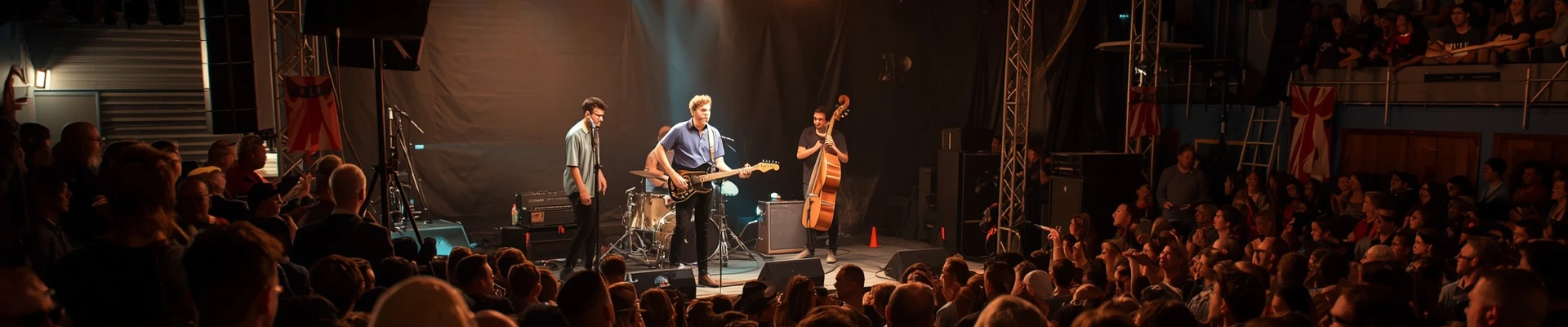
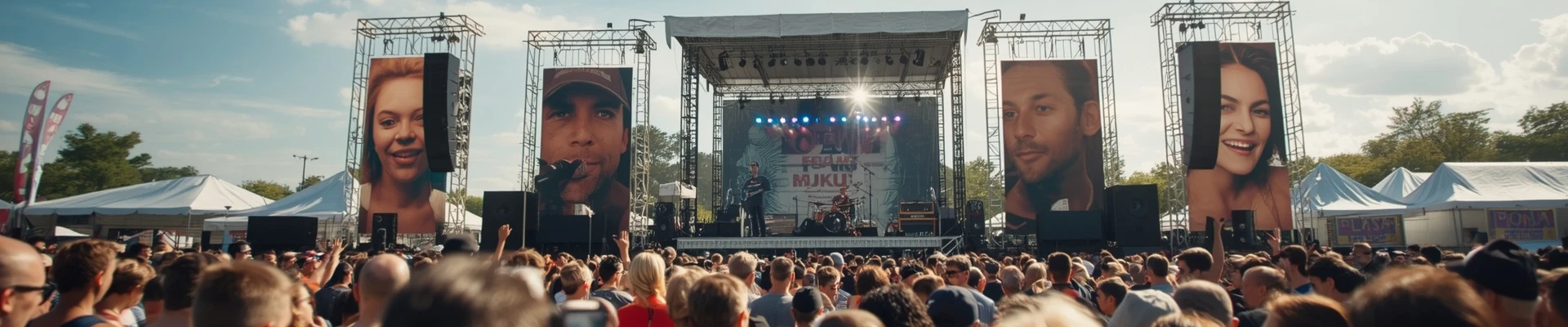
Grand Prairie does not have a locally-generated musical sound in the way that cities like Austin, Lubbock, or even Denton do. Its music identity is largely defined by its role as a venue city — a place where touring acts perform for the broader DFW audience rather than a city with a distinct homegrown scene. The centerpiece of that identity is Verizon Theatre at Grand Prairie (originally TXU Pavilion, then Nokia Theatre Grand Prairie, then rebranded across multiple corporate sponsorships), a 6,316-capacity indoor-outdoor hybrid venue that opened in 2002 and has become one of the most important mid-size concert venues in the American Southwest. The theatre books across country, pop, R&B, hip-hop, Latin, classic rock, and metal — its location in the population-dense DFW core gives it a built-in audience of millions, and it draws an astonishing range of national and international touring acts. For residents of Grand Prairie and the surrounding Metroplex, the Verizon Theatre is the primary live music reference point.
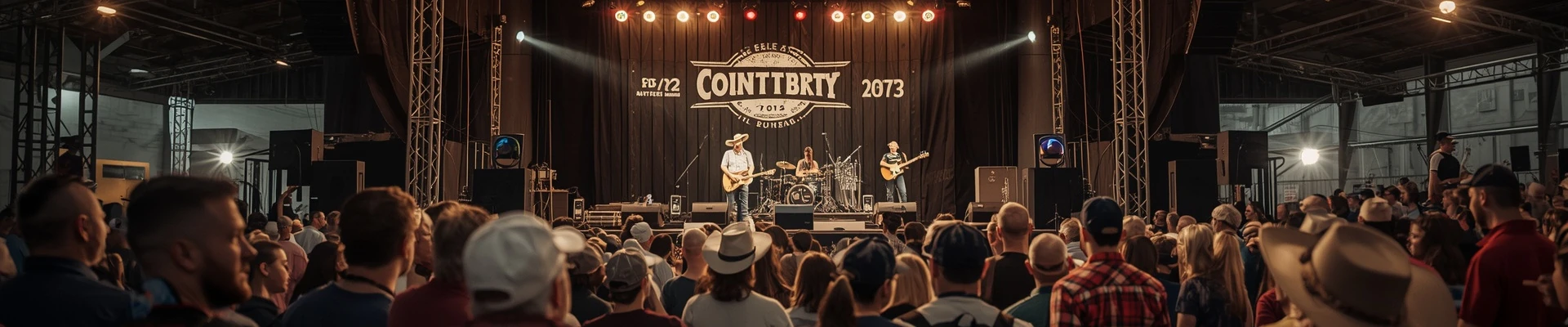
Country music is the genre most naturally associated with Grand Prairie's demographic character. The city's working-class, largely blue-collar, and heavily military-adjacent population (proximity to Naval Air Station Joint Reserve Base Fort Worth and the defense industry) gives it a cultural gravitational pull toward Texas country — both the mainstream Nashville end and the Red Dirt and Texas country scenes that operate through the Fort Worth–Dallas corridor. Lone Star Park at Grand Prairie — a thoroughbred and quarter horse racing facility that opened in 1997 — programs outdoor concerts and events in its infield, adding a distinctly Texas-country flavor to the city's event calendar.
The city's Latino music scene reflects its demographics. Grand Prairie's population is roughly 40% Hispanic — predominantly Mexican and Central American — and the Spanish-language norteño, cumbia, banda, grupero, and reggaeton scenes operate through a network of nightclubs, quinceañera halls, dance venues, and community events throughout the city. The Epic Center corridor and various club venues on Pioneer Parkway and Belt Line Road serve this scene. Tejano music — the San Antonio–rooted accordion-and-bajo-sexto genre that has been central to Texas Mexican-American culture since the 1940s — has a substantial following in Grand Prairie, as does the newer Regional Mexican and urbano spectrum. Grand Prairie's position in the Metroplex places it within driving distance of both the Fort Worth Tejano circuit and the Dallas Latin music scene, and local radio stations serving the Spanish-language market (particularly KLNO 94.1 and KESS 107.1) are tuned in across the city.
Gospel and contemporary Christian music operate through a large network of churches, particularly in the African American community centered in the Jackie Robinson Park and Dalworth Park neighborhoods in the city's north and east sections. Grand Prairie has a substantial African American population — roughly 20% of the city — and Black church music in the Baptist and Pentecostal traditions has sustained a serious gospel scene for decades. Several Grand Prairie churches field choirs that compete and perform regionally.
Hip-hop runs through Grand Prairie in the same way it runs through every large DFW suburb — as the dominant youth culture, with freestyling, open mics, and independent recording activity distributed across apartment complexes, home studios, and small venues throughout the city. The proximity to Dallas (and its deeper hip-hop infrastructure) means that serious Grand Prairie hip-hop artists typically move their careers toward Dallas booking, labels, and studios rather than building infrastructure locally.
Venues and neighborhoods
The venue ecosystem in Grand Prairie is led by Verizon Theatre at Grand Prairie — the city's premier indoor amphitheatre and the largest dedicated music venue within the city limits. Lone Star Park at Grand Prairie programs outdoor entertainment as part of its racing schedule, including concerts tied to major racing events. QuikTrip Park (home of the FC Dallas MLS farm team and baseball's Grand Prairie AirHogs) has programmed outdoor music events. Epic Waters Indoor Waterpark runs entertainment programming. The city's bar and club scene is distributed across Pioneer Parkway (a long commercial strip with a mix of Mexican restaurants, dance clubs, and bars), the Main Street/Downtown area near historic Grand Prairie, and the SH-360 corridor.
The International Bowling Campus — home to the USBC headquarters and bowling hall of fame — is a significant civic institution but not a primary music venue. The Uptown Theater and smaller clubs on Pioneer Parkway serve the local Latin nightlife scene. The Cotton Bowl's proximity in neighboring Dallas draws Grand Prairie residents to State Fair of Texas concerts — an annual tradition that brings tens of thousands of DFW residents to the Fair Park grounds each fall.
Neighborhoods with distinct character include Historic Downtown Grand Prairie (small-town commercial strip being revitalized), Lake Ridge (upscale residential community along Joe Pool Lake), Dalworth Park and Ditto (older, historically African American working-class neighborhoods), and the corridor along Arkansas Lane and Pioneer Parkway that anchors the city's Latino commercial and entertainment life.
Festivals and signature events
Grand Prairie's event calendar is led by the Heart of the City Festival — the city's annual downtown celebration — and the programming at Verizon Theatre and Lone Star Park. The Grand Prairie Farmers Market at Dalworth Recreation Center incorporates local music. SummerStage at Lone Star Park programs outdoor concerts through the summer racing season. Cinco de Mayo and Diez y Seis de Septiembre celebrations across the city's Latino commercial corridors are among the most well-attended community events, featuring norteño and banda acts. The Epiq Center at Grand Prairie programs events that blend entertainment, food, and live music. The Joe Pool Lake area hosts summer concerts and outdoor music events. Christmas in the Square in historic Downtown Grand Prairie is an annual tradition featuring local choirs and bands.
The DFW Metroplex's dense festival ecosystem — from Dos Equis Pavilion and Dickies Arena in nearby Dallas and Fort Worth, to Fortress Festival, Deep Ellum Arts Festival, and the Texas State Fair — draws Grand Prairie residents into a broader regional music culture that supplements the city's own event offerings.
What ties it all together
Grand Prairie's musical signature is ultimately that of a mid-size venue city in a giant metropolitan area — a place whose music life is defined less by a homegrown sound than by the quality of its infrastructure for bringing touring acts to the Metroplex and the cultural energy of its majority-minority community. The Verizon Theatre is the calling card — one of the best mid-size concert rooms in Texas, positioned perfectly to catch the touring market that can't fill American Airlines Center but draws too large a crowd for a club show. Beneath that flagship infrastructure lies a genuinely diverse musical culture: norteño and banda in the Latin dance clubs on Pioneer Parkway, gospel powerhouses in the African American church circuit, Red Dirt country in the honky-tonks, and hip-hop in the apartment-complex home studios feeding the broader Dallas scene. Grand Prairie doesn't produce stars the way Austin or Dallas do — it produces audiences, and in the music business, a city of 188,000 people with a world-class mid-size venue and a culturally diverse, entertainment-hungry population is exactly what keeps the touring economy running.