
Irving sits at the geographic centre of the Dallas–Fort Worth Metroplex, bordered by Dallas to the east, Grand Prairie to the south, Coppell and Grapevine to the north, and the Dallas/Fort Worth International Airport to the west. With roughly 236,000 residents, it is the thirteenth-largest city in Texas and an anchor of the mid-cities corridor. Irving is divided into several distinct districts — the corporate enclave of Las Colinas, the historic working-class neighbourhood of West Irving, the commercial strip along Irving Boulevard, and the denser residential south — each carrying its own demographic and cultural character. The city's population is roughly 40% Hispanic, 20% Black, 15% Asian, and 22% white, making it one of the most diverse large cities in DFW and a microcosm of North Texas's broader demographic transformation over the past three decades.
A brief history
The land was Caddo and Wichita territory before Anglo settlers arrived in the 1840s. The town of Irving was platted in 1903 along the Rock Island Railroad line and named, in disputed local legend, either after Washington Irving or after the Irving family who donated land for the depot. Through the early 20th century it remained a small agricultural community in Dallas County, overshadowed by Dallas to the east. The post-war suburban boom drove explosive growth: Irving's population leapt from around 2,600 in 1950 to more than 97,000 by 1970. The opening of Dallas/Fort Worth International Airport in 1974 — with Irving directly under its approach path — cemented the city's role as a transportation hub and catalysed the Las Colinas development, a 12,000-acre planned urban centre anchored by the Las Colinas Urban Center, the Williams Square sculpture plaza (home to the iconic Mustangs of Las Colinas bronze sculpture), and a cluster of Fortune 500 and Fortune 1000 headquarters including Celanese, Kimberly-Clark, Michaels, Flowserve, and Omni Hotels. The most consequential cultural chapter in Irving's history arrived in 1971 when the Dallas Cowboys moved from the Cotton Bowl to the newly built Texas Stadium at the corner of Loop 12 and Highway 183 in Irving. Texas Stadium — the stadium with the famous hole in the roof, which Cowboys quarterback Roger Staubach once noted was to let God watch his favourite team — hosted the Cowboys for 38 seasons and became one of the most storied venues in American sports. The stadium was demolished in 2010 after the Cowboys relocated to AT&T Stadium in Arlington, and the site became the Irving High School athletic complex. The Cowboys' presence defined Irving's national profile for nearly four decades and established it as an entertainment and sports destination long before Las Colinas's corporate towers were built.
Music identity
Irving's music identity is shaped by three overlapping forces: its massive Latin community, its inheritance of Dallas-area rock and alternative infrastructure, and its role as a mid-size touring stop via the Toyota Music Factory and the Irving Arts Center. No single genre defines the city the way Pantera defines Arlington or the Mesquite or Garland scenes define their suburbs — Irving's music culture is distributed, diverse, and deeply tied to the broader DFW ecosystem.
The Latin music scene is Irving's most vibrant and self-sustaining. The city's large Mexican-American and recent Mexican immigrant population has built a norteño, banda, regional Mexican, cumbia, and contemporary Latin pop circuit running through West Irving and the commercial corridors along Story Road and MacArthur Boulevard. West Irving's Story Road corridor has been called the "Little Mexico" of DFW, with quinceañera ballrooms, Latin dance clubs, Mexican restaurants with live music, and independent promoters routing major regional Mexican touring acts through the area. The cumbia scene is particularly robust, with weekend dances at halls and clubs across the western side of the city drawing multigenerational Mexican-American crowds. The tejano tradition runs deep through Irving's older working-class Mexican-American community, with Selena's enduring influence felt in the clubs and cultural events of the city's west side. The city's Salvadoran, Guatemalan, Honduran, and other Central American communities have built their own circuits, overlapping with the Mexican-American scene while maintaining distinct cumbia and tropical music traditions.
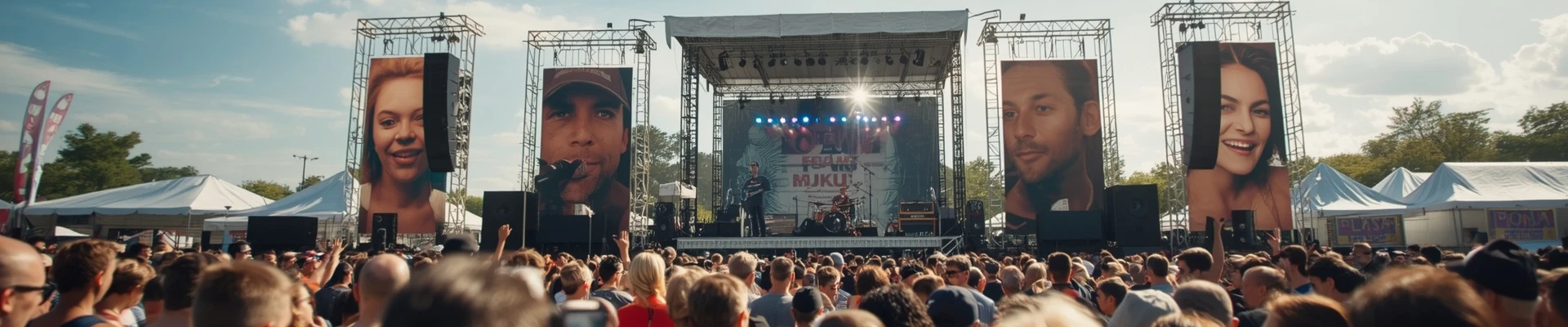
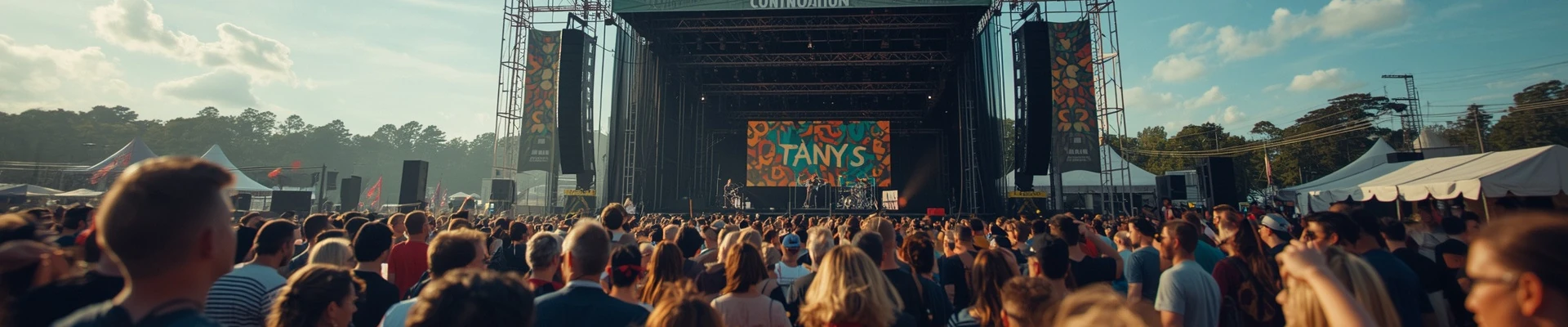
The Toyota Music Factory — the 8,000-capacity indoor-outdoor entertainment complex that opened in 2017 in Las Colinas, anchored by the Pavilion at Toyota Music Factory — transformed Irving's touring infrastructure. Before 2017, Irving lacked a dedicated mid-size concert venue; the Toyota Music Factory filled that gap and immediately became one of the most active mid-size venues in DFW, programming rock, country, hip-hop, Latin pop, R&B, and electronic acts across the 4,000-capacity indoor Pavilion and the outdoor amphitheatre configuration. Artists including Chris Stapleton, Pitbull, Goo Goo Dolls, Steve Miller Band, Counting Crows, Nelly, Old Dominion, Carly Pearce, and dozens of others have played the Pavilion since its opening. The Toyota Music Factory complex also includes One Twentieth One, Aloft Hotel, and a cluster of restaurants and bars, making it the entertainment hub of Las Colinas.
The Irving Arts Center — the city-owned 362-seat Carpenter Performance Hall and 750-seat Dupree Theater complex on Story Road — programmes classical, jazz, blues, world music, and theatrical productions year-round and has served as Irving's primary arts infrastructure since 1990. The Irving Symphony Orchestra has performed there since the complex opened, providing classical programming for the city's diverse audience. The Center also hosts the annual Irving Jazz Festival, which has brought regional and national jazz acts to the city for over two decades.
Irving's connection to the Dallas rock and alternative scene runs through its shared geography with Deep Ellum and its position as a bedroom community for musicians based in the DFW metro. Randy Travis — the neotraditionalist country pioneer who became one of the most commercially successful country artists of the 1980s and 1990s — worked as a cook at the Nashville Palace in Irving (a now-closed honky-tonk on Highway 183) in the early 1980s before his Nashville breakthrough, and his Irving years are a formative chapter in his biography. The broader DFW rock tradition encompasses The Toadies (formed in Fort Worth, active across the Metroplex), Bowling for Soup (Wichita Falls-formed, heavily DFW-active), Edie Brickell (Dallas-area), Leon Bridges (Fort Worth), and Post Malone (Grapevine-raised), all of whom have connections to the extended Irving-area circuit.
The city's gospel tradition runs through the Black churches of East Irving and the Greater Irving-Las Colinas Chamber of Commerce cultural programming. The South Asian community — particularly Irving's large Indian and Pakistani diaspora, connected to the Las Colinas corporate sector — sustains Bollywood, Indian classical, and Pakistani pop events through cultural associations and private venues. The Korean, Vietnamese, and Filipino communities maintain their own music and cultural programming, particularly through community centres in north and east Irving.
Venues and neighborhoods
The venue landscape anchors on Toyota Music Factory in Las Colinas (the Pavilion at Toyota Music Factory, 4,000-capacity indoor; outdoor amphitheatre), the Irving Arts Center on Story Road (Carpenter Performance Hall, 362 seats; Dupree Theater, 750 seats), and the scattered club and dance hall infrastructure of West Irving. The South Las Colinas corridor along the Toyota Music Factory entertainment district has added restaurants and bars with live music since 2017. The Story Road corridor in West Irving concentrates the Latin music infrastructure — ballrooms, clubs, and restaurants — while the Airport Freeway (Highway 183) commercial strip hosts additional bars and music venues serving the working-class North Irving population.
The Irving Convention Center at Las Colinas (100,000 square feet, opened 2012 alongside the Toyota Music Factory project's first phase) hosts large private events, corporate concerts, and convention programming. The Mustangs of Las Colinas plaza at Williams Square remains one of Irving's landmark public spaces, and the Las Colinas Urban Center waterway — a navigable canal through the commercial district — anchors outdoor events and summer programming.
Different neighbourhoods carry different musical identities. Las Colinas is the corporate-and-concert hub, anchoring the Toyota Music Factory and the convention centre's event programming. West Irving along Story Road and MacArthur Boulevard is the Latin music heartland. East Irving anchors the Black gospel and R&B tradition. North Irving near Valley Ranch — the former home of the Dallas Cowboys' training facility and headquarters (Valley Ranch was the Cowboys' practice complex from 1985 until the team moved to Frisco in 2016) — maintains a suburban entertainment circuit with bars and restaurants along Beltline Road.
Festivals and signature events
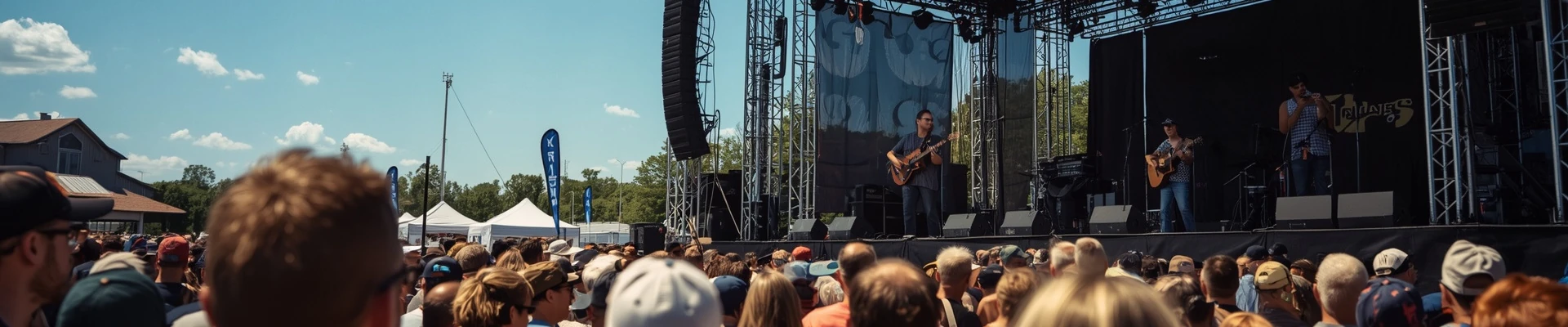
Irving's festival calendar reflects its diversity. The Irving Jazz Festival at the Irving Arts Center (mid-size regional and national jazz acts, annual spring or early summer), the Irving Multicultural Festival (celebrating the city's diverse communities with music, food, and dance), Cinco de Mayo and Mexican Independence Day celebrations along Story Road and at Cimarron Park, the Toyota Music Factory's outdoor concert programming (summer and fall), the Irving Arts Center's classical and world music series, and the Heritage Crossing Arts District programming in Historic Downtown Irving fill the calendar. The Las Colinas Film Festival includes musical performances and cultural programming. The Irving Marathon and Las Colinas Triathlon anchor the city's outdoor events calendar with associated entertainment.
What ties Irving together is its role as the diverse, corporate-suburban mid-city of the DFW Metroplex — a place built on the convergence of Fortune 500 headquarters, the Cowboys' long shadow, a massive Latin community that has built one of the most active norteño and banda circuits in North Texas, and the Toyota Music Factory complex that finally gave Irving the mid-size concert infrastructure commensurate with its population. Irving is where Randy Travis cooked in a honky-tonk kitchen while waiting for his Nashville moment, where the Dallas Cowboys played for 38 years in the stadium with the hole in the roof, where the Mustangs of Las Colinas charge through a downtown water feature, and where Story Road's dance halls keep the cumbia and tejano traditions alive for the city's largest community. It is not the most storied music city in North Texas — Dallas and Fort Worth carry that weight — but its diversity, its infrastructure, and its living Latin music culture make it one of the Metroplex's most musically rich suburbs.