

Lewisville is a city of approximately 104,000 residents in Denton County, anchored on the south shore of Lake Lewisville — one of the largest reservoirs in Texas, stretching across nearly 30,000 acres of North Texas prairie. The city sits roughly 32 kilometres north of downtown Dallas and 20 kilometres south of Denton, placing it squarely within the upper arc of the Dallas–Fort Worth Metroplex along the Interstate 35E corridor. Its neighbours include Flower Mound to the west, Highland Village to the north, and Carrollton to the south — all part of the same vast suburban matrix that has transformed Denton County from agricultural plain into one of the fastest-growing population belts in the United States.
The city's rapid growth from a small farming community (around 9,000 residents in 1960) to a six-figure suburban centre tracks the broader post-war suburbanisation of North Texas. Lewisville today is majority-minority — roughly 35% Hispanic, 12% Black, 10% Asian, and 40% non-Hispanic white — reflecting the demographic transformation of suburban DFW over the past three decades. That diversity has shaped the city's cultural and musical life in ways that stretch well beyond the suburban stereotype.
A brief history
The area was home to Caddo and later Wichita and Comanche peoples before Anglo-Texan settlers arrived in the 1840s. The settlement that became Lewisville was platted in 1844 by Basdell Leach, though it takes its name from an earlier settler, Micajah Lewis. The town grew slowly through the 19th century as an agricultural community in the fertile Elm Fork bottomlands. The construction of Garza-Little Elm Reservoir — renamed Lake Lewisville — was completed in 1954 by the US Army Corps of Engineers, flooding the original town site and establishing the modern lakeside geography that now defines the city's identity. A new town was constructed on higher ground to the south, and the postwar suburban boom transformed it rapidly.
The arrival of Interstate 35E in the 1960s linked Lewisville to both Dallas and Denton, making it a natural bedroom community for both urban centres. Through the 1970s, 1980s, and 1990s, the city's population doubled repeatedly as DFW's suburban sprawl pushed northward. The Lewisville Lake Amphitheater (now Toyota Music Factory in neighboring Irving draws some acts, but Lewisville itself developed its own music infrastructure) and the Music City Mall corridor along East Round Grove Road anchored early entertainment development. The city's downtown district along West Main Street has been subject to periodic revitalisation efforts, with the area now anchoring a live music and dining cluster.
The city is also notable as a longtime home of Lewisville Independent School District, one of the largest school districts in Texas, serving over 50,000 students — a feeder system for the region's music programs, choir tradition, and marching band culture that is deeply embedded in North Texas suburban life.
Music identity
Lewisville sits within the gravitational field of the broader Dallas–Fort Worth music ecosystem — a region that has produced Erykah Badu, Edie Brickell, Maren Morris, Post Malone, Pantera, The Toadies, Leon Bridges, Bowling for Soup, and scores of other artists. But the city has its own musical texture, shaped by its lakeside geography, its diverse demographics, and its position on the 35E corridor connecting Dallas to Denton's famously fertile college-rock and alt-country scene.
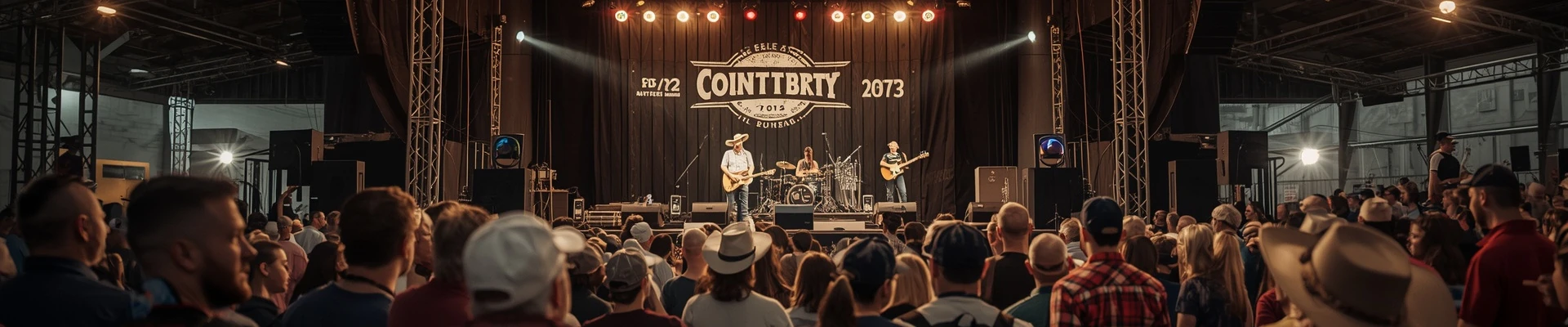
The city's most identifiable musical contribution is its role in the Texas country and red dirt tradition. North Texas — the arc of Denton County and surrounding suburbs — has long been a corridor for the brand of Texas country and outlaw rock that flows between the honky-tonks of Denton, the stadium stages of Dallas, and the dance halls of the Hill Country. Lewisville's own honky-tonk and country bar scene has run continuously through this tradition. Kicks 101.5 and 99.5 The Wolf (the dominant DFW country radio stations) are the musical wallpaper of the city's bars and trucks, and acts from the Texas country circuit — Josh Abbott Band, Wade Bowen, Randy Rogers Band, Cody Johnson, William Clark Green — cycle through area venues regularly.
The city's Latin music scene reflects its substantial Mexican-American and broader Hispanic community. Norteño, banda, cumbia, and contemporary Latin pop and reggaeton flow through bars and restaurants along the Corporate Drive and Valley Ridge Boulevard corridors, as well as through the city's multicultural neighbourhoods. Selena's legacy — and the broader Texas Tejano and Mexican-American music tradition — is a living presence here, particularly through quinceañera culture, dance halls, and community festivals.
The Asian-American community — which includes substantial Vietnamese, Indian, and Filipino populations — sustains a parallel entertainment economy through karaoke bars (a significant cultural institution along the 35E corridor through Lewisville and Carrollton, a corridor sometimes called the Golden Corridor for its Vietnamese and pan-Asian commercial concentration), Indian classical music events, and Filipino community gatherings.
Lewisville's rock and alternative history connects to the broader Denton-Dallas ecosystem. The Lewisville-Flower Mound area has produced numerous bands that worked the DFW club circuit, playing Trees in Deep Ellum, The Curtain Club, and venues in Denton. The suburb's high schools have been a consistent breeding ground for musicians who went on to active careers in the regional scene. Bowling for Soup — the punk-pop band whose 2003 hit "1985" became one of the defining pop-punk songs of the decade — though originally from Wichita Falls, spent formative years in the DFW area and remains heavily identified with North Texas suburban culture. The song's narrative of suburban nostalgic longing maps directly onto the Lewisville experience.
The city's gospel and Black church music tradition runs through its African-American community, with multiple churches sustaining choral and praise-and-worship programs of genuine musical depth. This tradition connects to the broader DFW gospel scene, which has produced national gospel acts and fuelled the R&B and soul circuits of the metroplex.
Venues and neighborhoods
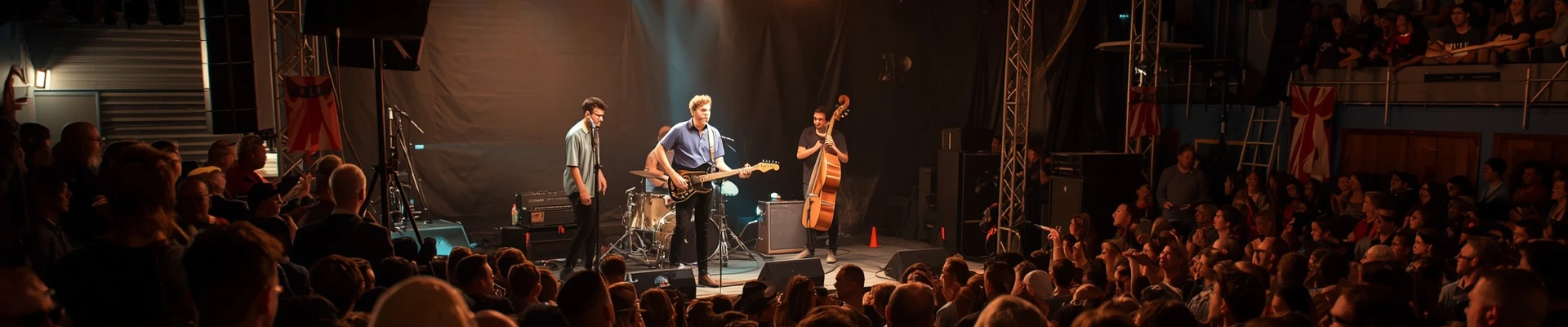
Lewisville's live music infrastructure is built around a cluster of bars and venues in the Old Town district along West Main Street, supplemented by a broader scattering of music-hosting bars and restaurants across the city's commercial corridors.
The Lake Lewisville shoreline — accessible through the Lewisville Lake Park system operated by the Army Corps of Engineers — hosts summer concerts and outdoor events at various park facilities, particularly at Lewisville Lake Environmental Learning Area and the marina areas. The lake itself is the city's defining geographic and cultural amenity, anchoring summer social life, boat culture, and outdoor entertainment.
Old Town Lewisville along West Main Street has been the anchor of the city's live music scene — a walkable strip of bars, restaurants, and small venues that programs local and regional acts year-round. The Basement Bar, Mulberry Street Cantina, and several other establishments on the Main Street corridor have hosted consistent live music over the years. The area is modest compared to Deep Ellum or Fort Worth's Magnolia Avenue, but it functions as a genuine community music hub.
The city's commercial corridors — particularly along State Highway 121, FM 1171, and the Corporate Drive corridor — host a large number of bars and restaurants with live music, particularly on weekends. The Vista Ridge Mall area and surrounding dining corridors program cover bands and regional acts at their bar-restaurant hybrids. This pattern — distributed live music across suburban restaurant bars rather than concentrated in a single entertainment district — is characteristic of post-2000 North Texas suburban entertainment geography.
Lewisville is also within easy driving distance of the major DFW concert venues: Toyota Music Factory in Irving (the 8,000-capacity amphitheatre that hosts major touring acts), Dos Equis Pavilion (the major outdoor shed east of Dallas), American Airlines Center in Dallas, and Dickies Arena in Fort Worth. Denton's Dan's Silverleaf, Rubber Gloves Rehearsal Studios, and Andy's Bar are under 30 minutes away for the indie and alt-country circuit.
Festivals and signature events
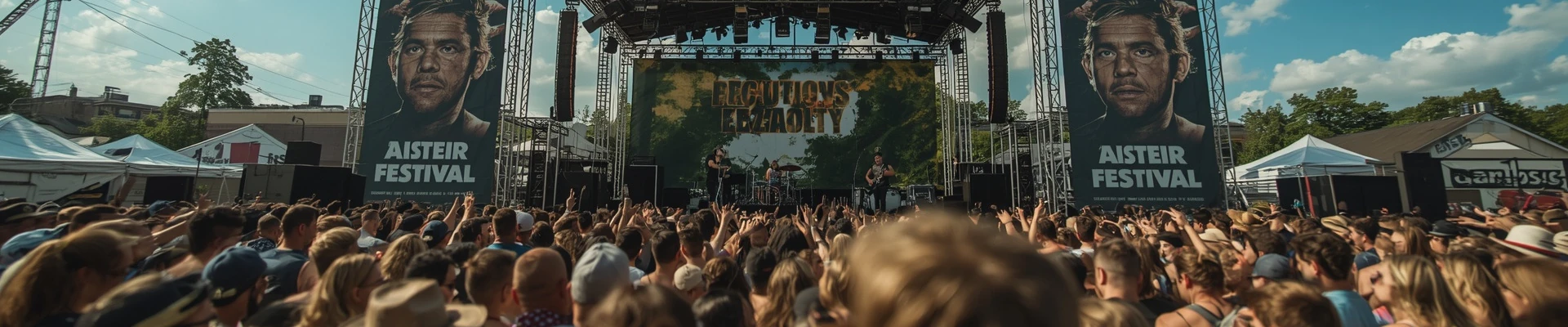
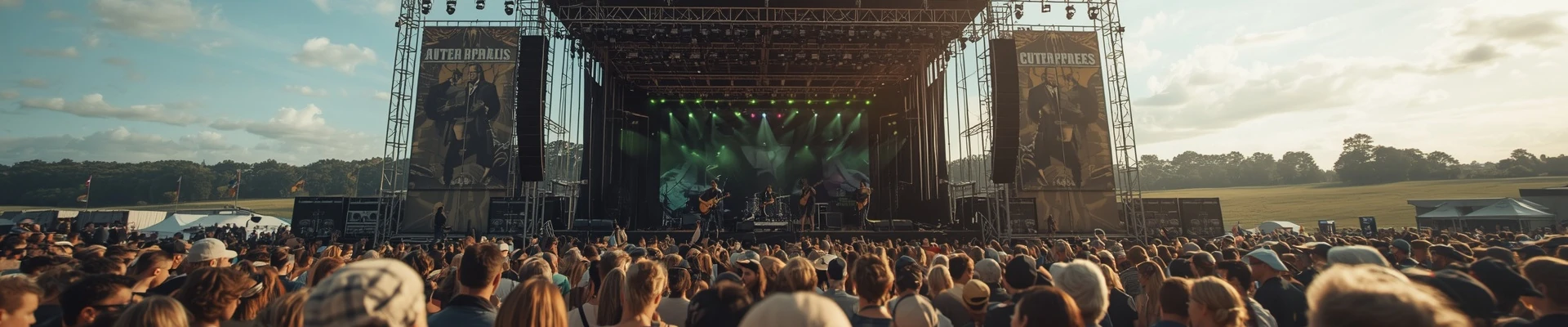
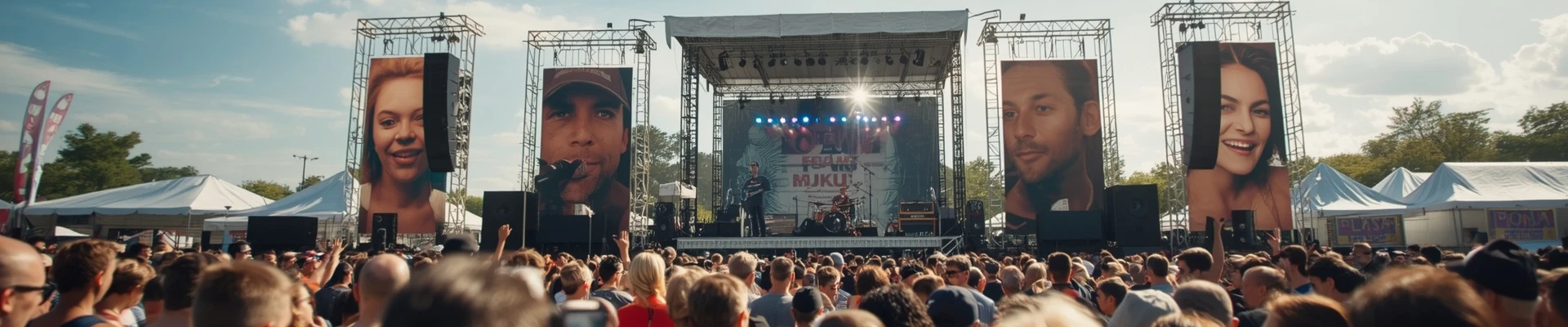
Sounds of Lewisville is the city's flagship music festival, held at various outdoor venues in the summer and programming regional Texas acts across country, rock, and Latin music — a civic event that draws from the city's full demographic range.
The Lake Lewisville Fireworks show on the Fourth of July at the lake is one of the largest public gatherings in Denton County, drawing tens of thousands and featuring live music alongside the pyrotechnics. The Lewisville Cinco de Mayo Festival reflects the city's Mexican-American community with norteño, banda, and Tejano acts. Old Town Lewisville events — including summer street festivals and holiday events — programme local and regional acts through the Main Street corridor.
The Lewisville ISD performs choral and band concerts throughout the year at the Lewisville ISD Fine Arts Complex — events that represent the deepest investment in music education of any institution in the city and that feed directly into the regional music scene's talent pipeline.
Lewisville residents also access the broader DFW festival calendar — Edgefest (the long-running Dallas alternative festival), the Honda Stage at Toyota Music Factory, Fort Worth's Main St. Arts Festival, and Denton's Thin Line Fest and the constellation of events around the University of North Texas.
What ties it all together
Lewisville is a North Texas suburb that punches above its weight musically — not through landmark venues or internationally famous artists, but through the combination of its diverse demographics, its position on the cultural corridor between Dallas and Denton, its genuine bar-and-live-music infrastructure in Old Town, and its lakeside identity that draws tens of thousands to outdoor events each summer. The city is representative of a new North Texas demographic reality: majority-minority, fast-growing, deeply connected to both Mexican-American and pan-Asian cultural traditions, and woven into the same county as one of the most musically vital college towns in Texas. The 35E corridor — running from the Deep Ellum clubs of Dallas through Lewisville and Carrollton to Denton's DIY scene and the University of North Texas music school (one of the top jazz programs in the country) — is a musical artery that gives Lewisville access to a richer ecosystem than its suburban geography might suggest. It is a city where country bars, norteño clubs, karaoke halls, gospel choirs, and high school marching bands all coexist within a few kilometres of one of Texas's great reservoirs, and where the sounds of a rapidly diversifying Sun Belt suburb reflect the ongoing transformation of the American South.