
Mesquite is an incorporated city of approximately 144,000 residents in eastern Dallas County, Texas, sitting about 13 miles east of downtown Dallas along the Interstate 30 and Interstate 635 corridors. Founded in the 1870s as a railroad town, it spent most of the 20th century evolving from a small agricultural and rail community into one of the densely populated working-class suburban cities that ring Dallas's eastern and southeastern quadrants. The city's terrain is flat to gently rolling Blackland Prairie, marked by the same rich dark clay soil that once made the surrounding region some of the most productive cotton farmland in North Texas. Despite being thoroughly encircled by Dallas, Garland, Balch Springs, and Sunnyvale, Mesquite maintains an independent municipal identity defined most visibly by the Mesquite Championship Rodeo — the longest-running professional weekly rodeo in the United States — and by the working-class pride, country music culture, and Hispanic community traditions that give the city a character distinct from its more white-collar suburban neighbors to the north.
Geography and setting
The city occupies a compact footprint of approximately 179 square kilometres, bounded on the west by the Dallas city limits and on the east by Sunnyvale and Forney. Town East Mall, one of the major retail anchors of the eastern DFW suburbs, sits within Mesquite's boundaries, as does Mesquite Metro Airport, a general aviation facility that serves private and charter traffic east of Dallas. The city's elevation is roughly 145 metres (475 feet) above sea level. Skyline Drive and the older residential grids west of US-80 represent the city's pre-boom residential core; the newer subdivisions that pushed east and south toward the Kaufman County line during the 1990s and 2000s reflect the second wave of working-class suburban growth that transformed the city's demographic mix.
The Mesquite Convention Center and Arena complex on Rodeo Drive is the cultural and events anchor of the city — the facility where the Rodeo has run since its earliest years and where major community events, concerts, and trade shows are concentrated. Mesquite Arts Center, housed within the Convention Center complex, is the city's primary performing arts venue, programming theatrical productions, dance performances, and music events year-round.
A brief history
The town of Mesquite was platted in 1873 along the Texas and Pacific Railway line, taking its name from the mesquite trees that dominated the surrounding prairie landscape. Like many small North Texas railroad towns, its early economy centred on cotton ginning, grain storage, and the agricultural trade that the railway made possible. The town incorporated in 1887 and remained relatively small through the first half of the 20th century — a modest farming community of a few thousand people. The post-World War II suburban expansion of Dallas began pulling Mesquite into the metropolitan orbit during the 1950s, and the construction of Interstate 30 in the 1960s accelerated that integration dramatically.
By the 1970s and 1980s Mesquite had grown into a solidly working-class suburb, attracting families priced out of or seeking a different culture from the city itself. The city's industrial and warehouse corridor along I-30 and the Belt Line Road area provided employment for blue-collar workers in transportation, manufacturing, and distribution. That working-class character — honest, practical, more country than city — shaped the cultural sensibility that the Mesquite Championship Rodeo both reflected and reinforced.
Music identity
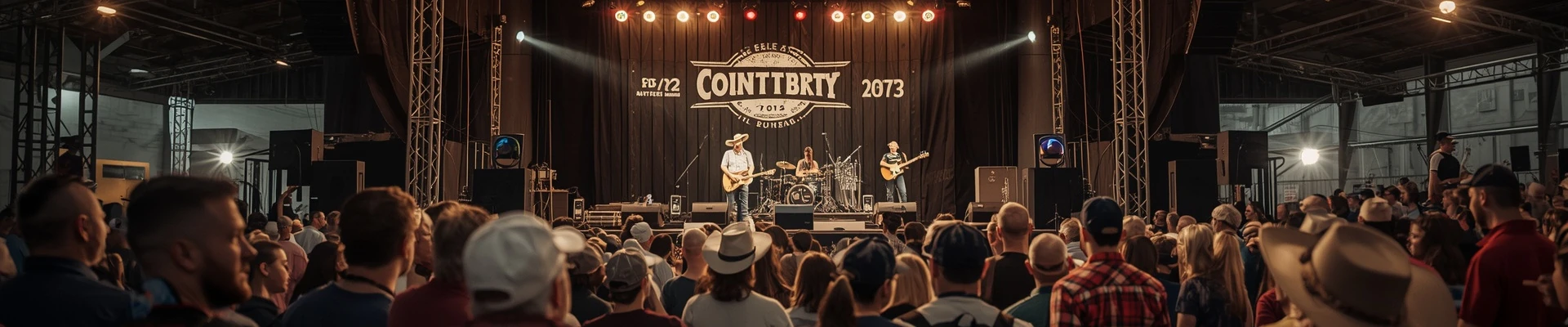
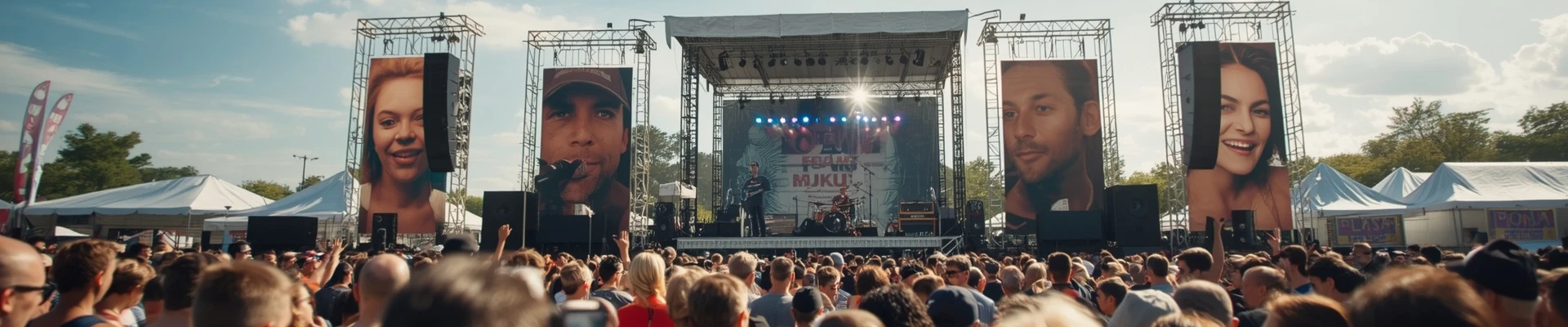
Mesquite's most consequential cultural export is the rodeo itself, and rodeo and country music are inseparable in Texas culture. The Mesquite Championship Rodeo, which has operated continuously since 1946 at what became Resistol Arena (named after the iconic Texas hat brand), ran every Friday and Saturday night throughout its performance season for decades, drawing competitors and audiences from across the region. The rodeo format always incorporated live country and western music as part of the entertainment package — Western bands, fiddle players, and country singers performing between events, making Resistol Arena one of the most consistent live music venues in the eastern DFW suburbs in terms of sheer number of performances over the decades.
That country music gravitational field extends well beyond the arena itself. Mesquite's bars, dance halls, and honky-tonks have long been stops on the broader Texas country and red dirt touring circuit. Acts working the DFW suburban honky-tonk network — artists in the tradition of George Strait, Randy Rogers Band, Pat Green, Wade Bowen, and Kevin Fowler — have played the rooms east of Dallas consistently, finding audiences that grew up with country radio and the rodeo as central cultural institutions. The city's working-class demographics align closely with the traditional country music audience in Texas.
Mesquite's Hispanic community, which constitutes roughly 40% of the city's population, sustains a parallel and equally robust music ecosystem. Norteño, cumbia, banda, and regional Mexican music are deeply embedded in the cultural life of the city's Mexican-American families — the generations of workers who came to eastern Dallas County for employment in construction, warehousing, food processing, and service industries. Weekend dances, quinceañeras, and community celebrations at local halls and parks generate continuous demand for live conjunto and norteño bands, many of them operating out of the broader DFW Mexican-American community. Tejano music — the Texas-born fusion of norteño, polka, cumbia, and R&B that produced artists like Selena, Little Joe y La Familia, and La Mafia — has a faithful audience base in Mesquite's South Dallas corridor communities.
The city's substantial African-American community (approximately 20% of the population) connects Mesquite to the Dallas-rooted gospel and soul traditions that run deep through eastern and southeastern Dallas County. Black churches anchored in Mesquite — many affiliated with Baptist and Pentecostal traditions — maintain choral programs, mass choirs, and contemporary gospel ensembles that function as both community institutions and training grounds for musicians. The gospel music tradition in this region of Texas has produced singers and musicians who move between sacred contexts and the broader Dallas R&B and soul scene.
Eastfield College, part of the Dallas County Community College District, has a campus in Mesquite that provides music education and hosts occasional performances, contributing a modest institutional music presence to the city's cultural infrastructure.
Venues and the rodeo scene
Resistol Arena at the Mesquite Rodeo complex is the city's signature venue — a multi-purpose arena facility that has hosted not only the professional rodeo but also monster truck events, concerts, and community gatherings. During the rodeo season the arena fills with audiences of several thousand, making it one of the higher-capacity live events venues in the eastern DFW suburbs. The country and western music performed alongside the rodeo competition has given generations of Mesquite residents their primary live music experience.
Mesquite Arts Center in the Convention Center complex programs a diverse performance calendar including touring Broadway productions, classical concerts, dance performances, and family entertainment. The venue has a flexible configuration suited to intimate theatrical productions and mid-size musical acts alike.
The city's bar and restaurant scene along Belt Line Road, Scyene Road, and the Main Street area has supported a rotation of live music venues serving country, classic rock, and regional acts. Establishments in these corridors have historically hosted local and regional touring bands across country, rock, and tejano genres, though the specific names of individual bars cycle with the usual turnover of independent hospitality venues in suburban Texas.
Festivals and community events
The Mesquite Championship Rodeo season — typically running from spring through late summer — is the city's defining recurring event, functioning as a cultural festival as much as a sporting competition. The rodeo draws audiences from across the DFW metroplex and from regional tourism visitors, making it one of the most consistently attended live events in eastern Dallas County.
Mesquite Día de los Muertos celebrations and Cinco de Mayo events in the city's Hispanic community bring outdoor music stages, traditional dance, and conjunto bands into the parks and community spaces of South and East Mesquite. These events reflect the growing civic confidence of the city's Mexican-American community and provide outdoor live music programming that draws thousands of attendees.
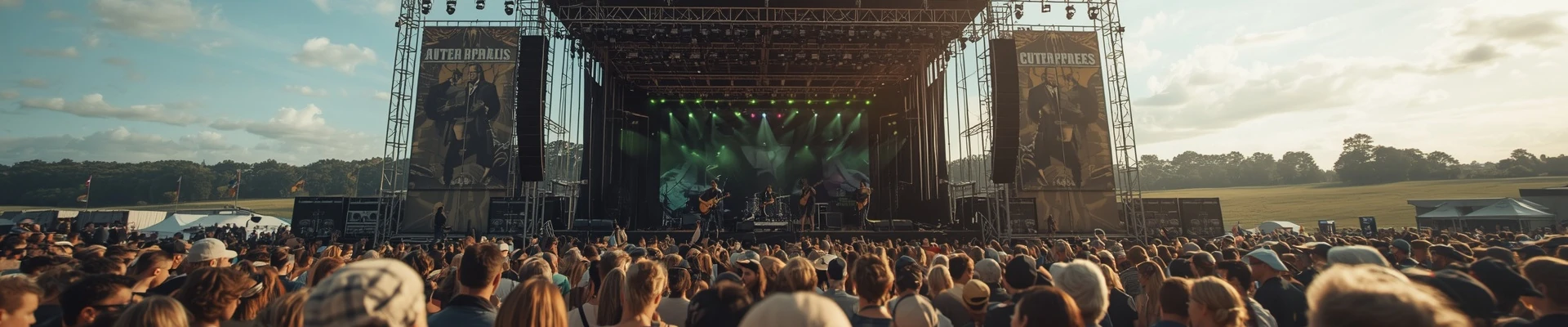
The city's parks department programs Music in the Park and similar summer outdoor concert series that bring country, rock, and family-friendly pop acts to public green spaces. The Convention Center complex hosts trade shows and community events throughout the year that incorporate musical entertainment ranging from DJ sets to full live band performances.
Demographics and community character
Mesquite's roughly 144,000 residents form one of the more diverse populations in the eastern DFW suburbs. The city's Hispanic/Latino community — approximately 40% of residents — reflects generations of Mexican-American families who came to Dallas County as agricultural and industrial workers and built permanent community institutions in Mesquite, Balch Springs, and the surrounding southeastern Dallas County cities. The African-American community at roughly 20% represents a significant presence, with historical roots in the post-war suburban migrations that moved Black families into eastern Dallas County as housing opportunities opened during and after the civil rights era. The remaining population is predominantly white non-Hispanic, with a demographic character that leans working-class and blue-collar — the families of truck drivers, warehouse workers, electricians, and small business owners who built the suburban Dallas economy.
That demographic mix — working-class white country fans, Mexican-American families sustaining conjunto and norteño culture, and African-American gospel communities — creates a city whose music life operates mostly outside the spotlight of the Austin-Nashville pipeline but is nonetheless deep-rooted and genuinely community-sustaining. Mesquite does not produce platinum records. It produces working musicians, weekend dancers, and a Rodeo that has run without interruption since the year after World War II ended.
What ties it all together
Mesquite's defining musical signature is the rodeo arena and the honky-tonk — the country and western tradition that has anchored the city's public culture since the mid-20th century — running alongside the norteño and conjunto rhythms of its Mexican-American community. These two streams do not often mix directly, but they share a common working-class seriousness: music made for people who work hard and want to dance, or sing, or sit close to the stage after a long week. Resistol Arena, the church choirs of the city's evangelical and Black Baptist congregations, the quinceañera bands in community halls, and the country artists cycling through the eastern DFW bar circuit all draw from that same deep well of functional, community-sustaining music culture that has always been the backbone of working-class Texas.