
Plano is the largest city in Collin County, Texas, and the ninth-largest city in the state, with roughly 284,000 residents inside its city limits and a place inside the vast Dallas–Fort Worth metroplex that stretches across north-central Texas. Sitting on the Blackland Prairie approximately 20 miles north of downtown Dallas, Plano is connected to the city proper by the Dallas North Tollway, US-75 (Central Expressway), and DART's Red Line commuter rail. The city is one of the wealthiest large suburbs in the United States — home to North American headquarters for Toyota, JPMorgan Chase, FedEx Office, Liberty Mutual, Ericsson, Frito-Lay, Rent-A-Center, and dozens of other Fortune 500 operations — and has consistently ranked among the safest and most economically prosperous large cities in America.
Plano's population is strikingly diverse for a wealthy suburban city. The city is roughly 17% Asian American (with large South and East Asian communities, particularly Indian, Chinese, and Korean), 14% Hispanic, and 8% Black — a demographic composition shaped by decades of technology and corporate talent recruitment that drew international professionals and their families. This diversity, combined with the city's exceptional school system and youth programming infrastructure, has made Plano one of the most productive pipelines of young musical talent in Texas.
A brief history
Plano was established in 1872 as a small agricultural settlement on the Houston and Texas Central Railway — the rail connection that let prairie farmers ship cotton and wheat south to Dallas and on to Houston. The city incorporated in 1873 and remained a modest farming town through the first half of the 20th century. The transformation came in the late 1950s and accelerating through the 1960s and 1970s: Dallas's suburban expansion pushed north along Central Expressway, and Plano's population exploded from fewer than 4,000 in 1960 to 72,000 by 1980. The corporate relocations began arriving in the 1980s — Electronic Data Systems (founded by Ross Perot) set the template, and the steady parade of headquarters relocations has continued through the 2010s, cementing Plano's identity as North Texas's premier corporate address. Legacy West — the massive mixed-use development on the former Frito-Lay campus in far northwest Plano — opened in 2017 and became the city's dominant upscale entertainment and dining hub.
Music identity
Plano's music identity is shaped by three overlapping realities: its place inside the enormous Dallas–Fort Worth music ecosystem, its exceptional youth music infrastructure, and a suburban rock and country scene that has matured alongside the city's entertainment districts.
The DFW connection is fundamental. Plano musicians grow up with access to the full Dallas venue ecosystem — House of Blues Dallas, Granada Theater, Trees, Deep Ellum Live, The Bomb Factory, Gilley's Dallas — and many Plano-raised artists make their name on the Dallas circuit before achieving wider recognition. Post Malone (born in Syracuse but raised in the DFW suburbs, attending high school in Grapevine near the Plano area) represents the wider suburban DFW hip-hop pipeline that Plano contributes to, though his specific ties are to neighboring Grapevine and Southlake. Kyle Park, the Texas country singer-songwriter, spent formative years in the Plano area. The city's rock scene has produced a steady stream of artists who have broken through on the Dallas and wider Texas circuit without being household names nationally — a pattern common to prosperous, talent-rich suburbs.
The youth music infrastructure is Plano's most distinctive contribution. Plano Independent School District operates one of the most celebrated music programs in Texas — with marching bands, orchestras, jazz ensembles, and choral programs at Plano Senior High School, Plano East Senior High School, and Plano West Senior High School that have won state and national championships and consistently send students to top conservatories and music schools. The Collin College music department, Interlochen regional auditions, and a dense network of private music instruction studios scattered across the city's strip-mall corridors collectively make Plano one of the most music-educated youth populations in Texas. This pipeline reliably feeds the DFW scene and beyond.
The South Asian community — particularly the substantial Indian American population concentrated in west and northwest Plano — sustains a thriving classical and devotional music scene. Carnatic classical music instruction, Bharatanatyam dance academies, and Bollywood event programming run through temples, community centres, and private studios. BAPS Swaminarayan Mandir Plano and DFW Hindu Temple host devotional music events that draw community members from across North Texas. Desi event promoters program garba, bhangra, and Bollywood-themed nights at Plano and Allen venues during festival seasons.
The Korean and Chinese American communities sustain K-pop cover dance groups, Korean indie listening circles, and traditional music ensembles through Plano's Korean churches and Chinese cultural organizations. Asian language karaoke establishments along Coit Road and W Park Boulevard corridors represent a substantial and deeply social music culture that operates largely outside mainstream venue circuits.
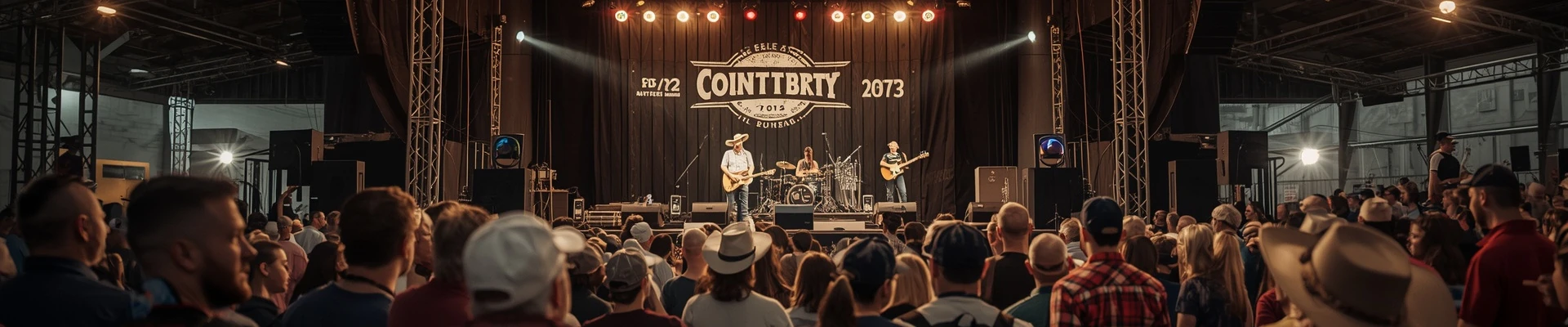
Plano's country and Texas Red Dirt scene runs through the city's honky-tonks and suburban dance halls. The broader Collin County country circuit — connecting Plano with McKinney, Allen, Frisco, and Richardson — sustains regular programming of Texas country and Red Dirt acts. Rick Trevino, the Tejano-country crossover artist, has deep North Texas connections. The Plano Balloon Festival historically featured country headliners on its main stage, and the suburban country dance-bar circuit provides steady work for dozens of North Texas country bands.
The city's gospel tradition runs through its large and well-resourced Black churches — including Friendship-West Baptist Church (which relocated its primary campus to nearby Dallas but draws heavily from Plano's Black community) and a network of North Plano and East Plano congregations whose choirs anchor the community's musical life.
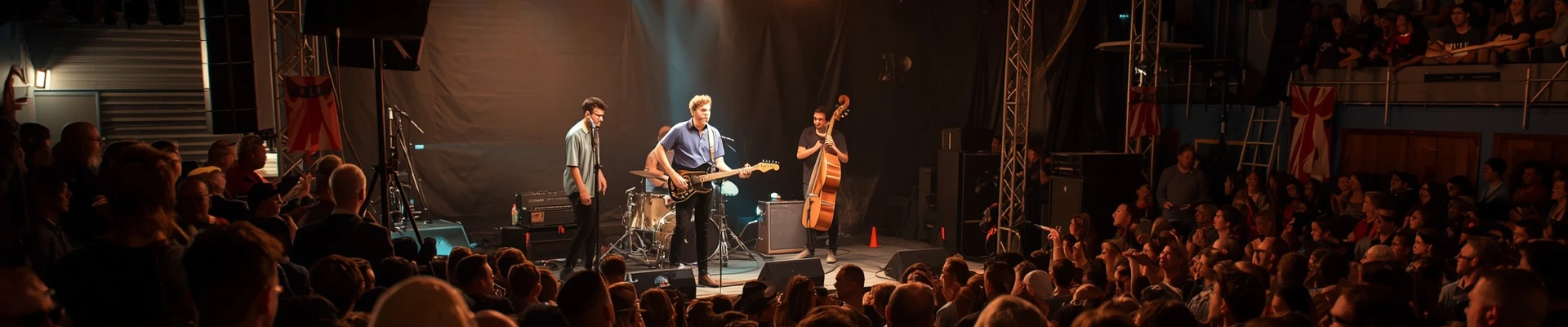
The rock and alternative scene moves through the legacy clubs and newer entertainment-district venues that have matured alongside Plano's growth. The Grind Plano has anchored the local rock circuit. The Angelika Film Center & Café in Plano's Shops at Legacy programs occasional live performances alongside art film screenings. Legacy Hall — the massive food hall and music venue inside Legacy West — has become the anchor of Plano's own live music ecosystem since opening in 2018, programming everything from local indie acts to national touring headliners in its 2,500-capacity main hall.
Venues and neighborhoods
Plano's venue geography maps onto the city's development history. Legacy West in far northwest Plano — bounded roughly by the Dallas North Tollway, Legacy Drive, and Windrose Avenue — is the city's most ambitious entertainment district, built on the former Frito-Lay campus that relocated in 2014. Legacy Hall (the 55,000-square-foot food hall with a 2,500-person main stage, a rooftop bar, and multiple food vendor stages) is the flagship venue, booking an ambitious range of touring and local acts. The Shops at Legacy to the east — an older mixed-use development anchored by the Angelika Film Center — hosts the Amphitheater at Craig Ranch in adjacent McKinney, which programs summer outdoor concerts drawing significantly from the Plano audience.
Downtown Plano — the historic core along 15th Street between K Avenue and H Avenue — has undergone arts-district revitalization anchored by the Courtyard Theater (a converted historic space programming plays and intimate musical performances), Cox Farms Music Hall at Haggard Park, and a growing collection of restaurants and bars along the Historic Downtown Plano Arts District corridor. The annual International Festifall transforms downtown into a multicultural street festival with music programming representing dozens of community traditions.
The East Plano commercial corridor along Jupiter Road and Spring Creek Parkway anchors the city's diverse small business corridor, with Filipino, Vietnamese, Indian, and Chinese restaurants and grocery stores that sustain the informal food-and-music culture of immigrant communities. The Collin Creek area, currently being redeveloped around the former Collin Creek Mall site, represents the next phase of Plano's urban densification and entertainment infrastructure investment.
West Plano along Coit Road and Preston Road anchors the most affluent residential corridors and a dense cluster of private music schools, instrument retailers, and youth performance venues. Plano Civic Center programs community concerts and the Plano Symphony Orchestra's outreach events.
Festivals and signature events
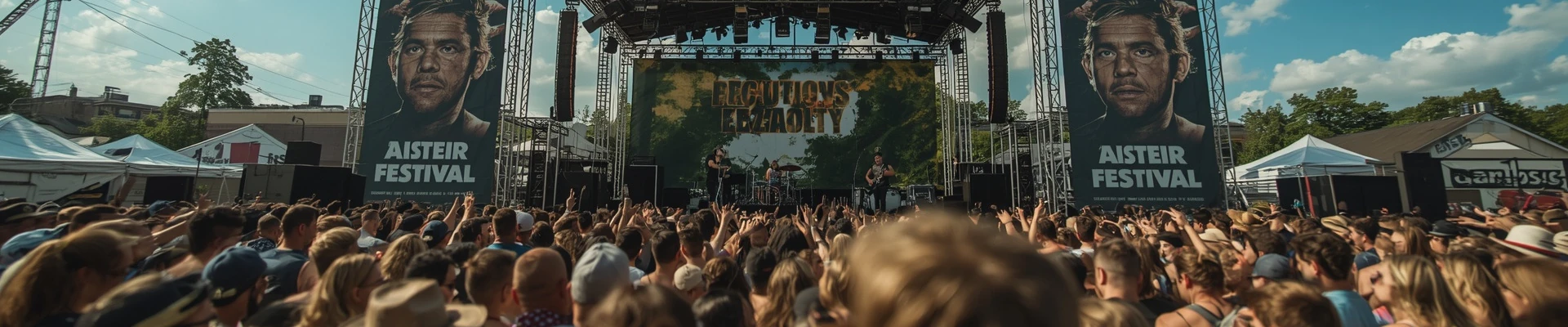
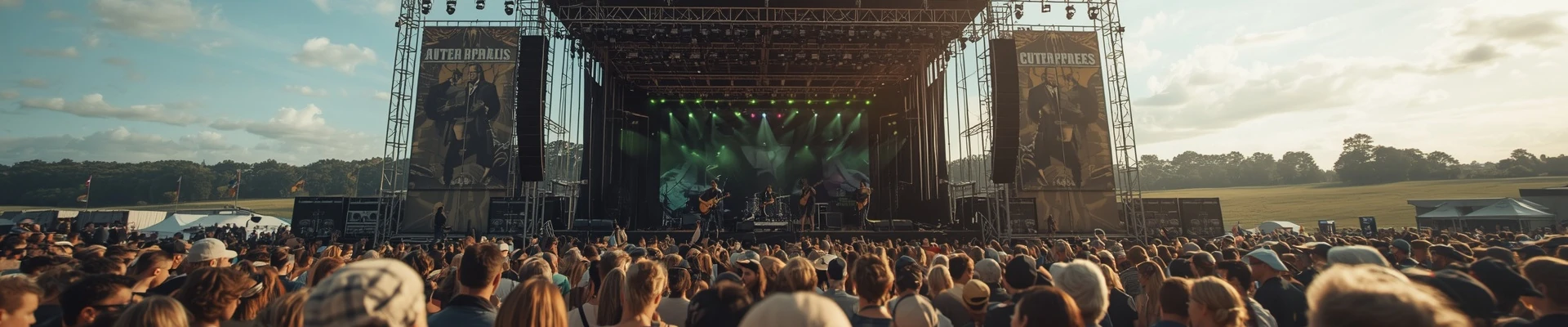
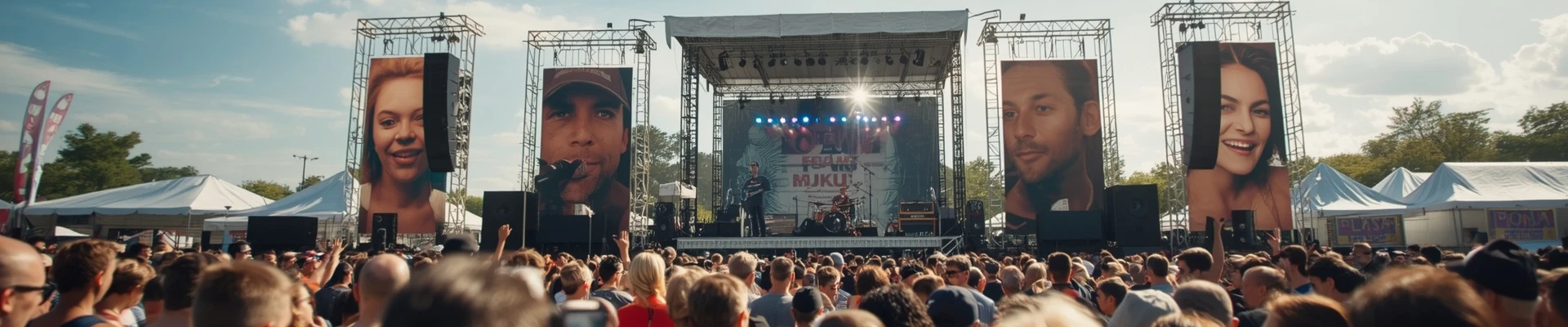
The Plano Balloon Festival — held each September at Oak Point Park and Nature Preserve — is the city's signature community event, drawing more than 100,000 visitors over three days with headlining music acts anchoring each evening. International Festifall in October transforms Historic Downtown Plano into a multicultural street fair with music stages representing the city's diverse community traditions. The Plano East High School Solo and Ensemble Competition and PISD marching competitions at John Clark Stadium are significant regional music events in their own right. The Legacy Hall summer concert series programs an aggressive slate of indoor and outdoor shows through the warmer months. Collin County also supports the broader regional festival calendar, with the Toyota Music Factory in nearby Irving providing a 8,000-capacity outdoor amphitheater that serves the entire North Texas market — drawing Plano residents as a primary audience base.
The Diwali on the Green celebration at Legacy West has grown into one of the largest Diwali events in North Texas, with substantial Bollywood, classical, and contemporary Indian music programming drawing thousands from the South Asian diaspora across the DFW area.
What ties it all together is Plano's paradox: an extraordinarily well-resourced, talent-dense, musically educated city that sits close enough to Dallas to feed the larger scene without always generating a distinctly autonomous identity. The city's PISD music programs produce conservatory-ready students at a scale few cities its size can match. Its South and East Asian communities sustain rich devotional, classical, and contemporary music traditions that operate largely independently of mainstream venue culture. Its Legacy Hall has given the city its first truly large-scale music venue. And the broader DFW ecosystem — just 20 miles south — means that Plano's musical contribution, while diffuse, is genuine and substantial.