
Richardson is a mid-sized suburban city of roughly 111,000 residents in Collin and Dallas counties, situated about 24 kilometres north of downtown Dallas along the US-75 Central Expressway corridor. It is best known internationally as the home of the Telecom Corridor — a dense concentration of telecommunications and technology companies stretching along Central Expressway that at its peak in the late 1990s housed more than 5,000 tech and telecom businesses, including major operations for Ericsson, Fujitsu, Samsung, Cisco, Nokia, AT&T, and the former North American headquarters of Nortel Networks. That technology economy brought a highly educated, internationally diverse workforce — and with it, some of the most culturally layered suburban music and arts scenes in the Dallas–Fort Worth Metroplex. Richardson is also home to the University of Texas at Dallas (UTD), a research university with roughly 29,000 students that anchors the city's east side and contributes significantly to its arts and cultural life.
A brief history
The land was Caddo and Comanche territory before Anglo settlers arrived in the mid-19th century. The town of Richardson was incorporated in 1925 and grew steadily as a bedroom community for Dallas through the mid-20th century — suburban, quiet, mostly white. The transformation came with infrastructure. When Central Expressway (US-75) was extended northward through the city, Richardson was positioned perfectly for the telecommunications and electronics industry boom of the 1970s and 1980s. Texas Instruments was already a major employer in the broader Dallas area; spinoffs, suppliers, and competitors followed the expressway north. By the 1990s the Telecom Corridor was one of the most concentrated technology employment zones in the United States, and Richardson's tax base — and its demographics — shifted dramatically. Waves of Korean-American, Indian-American, Chinese-American, and Vietnamese-American tech workers and entrepreneurs settled in the city, transforming its restaurant scene, its cultural institutions, and its music life. The bust of the early 2000s hit the Telecom Corridor hard — Nortel's collapse alone wiped thousands of jobs — but the city diversified, UTD grew rapidly, and Richardson stabilised as a prosperous, diverse suburb. Today the city is roughly 30% Asian-American (one of the highest concentrations in DFW), 15% Hispanic, and 10% Black, with a white population that has dropped to around 40%. That demographic reality now drives much of what Richardson's music and cultural scene looks like.
Music identity
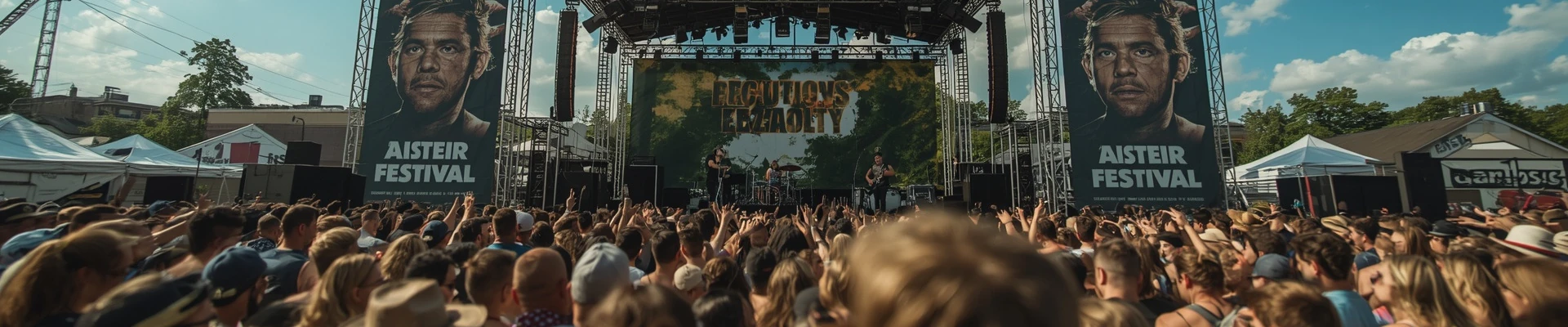
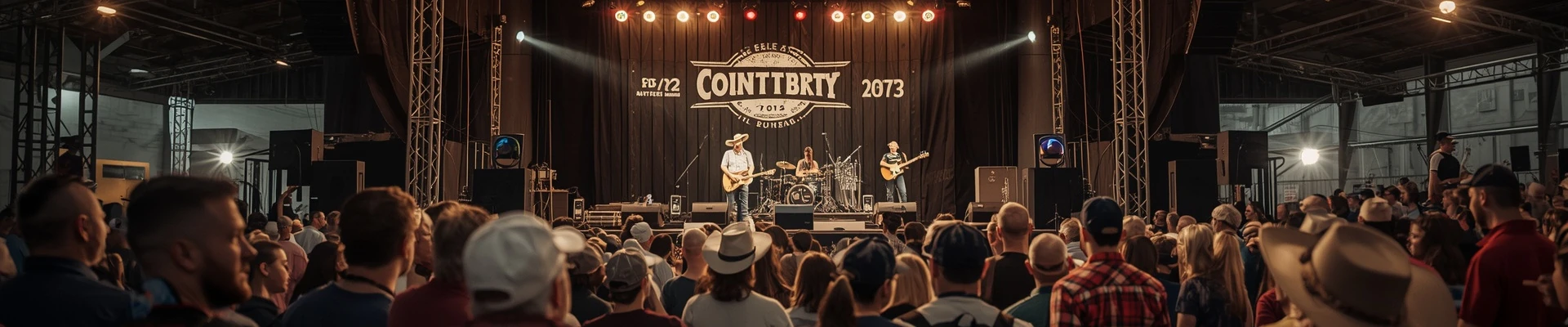
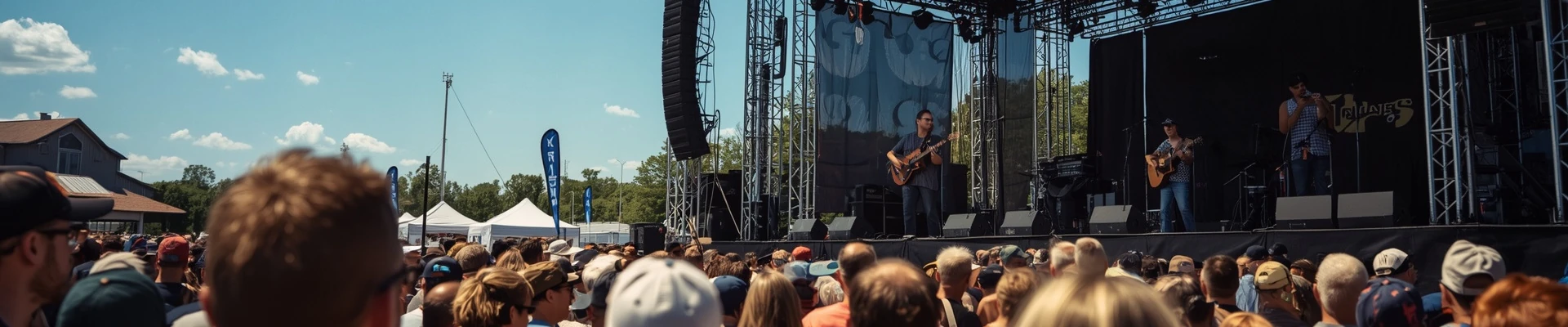
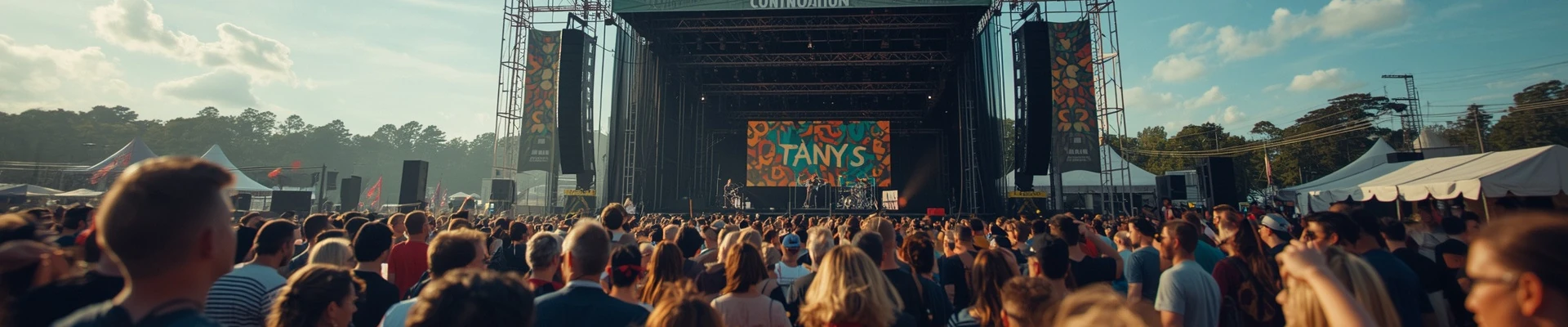
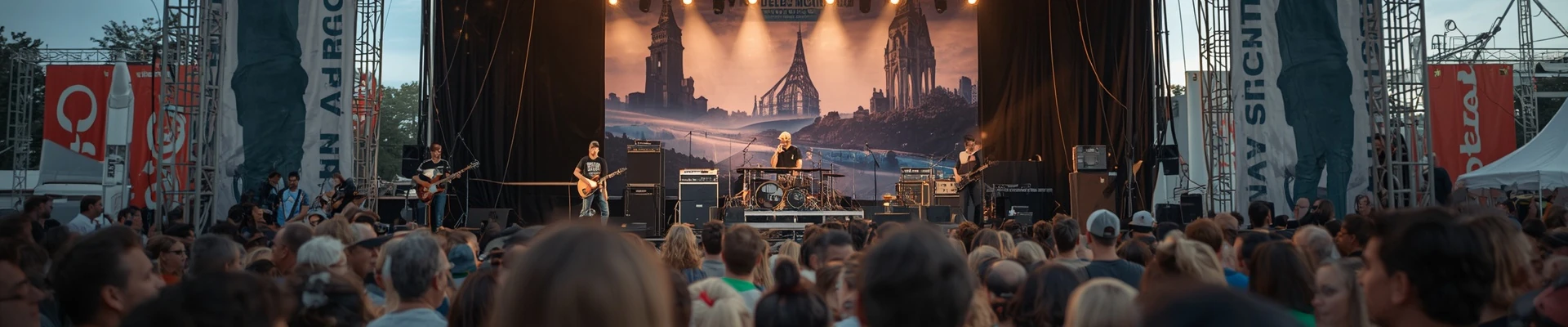
Richardson's most internationally visible music event is the Wildflower! Arts & Music Festival, held annually in May at Galatyn Park on the city's north side. Since its founding in 1993, Wildflower! has grown into one of the largest free outdoor music festivals in the Dallas–Fort Worth Metroplex, drawing more than 100,000 visitors across three days and programming a wide range of artists across multiple stages — rock, country, Americana, pop, blues, and roots. The festival has featured acts including Pat Green, Sheryl Crow, Gin Blossoms, Toadies (the Fort Worth-formed alt-rock band who recorded their landmark debut Rubberneck in nearby Dallas), Fastball, Bowling for Soup, Brave Combo (the Denton world-music collective and Grammy winners), Blue October, Kevin Fowler, and dozens of Texas regional acts. For many DFW residents, Wildflower! is the first place they encounter live roots, Americana, and Texas country outside the city's club circuit. Admission is free; the model has made it a beloved community institution for more than three decades.
Beyond the festival, Richardson's music identity is bound up in its role as an anchor of the broader DFW suburban music circuit and as a city where immigrant and ethnic communities sustain distinctive scenes. The Korean-American community — one of the largest in Texas — fuels a lively K-pop and Korean pop culture scene, with cover dance events, fan meetups, and occasional Korean pop touring acts through venues in Richardson and adjacent Plano. Korean restaurants, cafes, and karaoke bars along Campbell Road and Greenville Avenue host informal live performance. The Indian-American and South Asian community — equally substantial, connected to the Telecom Corridor's workforce and UTD's graduate programs — sustains Bollywood evenings, Indian classical music performances, and Carnatic and Hindustani recitals through cultural organisations and the Islamic Association of North Texas (the large mosque complex in Richardson that serves much of the DFW South Asian Muslim community). The Chinese-American community runs its own network of cultural festivals and music events tied to the Lunar New Year and other traditions.
Richardson's homegrown rock and indie scene has always been modest relative to the city's population, largely because Dallas proper — with Deep Ellum's legendary club circuit, Granada Theater, House of Blues, and Bomb Factory — absorbs most of the original music energy from the northern suburbs. But the city has contributed to the broader DFW rock lineage: Toadies members came of age in the DFW suburb-to-club pipeline; the DFW punk and hardcore scene of the late 1980s and 1990s ran through suburban bedroom bands and practice spaces before landing in Dallas clubs. The city's strong school band culture — Richardson Independent School District (RISD) has long produced competitive marching and concert bands — has fed a pipeline of trained musicians into the DFW professional scene.
The Richardson Symphony Orchestra (now the Allen Philharmonic Orchestra, having expanded northward after rebranding), classical ensembles connected to UTD, and chamber groups that use the Eisemann Center for the Performing Arts form the backbone of the city's classical tradition.
Venues and neighborhoods
The Eisemann Center for the Performing Arts is Richardson's flagship venue — a 1,600-seat concert hall (Charles W. Eisemann Center) and 350-seat Studio Theatre on the east side of the city near UTD and the Galatyn Park urban district. The Eisemann hosts touring Broadway productions, the symphony, classical recitals, jazz evenings, and occasional pop and world music events. It is one of the most important mid-size performing-arts venues in suburban North Texas.
Galatyn Park itself — the mixed-use development around the Galatyn Park DART light rail station — is the city's cultural hub, anchoring the Eisemann Center, the Renaissance Dallas at Plano Legacy West Hotel, and the outdoor space used for Wildflower! Breckinridge Park and Cottonwood Park (the site of the Cottonwood Art Festival, one of the most acclaimed juried art festivals in the United States, held twice yearly) round out Richardson's outdoor-event infrastructure.
At the club and bar tier, Richardson's live-music scene is relatively sparse compared to Dallas or Denton. The Heights Beer Garden and Brewery on Arapaho Road has programmed local and regional acts in a gastropub setting. The Alamo Drafthouse Cinema in Richardson hosts music-themed film events and occasional live programming. UTD's campus — including the Student Union and outdoor spaces at Comet Activity Center — programs student concerts, open-mic nights, and music events that feed the city's younger indie scene. The Campbell Road and Arapaho Road corridors host a scattering of bars and restaurants with weekend live music. The closest dedicated club infrastructure — The Prophet Bar, Trees, Dada, Granada Theater, Bomb Factory — sits 20–25 minutes south in Dallas's Deep Ellum and Uptown neighbourhoods, making them accessible to Richardson residents.
Geographically, Galatyn Park anchors the performing-arts and festival scene. The Campbell Road corridor (from US-75 east toward Garland Road) anchors the Asian-American restaurant and karaoke scene. The UTD/Synergy Park neighbourhood on the east side anchors the student and emerging-indie circuit. Old Town Richardson (around Main Street and Arapaho Road near the DART station) has seen some revival, with a modest bar and restaurant strip that occasionally hosts live music.
Festivals and signature events
Wildflower! Arts & Music Festival (May, Galatyn Park) — the city's signature event, free admission, three days, 80+ acts across multiple stages, one of DFW's most beloved summer-kickoff festivals. Cottonwood Art Festival (May and October, Cottonwood Park) — one of the most respected juried art and fine-craft festivals in the United States, drawing artists from across the country. Lunar New Year Celebration — the large Asian-American community organises annual celebrations. Diwali in the Park — Indian-American cultural organisations stage one of the larger Diwali events in DFW. Asian Festival of Richardson — multicultural festival celebrating the city's Korean, Indian, Chinese, Vietnamese, and Filipino communities. Richardson LGBTQ+ Pride events. Holiday in the Park (Christmas events at Breckinridge Park). The city also participates in the broader DFW Live Music Weekend that connects suburban venues to the regional music calendar.
What ties it all together
What distinguishes Richardson is the tension and interplay between its quietly prosperous, tech-industry identity and the extraordinary cultural richness that came with the international workforce the Telecom Corridor attracted. A city that might have remained an unremarkable Dallas suburb instead became one of the most ethnically diverse cities in North Texas — and that diversity is the actual engine of its music life. Wildflower! is the signature: a free community festival that reflects a suburban city's desire to claim cultural space alongside its corporate neighbours. The Korean karaoke bars and K-pop cover events on Campbell Road, the Bollywood evenings at South Asian cultural centres, the Lunar New Year music, the Eisemann Center's touring Broadway and classical seasons, and the RISD band culture that has fed musicians into the DFW professional scene for decades — together, they form a music identity that is suburban in infrastructure but genuinely international in character. Richardson is the Telecom Corridor city that learned to sing.