

Tyler is a mid-size city of roughly 103,700 residents in Smith County, deep in East Texas — the heavily forested, red-clay-soiled region of pine trees and Baptist churches that stretches from the Dallas-Fort Worth metroplex to the Louisiana border. It sits about 100 miles east of Dallas, 60 miles west of Shreveport, Louisiana, and 50 miles north of Longview. Tyler is the dominant commercial, medical, and cultural hub for a multi-county region of more than half a million people, and it has been known since the late 19th century as the Rose Capital of America — the city produces roughly 20 percent of the commercially grown roses in the United States, and its Tyler Municipal Rose Garden (the largest rose garden in the United States) draws visitors from across the country each autumn for the Texas Rose Festival. The economy mixes healthcare (the UT Health East Texas hospital system is the region's largest employer), education (University of Texas at Tyler, Tyler Junior College), retail trade serving the surrounding multi-county region, and residual petroleum-industry ties from the East Texas Oil Field that transformed the region after its discovery in 1930. The city's population is roughly 42% white, 30% Hispanic, and 23% Black — a demographic mix that reflects the deep African American and Latino communities that have long shaped East Texas culture.
A brief history
The land that became Tyler was Cherokee and Caddo territory before Anglo-American settlers and the Republic of Texas expelled the Cherokee in 1839. Smith County was organized in 1846 and the county seat was named Tyler in honor of U.S. President John Tyler. Through the antebellum era the city was a small commercial center for the surrounding cotton plantation economy — and the Black population of the surrounding counties, enslaved and later free, would become a foundational part of the region's cultural identity. The Texas and Pacific Railway arrived in the 1870s and accelerated growth. The late 19th century saw the development of the rose industry — Tyler's sandy loam soils proved ideal for commercial rose cultivation, and by the early 20th century Tyler was shipping roses across the country. The East Texas Oil Field discovery in 1930 (the largest oil field ever discovered in the continental United States at the time) brought enormous wealth to East Texas and transformed Tyler into a regional boomtown. The Tyler Independent School District gained national attention in 1954 when it was one of the first in Texas to attempt desegregation, though full integration remained contested through the 1960s. The modern city has diversified into healthcare and education as the petroleum industry has matured.
Music identity
Tyler's musical identity is rooted in the deep country, blues, and Southern gospel traditions of East Texas — a region whose cultural ties run more toward Louisiana, Arkansas, and the Deep South than toward the urban Texas of Houston and Dallas. The most internationally famous figure connected to Tyler is Earl Campbell — the Hall of Fame NFL running back who was born in Tyler in 1955 and grew up in a sharecropping family in the nearby community of Tyler's East side. Campbell is not a musician, but his story — poverty, faith, football greatness, civic pride — is inseparable from the city's self-image, and his name appears on roads, facilities, and cultural events throughout Tyler. The city's actual musical heritage runs deeper through less-famous but equally important channels.
Country and honky-tonk have been Tyler's dominant popular music traditions. The region's white working-class culture produced a steady stream of country musicians who fed into the broader Texas country and Nashville circuits. Mickey Newbury — the influential songwriter born in Houston but deeply associated with the East Texas tradition — recorded songs that bridged country, folk, and pop in ways that still resonate. The broader East Texas country scene connects Tyler to the Texas country movement, with acts working the club and dance-hall circuit from Tyler through Longview, Nacogdoches, and Lufkin.
Blues runs through Tyler's Black community with particular depth. East Texas was one of the birthplaces of the Texas blues tradition — the style associated with Blind Lemon Jefferson (from Couchman, in central East Texas), Leadbelly (from Mooringsport, Louisiana, near the Texas-Louisiana line), and the broader Piney Woods blues culture. Tyler's own Black community sustained this tradition through juke joints, churches, and informal networks across the 20th century. The Chitlin' Circuit — the network of Black-owned venues across the South — ran through East Texas and put Tyler on the map for touring R&B and blues acts. T-Bone Walker, who was born in Linden in Cass County, East Texas (about 90 miles from Tyler), is the most globally consequential blues figure associated with the region; Walker essentially invented the electric blues guitar style that underpins modern rock and pop. While Walker is not specifically Tyler's own, he is part of the cultural fabric of East Texas that Tyler sits within.
Southern gospel and Black gospel are probably the most socially central musical forms in Tyler today. The city's large and deeply rooted Black Baptist and Pentecostal communities sustain a rich gospel choir tradition, with churches like New Zion Baptist Church and Greater Emmanuel Church of God in Christ anchoring a scene that produces singers and musicians who circulate through the regional gospel circuit. The Tyler Gospel Music Festival draws regional gospel talent. The white evangelical tradition is equally strong — Tyler's Baptist mega-churches maintain large contemporary Christian music programs.
Contemporary country and Texas red dirt music run through Tyler's active bar and club scene. The Caldwell Zoo Amphitheater and the Oil Palace have hosted Texas country and red dirt acts — Robert Earl Keen, Pat Green, Wade Bowen, Josh Abbott Band, and the broader Texas touring circuit. Cody Johnson (whose country career has made him one of the most popular Texas country artists of the 2010s and 2020s) has roots in the East Texas/Houston area and is a regular on the Tyler area touring circuit.
Hip-hop and R&B have a growing presence through Tyler's Black and Latino communities. Local artists work the regional club circuit, and the city's proximity to Dallas means that major hip-hop touring acts pass through occasionally. Darius Rucker-style country-soul crossover and R&B traditions run through the South Tyler and East Tyler Black neighborhoods.
Venues and neighborhoods
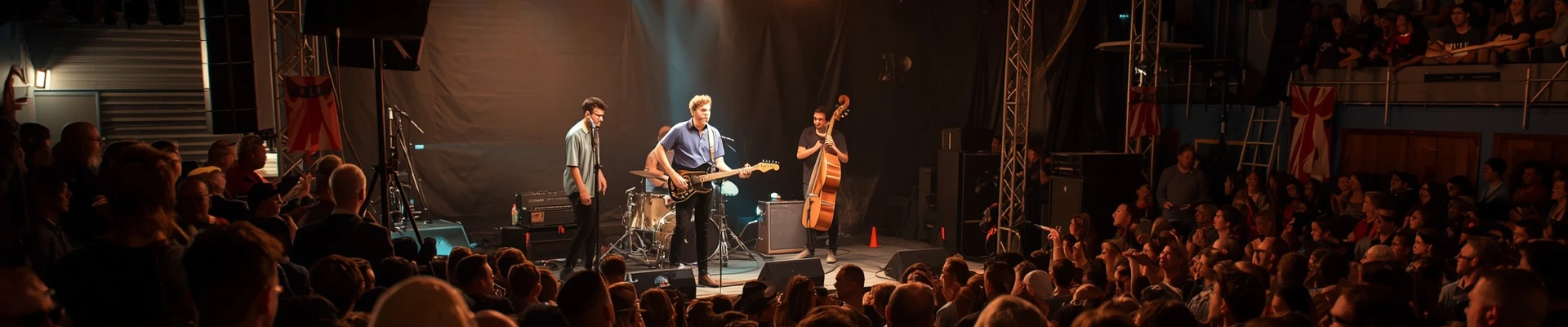
Tyler's venue ecosystem is modest but functional for a city of its size. The Oil Palace — a long-running East Texas institution on Loop 323 — is the most important mid-size venue in the region, hosting country, Christian, and occasional rock touring acts in its roughly 5,000-capacity space. The Caldwell Auditorium at the UT Health East Texas campus hosts classical and theatrical performances. The Cowan Center at UT Tyler is a 1,500-seat performing arts center that hosts touring Broadway, classical, and popular acts. The Cotton Belt Cultural Center is a smaller arts venue in the historic Cotton Belt rail depot. The Liberty Hall on the downtown square anchors the small-venue live music scene with regular local and regional touring acts. The Tyler Civic Theatre and East Texas Symphony Orchestra provide classical and theatrical programming. Downtown Tyler along Broadway Avenue and the courthouse square holds bars and restaurants with live music on weekends.
The Rose Festival Grounds serve as a major outdoor venue for the annual Texas Rose Festival. Bergfeld Park and Bergfeld Center host community events and outdoor concerts. The Tyler State Park area draws camping-and-music events.
Different neighborhoods carry different musical identities. East Tyler and South Tyler — the historically Black areas of the city — anchor the gospel, blues, R&B, and hip-hop scenes. North Tyler — the more affluent, predominantly white area — anchors the country and contemporary Christian music scenes. Downtown Tyler holds the small-venue indie and bar-music circuit. The University of Texas at Tyler campus brings a younger demographic and occasional campus-programming events.
Festivals and signature events
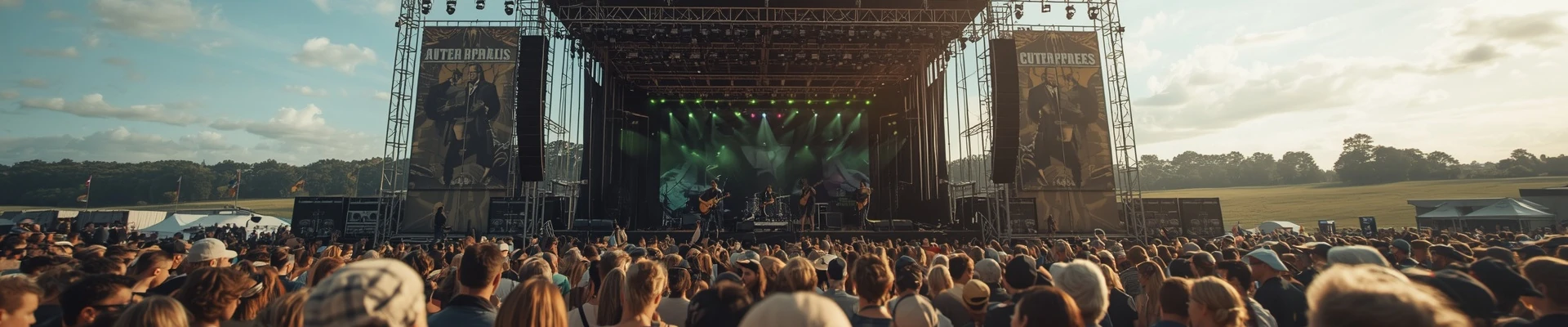
The Texas Rose Festival (held annually in October since 1933) is Tyler's flagship cultural event — a week-long celebration featuring the Rose Queen coronation, the Queen's Tea, a parade, and outdoor concerts drawing tens of thousands of visitors. The festival's music programming leans toward country and Southern rock. The Tyler Jazz Festival runs in the spring with local and regional jazz artists. The Cotton Belt Music Festival uses the historic railroad depot area for Americana and roots performances. The East Texas State Fair (held since 1906) at the East Texas Fairgrounds includes country and Christian music headliners through its run. Juneteenth celebrations in Tyler's Black community are major annual events with gospel, R&B, and hip-hop programming. The Caldwell Zoo hosts outdoor summer concerts. The Cowan Center maintains a full season of touring acts.
Christmas in Tyler — an annual winter festival downtown — includes live music programming. The Tyler Azalea and Spring Flower Trail (the spring counterpart to the Rose Festival) includes musical events. The UT Tyler campus programs its own cultural events calendar.
What ties it all together
What ties Tyler's music scene together is the deep, unperformative faith-and-roots culture of East Texas — a place where country music, Southern gospel, blues, and community identity are inseparable from the land, the churches, and the history. Tyler is not a city that has produced globally famous musicians in abundance, but it has produced the conditions — piety, economic struggle, Black and white working-class culture intertwined in the complicated way of the Deep South — that generated the Texas blues tradition, the country-and-western scene, and the gospel choirs that remain at the heart of East Texas life. The Oil Palace has been hosting East Texas country nights for decades. The Texas Rose Festival draws visitors who come expecting flowers and stay for the honky-tonk. The Chitlin' Circuit memory runs through East Tyler's churches. And Earl Campbell — the boy from Tyler who became the most powerful running back in NFL history, who grew up picking roses and went on to embody the brute dignity of East Texas — stands as the city's most universal symbol, not because of music but because of exactly the same values that generated the music: hard work, faith, community pride, and the specific toughness of the Piney Woods.