

Wichita Falls is a mid-sized city of roughly 105,000 residents in the far northwestern corner of North Texas, sitting just 15 kilometres south of the Red River and the Oklahoma state line. It is the seat of Wichita County and the largest city in the Texoma region — the bicultural North Texas / South Oklahoma corridor that has shaped the city's character as much as the state capital in Austin ever has. Amarillo is 400 kilometres to the west; Dallas-Fort Worth is 280 kilometres to the southeast; Oklahoma City sits about 220 kilometres to the north. Wichita Falls is close enough to major metros to feel their cultural gravity, but far enough away to have developed a distinct civic identity built around military service, oil and agriculture, and a scrappy blue-collar music scene that has consistently punched above its weight.
The city's economy has revolved around three pillars for most of the past century: Sheppard Air Force Base, which is the city's largest employer and home to the Air Force's largest technical training school as well as the Euro-NATO Joint Jet Pilot Training program (the only such joint NATO flight training program in the world, producing pilots for 12 allied nations); the petroleum industry, centred on the Permian Basin's northeastern reaches and the surrounding West Texas oil patch; and agriculture — the flat, semi-arid land of the Rolling Plains supports cotton, cattle, and winter wheat farming. Midwestern State University (MSU Texas), a regional public university of about 5,000 students, provides an educational anchor and a steady supply of young people who sustain the local arts and music scenes.
A brief history
The Red River valley was home to the Wichita people — for whom both the county and the city are named — as well as Comanche and Kiowa bands before Anglo-American settlement. The town of Wichita Falls was established in 1882, platted by settlers and railroad interests following the arrival of the Fort Worth and Denver Railway. The original settlement was literally undermined in 1886 when the city's eponymous waterfall — a modest one-foot cascade on the Wichita River — was swept away in a flood. The famous landmark was not reconstructed until 1987, when the city built an artificial waterfall as part of a civic beautification project; locals have called the city "the city that got its falls back" ever since.
The city's early growth was driven by cattle ranching and agricultural commerce, but the 1910s oil boom transformed Wichita Falls almost overnight. The discovery of oil in nearby Burkburnett — the inspiration for the 1940 Clark Gable film Boom Town — brought a surge of wealth, roughnecks, wildcatters, and industry that tripled the city's population between 1910 and 1920. The city became a regional petroleum hub, and the oil economy sustained it through the mid-20th century. Sheppard Air Force Base was established in 1941 as a World War II training facility and became a permanent installation that has since been the most stabilising force in the local economy — the base's payroll and the families of some 15,000 military personnel constitute a significant share of the city's economic base.
The second half of the 20th century brought the challenges common to industrial and military-dependent mid-size cities: population plateaus, economic stagnation, the brain drain of young people to larger metros, and the slow decline of the petroleum sector. Wichita Falls has navigated these challenges with a characteristic mix of civic stubbornness and periodic reinvention. The city's infamously brutal summers — regularly reaching 40°C (104°F), with a record of 49°C (120°F) set in 1936, the highest temperature ever recorded in Texas — have become a point of local pride rather than deterrence.
Music identity
Wichita Falls is primarily known in the wider music world as the birthplace and early home of Bowling for Soup — the pop-punk band formed in Wichita Falls in 1994 by Jaret Reddick, Chris Burney, Erik Chandler, and Gary Wiseman. Bowling for Soup's 2004 Grammy-nominated hit "1985" (a cover of the SR-71 song, with a music video that brought them mainstream visibility) made them one of the most commercially successful pop-punk acts of the 2000s. Their albums Drunk Enough to Dance (2002) and A Hangover You Don't Deserve (2004, Jive Records) established them as genre staples. The band relocated to the DFW area but maintained deep Wichita Falls roots, and Reddick has consistently represented the city in interviews and public statements. The band's influence on a generation of Wichita Falls teenagers who picked up guitars and started pop-punk and emo bands throughout the 2000s is impossible to overstate.
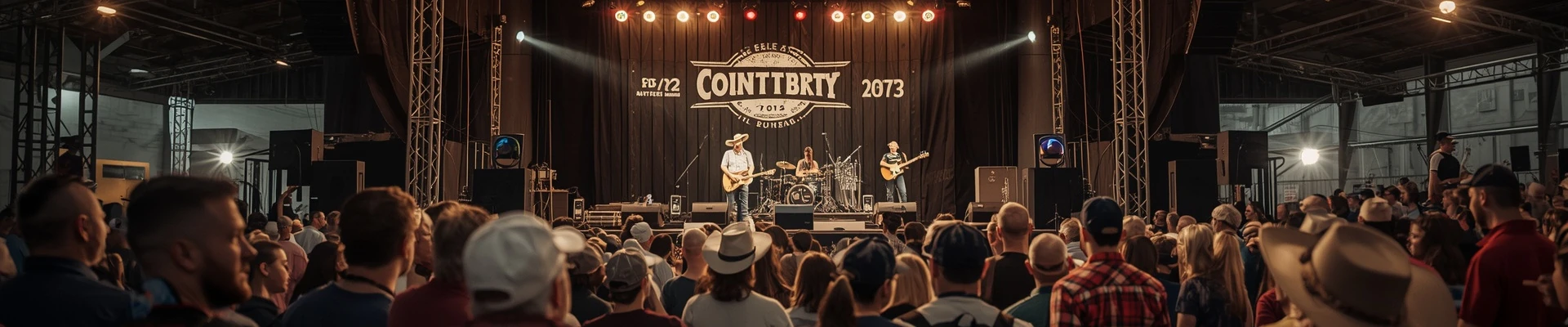
Beyond Bowling for Soup, the city's music identity is rooted in a blue-collar country and honky-tonk tradition that reflects the surrounding agricultural and oil-patch culture. The Red River Valley has always been prime country music territory — close enough to the Oklahoma honky-tonk circuit to absorb its influence, shaped by the same cowboy and oilfield working-class culture that has sustained country music across the Texas Panhandle and West Texas. Local country acts have cycled through the city's bars, dance halls, and roadhouses for decades, and the Sheppard Air Force Base population has consistently sustained a market for country, Americana, and patriotic music.
The metal and hard rock scene has deep roots in Wichita Falls, fostered in part by the city's proximity to Dallas-Fort Worth's legendary 1980s and 1990s metal scene (which produced Pantera, Drowning Pool, and the Duncanville / DFW metal corridor) and in part by the city's blue-collar culture, which has always had an appetite for heavy guitar music. Local metal and hard rock bands have sustained club and bar venues for decades, and the broader thrash, groove metal, and Southern metal sounds of the region have their local practitioners here.
The punk and DIY scene — catalysed in no small part by Bowling for Soup's success in the 1990s and early 2000s — produced a generation of local pop-punk, emo, and hardcore acts that played house shows, church halls, and small venue circuits. The DIY tradition has persisted, with periodic revivals as new generations of young people discover three-chord guitars and four-track recordings.
The military population at Sheppard AFB adds a distinct demographic layer to the city's music economy. Military towns reliably sustain bars with live music, country dance halls, and the kind of no-frills entertainment infrastructure that serves young people far from home. The constant rotation of personnel means the city absorbs musical influences from across the United States and the allied NATO nations whose pilots train here — a subtle but real cosmopolitan undertow in an otherwise thoroughly Texan city.
Midwestern State University contributes a small but consistent indie, folk, and alt-country scene around the campus — coffee shops, the campus bar circuit, and the occasional touring indie act that makes Wichita Falls a stop on the Texas college town circuit between Denton, Lubbock, and Abilene.
The city also carries a modest Latino music scene sustained by its Mexican-American and Hispanic communities — norteno, cumbia, and regional Mexican acts play through clubs and quinceañera halls, and the broader South Texas and West Texas regional Mexican music circuit touches Wichita Falls regularly.
Venues and neighborhoods
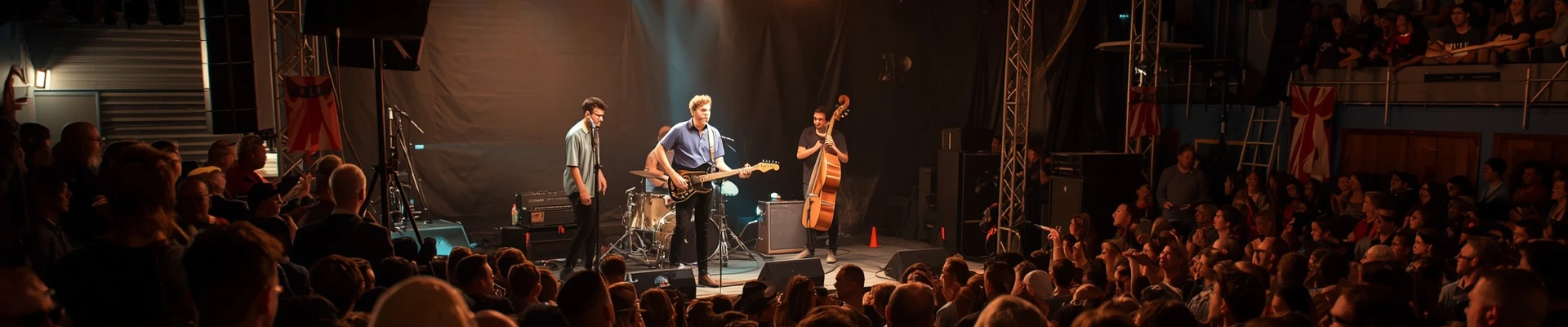
Wichita Falls' venue landscape reflects a mid-size city with a strong bar-and-grill infrastructure and a handful of dedicated live music rooms. The MPEC (Multi-Purpose Events Center) — an arena that opened in 2003 with a capacity of around 6,000 — is the city's premier large venue, hosting touring country acts, WWE events, motorsports, and family entertainment. The Kay Yeager Coliseum (part of the MPEC campus) handles medium-size events. For live music in a more intimate setting, the city's bar and club scene clusters primarily in Downtown Wichita Falls along Indiana and Scott Avenues, where a collection of bars, music venues, and restaurants sustains local and regional touring acts. Lucky Mule has been a durable local venue. The Backdoor Bar and its equivalents have provided a home for metal and rock acts. Midwestern State University provides additional programming through its student union and campus facilities.
The Oil Palace in nearby Oil City (just north of Wichita Falls proper) has historically been one of the region's most important large entertainment venues — seating up to 5,000 for concerts and rodeos, it has hosted major touring country acts throughout its history.
Geographically the music scene is concentrated in Downtown Wichita Falls and the University District around MSU. The areas along Kemp Boulevard and Southwest Parkway anchor the city's commercial and suburban life, with bars and restaurants providing incidental live music programming. The Sheppard Boulevard corridor near the base sustains the military-adjacent bar scene.
Festivals and signature events
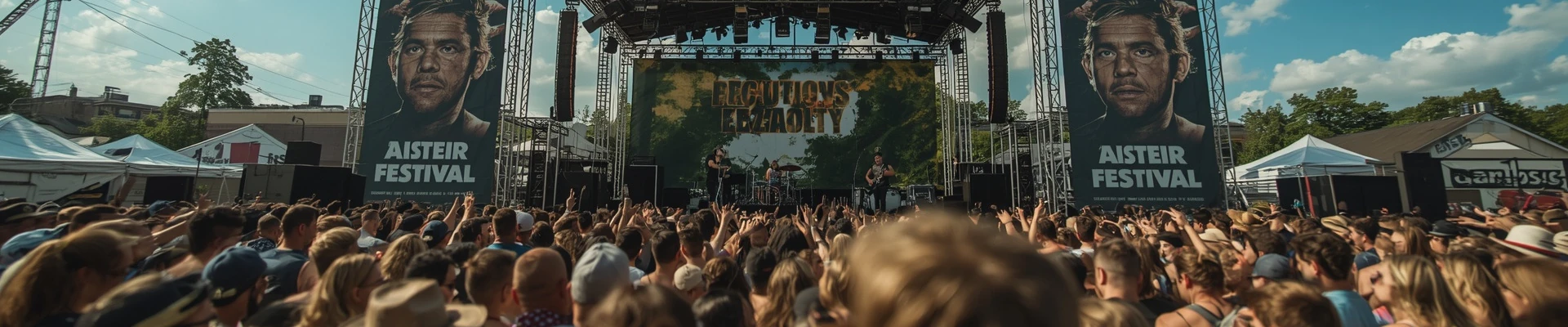
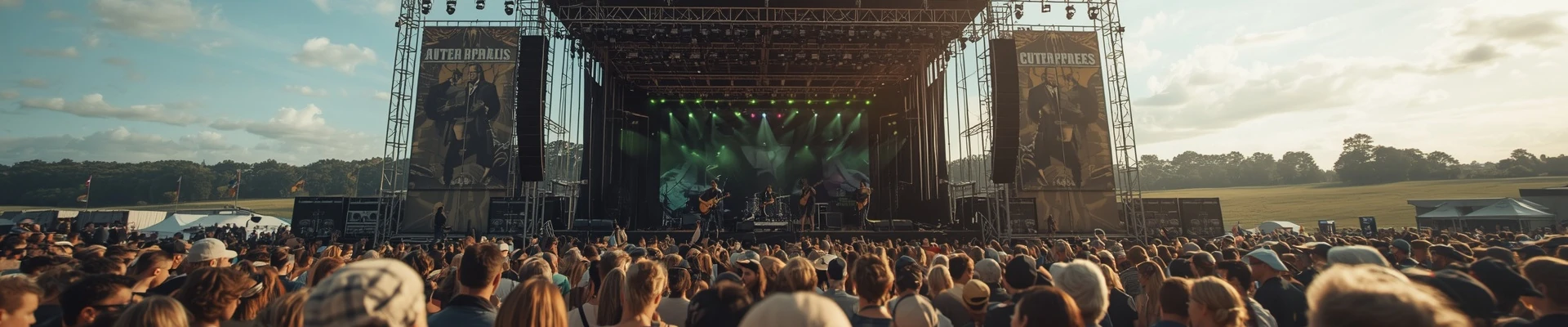
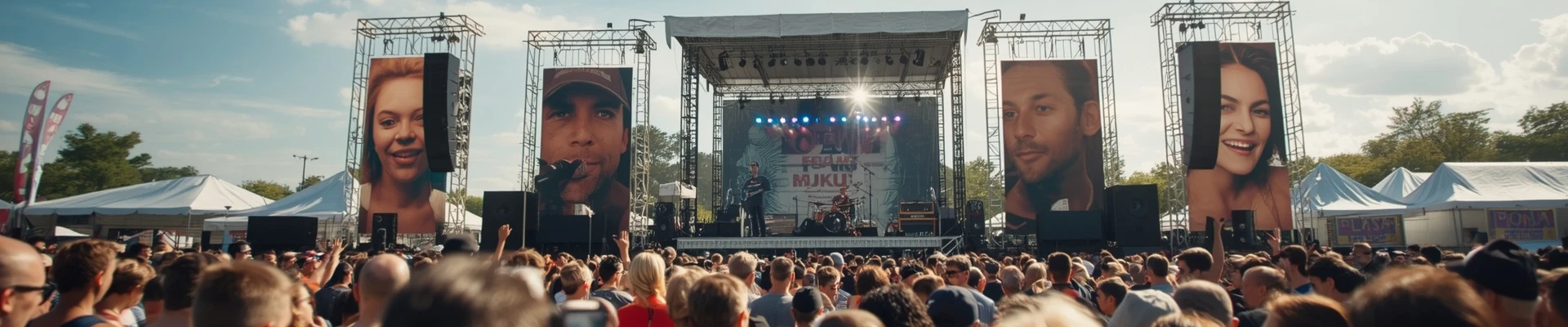
Wichita Falls hosts a modest but consistent festival calendar. The Hotter'N Hell Hundred — the city's signature event and one of the most famous amateur cycling events in the United States, drawing 10,000+ riders each August for a 100-mile ride through the summer heat — is the city's most nationally recognised recurring event, and it anchors a week of concerts, food festivals, and civic celebration in downtown. The festival's outdoor concerts bring regional touring acts each year. Wichita Falls Film Festival is a growing arts event. Railroad Days and Riverfest have been traditional civic festivals with music programming. The Sheppard Air Force Base Air Show — held periodically, drawing massive crowds — is a signature military event. Cinco de Mayo and Fiesta Wichita Falls celebrate the city's Latino heritage. Winterfest brings holiday programming to downtown.
The broader regional festival circuit — Tulsa, Oklahoma City, and Dallas-Fort Worth are all within driving distance — means Wichita Falls residents regularly access major festival and concert events at larger regional centres, and local promoters compete with that pull when booking touring acts.
What ties it all together
What makes Wichita Falls musically distinctive is the tension between its scrappy, self-reliant DIY culture and its position as a military town constantly absorbing new people and new influences. It is a city that produced Bowling for Soup — a band whose entire aesthetic is built on the suburban-small-city experience of watching culture happen somewhere else while still making your own fun — and that pop-punk spirit of cheerful defiance runs through the local scene. Wichita Falls bands have always had to choose: stay and grind on a small regional circuit, or relocate to Dallas-Fort Worth, Austin, or Nashville to pursue wider ambitions. Enough have stayed to keep the local scene alive, and enough have left and found success to give the city a genuine connection to the wider world of American music.
The Hotter'N Hell Hundred — a community that rallies to celebrate riding 100 miles through 40-degree heat as an act of civic pride — captures the city's character better than anything else. Wichita Falls is not a city that apologises for its limitations. It makes country music in the honky-tonks, plays metal in the bars, celebrates pop-punk as its most famous export, and sends its military personnel back to the world carrying a little bit of Red River North Texas with them. That combination of stoic endurance, working-class directness, and genuine community pride is the sound of Wichita Falls.