

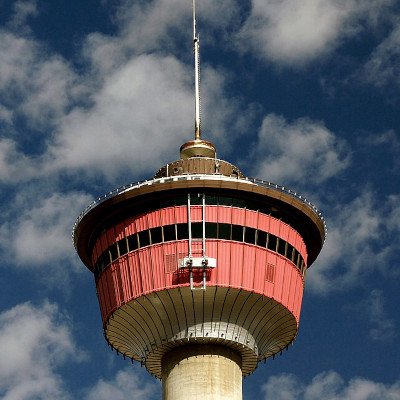
Calgary is the largest city in Alberta and the third-largest in Canada, with roughly 1.31 million residents inside the city limits and more than 1.5 million across the surrounding metropolitan area. Sitting at the confluence of the Bow and Elbow rivers in the foothills of the Canadian Rockies — about 80 km east of Banff National Park and 300 km north of the U.S. border — it is a young, fast-growing, oil-fueled city that combines a deep ranching and country-music heritage with a 21st-century immigrant boom. Calgary's musical identity reflects that geography: it is at once Canada's country and roots capital, a hard-rock and metal town built on energy money, a serious indie and electronic scene, and an emerging hub for South Asian, Filipino, West African, and Latin music as the city has become one of the most ethnically diverse in Canada.
A brief history
The land at the junction of the Bow and Elbow was Niitsitapi (Blackfoot), Tsuut'ina, Stoney Nakoda, and Métis territory for thousands of years before the North-West Mounted Police established Fort Calgary in 1875 to enforce Canadian sovereignty against American whisky traders. The arrival of the Canadian Pacific Railway in 1883 turned the small fort into a cattle town and a key stop on the transcontinental line. Through the 20th century, Calgary grew as a ranching, agricultural, and increasingly oil-and-gas hub; the 1947 Leduc oil discovery in central Alberta cemented Calgary as the financial and corporate center of the Canadian energy industry, and successive oil booms in the 1970s, 2000s, and early 2010s drew waves of migration from Atlantic Canada, Quebec, the Prairies, and abroad. The 1988 Winter Olympics put the city on the global map. Since the 2000s Calgary has become one of Canada's most rapidly diversifying cities, with very large South Asian, Filipino, Chinese, Vietnamese, Nigerian, Eritrean, Somali, and Latin American communities, each contributing to the musical landscape.
Music identity
Calgary is, by a wide margin, Canada's country music capital. The 10-day Calgary Stampede each July — billed as "The Greatest Outdoor Show on Earth" — has anchored a country, rodeo, and Western music tradition since 1912 and turned Calgary into the unmistakable headquarters of Canadian country. Ian Tyson, who lived on a ranch outside Longview in the foothills south of the city for decades, recorded most of his celebrated solo catalog from Alberta and helped define the modern Western and cowboy songwriting tradition. Paul Brandt, raised in Airdrie just north of Calgary, became one of the best-selling country artists in Canadian history. Corb Lund, raised in Taber and based in Calgary and Edmonton, has built a distinctive Albertan country-roots catalog. Terri Clark, George Canyon, Aaron Pritchett, The Road Hammers, and a long list of contemporary Canadian country acts work the Calgary circuit. The Canadian Country Music Awards are routinely staged in Calgary, and the National Music Centre / Studio Bell downtown houses the Canadian Country Music Hall of Fame and one of the largest collections of Canadian recording artifacts in the country.
Outside country, Calgary's rock and metal lineage is unusually strong. Tom Cochrane spent formative years in the city; Jann Arden, raised in Springbank just west of Calgary, broke into the Canadian pop charts in the early 1990s and has remained one of Calgary's most beloved public figures. Loverboy's late-1970s formation drew on Calgary musicians; Streetheart, Trooper's Calgary ties, and a long lineage of Albertan classic rock filled the city's clubs through the 1970s and 1980s. The city is also one of Canada's strongest metal towns: Cancer Bats (Toronto-based but with deep prairie touring roots), 3 Inches of Blood, and especially the local death-metal and grindcore lineages around Witchburn, Anciients' Calgary connections, and a robust scene at the Distillery and Dickens Pub have given Calgary a global reputation in extreme metal. Sled Island Festival, founded in 2007, has made Calgary a major stop on the international indie and underground touring circuit and has helped develop bands like Women (one of the most acclaimed Canadian indie bands of the late 2000s, formed in Calgary), Chad VanGaalen (a Calgary native and producer who has worked with Women, Black Mountain, and many others), Preoccupations (formerly Viet Cong, born from the ashes of Women), Braids (formed in Calgary before relocating to Montréal), and a thriving DIY scene around venues like the Palomino, Broken City, and the now-shuttered Tubby Dog.
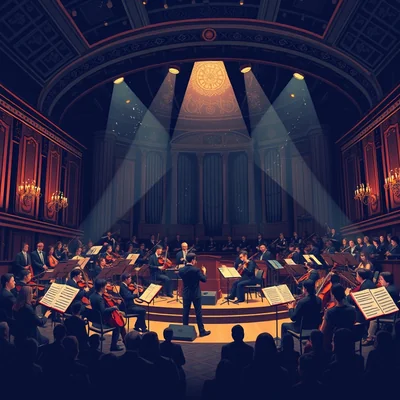
The 21st century has remade the city again. Calgary's hip-hop scene, anchored by artists like Cartel Madras (the Calgary-based duo of Tamil-Canadian sisters Bhagya and Priya Ramesh), Lil Berete's tour stops, Big Cliff, and a growing trap and drill circuit, has become one of the most-watched in Western Canada. The city's vast South Asian community fuels a Bhangra, Bollywood, Punjabi-pop, and live wedding-band scene that fills venues across the northeast quadrant. Filipino-Canadian R&B, hip-hop, and pop run through Marlborough, Forest Lawn, and the western neighborhoods. Latin music — primarily Salvadoran, Mexican, Colombian, Venezuelan, and Cuban — anchors a thriving salsa, bachata, and reggaeton circuit at venues like the Palace Theatre and Latin clubs across the city. Eritrean, Ethiopian, Somali, and West African scenes run through community halls, churches, and event spaces in the northeast. The Calgary Philharmonic Orchestra, the Calgary Opera, and the Mount Royal University Conservatory anchor the classical tradition; JazzYYC and venues like the Ironwood Stage keep the jazz tradition alive.
Venues and neighborhoods
Calgary's venue ecosystem is well-developed. At the top sit the Scotiabank Saddledome (home of the Calgary Flames and the city's largest concerts), the Saddledome's eventual replacement at Scotia Place, the Grey Eagle Resort & Casino Event Centre on the Tsuut'ina Nation, Calgary Stampede Grandstand, Nashville North at the Stampede grounds, the Jack Singer Concert Hall (home of the Calgary Philharmonic), the Bella Concert Hall at Mount Royal University, the Southern Alberta Jubilee Auditorium, and the Grey Eagle Event Centre. The midsize tier includes MacEwan Hall at the University of Calgary, the Palace Theatre, the Palomino Smokehouse and Social Club, and the Big Four Roadhouse during Stampede. Beneath them is a deep club layer — Broken City, Dickens Pub (the long-running metal and punk room downtown), the Palomino, Modern Love, Distortion, the Ship & Anchor, Commonwealth Bar & Stage, the Nash, Mikey's on 12th, and a network of bars and DIY rooms across Inglewood, Kensington, the Beltline, and the East Village. Country music has homes at Cowboys Casino, Ranchman's (the iconic country bar that closed in 2022 after 50 years), and the dance halls and country circuits across the city.
Different neighborhoods carry different musical identities. Inglewood and the East Village, on either side of the Bow River just east of downtown, anchor the indie, jazz, and DIY scenes — and house the National Music Centre at Studio Bell, one of the most architecturally striking music museums in North America. The Beltline and 17th Avenue anchor the indie, electronic, and bar circuits. Kensington supports a smaller cluster of singer-songwriter and folk venues. The Northeast quadrant, including Marlborough, Falconridge, Saddle Ridge, Martindale, and Taradale, is home to the city's South Asian, Filipino, East African, and Latin scenes. Forest Lawn along International Avenue (17th Avenue SE) is one of the most ethnically diverse corridors in Western Canada and hosts a constant stream of Latin, African, and Asian music programming. Stampede Park, just south of downtown, is the gravitational center of the country circuit during Stampede week.
Festivals and signature events
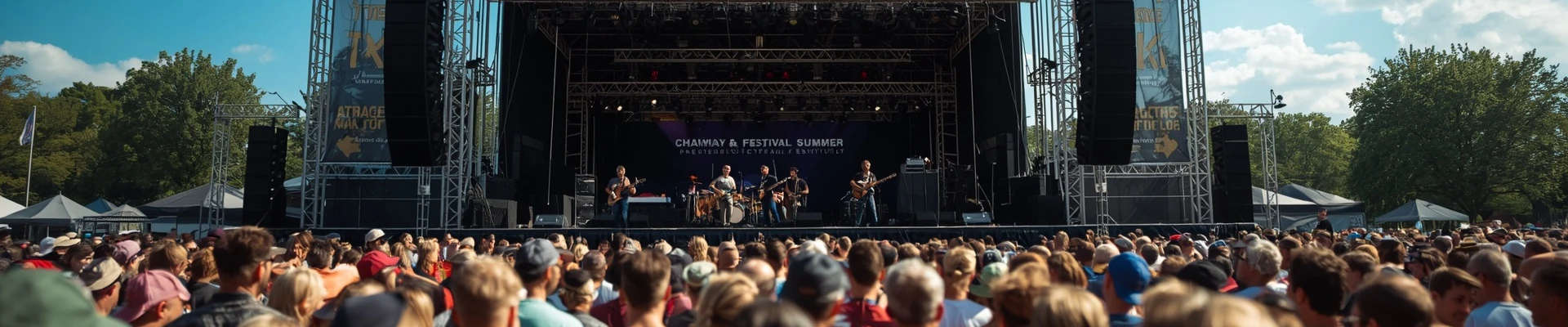
The festival calendar is anchored by the Calgary Stampede, a 10-day country, rodeo, and music festival that draws more than 1.2 million visitors each July and programs hundreds of free and ticketed shows across multiple stages — Nashville North, Big Four Roadhouse, Coca-Cola Stage, the Grandstand, and the Saddledome. Sled Island in June is one of Canada's most respected indie discovery festivals, taking over dozens of venues across the city for five days. Calgary Folk Music Festival at Prince's Island Park in late July is one of the largest folk festivals in Western Canada. Block Heater in February (curated by the Calgary Folk Festival), GlobalFest's music programming at Elliston Park, Beakerhead's music programming, Calgary International Reggaefest, Latin American Festival, Carifest, Taste of Calgary, Canada Day at Prince's Island Park, Heritage Day Festival, and Diwali on Stephen Avenue add cultural and community programming. Country Thunder Alberta in nearby Craven and the Big Valley Jamboree in Camrose draw on the Calgary country audience. Bass Coast, Shambhala's Alberta tour stops, and a growing electronic festival circuit in the foothills round out the year.
What ties it all together is the city's combination of energy money, ranching heritage, and a 21st-century immigrant boom that has made Calgary one of the most diverse cities in Canada within a single generation. It is a place where the Calgary Stampede still defines the civic calendar, where Sled Island brings the world's underground bands to the foothills each June, where Ranchman's spent 50 years as one of North America's most beloved country bars, and where a Tamil-Canadian rap duo can headline the same week as a Punjabi wedding band, a Salvadoran cumbia DJ, and a black-metal band from Norway. Calgary is younger, less canonized, and more rapidly changing than Canada's larger music capitals — and that is increasingly its strength.