
Mississauga is the largest suburban city in Canada and the seventh-largest city in the country, with roughly 718,000 residents inside the city limits and functionally seamless integration with the broader Greater Toronto Area of more than 6.5 million people. Sitting on the north shore of Lake Ontario directly west of Toronto, ringed by the Credit River valley to the west and the western suburbs of Oakville and Brampton, Mississauga is built around the Toronto Pearson International Airport — Canada's largest — and the post-war suburban developments that turned a string of small townships into a consolidated city of more than 700,000 in less than 50 years. Mississauga is one of the most ethnically diverse cities in the world: more than 60% of residents identify as visible minorities, with very large South Asian, Chinese, Filipino, Polish, Italian, Portuguese, Black Caribbean, West African, Arab, and Eastern European communities. That diversity, combined with its proximity to Toronto's music industry and one of the world's largest international airports, has made Mississauga a unique kind of music city: less a destination than a vast incubator of artists who route through the GTA's industry but grow up in Mississauga's neighbourhoods.
A brief history
The land along the Credit River was Mississaugas of the Credit First Nation territory for thousands of years before British colonists arrived in the late 18th century. The area developed slowly through the 19th century as a string of small farming villages — Cooksville, Streetsville, Port Credit, Lakeview, Erindale, Clarkson, and Malton — connected by post roads and the Credit Valley Railway. The 1937 opening of Malton Airport (now Toronto Pearson) and the post-WWII suburban building boom transformed the region. The Town of Mississauga was formed in 1968 by merging the existing villages, and the City of Mississauga was incorporated in 1974 by amalgamating the town with the towns of Streetsville and Port Credit. Hazel McCallion, mayor from 1978 to 2014, presided over an explosion of growth that turned Mississauga from a population of 250,000 in 1978 to more than 700,000 by the mid-2010s. Successive waves of immigration — Italian and Portuguese families through the 1960s and 1970s, Polish and Ukrainian families through the 1980s, and very large South Asian (especially Pakistani, Indian, and Sri Lankan), Chinese, Filipino, and West African communities since the 1990s and 2000s — have built the modern city.
Music identity
Mississauga's musical identity is inseparable from the broader Greater Toronto Area, but the city has produced a remarkable and disproportionate share of contemporary Canadian R&B, hip-hop, pop, and rock artists. The Weeknd (Abel Tesfaye), though raised primarily in Scarborough, has deep Mississauga ties through collaborator Belly (Ahmad Balshe, the Palestinian-Canadian rapper raised in Ottawa but Mississauga-based for years and one of the Weeknd's longest-running co-writers) and through the broader OVO/XO orbit. K-Os, the seminal Canadian hip-hop and soul artist, was raised in Whitby but built much of his early career through Mississauga and West GTA studios; his Atlantis: Hymns for Disco (2006) and Joyful Rebellion (2004) helped redefine Canadian hip-hop. Tory Lanez (Daystar Peterson), born in Brampton and raised partly in Mississauga, became one of the most commercially successful Canadian rappers and singers of the late 2010s before his 2022 conviction for shooting Megan Thee Stallion. PartyNextDoor (Jahron Brathwaite), the OVO Sound singer-songwriter and producer central to Drake's Take Care and Nothing Was the Same eras, was born and raised in Mississauga. NAV (Navraj Goraya), the Indo-Canadian rapper and producer from Rexdale (just east of Mississauga across the Toronto border), is part of the broader Mississauga-Brampton-Rexdale orbit that has produced a remarkable number of contemporary Canadian rap artists.
The Mississauga–Brampton–Rexdale corridor has, over the past 15 years, become one of the most musically productive regions in Canada. Roy Woods (born in Toronto and raised in Brampton, OVO Sound signee) is part of the broader cluster. Nessly, Killy, Smiley, Pressa, Houdini's legacy, Top5, K-Trap's Toronto-area ties, and a deep current generation of trap and drill artists are part of an extended Mississauga–GTA hip-hop scene that has reshaped Canadian rap. Maestro Fresh Wes (Wes Williams), who broke "Let Your Backbone Slide" in 1989 — the first Canadian hip-hop record certified gold — was Mississauga-raised. Choclair, Saukrates, Kardinal Offishall's tour partners, and the Rascalz Toronto–Mississauga circuit anchored 1990s Canadian hip-hop. Belly's Mississauga base, Massari's Mississauga ties (the Lebanese-Canadian R&B singer), and a deep current generation continue the lineage.
Mississauga's South Asian community — one of the largest in North America — has built a thriving Bhangra, Punjabi pop, Bollywood, Tamil pop, and Hindustani classical music scene. Jaz Dhami, The PropheC, Raghav (the Mississauga-raised pop and R&B singer who broke in the UK), Roach Killa, and a long lineage of Punjabi-Canadian artists have built international careers from Mississauga–Brampton studios. AP Dhillon (PEI-based but constantly in the GTA orbit), Gurinder Gill, and the broader Punjabi-Canadian wave that has redefined contemporary Punjabi pop runs heavily through Mississauga and the surrounding 905. Tamil pop and Bollywood playback singers tour through Mississauga's Pearson Airport and play dedicated venues across the city. Filipino-Canadian music — primarily R&B, pop, and OPM (Original Pilipino Music) — runs through Mississauga's Filipino community. West African music — primarily Nigerian Afrobeats, Ghanaian gospel and Hiplife — has boomed through community halls and event spaces in Square One and the city's western neighbourhoods. Caribbean music — Jamaican dancehall and reggae, Trinidadian soca, Bajan calypso — runs through Mississauga's Black Caribbean community.
The 1980s and 1990s rock and metal scenes have their own Mississauga lineage. Triumph, while formed in Toronto, had members from Mississauga. The Pursuit of Happiness, Big Sugar's GTA orbit, April Wine's Mississauga concerts, and a long lineage of Canadian rock acts played the city's hockey arenas and bars through the 1980s and 1990s. Pup, the Toronto-area punk band, includes Mississauga ties. Alexisonfire's Wade MacNeil has Mississauga roots. Three Days Grace (Norwood, Ontario), Sum 41 (Ajax), and the broader 905 pop-punk wave are part of the suburban Toronto-area orbit that intersects with Mississauga's club circuit. Indie folk has a small but growing Mississauga scene through artists working out of Port Credit's bar circuit.
The classical and contemporary scene runs through the Mississauga Symphony Orchestra, the Living Arts Centre (a major performing arts complex opened in 1997), the Hammerson Hall, and a network of school and community choirs. Latin music — primarily Mexican, Salvadoran, Colombian, Venezuelan, and Cuban — runs through clubs and dance halls across Mississauga and Brampton. Polish and Eastern European music traditions run through churches and community halls in the city's western neighbourhoods.
Venues and neighborhoods
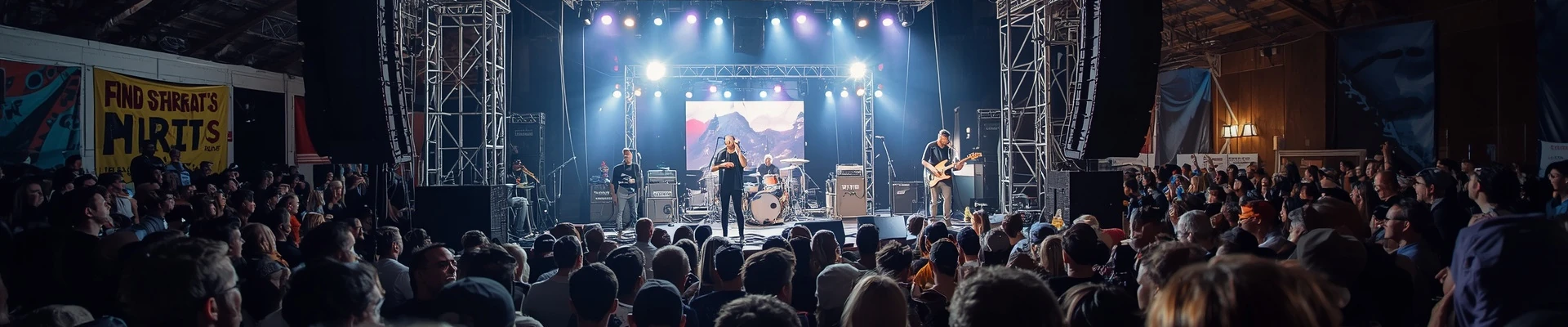
Mississauga's venue ecosystem reflects its suburban geography. At the top sit the Paramount Fine Foods Centre (formerly the Hershey Centre, the city's largest indoor arena, home of OHL hockey and major concerts), Celebration Square (the outdoor plaza in front of City Hall, home to the city's largest free concerts and festivals), and the Living Arts Centre complex (housing Hammerson Hall for major touring acts and concerts, RBC Theatre for smaller shows, and Rogers Theatre for chamber and recital programming). The midsize tier includes the Meadowvale Theatre and a network of community centres with concert halls. Beneath them is a club layer that runs primarily through Port Credit — the lakeside neighbourhood at the south end of the city, anchored by venues like the Port Credit Legion (one of the most beloved roots and country rooms in the GTA) and a string of bars along Lakeshore Road East. Streetsville anchors a smaller bar and venue circuit. South Asian music has homes at Tropicana Banquet Hall, Royalton Premiere Convention Centre, Pearson Convention Centre, and a long list of banquet halls and event spaces across the city's northwestern neighbourhoods. Filipino, Caribbean, and West African music have homes at community halls across Mississauga's western and northern neighbourhoods. Toronto's larger venues — Scotiabank Arena, Budweiser Stage, History — are functionally part of Mississauga's concert market, with many residents commuting to Toronto for shows.
Different neighborhoods carry different musical identities. Square One and City Centre anchor the city's largest indoor concert venues and an expanding South Asian, East Asian, and global music scene. Port Credit anchors the indie, roots, and Americana circuits through the Port Credit Legion and a string of lakeshore bars. Streetsville retains its small-town country and folk character. Malton, Northeast Mississauga, and the Hurontario corridor support the city's largest Caribbean, West African, and Filipino music scenes. Meadowvale, Erin Mills, and the western neighbourhoods support the city's largest South Asian (especially Pakistani and Indian) music scenes. Lakeview and Lorne Park support the city's small but growing indie and singer-songwriter circuit.
Festivals and signature events
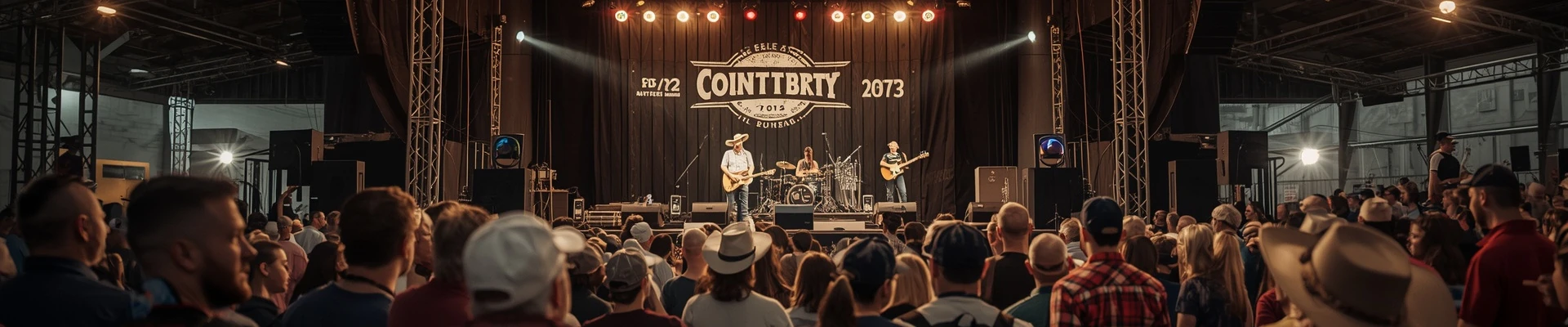
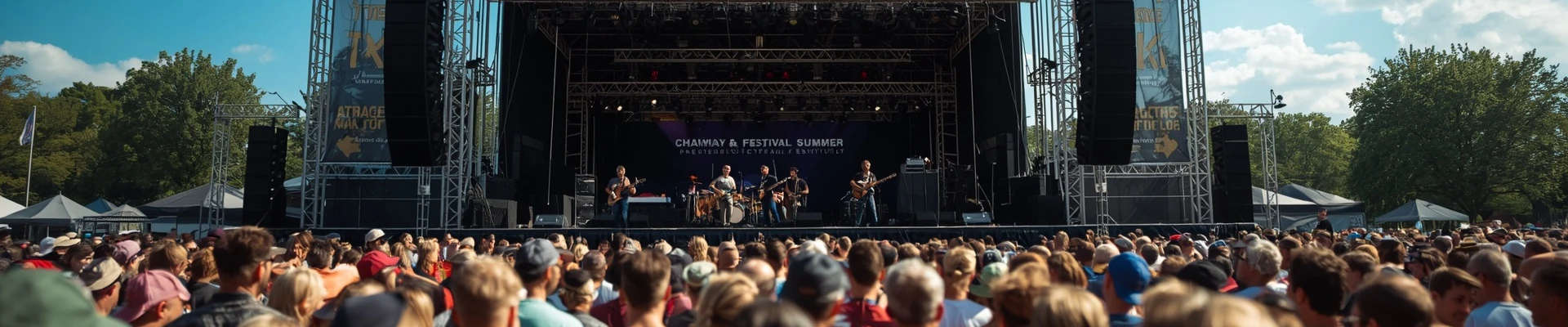
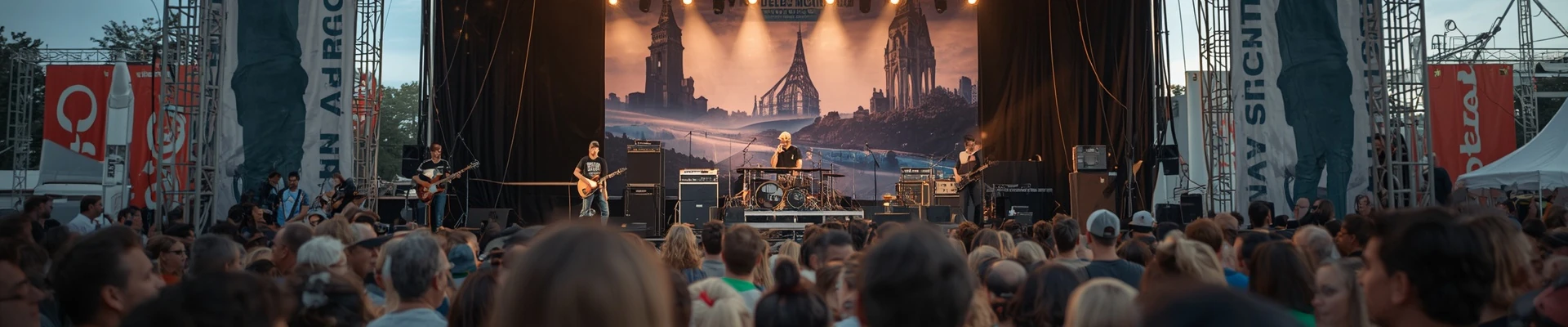
The festival calendar reflects the city's range. Mississauga Music Festival, Carassauga (the largest multicultural festival in Mississauga and one of the largest of its kind in Canada, programming music and dance from more than 60 cultures across pavilions throughout the city each May), Southside Shuffle Blues & Jazz Festival in Port Credit each September (one of the most respected blues festivals in the GTA), Port Credit Busker Fest, Mississauga Latin Festival, Streetsville Bread and Honey Festival, Mississauga Italfest, Tirgan Iranian Festival, Mississauga Waterfront Festival, TD Mosaic (a multicultural festival), Festival of Lights (Diwali), Mississauga Multicultural Festival, and Square One's programming each summer keep the calendar full. Punjabi Mela, Bollywood Monster Mashup at Mississauga Celebration Square (one of the largest free South Asian music festivals in North America), Eid celebrations at multiple venues, Filipino festivals at Celebration Square, Caribbean cultural festivals, and Lunar New Year programming add cultural and community programming. Mississauga Latin American Hispanic Festival, Polish Days, Portuguese Day, and Ukraine Day round out the year.
What ties it all together is the city's identity as one of the most diverse cities in the world — a place where a teenage Bhangra producer can grow up next door to a Filipino R&B vocalist, a West African gospel choir, a Polish accordion teacher, a Caribbean steel pan ensemble, and a future OVO Sound signee, all within a short bus ride of one of the world's largest airports and a 30-minute drive from one of North America's largest music industries. Mississauga is the city that produced PartyNextDoor and Belly, that anchors much of the broader 905 hip-hop scene, that hosts one of the largest free South Asian music festivals on the continent, and that increasingly defines a contemporary Canadian musical identity built on suburban diversity rather than urban myth.