


Cedar Rapids is Iowa's second-largest city and the county seat of Linn County, with roughly 137,000 residents inside the city limits and about 300,000 across the greater metro corridor that runs south through Marion, Hiawatha, and toward Iowa City thirty miles to the southwest. Situated on the Cedar River at the eastern edge of the Iowa prairie, Cedar Rapids is one of the most industrially productive mid-size cities in the American Midwest — the world's largest corn wet-milling operation, the world's largest Quaker Oats plant, and major facilities for Archer Daniels Midland, Ingredion, and Cargill make the city the undisputed grain-processing capital of the United States. The city's self-given title, "The City of Five Seasons" (the fifth season being time to enjoy the other four), reflects an earnest civic pride. Cedar Rapids is also home to Coe College and Mount Mercy University, giving the city's arts and music scene an academic underpinning. The devastating 2008 Cedar River flood — the worst in Iowa history — inundated a third of the city, displaced over 10,000 residents, and left a long shadow on Cedar Rapids's identity and urban fabric, though it also catalyzed major downtown renewal.
A brief history
The land along the Cedar River was Meskwaki and Potawatomi territory before American settlement. The first permanent settlers arrived in the 1830s, and Cedar Rapids was platted in 1841, incorporating as a city in 1856. The arrival of the Chicago and North Western Railway in the 1850s transformed Cedar Rapids into a regional transport and grain-milling hub almost immediately. By the late 19th century the city had attracted significant waves of Czech and Slovak immigrants — largely from Bohemia and Moravia — who settled in what became the Czech Village neighborhood on the southwest bank of the Cedar River. By 1900, Cedar Rapids had one of the largest Czech-born populations of any American city outside Chicago, and the National Czech & Slovak Museum & Library (relocated and reopened after the 2008 flood) remains one of the most important Czech-American cultural institutions in the country.
The early 20th century built out the city's industrial base — the Quaker Oats facility (which dates to the Douglas Starch Works of the 1890s), the Sinclair Meat Packing plant, Wilson & Company meatpacking, and the electrochemical and food-processing industries that persist today. Cedar Rapids's industrial profile — grain, corn syrup, starch, meatpacking — earned it the less-flattering nickname "Cereal City", a reference to the sweet smell of corn processing that wafts across the city on any given morning. The postwar decades brought suburbanization and the rise of the Marion and Hiawatha suburbs, but the downtown core retained a functioning commercial district anchored by the historic Paramount Theatre (opened in 1928). The 2008 flood reshaped everything: the entire Ellis Park neighborhood went underwater, the downtown Czech Village sustained catastrophic damage, and the federal and city response — along with a surge of civic energy from residents — drove a decade-long reconstruction and revival.
Music identity
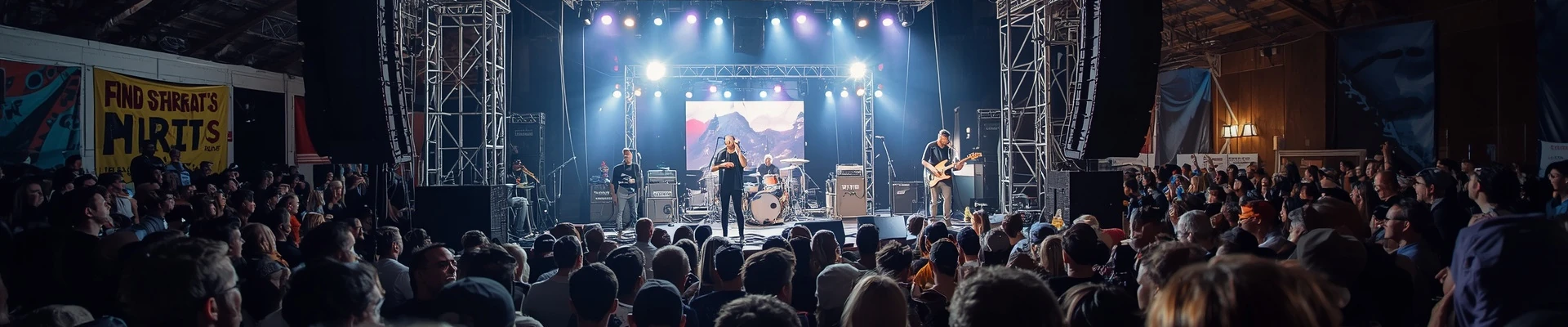
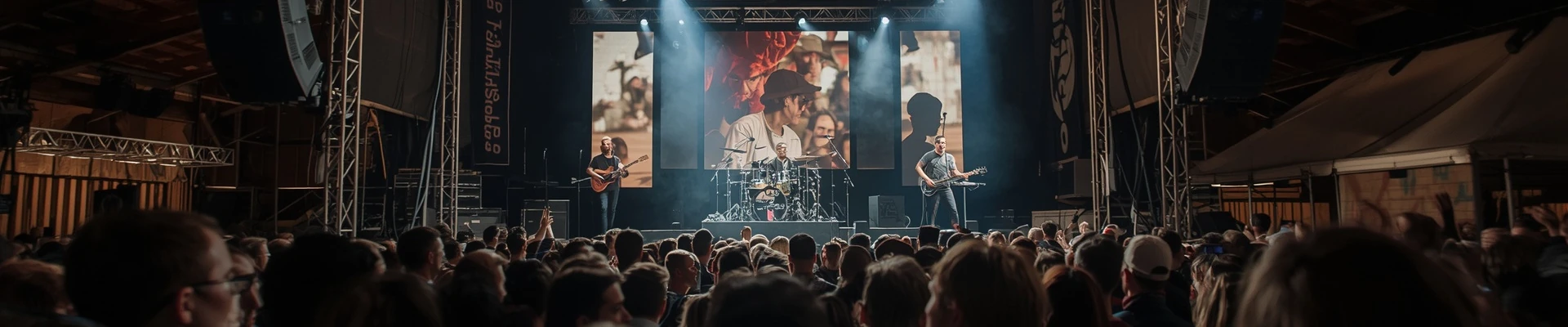
Cedar Rapids's music scene is rooted in folk, roots rock, indie rock, and the broader Iowa singer-songwriter tradition. The city is most closely associated in American folk music with Greg Brown — not Cedar Rapids-born (he's from Fairfield, Iowa), but a figure whose Iowa folk-spiritual sensibility and the network of Midwest coffeehouses and venues he helped sustain runs directly through Cedar Rapids. Cedar Rapids's most internationally visible musical output runs through Legion Arts and the CSPS Hall network, which since 1991 has operated one of the most respected alternative arts centers in the American Midwest, programming experimental, folk, jazz, world music, and avant-garde artists in a way that punches dramatically above Cedar Rapids's size class.
The city's indie rock and DIY lineage runs through a succession of clubs and all-ages spaces that developed from the early 1990s onward. House of Large Sizes — the powerful, heavy indie rock band led by vocalist/guitarist Paul Sodeman — emerged from Cedar Rapids in the late 1980s and built a devoted regional following through a decade of grinding Midwest touring, releasing albums through Mammoth Records before the major-label moment passed. The band is one of the most significant underrated Midwest indie rock acts of the early-alternative era. Slipknot emerged from Des Moines (Iowa's capital, ninety minutes west), and while that scene is distinct from Cedar Rapids, the broader Iowa metal and heavy rock scene has always connected through shared touring circuits and Midwest DIY networks.
The Czech and Slovak heritage of Cedar Rapids sustains a living folk music tradition distinct from anything else in the American Midwest. Polka bands, brass orchestras, and the sokol (Czech gymnastics and cultural society) tradition of communal music-making have been present in Cedar Rapids since the 1880s and remain active in Czech Village. The Houby Days Czech festival, the Czech Village & New Bohemia Main Street programming, and the National Czech & Slovak Museum events sustain this tradition. Cedar Rapids's Czech folk music scene is the most vital in the United States outside of the Texas Czech belt.
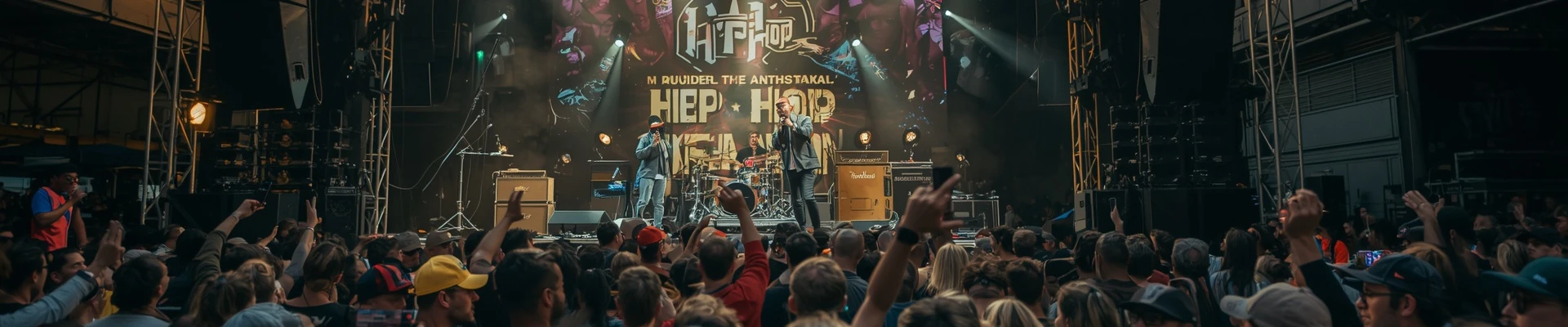
The city's gospel and R&B tradition runs through the historic Black community in the Time Check neighborhood and other northeast Cedar Rapids districts. Cedar Rapids has a relatively small but active African-American community (roughly 6% of the population) with a gospel circuit running through Greater Allen Memorial AME, St. Paul's Missionary Baptist, and related churches. A modest hip-hop scene operates through clubs along First Avenue and the downtown corridor.
The classical and academic side of Cedar Rapids runs through the Cedar Rapids Symphony (one of the oldest continuously operating symphony orchestras in Iowa, founded in 1921, performing at the Paramount Theatre), Coe College's music department, and the Cedar Rapids Municipal Band (one of the oldest community bands in the United States, founded in 1883, performing free summer concerts at Bever Park).
The Iowa City corridor (University of Iowa is thirty miles southwest) creates a continuous cultural exchange — bands, artists, and audiences move freely between the two cities. The proximity to Iowa City's denser, university-driven scene gives Cedar Rapids access to a larger talent pool while Iowa City benefits from Cedar Rapids's Paramount, CSPS, and McGrath Amphitheatre infrastructure.
Venues and neighborhoods
The venue landscape is anchored by three flagship spaces. The Paramount Theatre (opened December 1928 as a movie palace, renovated and reopened as a performing arts center, seating approximately 1,900) is the crown jewel of Cedar Rapids's concert infrastructure — an Art Deco interior with excellent acoustics that programs touring rock, country, folk, jazz, and orchestral acts throughout the year. McGrath Amphitheatre (the outdoor summer venue on the Cedar River downtown, capacity ~5,000, programming rock and country tours under the open sky from May through September) is the city's summer outdoor destination. Xtream Arena in nearby Coralville (opened 2020, multipurpose arena seating 7,000-8,000 for concerts) serves as the corridor's major arena venue. For Cedar Rapids and Iowa City together, this creates a functioning multi-venue market.
Below the flagship tier, CSPS Hall / Legion Arts (the converted historic hall in the Czech Village / New Bohemia corridor, capacity ~350, programming adventurous folk, jazz, experimental, and world music since 1991) is Cedar Rapids's most culturally significant venue and the place that defines the city's artistic ambition. The NewBo City Market space programs community events, music, and cultural programming in the revitalized New Bohemia district. Blue Note (a downtown club), Bata's Bar (in Czech Village), and a cluster of First Avenue bars sustain the city's club circuit.
Geographically, the music scene anchors to a few corridors. Czech Village and New Bohemia (the two connected districts on the south bank of the Cedar River, connected by the Czech Village & New Bohemia Main Street district) house CSPS Hall, the Czech cultural infrastructure, and a growing collection of bars and music venues — the spiritual heart of Cedar Rapids's arts identity. The downtown core around Third Street and First Avenue anchors the commercial venue circuit, including the Paramount. The Coe College campus (northeast Cedar Rapids) sustains student-oriented music programming. The Xtream Arena corridor in Coralville anchors the arena market.
Festivals and signature events
The festival calendar runs year-round. Groundswell Music Festival (the annual Cedar Rapids music festival that programs local and regional acts across multiple venues) has been a rallying point for the local scene. Czech Village Houby Days (the May mushroom festival and Czech cultural celebration, with polka bands, folk music, and community performance in Czech Village) is one of the most distinctive ethnic music festivals in the Midwest. Juneteenth Cedar Rapids celebrations in June program Black gospel, R&B, and hip-hop. Jazz Under the Stars programs jazz at outdoor venues through the summer. Iowa Arts Festival in nearby Iowa City draws artists from the Cedar Rapids corridor. The Cedar Rapids Symphony's outdoor summer concerts at Bever Park — free, multigenerational, and running since 1883 in the Municipal Band tradition — are perhaps the most beloved civic music events in the city. The NewBo Evolve Festival has brought major regional acts to the New Bohemia district. Ribfest Cedar Rapids programs country and rock acts alongside the BBQ competition in the late summer.
What ties it all together
Cedar Rapids is a city shaped by the smell of corn syrup, the memory of flood, Czech polka traditions, and a stubborn commitment to artistic life in the middle of the Iowa prairie. It is not a city that produces internationally famous rock bands in numbers — that work belongs to Des Moines, or to the university town down the road in Iowa City. What Cedar Rapids does produce is an unusually durable institutional infrastructure for a city its size: a symphony orchestra running since 1921, a community band running since 1883, a community arts center in CSPS that programs Laurie Anderson and Neko Case and Bill Frisell in a converted Czech hall in New Bohemia, and a Paramount Theatre whose Art Deco interior has framed music for Cedar Rapids audiences for nearly a hundred years. House of Large Sizes channeled the heavy, grinding weight of Midwest industrial life into one of the great underrated indie rock catalogs of the 1990s. The Czech and Slovak folk tradition keeps polka alive in a country where it has nearly vanished. And the corridor relationship with Iowa City — the university town that produced Dave Zollo, Dave Matthews early touring, and a continuous pipeline of folk and rock artists — gives Cedar Rapids a cultural depth that its 130,000 residents alone could not sustain. Cedar Rapids sounds like corn processing and river mud and an Art Deco lobby and a CSPS accordion echoing through New Bohemia on a winter night.