
Rochester, Minnesota sits in the rolling limestone bluff country of southeastern Minnesota, on the Zumbro River about 85 miles southeast of the Twin Cities and 70 miles south of the Twin Cities metro fringe. With around 122,000 residents in the city and a metro of roughly 220,000, it is Minnesota's third-largest city — and one of the most economically unusual mid-size cities in the United States. Rochester's entire civic character, its demographics, its real estate market, its restaurant scene, and its music life are shaped by a single institution: Mayo Clinic, the nonprofit academic medical center that has operated continuously in the city since 1889 and employs roughly 40,000 people in the Rochester area. Every week, tens of thousands of patients and their families arrive from across the United States and from more than 130 countries to receive care at Mayo — and the professionals who serve them, the researchers who work alongside them, and the families who follow careers to Rochester have built a city that is simultaneously Midwestern in its grain elevators and corn-country backdrop and genuinely international in its restaurants, its places of worship, and its music.
A brief history
The Zumbro River valley was Dakotah territory before American settlement. Rochester was platted in 1854 and grew quickly as a regional agricultural and milling center, positioned on the stagecoach route between Prairie du Chien and St. Paul. The city was named after Rochester, New York, by early settlers from that city. Its history turned sharply in 1883, when a tornado devastated the region and William Worrall Mayo — a local physician — coordinated disaster response. The Sisters of Saint Francis, a local religious order, approached Mayo about establishing a permanent hospital; he agreed on the condition that his sons William James Mayo and Charles Horace Mayo be part of the medical staff. Saint Marys Hospital opened in 1889, and the collaborative practice that would become Mayo Clinic was born.
Through the early 20th century, the Clinic's reputation spread globally, attracting patients and eventually drawing top researchers and physicians who settled in Rochester permanently. The city grew around the Clinic's needs — hotels, rooming houses, transportation infrastructure, and eventually a parallel economy of support services. IBM established a major manufacturing and development facility in Rochester in the 1950s, which became one of the company's most important campuses; the Rochester IBM operation developed the IBM AS/400 midrange computer system in the 1980s, one of IBM's most commercially successful products of that era, and employed thousands of engineers and technical workers at its peak. The combination of Mayo employment and IBM employment created a city with an unusually high concentration of professional workers, advanced degrees, and international recruits for a city its size, shaping Rochester's character in ways that persist even as IBM's local footprint has contracted.
Music identity
Rochester's music scene is not a nationally famous one — it has produced few household names in American popular music — but it is notably rich for a city of its size, shaped by two forces that rarely coexist: a strong civic and classical music tradition sustained by the professional class, and a genuinely global roots music ecosystem generated by Mayo Clinic's international workforce and patient population.
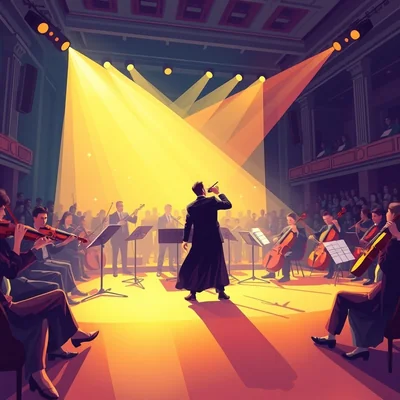
The Rochester Symphony Orchestra and Chorale is the city's oldest and most prestigious music institution, founded in 1919 and one of the most stable regional orchestras in the Upper Midwest. It performs a full symphonic season at the Mayo Civic Center and has historically drawn on the large population of musically trained professionals and their families who relocate to Rochester for Mayo and IBM careers. The Rochester Civic Music organization has operated community band and chorale programs for decades. These classical institutions are not merely civic ornamentation — they reflect a genuine concentration of musical training among the city's resident population.
The Rochester Civic Theatre and the Commonweal Theatre in nearby Lanesboro sustain a strong local performing arts tradition. Rochester Community and Technical College (RCTC) and Saint Mary's University of Minnesota's Rochester campus contribute student musicians to the local scene.
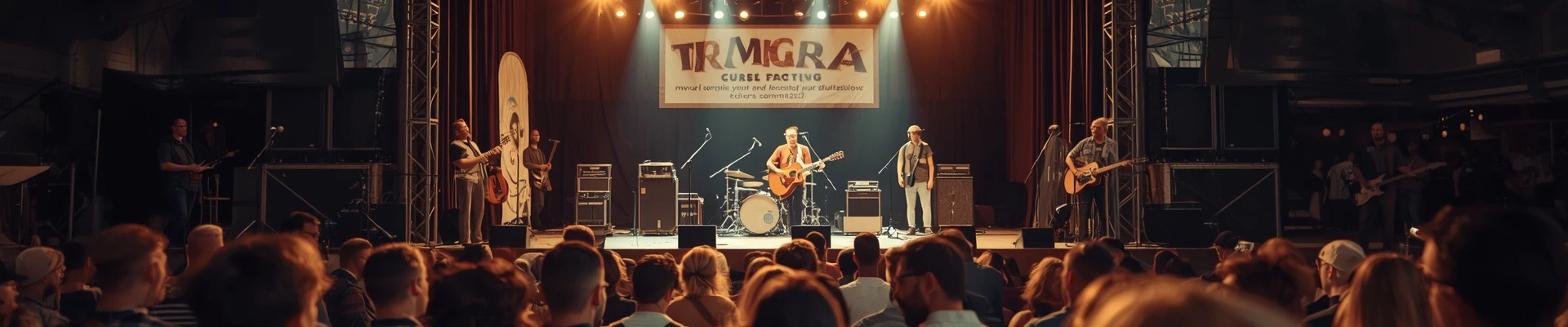
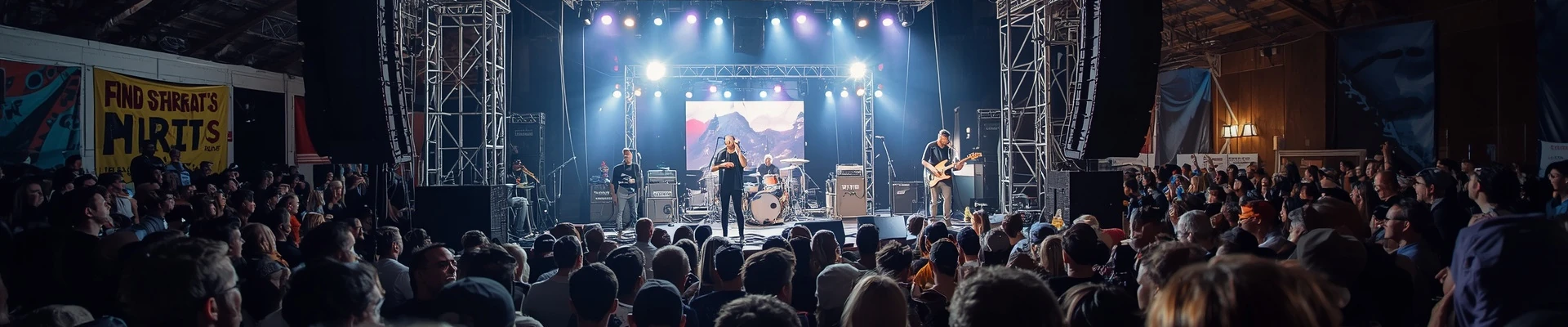
In popular music, Rochester has supported a persistent local rock and indie scene anchored by bars and mid-size venues. The Tap House on Broadway has been one of the most consistent live music venues. John Hardy's Bar & Grill programs live music spanning blues, classic rock, and country. Whiskey Dicks has operated as a bar venue for local acts. The People's Food Co-op area and Kutzky Park neighborhood have historically been Rochester's bohemian and arts-friendly geography. Peace Plaza in downtown Rochester has hosted outdoor summer concerts — the Thursdays on First & 3rd outdoor concert series has run through summer months, programming local and regional acts of multiple genres in the pedestrian downtown zone.
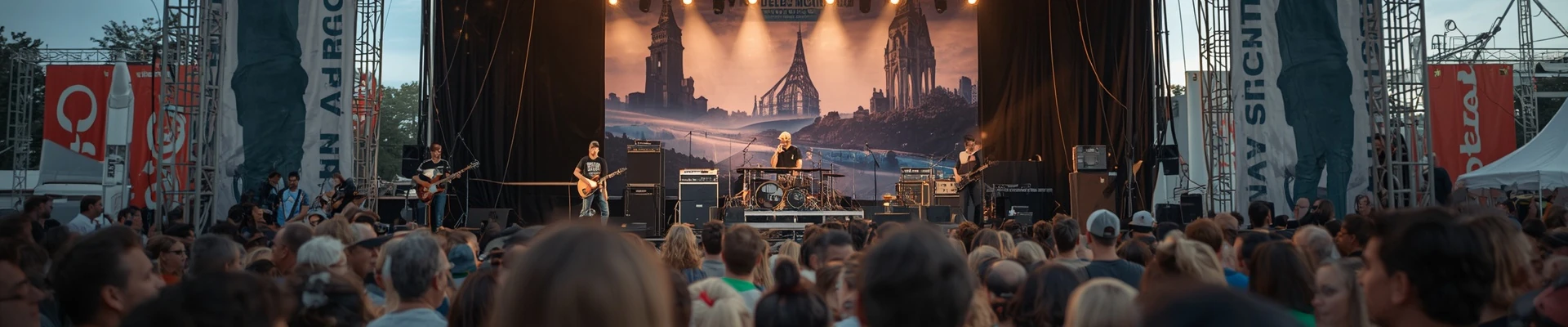
Rochesterfest — the annual community summer festival — incorporates live music programming across multiple stages. The event's scope and programming are civic rather than music-focused, but it has consistently given local and regional acts large outdoor stages.
The most distinctive dimension of Rochester's music scene is its international roots music ecosystem. Mayo Clinic recruits physicians, researchers, and support staff from across the world, and Rochester's international population is genuinely diverse: large communities from India, East Africa (Somali, Ethiopian, Kenyan), Southeast Asia (Hmong, Vietnamese, Filipino), China, South Korea, the Middle East, and Latin America (Mexican, Puerto Rican, and Central American communities centered in the Southeast Rochester neighborhoods). These communities sustain music performances, cultural celebrations, and informal musical networks that rarely make it to the city's traditional entertainment circuit but are an irreplaceable part of Rochester's actual musical life. The Somali community — one of the largest concentrations of Somali residents in Minnesota outside Minneapolis — has brought Somali music traditions; the Indian community has established classical Indian music, Bollywood, and devotional performance traditions; Hmong cultural events include music from that tradition.
The Rochester Area Music Association (RAMA) has worked to develop, showcase, and connect local musicians across genres. Independent venues and touring booking operations have brought regional acts to the city — Rochester sits close enough to the Twin Cities (90 minutes) to receive overflow from the Minneapolis–St. Paul touring circuit and distant enough to maintain its own independent booking ecosystem.
Venues and neighborhoods
The Mayo Civic Center (capacity 4,000+ for concerts) is Rochester's primary large-event venue, hosting major touring concerts, conventions, and civic events. Its Auditorium (2,200 seats) programs the Rochester Symphony's classical season as well as larger popular touring acts. The Presentation Theatre seats 500 for mid-size events.
Soldier Field — the multi-use park and recreation area — programs outdoor events including summer concerts. Riverside Concerts and similar outdoor summer programming leverage Rochester's park infrastructure for live music in the warmer months.
The downtown entertainment district clusters around Broadway Avenue North and the area immediately adjacent to Saint Marys Hospital and the main Mayo Clinic campus. The Kahler Grand Hotel — the historic hotel directly connected to the Clinic by underground tunnel — anchors the medical district, and the hotels and restaurants serving Mayo patients have created a continuous, if medically-inflected, hospitality infrastructure near the city core. Civic Center Drive SE and Broadway contain the highest concentration of restaurants and bars with live music programming.
Apache Mall — Rochester's major retail center — has historically hosted community events, though its role in music is modest. The University Avenue and 48th Street corridors anchor more residential commercial development. The Kutzky Park and SW Rochester neighborhoods have the city's strongest concentration of arts-oriented residents and independent businesses.
Festivals and signature events
Thursdays on First & 3rd runs weekly through summer months in the downtown Peace Plaza area, programming local and regional acts across multiple genres — it is the city's most consistent live music festival programming. Rochesterfest (late June) is the city's signature community summer festival and includes music stages. Art Rocks incorporates live music into Rochester's visual arts programming. The Rochester International Jazz Festival has operated at various scales over the years, reflecting the city's interest in jazz performance. Earle Brown Heritage Center events (in nearby Brooklyn Center, though sometimes in Rochester) and regional touring bring national jazz and blues acts through southeastern Minnesota.
Mayo Clinic's international presence occasionally generates cultural events with live music dimensions — consular cultural programming, international student organization events, and hospital-adjacent community events are a consistent secondary layer of musical life in Rochester that mainstream entertainment guides rarely capture.
What ties it all together
Rochester's defining musical character is a tension between institutional solidity and international flux. The Rochester Symphony and the Rochester Civic Music programs represent the city's stable, professionally-supported classical layer — grounded in the same educated professional class that makes Rochester one of Minnesota's wealthiest cities per capita. The bars, the summer outdoor series, and the local rock and indie circuit represent a smaller but genuine independent popular music culture that functions, like most mid-size Midwestern city scenes, somewhat in the shadow of Minneapolis. But the layer that makes Rochester genuinely unusual is the intersection of international medical recruitment and community music — the Somali community centers, the Indian classical recitals, the Hmong cultural celebrations, the Latin American dance events in SE Rochester — a musical cosmopolitanism generated not by an arts scene but by the global reach of the world's most visited hospital. Med City plays more music than it gets credit for.