
Rochester, New York
Rochester sits where the Genesee River meets Lake Ontario, roughly midway between Buffalo and Syracuse on New York's northern tier. With a city population of around 210,000 and a metro area approaching 1.1 million, it is the third-largest city in New York State — a mid-size industrial center that punches well above its weight in music, education, and the arts. The city's economic DNA was written by the corporations that grew up here: Eastman Kodak transformed how the world stored images; Xerox reinvented how offices communicated; Bausch & Lomb shaped modern optics. All three have contracted dramatically since their peak, but the research culture and educated workforce they left behind still shape the city's creative life.
Two nicknames capture Rochester's split identity. It was once the Flour City, its mills grinding the winter wheat of the Genesee Valley into flour that fed cities from Boston to Chicago. Then, in the mid-nineteenth century, George Ellwanger and Patrick Barry's nursery trade eclipsed the mills and the city became the Flower City — a name it still prints on official signage today. Underneath both names is the same thing: a place where large-scale industry transformed small-town geography into something genuinely significant, then left its residents to find a new identity when the industry moved on.
The Eastman School and Classical Roots
No institution has shaped Rochester's musical identity more profoundly than the Eastman School of Music, founded in 1921 by Kodak patriarch George Eastman and now part of the University of Rochester. Eastman is consistently ranked among the top music conservatories in the world, sitting alongside Juilliard, Curtis, and the New England Conservatory. Its graduates — in composition, conducting, performance, and music education — have dispersed across every corner of the professional music world, and the school's presence means that Rochester has always had a deeper bench of trained musicians than cities three times its size.
The Eastman School anchors the East End neighborhood along Gibbs Street, and its concert halls — Eastman Theatre and the more intimate Kilbourn Hall — are essential performance spaces for both the school and the broader city. The Rochester Philharmonic Orchestra, founded in 1922 with seed money from George Eastman himself, performs its main season at Eastman Theatre and represents one of the oldest regional orchestras in the country. The RPO and the school coexist in a symbiotic relationship that is unusual in American mid-size cities: the conservatory trains the players, the orchestra provides professional employment, and the concert halls keep the music community visible to the public.
Chuck Mangione and the Jazz Tradition
Jazz has deep roots in Rochester, cultivated in part by Eastman's jazz studies program and sustained by a club culture that thrived through the 1950s and 1960s. The city's most famous jazz export is Chuck Mangione, a flugelhornist, composer, and bandleader who grew up in Rochester and got his early break playing in the house band at venues around the city before coming under the mentorship of Art Blakey and the Jazz Messengers. Mangione's 1977 instrumental "Feels So Good" became one of the most ubiquitous jazz crossover hits in American radio history, winning the Grammy for Best Pop Instrumental Performance in 1979. He is still closely associated with Rochester and has maintained ties to the Eastman School throughout his career.
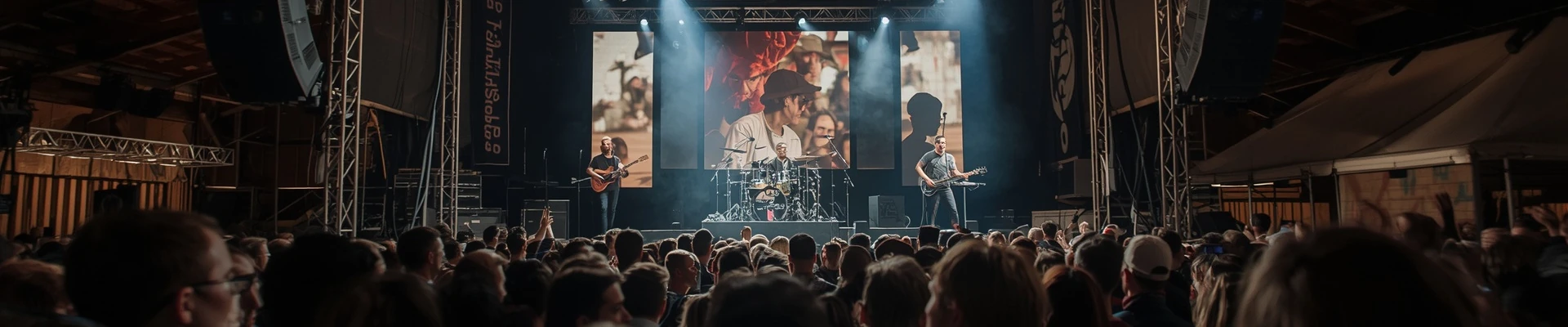
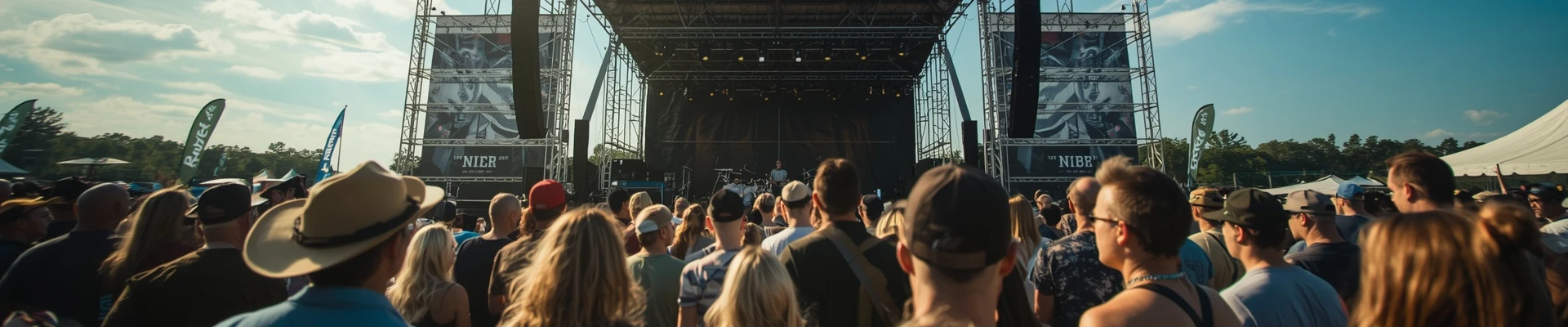
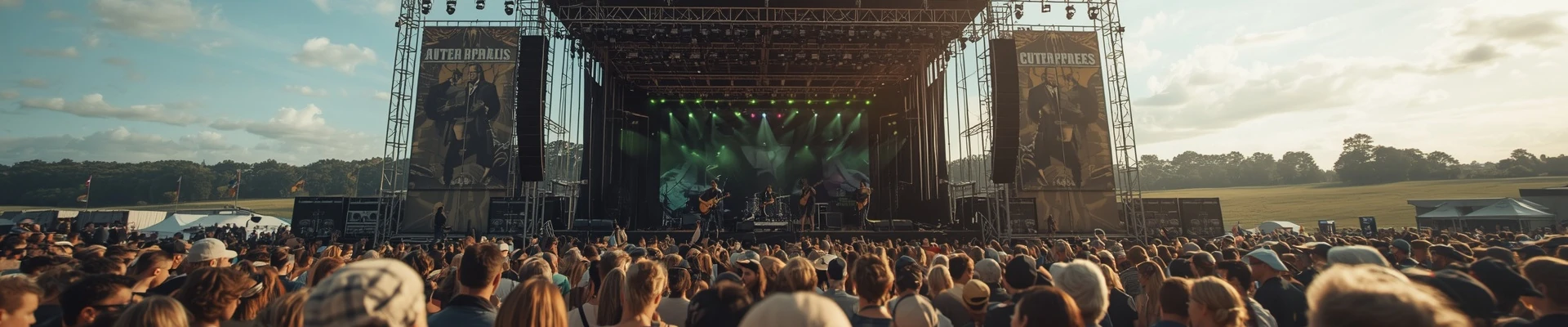
The broader jazz lineage includes pianists and saxophonists who came up through local jam sessions in the decades when Rochester's Monroe Avenue corridor supported a string of jazz and blues rooms. That tradition never entirely disappeared, and it found renewed institutional expression when the CGI Rochester International Jazz Festival launched in 2002. Over two decades the festival grew into one of the largest jazz festivals in North America: ten days in late June, more than 300,000 attendees, 1,500 artists from across the jazz spectrum performing on stages clustered around Gibbs Street and the East End district. The RIJF books both canonical names — Chick Corea, Herbie Hancock, Gregory Porter, Cécile McLorin Salvant — and emerging voices, making it the city's single most visible cultural event and a signal moment on the North American festival calendar each summer.
Rock, Foreigner, and the Arena Tradition
Rochester produced one of classic rock's most distinctive voices: Lou Gramm, lead singer of Foreigner, was born and raised in the city. Gramm's powerful tenor anchored Foreigner's run of arena-rock anthems from "Cold as Ice" and "Feels Like the First Time" through "Waiting for a Girl Like You" and "I Want to Know What Love Is" — the latter spending three weeks at number one in the United States in 1984 and topping charts across Europe simultaneously. Though Foreigner was conceived and shaped in New York City and London, Gramm's Rochester roots gave the band a heartland quality that resonated with audiences far beyond the coasts.
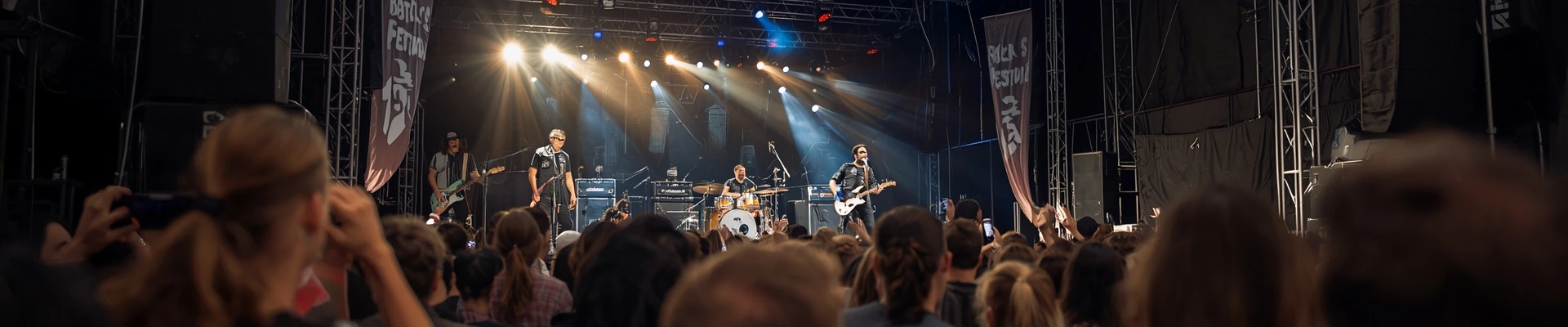
The rock tradition extended into the 1980s and 1990s through a network of clubs and original-music venues. Water Street Music Hall, located in a converted warehouse near the Genesee River, became the central anchor for touring indie and alternative acts from the mid-1990s onward and remains the primary mid-size venue in the city today — a 1,200-capacity room that handles everything from folk-rock to metal. The Main Street Armory, a massive former National Guard facility converted to event use, handles large-scale shows and special events. Kodak Center (formerly called the Blue Cross Arena until naming rights changed hands) serves as the city's primary arena, hosting touring arena acts and sports events.
Punk, Hardcore, and The Bug Jar
Rochester's punk and hardcore scene flourished in the 1990s and early 2000s through a network of DIY venues, house shows, and small clubs that circulated between neighborhoods. The Bug Jar on South Avenue became the city's most beloved small venue — an eclectic room that mixed local punk, experimental rock, indie pop, and touring underground acts in an atmosphere shaped more by community than commerce. The Bug Jar's tenure stretched for decades and its loss and revival have been ongoing conversations in the local music community, a testament to how central it became to Rochester's sense of itself as a place that values the underground.
The hardcore scene connected Rochester's DIY community to a broader network of upstate New York and northeastern cities — Syracuse, Buffalo, Albany — sharing bills, tours, and the particular aesthetic of post-industrial northeastern punk: direct, unpretentious, and unsentimental about the realities of post-Kodak Rochester. The South Wedge neighborhood, south of downtown along South Avenue, has long served as the spiritual home of Rochester's indie and DIY music scenes, with a density of bars, record shops, and community spaces that sustain the grassroots end of the music ecosystem.
Hip-Hop and R&B
Rochester's hip-hop scene developed in parallel with the broader upstate New York tradition, drawing on the city's post-industrial landscape and its large African American and Latino communities. The North side of Rochester — neighborhoods like Beechwood, Marketview Heights, and Bull's Head — produced artists who circulated through local mixtape networks and built followings across the region without the visibility that New York City's boroughs commanded. The scene has remained largely locally focused, sustained by open mics, neighborhood events, and a small collection of recording facilities.
R&B has a longer institutional history in Rochester, tied to the city's role as a stop on the chitlin circuit in the mid-twentieth century and to the African American entertainment corridor that ran through parts of downtown before urban renewal restructured the city's geography in the 1960s. That history feeds into a current gospel and church music tradition that remains vibrant across Rochester's Black community, producing singers and musicians who cross over into secular performance.
The Karen Community and Global Sounds
Rochester has become home to one of the largest Karen (Burmese-Karen) refugee communities in the United States, drawn by resettlement programs that began in the early 2000s and have continued since. The Karen community has brought Karen folk music — characterized by plucked lutes, bamboo instruments, and pentatonic vocal traditions — into Rochester's cultural fabric in ways that are not yet fully visible on mainstream stages but that sustain a rich internal community music life. This sits alongside a substantial Puerto Rican and Dominican community concentrated in the North Clinton corridor, which has produced its own tradition of Latin music: salsa, merengue, reggaeton, and gospel in Spanish that circulates through community organizations and the annual Puerto Rican Festival in the summer.
Venues, Neighborhoods, and the Music Map
Beyond the flagship rooms, Rochester's live music scene is distributed across a network of bars and smaller venues. Anthology on Clinton Avenue South is an important room for folk, Americana, and singer-songwriter acts. Photo City Improv has served as a community arts space. The Park Avenue district — a walkable commercial strip east of downtown — hosts several bars with regular live music that anchor the neighborhood's identity as Rochester's most walkable entertainment corridor. East End around Eastman School provides classical performance and jazz. Downtown itself has seen various venues rise and fall with the rhythms of urban revitalization, with Gibbs Street serving as the festival spine during the RIJF each June.
The city has produced or cultivated a number of recording studios over the decades, though the landscape is more modest than cities with major-label infrastructure. Home recording has been central to Rochester's indie output, reflecting both the Eastman School's culture of musical self-sufficiency and the broader shift in production toward affordable digital tools.
What Ties It All Together
Rochester is a city where formal musical education and informal underground practice have coexisted for a century, shaped by the same tension that defines the city itself: world-class institutions operating in a post-industrial landscape that demands resourcefulness over glamour. The Eastman School sends graduates to the world's great orchestras and studios, while the Bug Jar and the South Wedge sustain the argument that music can also be small, local, and unapologetically itself. The Jazz Festival bridges both worlds each June, turning the East End into a genuinely cosmopolitan gathering for ten days before the city returns to its quieter rhythms. What persists across all of it — the jazz, the arena rock, the hardcore, the Karen folk sessions, the Latin block parties — is the particular seriousness Rochester brings to sound: a city that has always valued making things well, even when the economics of making them don't quite add up.