


Where Oil and the Blues Meet the Gulf
Beaumont sits on the coastal plain of Southeast Texas roughly 85 miles east of Houston and 25 miles west of the Louisiana border, straddling the Neches River as it winds toward Sabine Lake and the Gulf of Mexico. At just 8 metres above sea level the city is flat, humid, and prone to the punishing weather systems that roll off the Gulf — heat and humidity in summer, the occasional hurricane threat in fall. The surrounding region is dense with pine forest to the north and brackish marsh to the south, giving Beaumont a landscape that feels more Deep South Louisiana than conventional Texan.
Economically, Beaumont belongs to the Golden Triangle — the industrial corridor formed by Beaumont, Port Arthur, and Orange — one of the heaviest concentrations of petrochemical refining in North America. Exxon Mobil, DuPont, and Huntsman operate major plants within the triangle. That industrial dominance has defined the city's class character: working-class, union-rooted, and resistant to the tech-sector reinvention that transformed Houston. Lamar University, founded in 1923, provides a modest anchor for the arts and humanities in a city otherwise built around shift work and the refinery calendar.
The Spindletop Moment
On January 10, 1901, the Lucas Gusher at Spindletop Hill — a salt-dome formation just south of town — blew wild for nine days and launched the modern petroleum era. The discovery turned Beaumont from a sawmill town of 9,000 into a boomtown of 50,000 almost overnight, attracted roughnecks and speculators from across the country, and funded the creation of what would become Texaco, Gulf Oil, and the Sun Company. Spindletop's legacy is still visible in the city's identity — the Texas Energy Museum downtown documents the gusher and its consequences, and oil industry employment still anchors the regional economy a century later.
That boomtown energy left its mark on the city's cultural DNA. Beaumont attracted people from across the South and Gulf Coast: Black workers from Louisiana and East Texas, Cajun and Creole families from across the Sabine, Polish and Czech immigrants drawn by refinery wages. That mixing pot created the conditions for the musical alchemy that would follow.
Johnny and Edgar Winter: Beaumont's Crown Jewels
No city of Beaumont's size has produced a blues-rock legacy as internationally consequential as the one embodied by Johnny Winter and Edgar Winter. Born in Beaumont in 1944 and 1946 respectively to a musical family in the Nicholls neighborhood, both brothers grew up absorbing the blues traditions of Southeast Texas and Southwest Louisiana. Their father played saxophone in local bands; their mother encouraged music from birth.
Johnny Winter — an albino guitarist with a tone that combined Gulf Coast slide blues, Chicago electric intensity, and rock-and-roll abandon — became one of the most celebrated blues-rock artists of his generation. He was signed to Columbia Records after a single magazine mention in Rolling Stone positioned him as "the hottest unknown guitarist in the world," and his 1969 Second Winter double album established a template for blues-rock that influenced generations of players. He recorded with Muddy Waters — producing Hard Again (1977) and I'm Ready (1978) — helping revitalize Waters's career in his final years. Johnny died in 2014, but his stature in the blues world remains enormous, and Beaumont holds him as its defining musical figure.
Edgar Winter, equally gifted but stylistically more adventurous, formed the Edgar Winter Group and scored a massive mainstream hit in 1973 with the instrumental "Frankenstein" — a synthesizer-and-sax showpiece that reached number one on the Billboard Hot 100. His band's virtuosic theatrics and genre-blending (blues, rock, jazz, funk) made him a staple of arena rock while remaining rooted in the Southeast Texas blues tradition he and Johnny shared.
The Winter brothers' formative years in Beaumont — playing teen club shows, absorbing the African American juke-joint tradition of the region, and connecting with older blues players — gave them the authentic grounding that separated them from imitators. Their legacy is inseparable from the city.
Country Music's Golden Triangle
Beaumont's musical contribution extends equally into country music. The Gulf Coast-to-East Texas corridor produced a remarkable cluster of commercial country artists in the 1980s and 1990s.
Mark Chesnutt, born in Beaumont in 1963, carried the honky-tonk tradition through the neotraditional era with a voice widely compared to George Jones. His debut single "Too Cold at Home" went to number one in 1990, launching a career that produced more than a dozen chart-toppers including "Bubba Shot the Jukebox," "It Sure Is Monday," and "Brother Jukebox." Chesnutt recorded for MCA Nashville and represents the most commercially successful country figure Beaumont has produced.
Clay Walker, born in Beaumont in 1969, became a mainstream country star in the mid-1990s with a string of number-one singles including "What's It to You," "Live Until I Die," and "She Won't Be Lonely Long." He has sold over six million albums and remains actively touring, maintaining strong ties to his hometown.
Tracy Byrd, from neighboring Vidor just east of Beaumont, added another major country act to the regional cluster, scoring hits in the 1990s with "Holdin' Heaven" and "The Keeper of the Stars."
And most resonantly for American music history, J.P. Richardson — better known as The Big Bopper — grew up in Beaumont and attended Lamar University before working as a DJ at KTRM radio. His "Chantilly Lace" (1958) was one of the defining singles of early rock and roll, and Richardson's death in the February 1959 plane crash that also killed Buddy Holly and Ritchie Valens — the tragedy Don McLean immortalized in "American Pie" — enshrined him in rock history. Beaumont honors him with a memorial marker and the Big Bopper Scholarship at Lamar University.
The Gulf Coast Blues Tradition
Beneath the nationally famous names runs a deep current of regional blues and R&B that nourished Beaumont's music scene from the post-war era forward. The African American community centered around Phelan Boulevard and the historic Charlton-Pollard neighborhood sustained juke joints, church music, and blues roadhouses well into the 1970s.
Clarence "Gatemouth" Brown — born in Vinton, Louisiana but raised partly in Orange County, Texas, just east of Beaumont — represents the regional blues tradition at its most sophisticated. His guitar style combined blues, jazz, country, and zydeco in a singular voice. Similarly, the influence of Cajun and zydeco music from across the Sabine River permeated Southeast Texas dance halls and contributed to the area's eclectic musical palette.
KTRM and later KKMY served as important radio platforms for the regional blues and country scenes, and the Beaumont Enterprise documented a live music ecosystem that once included multiple Black-owned clubs and venues along Forsythe Street.
Venues and the Live Scene
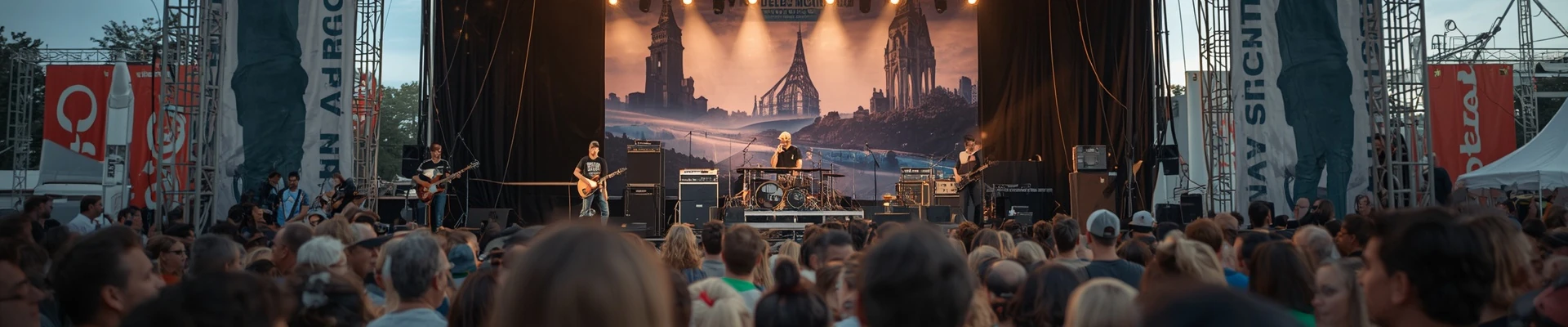
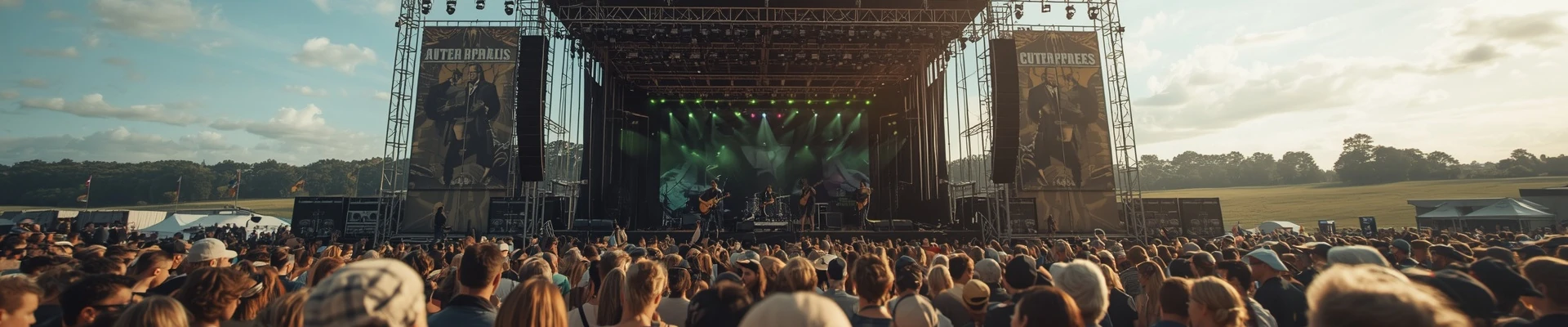
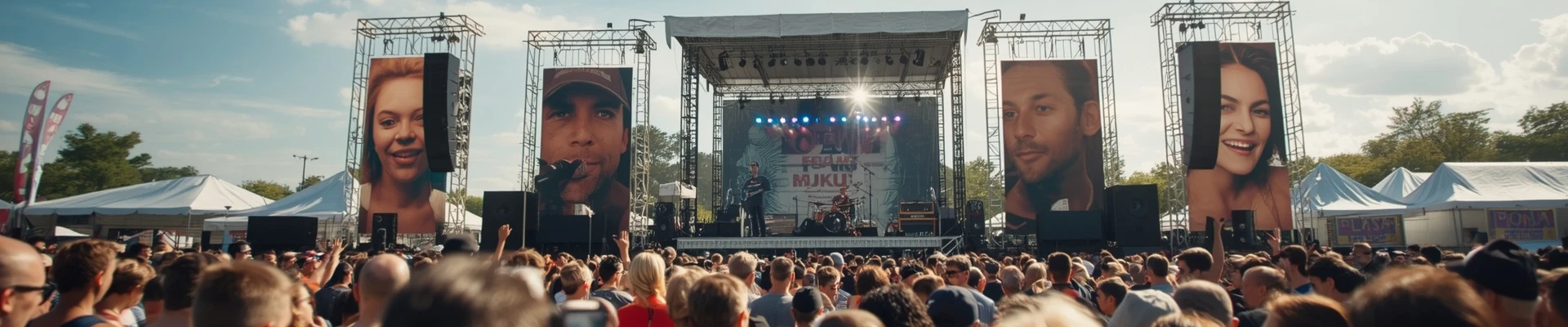
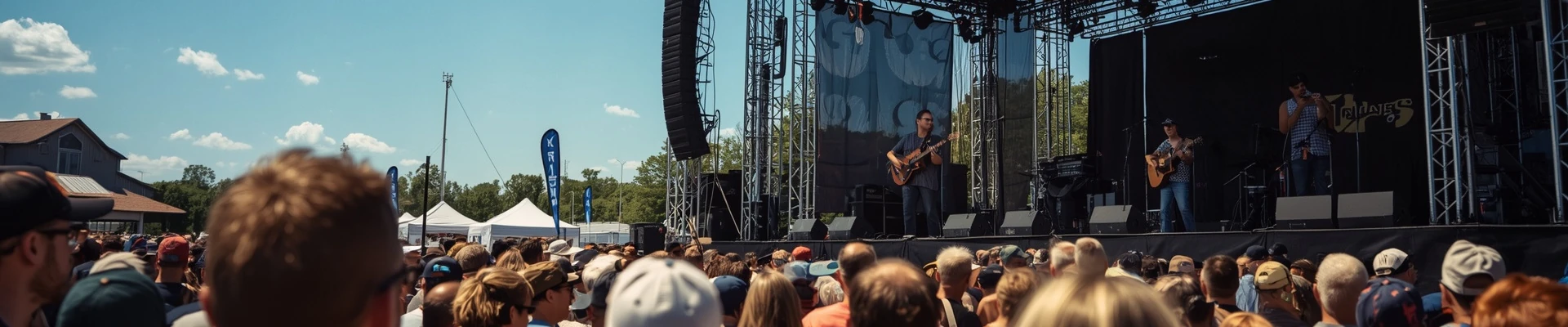
Ford Park Entertainment Complex, a multi-purpose facility operated by Jefferson County near the US Highway 69 interchange, serves as Beaumont's primary large-venue destination. Ford Park Arena holds approximately 8,000 people and hosts touring acts across country, rock, and hip-hop. The adjacent amphitheater and exhibition center make it one of the region's most versatile entertainment destinations.
The Jefferson Theatre is Beaumont's architectural crown jewel — a 1927 atmospheric movie palace and performance hall on Fannin Street, listed on the National Register of Historic Places, with a restored interior that seats approximately 1,500. The Jefferson hosts Broadway touring productions, symphony performances, and special events; its Moorish-inspired dome and original atmospheric murals make it one of the finest surviving historic theatres in Texas.
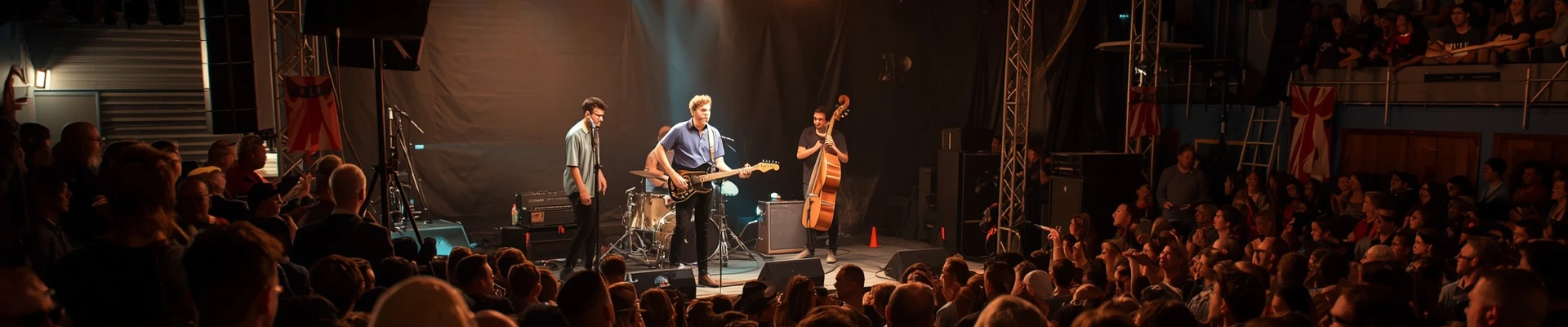
Logon Café operated for years as a key alt-rock and indie venue in the downtown corridor, and the general vicinity of Downtown Beaumont along Pearl Street and Calder Avenue hosts bars and clubs with live music. The Crockett Street Entertainment District, redeveloped in the early 2000s, aimed to anchor a nightlife hub with venues oriented toward a mixed musical diet.
Neighborhoods and Musical Geography
Charlton-Pollard — the historic African American neighborhood on Beaumont's north side — anchors the city's blues and gospel heritage. Several historically significant churches and community institutions tie back to the music traditions of the neighborhood. Pear Orchard and South Park on the south side represent working-class communities that contributed the industrial workforce and sustained honky-tonk culture.
Downtown Beaumont around the intersection of Pearl and Main streets has seen incremental revitalization efforts, with murals, small galleries, and music-adjacent businesses occupying spaces that were once department stores and theatres. The Art Museum of Southeast Texas and the Edison Museum (honoring Thomas Edison's early oil-field work) add cultural anchors to the district.
Lamar University's campus on the city's west side generates a modest student-driven music scene focused on bars along the surrounding commercial strip, though it has never matched the scale of university towns like Austin or Denton.
Festivals and Signature Events
Beaumont's Mardi Gras celebration — drawing on the city's proximity to Louisiana and its Cajun-Creole cultural heritage — is one of the largest Mardi Gras events in Texas, filling Downtown Beaumont with parades, live music stages, and zydeco acts for several weekends each February. The event reflects the genuine cultural overlap between Southeast Texas and Southwest Louisiana.
Spindletop-Gladys City Boomtown Museum hosts historical events and living-history demonstrations tied to the oil discovery, and the city's broader events calendar includes the Beaumont Botanical Gardens concerts and various summer event series at Ford Park.
The annual Texas Cajun & Creole Festival celebrates the deep cultural overlap with Louisiana — featuring zydeco, Cajun two-step, and traditional Creole cooking — and represents one of the most authentic expressions of the Golden Triangle's bicultural character.
What Ties It Together
Beaumont's musical identity cannot be separated from its geography and history. It occupies a borderland — between Texas and Louisiana, between the blues country of the Deep South and the country music corridor of East Texas, between refinery-town working-class culture and a Gulf Coast sensibility that bends toward Cajun ease and roadhouse improvisation. The Winter brothers distilled all of that into a blues-rock sound with genuine roots; Mark Chesnutt and Clay Walker exported East Texas honky-tonk to Nashville; J.P. Richardson caught the first wave of rock and roll and rode it to immortality. That lineage — spanning blues, country, and early rock, produced by the children of oil workers and sawmill hands in a humid, low-lying city 85 miles from Houston — is Beaumont's defining gift to American music.