

College Station sits in the Brazos Valley of east-central Texas, roughly 160 kilometres northwest of Houston and 270 kilometres south of Dallas. With a population approaching 110,000 — swelling significantly when Texas A&M University is in session — it forms a continuous urban fabric with its older neighbor Bryan to the north. The combined Bryan–College Station metropolitan area has around 270,000 residents. The land is gently rolling blackland prairie, crossed by the Navasota River to the east and bordered by agricultural stretches that give way to the piney woods of East Texas further east. The economy is overwhelmingly anchored by Texas A&M University, one of the largest universities in the United States by enrollment, with more than 74,000 students on the College Station campus. The university is the city's employer, landlord, cultural engine, and defining force — College Station would be a crossroads market town without it.
A brief history
The site's history begins with Spanish colonial territory and then the Republic of Texas land grants that carved up the Brazos Valley for cotton agriculture in the 1820s and 1830s. Anglo-Texan settlement advanced rapidly, and Bryan — named for William Joel Bryan, a nephew of Stephen F. Austin — was platted in 1859 as the seat of Brazos County, growing as a regional cotton and railroad town. When the Texas legislature established the Agricultural and Mechanical College of Texas in 1871 under the federal Morrill Act, it placed the institution on a separate tract of donated land just south of Bryan. The college opened in 1876 as the first public institution of higher education in Texas and the first land-grant college in the state — and the settlement that grew up around it would eventually become College Station, incorporated in 1938.
For most of the 20th century, the A&M campus was an all-male military college, producing officers for every major American conflict from the Spanish-American War through Korea. The Aggie Corps of Cadets remains one of the largest uniformed student bodies outside the federal service academies. The university went coeducational in 1963 and grew rapidly through the late 20th century, becoming a flagship research institution and a member of the Southeastern Conference (joining in 2012 after decades in the Big 12). Today Texas A&M is consistently ranked among the top public universities in the United States and draws students from across Texas and beyond. Kyle Field — the on-campus football stadium — was rebuilt and expanded to a current capacity of over 102,000, making it one of the largest stadiums in the world and the loudest in college football on game days.
Music identity
College Station's music scene flows directly from Texas A&M. The rhythms of the Aggie calendar — football Saturdays, Aggie Muster (April 21), Bonfire Memorial observances, Corps Week, Midnight Yell Practice — set the cultural tempo of the city, and bars and venues fill and empty around them. The dominant sound is Texas country and red dirt music: the singer-songwriter, outlaw-inflected, Texas-proud strain of country that thrives on college campuses across the state and runs through the repertoire of every working bar band on Northgate, the entertainment district immediately north of campus.
Texas red dirt country has a special claim on College Station. The genre's spiritual home is Oklahoma (Stillwater, in particular), but the circuit of Texas college towns — Lubbock, San Marcos, Denton, College Station — has been central to its spread since the 1990s. Bands like Pat Green, Cody Johnson (whose fanbase is enormous in the Brazos Valley), Josh Abbott Band, Reckless Kelly, Turnpike Troubadours, Randy Rogers Band, and Wade Bowen have all worked the Bryan–College Station circuit heavily. Roger Creager is from the region. Cody Johnson, one of the biggest names in mainstream country in the early 2020s, grew up in Huntsville (90 km south) and has long been claimed as a local hero across the Brazos Valley. The Northgate bar circuit is where red dirt country lives most vividly.
Beyond country, the university's large and diverse student body sustains a broader music ecosystem. The Texas A&M Memorial Student Center programs concerts, lectures, and cultural events. Aggiefest — the annual outdoor music festival organized by Texas A&M student government — has brought acts ranging from Ludacris and Lupe Fiasco to Wale, 3OH!3, Flo Rida, and Echosmith, reflecting the mainstream pop, hip-hop, and alternative tastes of the student body. The campus radio station KANM (student-run, low-power FM) programs an eclectic mix of indie, electronic, and experimental music that runs against the red dirt mainstream.
Kyle Field functions as one of the most imposing live music stages in America when the Aggies play home games. The 12th Man tradition — where the entire student section stands for the entire game — creates an extraordinary communal acoustic experience. The stadium has also hosted Guns N' Roses, Luke Bryan, and other touring acts in non-football concert configurations. The broader Rudder Auditorium and Rudder Theatre Complex on campus — named for the legendary Aggie athlete and Ranger, Brigadier General Earl Rudder — program a full season of touring classical, jazz, Broadway, and popular music acts.
The city has a modest but real indie rock and alternative scene, anchored by the student population. Harvest Moon and the Revolution Music circuit (a now-defunct but historically significant Northgate venue) helped establish an alternative rock and heavy music culture on campus through the 1990s and 2000s. The small-venue scene is active, if compact — College Station is not Austin, but its scale and student-to-resident ratio means more live music per capita than most Texas cities its size.
The Hispanic community — roughly 20% of College Station's population, with roots in the agricultural workforce that has worked the Brazos Valley since the 19th century — sustains a norteño, tejano, and cumbia scene through restaurants, clubs, and community events in the Bryan corridor. Bryan itself, the older and more working-class neighbor, carries a larger proportion of this tradition. The two cities share the music infrastructure of the metro.
Venues and neighborhoods
Northgate is the cultural center of College Station's music life. Immediately north of the A&M main gate along College Avenue and University Drive, Northgate is the classic college bar district — a dense strip of bars, restaurants, and small venues that floods with students on football weekends and game nights and sustains a year-round scene. Key venues include Torchy's and a rotating cast of bars with live music; the anchor has historically been the Tap & Vine and multi-room bar complexes that fill the corridor. The Double Dave's Pizzaworks and the broader Northgate ecosystem support regular band nights across the week.
Rudder Auditorium (capacity approximately 2,500) and the Rudder Theatre (approximately 1,000) are the campus's primary performing arts venues, hosting touring acts, Broadway shows, and the Texas A&M Music department's season. Reed Arena (capacity approximately 12,000) — the on-campus arena — has hosted larger touring acts including country and pop concerts. Kyle Field (102,000+) is in a category by itself for scale.
The Brazos County Expo Center — in Bryan, just north of the city line — provides mid-size venue space for rodeos, country concerts, and regional touring acts. Hurricane Harry's is one of the larger club-format venues in the Northgate area, with capacity for several hundred and a consistent live music and DJ calendar. The Tap is a long-running Northgate institution.
Away from Northgate, the Texas A&M campus itself is a cultural campus: the J. Wayne Stark Galleries, the Forsyth Center Galleries, and the sprawling Aggie Park (opened 2022) adjacent to Kyle Field provide outdoor gathering spaces that have hosted concerts and community events. The Brazos Valley Museum of Natural History and the broader Bryan–College Station cultural infrastructure are modest in scale but active.
Festivals and signature events
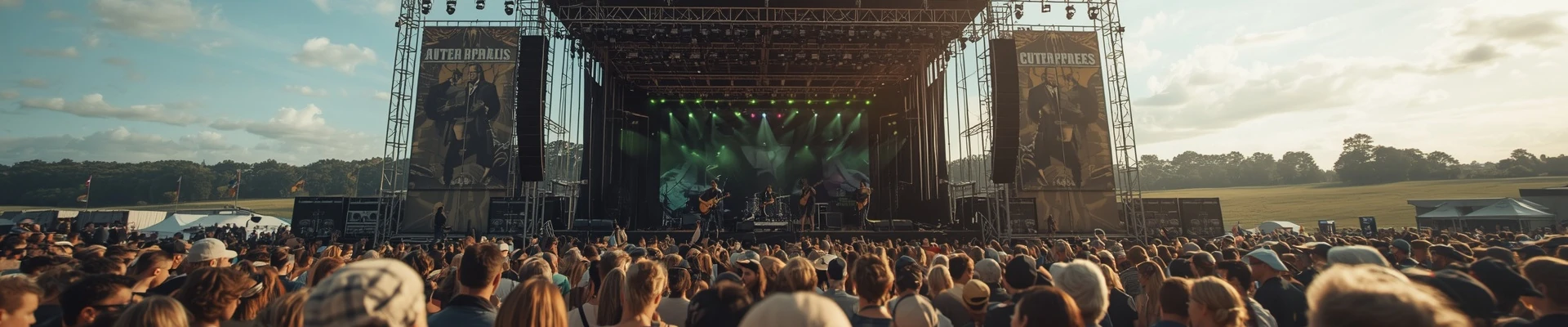
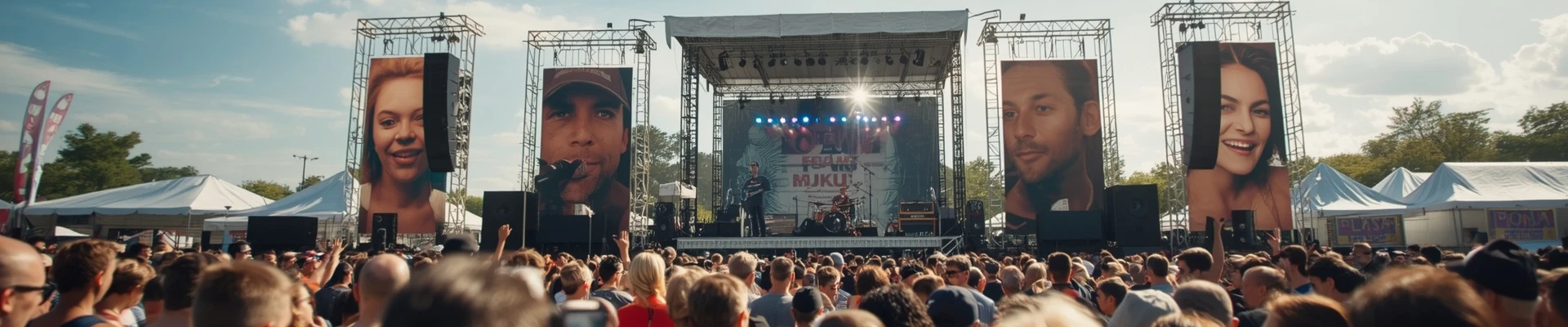
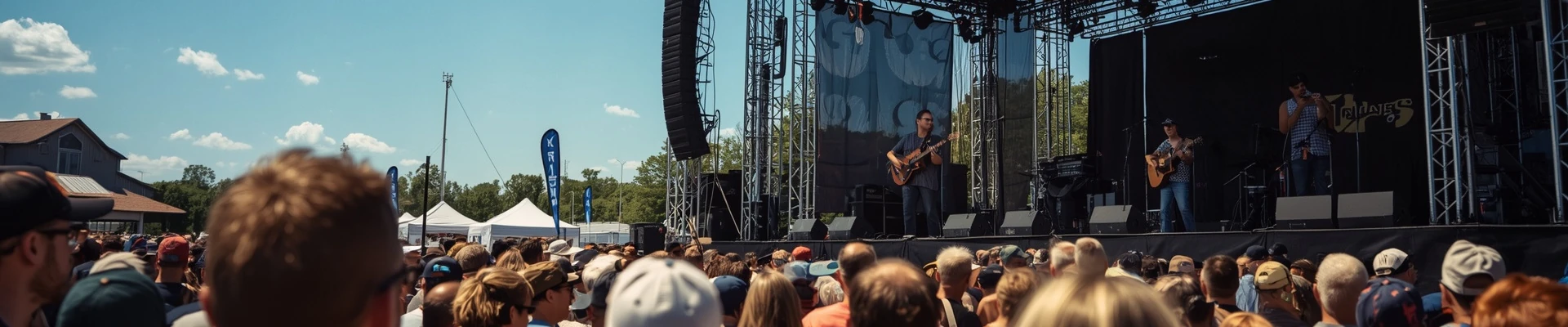
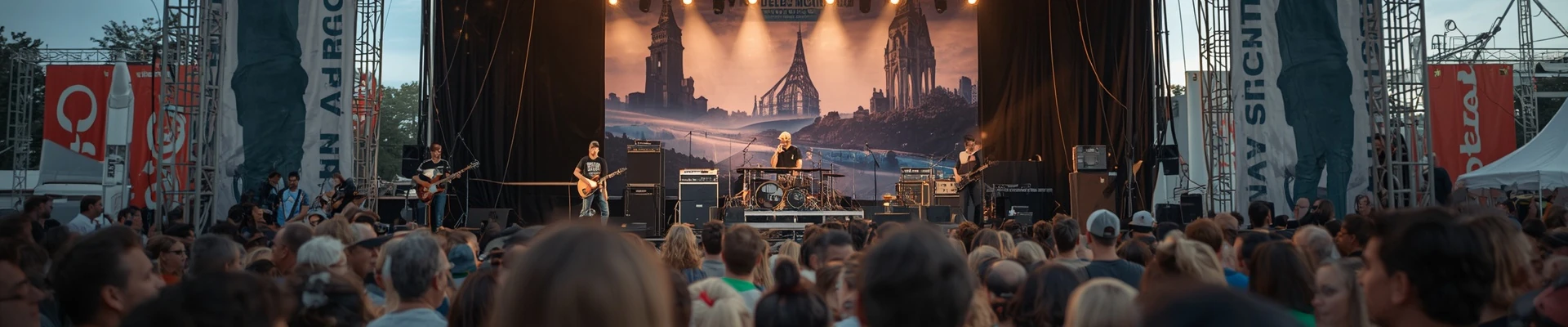
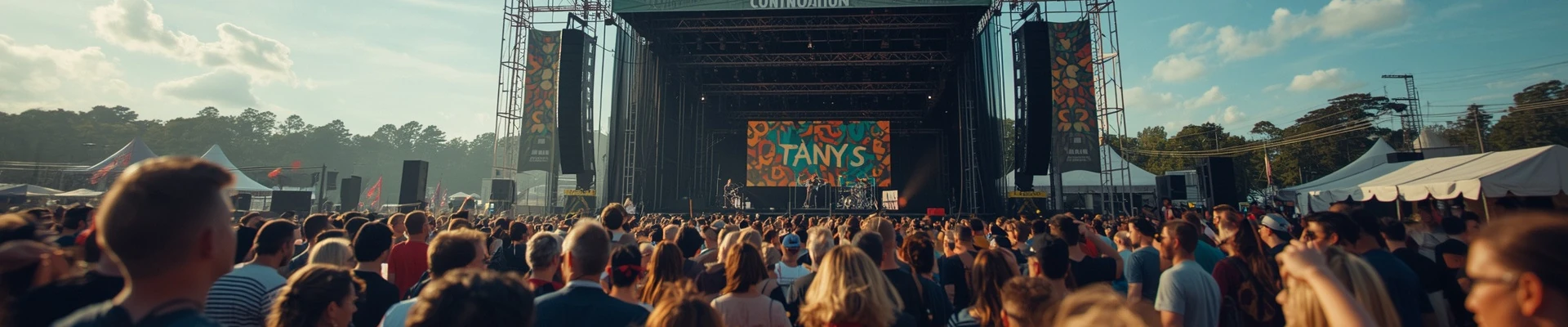
The Aggie calendar drives the city's biggest cultural moments. Aggiefest — organized by the Texas A&M Student Government Association — is the flagship annual outdoor music festival, typically drawing 8,000 to 15,000 students and alumni and booking recognizable national acts. Texas A&M Homecoming — the oldest and largest student-organized homecoming in the United States by the university's own claim — fills the city and Northgate with returning alumni and drives bar and venue business across the weekend. Midnight Yell Practice the night before home football games draws tens of thousands to Kyle Field for a uniquely Aggie ritual of yell practice, jokes, and community.
Muster — held on April 21 (San Jacinto Day) at Texas A&M and at Aggie clubs worldwide — is the annual tradition of calling roll for Aggies who died in the past year, answered by living classmates with "Here." It is one of the most distinctive and emotionally powerful collegiate traditions in America and draws large gatherings on campus. While not a music event per se, Muster generates community gathering and cultural programming.
The Brazos Valley Fair & Rodeo (in Bryan) is the regional county fair and rodeo, with livestock shows and country concerts. The Bryan/College Station Cycling Classic, Arts Council of the Brazos Valley events, and the broader Arts Council programming in Downtown Bryan provide cultural depth beyond the campus ecosystem.
What ties it all together
College Station is, in the most essential sense, a Texas Aggie city — and every aspect of its music and cultural life reflects that identity. The 12th Man stands as a living sound system at Kyle Field. Midnight Yell turns football Saturdays into a ritual of communal voice. The bars of Northgate sustain red dirt and Texas country as the background music of student life, connecting the Brazos Valley to the broader circuit of Texas college-town music from Lubbock to Denton to San Marcos. The campus stages of Rudder Auditorium and Reed Arena bring touring acts into a captive student audience of 74,000. And Aggiefest each spring serves as the one moment when the student body chooses its own soundtrack, reflecting whatever is moving in mainstream hip-hop, pop, and alternative. College Station is not a city that exports its music identity to the world — it is a city that imports young Texans, immerses them in Aggie tradition and red dirt music, and sends them back out across the state as ambassadors of both. The Brazos Valley hum is inseparable from the sound of the Aggies.