
Corpus Christi sits on a broad natural bay on the Gulf of Mexico in South Texas, roughly halfway between Houston and the Mexican border at Laredo. With about 316,000 residents inside the city limits and roughly 460,000 across the Corpus Christi metropolitan statistical area, it is the eighth-largest city in Texas and the commercial hub of the Coastal Bend — the crescent of South Texas coastline that curves from Rockport south through Port Aransas, North Padre Island, and down toward the Rio Grande Valley. The city is built around deep-water shipping, a major naval installation, refining and petrochemical industry, tourism driven by its beaches and barrier islands, and — in ways that far exceed its population — an extraordinary position in the history of American popular music.
Geography and framing
The bay itself — Corpus Christi Bay — is broad and shallow, protected from the Gulf by Mustang Island and North Padre Island, the longest barrier island in the United States. North Padre Island National Seashore runs south from Port Aransas for 113 kilometres, making it one of the longest undeveloped stretches of seashore on the American Gulf Coast. The city's elevation is barely above sea level (roughly 13 metres at its highest points, most of it lower), and the landscape is flat Gulf Coast scrub, caliche, and clay. Summers are long and humid, winters mild. Hurricanes are a recurring threat — Hurricane Harvey (2017) and Hurricane Bret (1999) both struck the Coastal Bend; the city has been shaped and reshaped by storms over generations.
Naval Air Station Corpus Christi, established in 1941, is one of the most important naval aviation training facilities in the United States. It has been a significant presence in the city's economy and demographics for more than eighty years, bringing military families from across the country and generating a substantial service-sector economy. The broader working-class economy of the Coastal Bend — refinery workers, port workers, commercial fishermen, and service workers — forms the social backbone of the city. The population is majority Hispanic (roughly 62% Hispanic or Latino, predominantly Mexican-American), a demographic reality that has shaped Corpus Christi's music, food, and culture more thoroughly than in most Texas cities.
History
Spanish explorers arrived in the bay on the feast of Corpus Christi (the feast of the Body of Christ) in 1519, which is the origin of the city's name. Anglo-American settlement began in earnest in the 1830s and 1840s, and the city served as a staging ground for U.S. forces during the Mexican-American War. The arrival of the railroad in 1876 and the dredging of the ship channel in the early 20th century transformed the city into a serious port. The discovery of oil and natural gas in the Coastal Bend through the 1920s and 1930s brought industrial investment. The naval air station followed in the 1940s. The post-World War II era brought suburban expansion and the growth of the barrier-island tourism economy.
The city's Mexican-American community has deep roots — many families trace their presence in the Coastal Bend to before Texas statehood, and the cultural and musical life of South Texas was always partly theirs. Tejano music — the accordion-driven, norteño-influenced sound that blends polka, cumbia, ranchera, and American pop — grew out of this community across the 20th century, and Corpus Christi was one of its central nodes.
Music identity
No single fact about Corpus Christi's music scene matters as much as this: Selena Quintanilla-Pérez, the Queen of Tejano and one of the most beloved performers in the history of American popular music, was born here on April 16, 1971, and grew up performing with the family band in the dance halls and small venues of the Coastal Bend. Her voice — a rich, elastic mezzo-soprano that could handle cumbia, ranchera, bolero, and pop with equal fluency — came out of this city, and her story is inseparable from it.
Selena's father, Abraham Quintanilla Jr., had fronted a band in the 1960s and understood the music business. He formed Selena y Los Dinos with his children — Selena on lead vocals, her brother A.B. Quintanilla III on bass and production, and her sister Suzette Quintanilla on drums — in the early 1980s, when Selena was barely in her teens. The band began touring South Texas dance halls, casinos, and quinceañeras. The family label, Q-Productions, handled recording and management out of Corpus Christi. A.B. Quintanilla III grew into one of the most important producers in Tejano music, shaping not only Selena's sound but the sound of the genre through the late 1980s and 1990s.
Selena's commercial breakthrough came in the late 1980s and accelerated through the early 1990s. She won Tejano Music Award after Tejano Music Award, crossed over into mainstream Latin pop on EMI Latin, and was in the midst of recording her first English-language album — a crossover move that would likely have made her a mainstream superstar on the scale of a Jennifer Lopez or a Gloria Estefan — when she was murdered by the founder of her fan club in Corpus Christi on March 31, 1995. She was 23 years old. The grief that swept the Mexican-American community was immediate and profound; President Clinton called her the "Tejano music's greatest crossover star" and flags were lowered in Texas. Her posthumously released Dreaming of You (1995) debuted at number one on the Billboard 200 and became the first album by a female Latin artist to do so.
The Selena Museum, maintained by the Quintanilla family on Leopard Street in Corpus Christi, draws visitors from across the United States, Latin America, and beyond. A life-size bronze statue of Selena stands on the Corpus Christi Seawall — one of the most photographed public artworks in Texas. The Fiesta de la Flor, an annual festival launched in 2015 celebrating Selena's legacy, draws 30,000 to 50,000 attendees to the downtown waterfront each spring and has become one of the most significant cultural events on the South Texas calendar.
Beyond Selena and the Quintanilla family, Corpus Christi has a deep and ongoing Tejano and norteño music infrastructure. Dance halls and venues across the Coastal Bend sustain a circuit that stretches from Corpus south to the Rio Grande Valley and west toward San Antonio. Conjunto and Tejano acts cycle through the city constantly. The Tex-Mex cumbia sound — accordion-forward, heavy downbeat, Spanish-language lyrics reflecting border life — is as natural here as classic rock in Dallas or country in Fort Worth.
The Anglo-American musical life of the city runs parallel: a strong country and Southern rock circuit fed by the naval-station demographics, an active bar-band rock scene along Chaparral Street and the downtown waterfront, and a long lineage of country acts who came through or grew up in the Coastal Bend. Roger Creager, the Gulf Coast country singer-songwriter known for "Having' Fun (On The Run)," has deep Corpus Christi area ties and represents a strand of Texas beach country that is specific to the Gulf Coast sensibility. The city has produced individual rock and metal musicians who went on to regional and national careers, though no Anglo rock act of the Selena-scale has emerged from the city.
The hip-hop scene in Corpus Christi is real and active — a South Texas rap sensibility inflected by cumbia rhythms, Spanish-language code-switching, and the broader Houston chopped-and-screwed tradition that dominates Texas hip-hop — but it remains largely local. The blues and jazz circuits are small; the city is not a major stop on those touring routes. What Corpus Christi is, definitively, is a Tejano city — the genre's most internationally famous story happened here, and the music is woven into the life of the place in a way that no other genre approaches.
Venues and neighborhoods
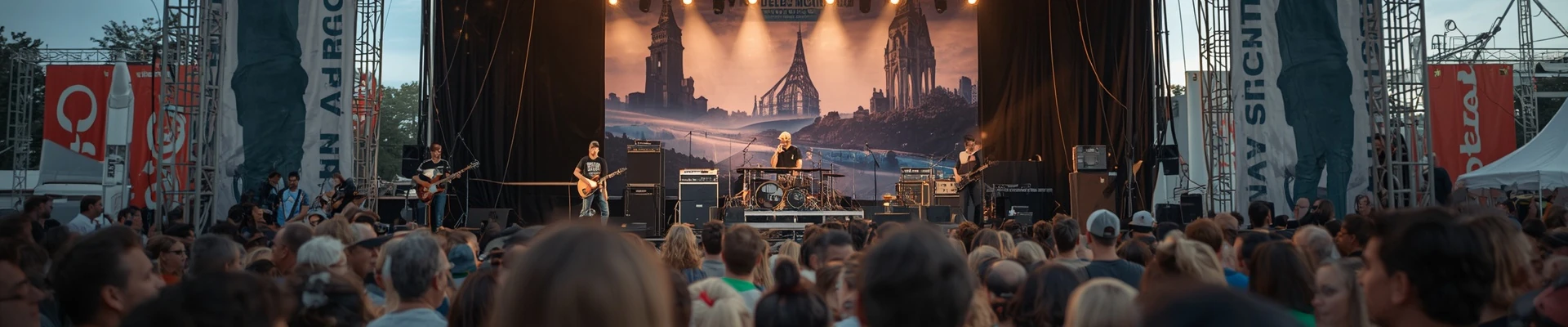
The top of the live music ecosystem is the American Bank Center, the downtown arena and convention complex on Shoreline Boulevard facing Corpus Christi Bay. With a capacity of roughly 10,000 for concerts, it is the city's major touring stop for large pop, country, and Latin acts. The Concrete Street Amphitheater, a mid-size outdoor venue in the industrial corridor near the ship channel, handles the 2,000–5,000 capacity range for rock, country, and regional touring acts. The Harbor Lights Festival stage and the Selena Auditorium within the American Bank Center complex handle smaller performing-arts and special-event programming.
At the club level, the Executive Surf Club in the historic downtown district is one of the most beloved music rooms in Corpus Christi — a bar and performance space that books local, regional, and touring acts across country, rock, Americana, and indie. The House of Rock, which operated for years as a beloved all-ages venue before closing, was central to the city's punk, metal, and alternative scenes. Brewster Street Ice House handles live Texas country and singer-songwriter nights. Downtown along Chaparral Street and the Water Street Market district, a cluster of bars sustains the regular live-music weekend circuit.
Different areas of the city carry different sounds. Downtown and the Seawall anchor the waterfront tourist circuit — bars and restaurants programming acoustic acts, classic rock cover bands, and country. The Southside — the growing residential corridor south of downtown — has a middle-class Mexican-American demographic and sustains the Tejano club circuit. The Molina neighborhood and the lower-income corridors of the north side reflect the deepest working-class Mexican-American musical life of the city. The barrier island communities — Port Aransas, North Padre Island — sustain a beach-bar and party circuit that is seasonal and tourist-oriented.
Festivals and signature events
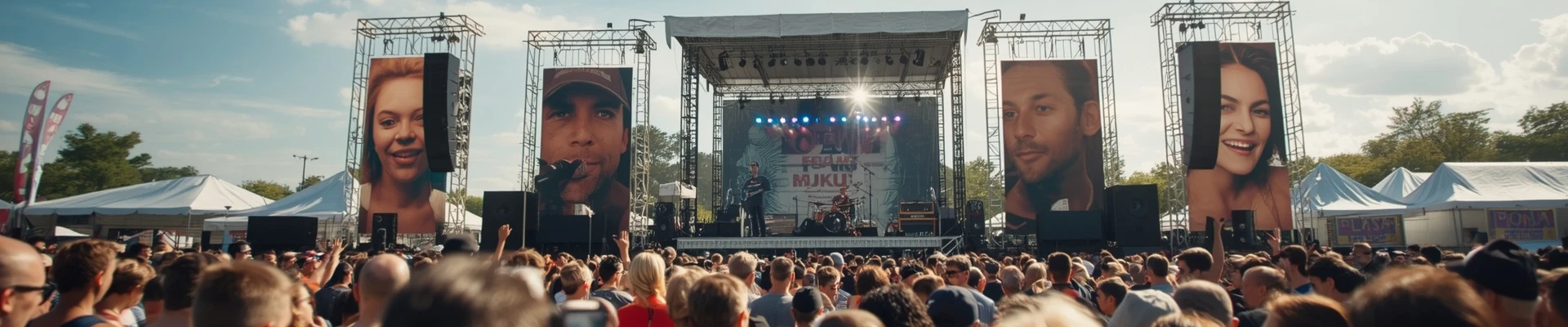
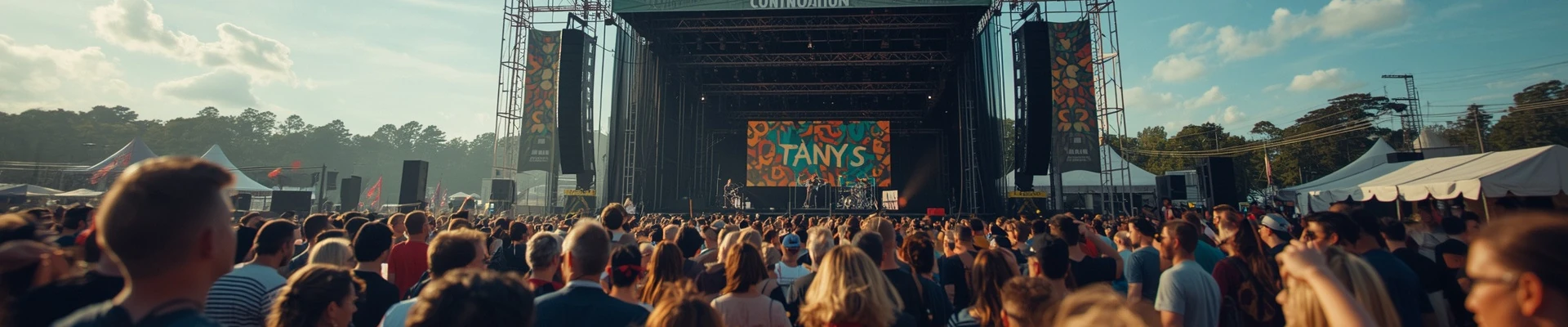
Fiesta de la Flor is the signature event — a two-day outdoor festival on the downtown waterfront dedicated to Selena's legacy, with live Tejano music, regional Latin artists, food vendors, and tens of thousands of attendees who travel from across the United States and beyond. It is organized by the City of Corpus Christi and has become one of the most important cultural festivals in South Texas.
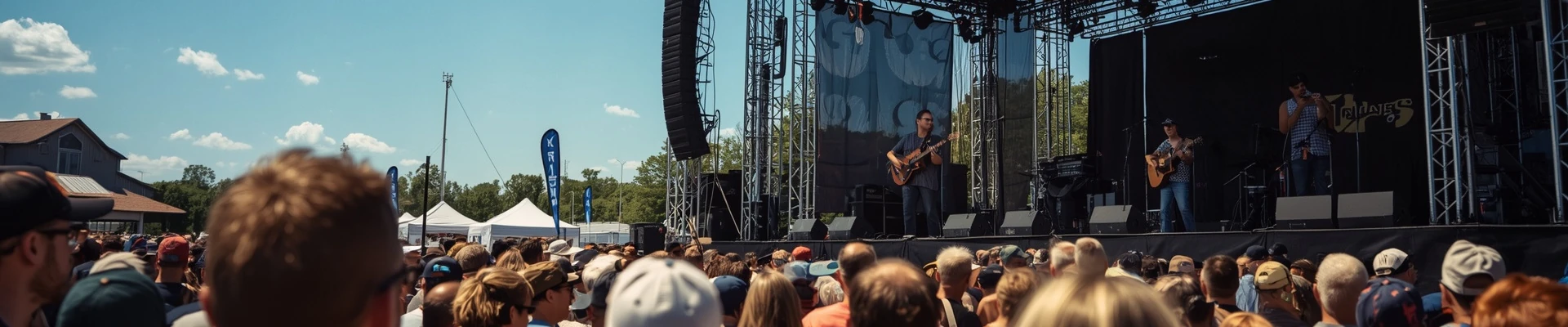
Buc Days (Buccaneer Days), the city's oldest annual festival stretching back to 1938, runs each spring with a rodeo, carnival, parade, and concert series that books country, rock, and Tejano acts at the American Bank Center and outdoor stages. Bayfest, which ran for years as a major waterfront music festival before going on hiatus, was one of the largest outdoor festivals on the Gulf Coast during its run. Harbor Lights Festival brings programming to the downtown waterfront in the holiday season. The Texas Jazz Festival, one of the oldest free jazz festivals in the United States (running since 1959), has been hosted in Corpus Christi for decades and remains a distinctive annual event.
What ties it all together
Corpus Christi's defining musical signature is the Tejano sound — the accordion-cumbia-ranchera hybrid that grew out of the Texas-Mexico border and was brought to its greatest international audience by Selena Quintanilla-Pérez, who learned to sing in Spanish in the dance halls of the Coastal Bend and became the biggest star in Latin music before her life was cut short at 23. The city lives with her legacy constantly: in the museum on Leopard Street, in the statue on the Seawall, in Fiesta de la Flor each spring, and in the continuing presence of the Quintanilla family and Q-Productions in the city's music industry. But Tejano in Corpus Christi is not only Selena — it is the ongoing sound of a majority Mexican-American city where the accordion is as native an instrument as the guitar, and where the dance hall has always been a central institution of social and musical life. That continuity — that rootedness — is what distinguishes Corpus Christi from cities that had a famous moment and moved on. This is a city that lives inside its music.