
Laredo is the largest city on the United States–Mexico border, home to roughly 256,000 people within the city limits and the seat of Webb County in deep South Texas. It sits on the west bank of the Rio Grande, directly across from its sister city Nuevo Laredo, Tamaulipas — together they form one of the most economically active binational urban zones in North America. The two cities are linked by four international crossings, most significantly the World Trade Bridge and the historic International Bridge of the Americas (Gateway to the Americas Bridge), through which an estimated $300 billion in trade passes annually — making Laredo the largest inland port of entry in the United States. Laredo is roughly 95 percent Hispanic or Latino, with Spanish the dominant spoken language in homes, markets, and streets; it is one of the few American cities where Spanish functions as a true first language for the majority of residents rather than an immigrant community's home tongue within a broader English-speaking context. Texas A&M International University (TAMIU), founded in 1969 and now enrolling roughly 8,000 students, is the city's primary university and a significant cultural anchor.
A brief history
The land along this stretch of the Rio Grande was home to the Coahuiltecan peoples before Spanish colonization. The town of Laredo was founded in 1755 by Tomás Sánchez de la Barrera y Garza as a Spanish colonial settlement — making it one of the oldest cities in Texas and predating American statehood by nearly a century. It was part of the short-lived Republic of the Rio Grande in 1840, when a group of northern Mexican federalists briefly declared independence from the centralist Mexican government. After the Mexican-American War and the Treaty of Guadalupe Hidalgo (1848), the Rio Grande became the international boundary and Laredo was split: the American Laredo remained on the Texas side while most of its original residents founded Nuevo Laredo across the river to stay on Mexican soil. Through the late 19th and early 20th centuries, the arrival of the International-Great Northern Railroad and later the construction of major highway infrastructure cemented Laredo's identity as a trade gateway. The Washington's Birthday Celebration, first observed in 1898, became one of the oldest and largest civic festivals in the United States — an expression of the city's pride in American identity alongside its deep Hispanic roots.
Music identity
Laredo's music is border music in the truest sense — not a metaphor but a description of how rhythm, language, and instrumentation literally flow across the Rio Grande in both directions. The dominant tradition is Tejano (also called Tex-Mex), the broad musical family rooted in Mexican ranchera and polka that was filtered through generations of South Texas Mexican-American experience. Alongside it runs conjunto — the accordion-and-bajo-sexto dance music pioneered by figures like Narciso Martínez and Valerio Longoria in the Rio Grande Valley — and norteño, the northern Mexican style of the Tigres del Norte and Los Tucanes de Tijuana that crosses freely into South Texas radio and dance halls.
Laredo has produced several notable figures in the regional Mexican and Tejano worlds. Sunny Ozuna, one of the founding fathers of the Tejano sound, had strong ties to the Laredo corridor — his late 1950s recordings bridged the older Mexican-American pop tradition with the emerging Chicano sound. The Laredo-Nuevo Laredo binational scene has always been a proving ground and touring stop for norteño and grupero acts from both sides of the border; the city's proximity to Monterrey — the de facto capital of norteño music — means that Monterrey-based acts play Laredo regularly and Laredo musicians often apprentice in Monterrey's label ecosystem. Discos Ramírez and several smaller South Texas labels operated in the Laredo region through the 1970s and 1980s, distributing Tejano 45s through the conjunto circuit.
The city also has a significant country audience — South Texas country radio has always been strong — and a growing regional Mexican streaming-first generation listening to corridos tumbados (the Peso Pluma-era genre also called música sierreña or corridos bélicos) alongside older norteño standards. The mariachi tradition is present in civic life and at TAMIU, which has historically maintained a mariachi ensemble. There is a smaller but real rock en español scene, connected to the border's youth culture and the influence of Monterrey's vibrant rock/indie scene across the river.
Venues and neighborhoods
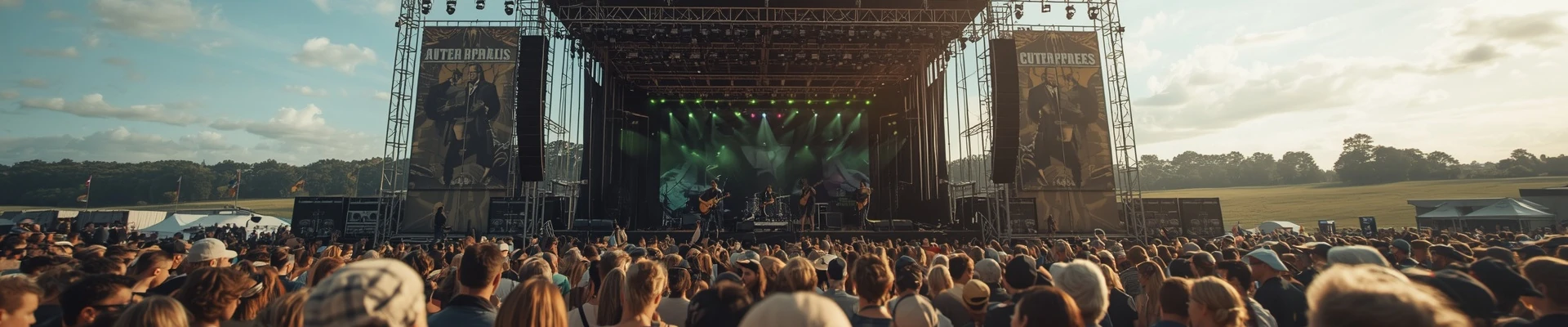
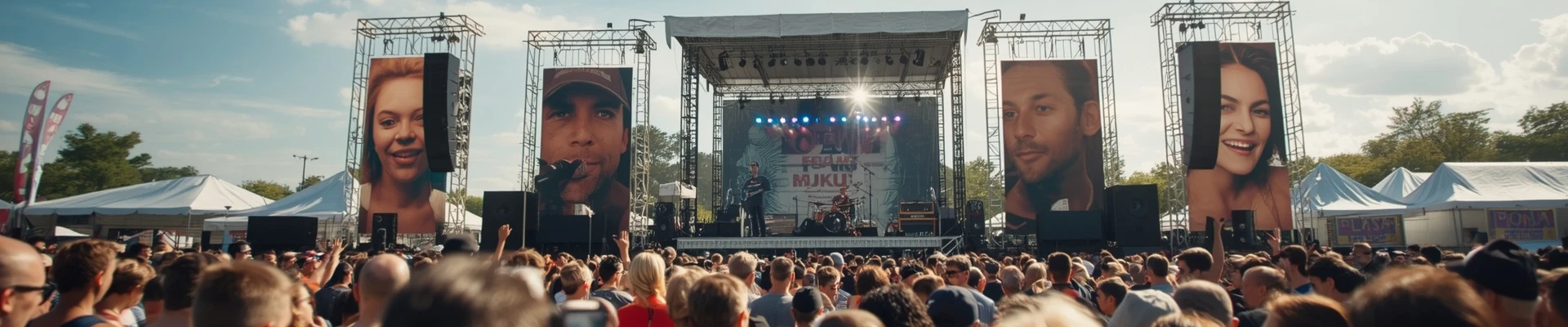
Laredo's live music scene is concentrated in several corridors. Sames Auto Arena (formerly the Laredo Energy Arena), a 10,000-seat multi-purpose arena opened in 2000, is the city's flagship large-venue destination — it hosts regional Mexican superstars, touring country acts, Tejano legends on anniversary tours, and the occasional major pop show. The downtown Zaragoza Street and San Agustín Plaza area anchor the city's historic core and host outdoor festivals and civic concerts, including the massive Washington's Birthday Celebration events in February. Jalapeño's Bar & Grill and several similar cantina-style venues along San Bernardo Avenue — the city's main commercial corridor — sustain the weekly local live music ecosystem: conjunto bands on Friday nights, norteño cover acts on Saturdays, karaoke corrido nights. The International Plaza area near the bridges sees informal musical exchange as musicians cross between Laredo and Nuevo Laredo for gigs on either side.
The Heights neighborhood on the north end of the city, which has grown rapidly with newer residential and commercial development, has newer bar-and-restaurant venues that blend sports bar formats with live country and Tejano programming. Bruni and other older central neighborhoods preserve the older cantina culture. The TAMIU campus on the city's west side hosts student music events and the university's performing arts program, which regularly programs both classical and regional Mexican repertoire.
Festivals and signature events
The Washington's Birthday Celebration (WBC) — held annually in February and stretching across more than two weeks — is Laredo's defining civic festival and one of the oldest continuous patriotic celebrations in the United States. The celebration includes a major parade, a Princess Pocahontas Pageant, a Colonial Ball, and a substantial outdoor concert program that typically features major Tejano, norteño, and regional Mexican acts as well as country headliners. The WBC draws hundreds of thousands of visitors and is the single largest music-programming moment in Laredo's calendar.
The Laredo International Fair and Exposition (formerly the Border Olympics) hosts its own music programming around agricultural fair events in March. The Jalapeño Festival is a popular spring street festival with local live music on multiple stages. Fiestas Patrias (Mexican Independence Day celebrations in September) bring heavy regional Mexican concert programming downtown and into the plazas, drawing both Laredo residents and day-trippers from Nuevo Laredo. The binational dynamic means Nuevo Laredo's own festival and concert calendar is effectively part of Laredo's cultural life — major shows booked on the Mexican side draw American Laredo audiences freely.
Demographics and cultural specificity
Laredo's overwhelmingly Hispanic identity — roughly 95 percent — is not a recent demographic shift but a centuries-long continuity: this was a Spanish and then Mexican city before it was American, and the cultural DNA of northern Mexico runs unbroken through its streets, music, food, and commerce. The city is almost entirely Mexican-American or Mexican national in its Hispanic composition, distinguishing it from border cities like El Paso (which also has significant New Mexican and multi-generational Chicanx culture) or Miami (which has Caribbean Hispanic diversity). The result is a music scene that draws from a narrower but very deep well: the norteño–Tejano–conjunto–ranchera spectrum is not one genre among many here, it is the default genre, the one playing at quinceañeras and at the Sames Auto Arena and at the cantina on San Bernardo.
The binational character of the city creates a unique musical ecosystem. A band can play a club in Laredo on Friday and cross the bridge to play Nuevo Laredo on Saturday, building a following that straddles two countries. Record shops in Laredo stock both US-distributed Tejano product and Mexican imports unavailable at major American retail — physical music retail has held on longer here than in most American cities because the demand for Mexican-pressed regional Mexican discs remains real. Border FM radio — stations that broadcast from Texas but program a mix of norteño, Tejano, and regional Mexican for listeners on both sides — has historically made the Laredo market one of the most important in Texas for testing new regional Mexican releases before wider rollout.
What ties it all together
Laredo is one of the few American cities where the dominant musical tradition — conjunto accordion, bajo sexto bass, two-step dance floor — is not a revival, not a nostalgic project, not a niche genre maintained by enthusiasts. It is simply the music of the city: at the quinceañera, at the funeral, at the border crossing at 6 a.m., on the AM dial on Sunday morning. The Rio Grande here is a political line but not a cultural wall, and Laredo's music reflects that: it belongs equally to the borderland, flowing across the river and back in the way that language, family, commerce, and food do, indifferent to the international bridge toll.