

Round Rock is a city of roughly 116,000 people in Williamson County, Texas, sitting 30 km north of downtown Austin along the Interstate 35 corridor. Named for the distinctive limestone rock in Brushy Creek that early settlers used to ford the stream, Round Rock grew from a cattle-drive waypoint and railroad stop into one of the most rapidly expanding cities in the United States over the past three decades. The 2020 U.S. Census ranked Round Rock among the fastest-growing large cities in the country, with the greater Austin–Round Rock–Georgetown MSA becoming the most economically dynamic metropolitan area in Texas. Round Rock is home to the global headquarters of Dell Technologies — which Michael Dell founded in a University of Texas dorm room in 1984 and relocated to Round Rock in 1988 — and has attracted major facilities from Amazon, Apple, Tesla, and IKEA. Its population is broadly diverse: approximately 62% white (including a large Hispanic and Latino contingent), 12% Black, 10% Asian, and a substantial South Asian tech-sector community concentrated near the Dell campus and the Stone Hill Town Center corridor.
History and character
The Tonkawa people inhabited the Brushy Creek area for centuries before Anglo-American settlers arrived in the 1840s. Round Rock incorporated as a town in 1913 and remained a quiet agricultural community for most of the 20th century. The arrival of Dell Computer Corporation in 1988, followed by the construction of the I-35 tech corridor, transformed the city almost overnight: the population was around 30,000 in 1990 and tripled to 61,000 by 2000. The 2000s and 2010s brought continuous waves of corporate relocations and residential development, pushing Round Rock into the realm of genuine mid-size city with its own economic and cultural identity distinct from Austin — though the two cities are functionally a single metropolitan organism.
The city's character is shaped by that duality: it is simultaneously a bedroom community for Austin's entertainment and arts workforce, and a place trying to establish its own cultural gravity. Downtown Round Rock has invested heavily in this project since the early 2010s, redeveloping the historic block around Main Street and Mays Street with restaurants, breweries, small music venues, and local retail. The Kalahari Resorts convention hotel campus (opened 2020) has turned Round Rock into a destination for regional conventions and sports tournaments, while Dell Diamond — home of the Round Rock Express, the Triple-A affiliate of the Texas Rangers — serves as the city's largest outdoor gathering space and one of the premier minor-league ballparks in the country.
Music identity
Round Rock does not have a defining sound or landmark label — it is not that kind of city. Its music scene is best understood as a high-functioning satellite of the Austin ecosystem that has developed genuine local infrastructure: recording studios, DIY venues, active touring bands, and annual festivals that draw beyond the immediate suburb. The city's musicians work constantly across both markets; Austin's club circuit is a 30-minute drive, but Round Rock performers do not have to go to Austin to make a career.
The most prominent locally based musician is Adam Torres, the folk and indie songwriter whose albums Nadie (2007) and Pearls to Swine (2016, Anti- Records) drew critical attention nationally and internationally. Torres recorded extensively in Central Texas studios and performed across the Austin circuit while remaining based in Williamson County. The indie rock and folk communities that Torres represents — DIY, songwriter-centric, low-key in aesthetic — are the dominant mode of Round Rock's original music scene.
Round Rock's country and Texas roots tradition runs through the DNA of the broader region. Williamson County has produced and sheltered artists in the Americana, Texas country, and honky-tonk traditions that feed into the Austin country scene at venues like White Horse and Saxon Pub — artists who perform under the Round Rock flag at local showcases and then move through the broader Austin circuit. The Teravista and Forest Creek neighborhoods have dense communities of musicians who work session gigs in Austin while writing and recording at home.
The city has a meaningful metal and hard rock underground. The Scout Bar (in the wider Austin area) and local rehearsal complexes have nurtured heavy acts that leverage Round Rock's relatively affordable housing and practice-space availability compared to Austin proper. The annual Smoky Hollow music festival, held in the historic downtown district, has provided a platform for these acts alongside folk, indie, and country performers.
Dell's corporate presence has indirectly shaped the music scene in ways that are hard to quantify but easy to observe: a large percentage of Round Rock's adult population works in tech and earns above-median income, creating an audience with disposable income and cultural appetite. The city's craft brewery scene — anchored by Grounds & Greens and Celestial Beerworks, both of which host live music regularly — serves this audience. The Round Rock Donuts corner on East Main has become a cultural landmark that anchors the town's community identity in a way that signals a city comfortable with its own modest mythology.
Venues and the live-music infrastructure
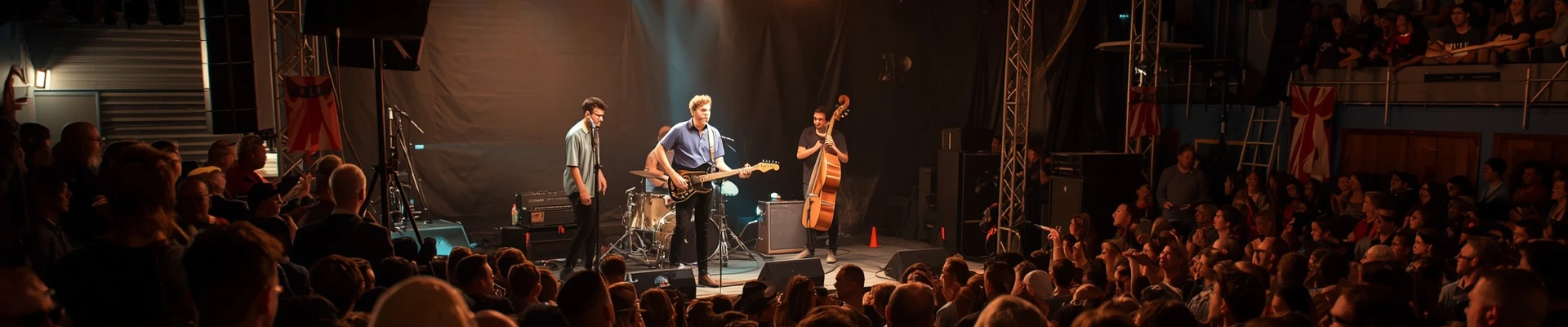
Round Rock's venue footprint is modest but functional. The Rock Box has served as the city's primary all-ages and general-admission music room, hosting touring indie, country, and metal acts that are too small for Austin's Stubb's or ACL Live but need more capacity than a bar stage can provide. The Blue Ox Bar & Grill on Round Rock Avenue has been a reliable honky-tonk room for Texas country and Americana — two-stepping-friendly, with regular original-act bookings alongside cover bands.
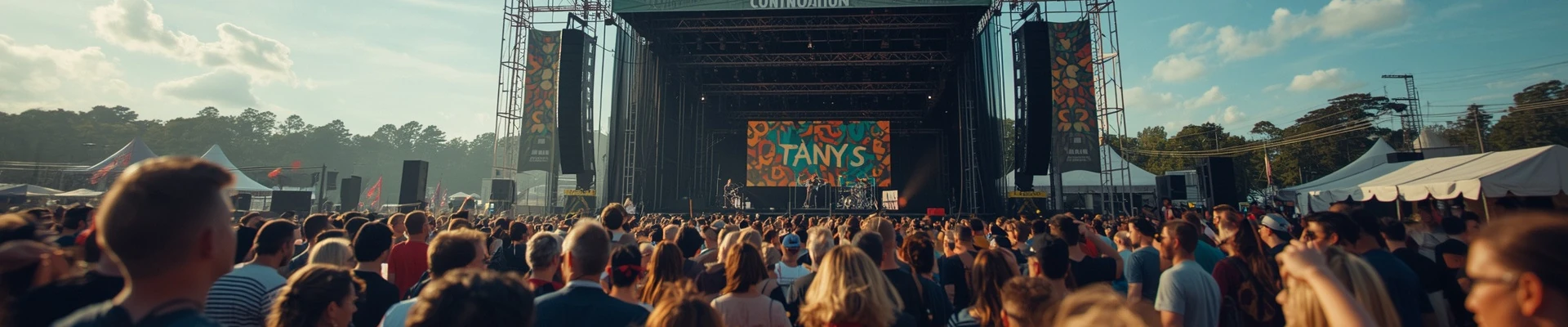
Dell Diamond (capacity approximately 7,816) is not a dedicated music venue but regularly programs outdoor concerts in its parking lot and on its main stage, particularly through summer series that attract regional country, classic rock, and pop acts. It has hosted tribute festivals and multi-act showcases. The stadium's position as the city's largest outdoor gathering space makes it the de facto home for any large-scale music programming that isn't routed to Austin.
The Kalahari Resorts & Conventions complex opened a significant convention hall that has begun attracting music-adjacent events — fan conventions, gaming tournaments, and multi-day cultural festivals with entertainment programming. While not a traditional music venue, its 200,000-square-foot indoor footprint gives Round Rock a gathering capacity that no other local venue approaches.
Several craft breweries serve as semi-regular live-music rooms: Celestial Beerworks on Gattis School Road hosts acoustic and folk acts on weekend evenings; Grounds & Greens, near the Dell campus, runs an occasional live-music series. These are the community-level venues where local original music is most accessible to residents who don't make the drive to Austin.
Festivals and signature events
Rock 'n' Roll Austin Marathon — technically run in Austin but heavily promoted through Round Rock's running community — is one of the city's signature annual events, and the half-marathon distance frequently runs through Round Rock streets. The race series programs live bands along the route and at the finish line, generating significant live-music activity.
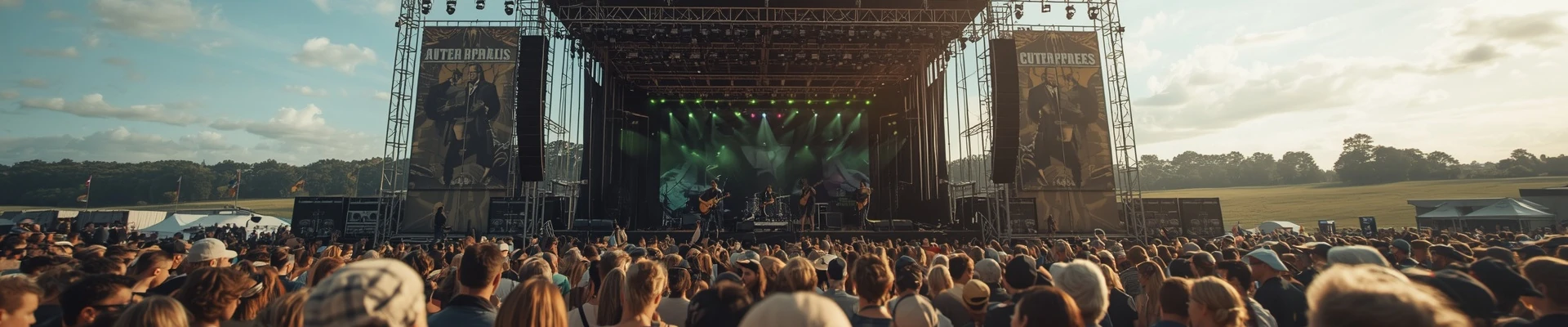
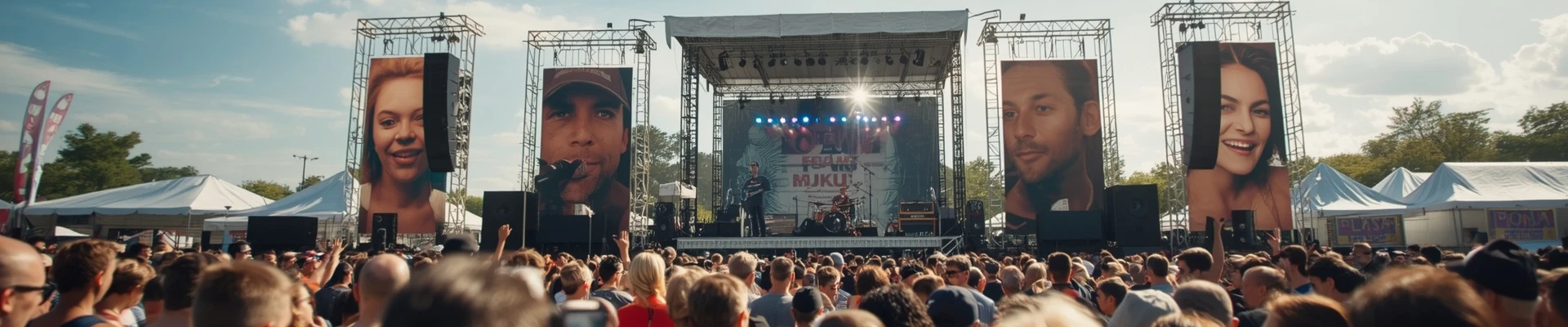
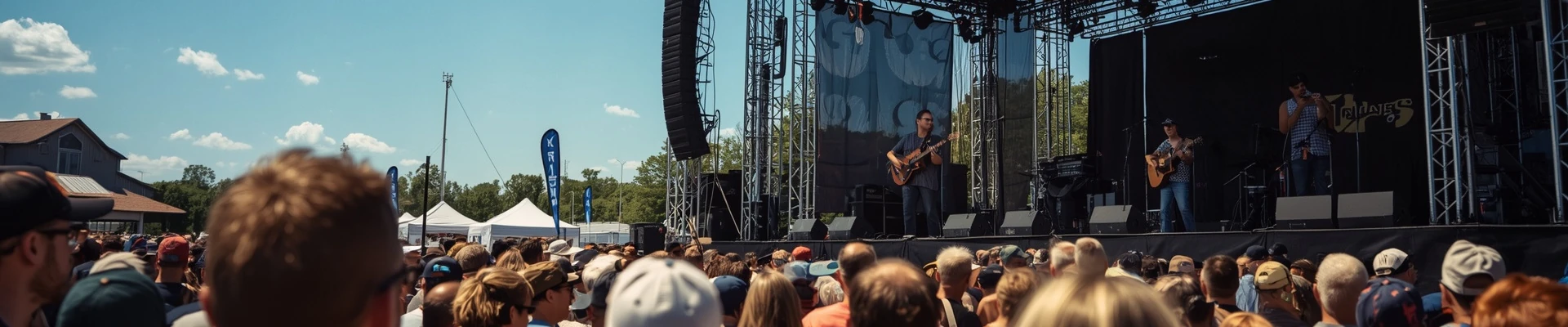
Smoky Hollow, the city's downtown music and arts festival, has grown since its debut in the mid-2010s into a two-day event in the historic Main Street district. The festival typically programs 20–30 acts across two stages, representing the full spectrum of Central Texas music — Americana, indie rock, country, blues, and Latin roots. It doubles as a local-business showcase and food festival, fitting neatly into the aesthetic of Round Rock's downtown revitalization effort.
The Round Rock Express's summer calendar at Dell Diamond incorporates music programming through its Friday Night Fireworks and Concert series, which books country and classic-rock acts on post-game evenings. These events draw attendance in the 5,000–7,000 range and are among the best-attended live-music evenings in Williamson County.
Neighborhoods and cultural geography
Downtown Round Rock — the Main Street / Mays Street corridor and the adjacent Brushy Creek greenway — is the primary gathering point for the city's cultural life. The historic Old Settlers Park complex hosts outdoor events and community programming. East Round Rock, with its more established Latino community centered around East Palm Valley Boulevard, supports norteño and tejano music culture, with several bars and restaurants hosting live music and DJ sets on weekends.
The rapid residential development along US 79 and the Hutto Road corridor has brought a large South Asian population — particularly Tamil- and Telugu-speaking families from India — whose cultural events, Diwali celebrations, and community concerts represent a growing strand of Round Rock's musical diversity. The Asian American Resource Center in Austin, accessible via the tech corridor, serves this community broadly.
What ties it all together
Round Rock's defining musical signature is the sound of a prosperous suburb working hard to matter — and largely succeeding. It is not a city that produced a sound the world came chasing. It is a city where musicians live affordably, build real audiences, and use Austin's infrastructure without being subsumed by it. The Dell Diamond on a summer Friday night, a regional country act playing to 5,000 people under the Central Texas sky; Adam Torres refining a quiet album in a Williamson County studio between Austin gigs; local bands loading into The Rock Box knowing the crowd will be there and engaged — these are the images that define Round Rock's musical character. It is a city of practitioners rather than legends, and it is richer for it.