
Norfolk sits where the Elizabeth River meets the lower Chesapeake Bay at the southeastern tip of Virginia, occupying roughly 143 square kilometres of peninsula and waterfront in the heart of the Hampton Roads metropolitan area. With a population of approximately 238,000, it is the second-largest city in Virginia after Virginia Beach and the cultural, civic, and educational centre of a metro region — encompassing Virginia Beach, Chesapeake, Portsmouth, Newport News, and Hampton — that holds nearly 1.8 million people and constitutes one of the largest military concentrations on earth. Naval Station Norfolk, across the harbour from the city's downtown, is the largest naval base in the world; the Navy's presence has shaped Norfolk's demographics, its economy, and its music in ways that set it apart from every other mid-size American city.
A brief history
Norfolk was founded in 1682 as a tobacco shipping port and incorporated as a borough in 1736, making it one of the oldest continuously inhabited English-settled cities in North America. The British burned much of the city in January 1776 — one of the first major acts of destruction in the American Revolutionary War — but Norfolk rebuilt and grew through the 19th century as one of the most important port cities on the Atlantic seaboard. The Civil War brought Union occupation from 1862 onward, and the post-war decades saw the city develop its industrial and maritime economy alongside a substantial African American community that had been free and slave-holding in complex proportions before the war.
The early 20th century transformed Norfolk dramatically. The Jamestown Exposition of 1907 — a world's fair celebrating the 300th anniversary of English settlement in America — catalysed major infrastructure investment and established the grounds that would become Naval Station Norfolk. The Navy's expansion through World Wars I and II turned Norfolk into one of the most militarised cities in America and brought a continuous influx of sailors, service workers, and their families from every state and cultural background. The city's Black community, concentrated in neighbourhoods like Church Street and Attucks Place, built one of the most vibrant cultural corridors in the Upper South — home to Black-owned businesses, theatres, and music venues that operated through segregation and into the civil rights era.
Urban renewal in the 1950s and 1960s destroyed much of the historic Church Street corridor, displacing thousands of Black residents and dismantling the commercial district that had underpinned Black cultural life. The Granby Street corridor became the city's main entertainment and commercial spine through the latter 20th century. The construction of Scope Arena in 1971, the development of the MacArthur Center mall in 1999, and successive waves of waterfront and downtown redevelopment have steadily rebuilt the urban core. Today Norfolk is a city of military families, university students, port workers, arts institutions, and a growing creative class drawn by relatively low rents and one of the most storied musical legacies in Virginia history.
Music identity
Norfolk's most internationally consequential musical contribution is Timbaland — born Timothy Zachary Mosley in Norfolk in 1972 and raised in the city's Park Place neighbourhood before moving to Virginia Beach. Timbaland developed his production ear through Norfolk's church, go-go, and hip-hop circuits in the late 1980s before linking with Missy Elliott (from adjacent Portsmouth) and eventually Pharrell Williams (from Virginia Beach) to form the core of the Hampton Roads production revolution that reshaped American pop from the mid-1990s onward. Timbaland's production fingerprints — stuttered hi-hats, pitched vocal chops, dense layered percussion that owed as much to Baltimore club and go-go as to hip-hop convention — appear on Aaliyah's One in a Million (1996) and Are You That Somebody (1998), on Jay-Z's Vol. 2... Hard Knock Life (1998), on Missy Elliott's Supa Dupa Fly (1997) and Da Real World (1999), on Justin Timberlake's FutureSex/LoveSounds (2006), on Nelly Furtado's Loose (2006), and on dozens of other defining commercial albums of the era. Timbaland's studio in the Hampton Roads area — and his grounding in Norfolk's church music and early hip-hop circuit — were the incubator for one of the most distinctive production voices of the late 20th century.
Norfolk's music identity predates the hip-hop era by generations. The city's Church Street corridor in the mid-20th century hosted one of the most active jazz and R&B circuits in the Upper South, with performances by Cab Calloway, Count Basie, Billie Holiday, and local acts that played the Attucks Theatre — the African American cultural anchor on Church Street, opened in 1919 and named for Crispus Attucks, the first man killed in the Boston Massacre. The Attucks Theatre remains standing and restored; it operated as the primary venue for Black performers during the segregation era and is now on the National Register of Historic Places. Norfolk's gospel tradition runs equally deep — the city's large Black Baptist and Methodist churches produced choir musicians, organists, and vocalists who fed into the R&B and soul circuits of the 1960s and 1970s.
The Navy influx brought an unusual cultural cross-pollination: sailors from Puerto Rico, the Philippines, Korea, the American South, and the Midwest settled permanently in Norfolk after their service, creating ethnic communities that each carried musical traditions. Norfolk's Puerto Rican community in the Berkley and Park Place neighbourhoods contributed to a Latin music current that has persisted across generations. The large Filipino community — among the largest in any East Coast city outside New York — has shaped local R&B and pop through church choirs, community festivals, and individual artists who have moved through the Hampton Roads circuit.
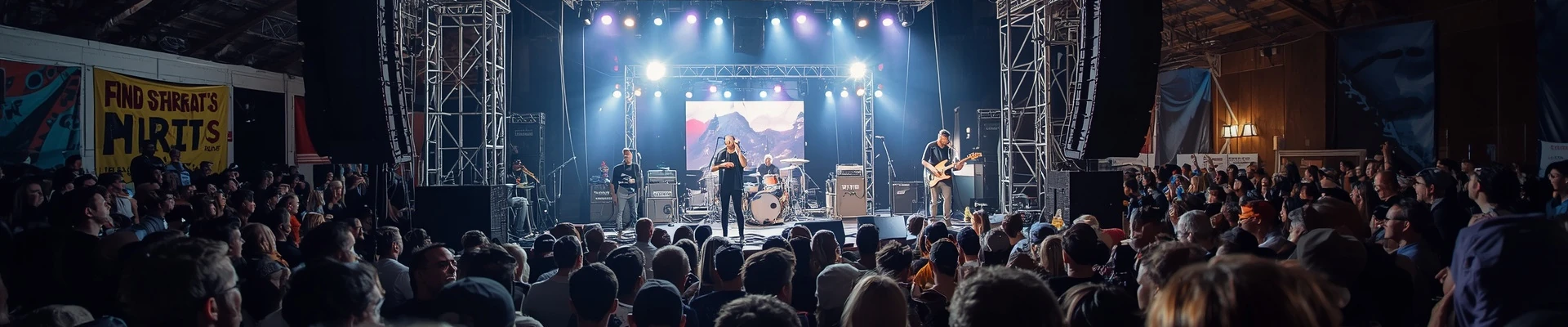
Norfolk's rock and indie scene is anchored by the NorVa — the Norva Entertainment Center on Monticello Avenue in downtown Norfolk, a converted 1920s Norva Theatre that has operated as a mid-size live music venue since 2000. With a capacity of roughly 1,500, the NorVa has hosted essentially every significant touring act in the alternative rock, hip-hop, metal, and indie circuits — and is widely regarded as one of the best-sounding rooms and best-run venues on the East Coast. The NorVa occupies the same cultural position in Hampton Roads that the 9:30 Club occupies in Washington or the Paradise occupies in Boston: the essential mid-tier venue that defines the regional live music circuit. Norfolk's Ghent neighbourhood — a walkable, restaurant-dense, historically preserved district of Victorian rowhouses west of downtown — has been the city's bohemian and arts quarter since the 1970s, housing galleries, coffee shops, independent record stores, and smaller live music rooms that anchor the indie, jazz, and singer-songwriter scenes.
Notable Norfolk-rooted artists span a wide range of genres. D.J. Jazzy Jeff has strong Hampton Roads connections through the circuit. Clipse (Pusha T and No Malice / Gene Thornton) grew up between Norfolk and Virginia Beach; Pusha T's family roots in Park Place and the Norfolk circuit are central to the biographical detail of his rap catalogue. The Neptunes' Chad Hugo was born in Portsmouth but grew up in Virginia Beach, with deep Norfolk ties. Magoo (Melvin Barcliff), Timbaland's early rap partner on albums including Tim's Bio: Life From Da Bassment (1998), is a Norfolk native. MXMS and more recent acts from the Hampton Roads indie circuit trace their lineage through Norfolk's college scenes.
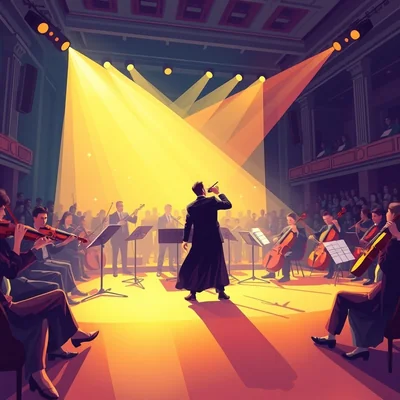
Norfolk's jazz tradition runs through the Old Dominion University music programme and through the city's church circuit. The Attucks Theatre's revival programming has brought jazz, blues, and classical performances back to Church Street, and the Virginia Arts Festival — one of the most significant presenting organisations in the state — brings international classical, jazz, and world music performers to Norfolk's venues each spring.
Venues and neighbourhoods
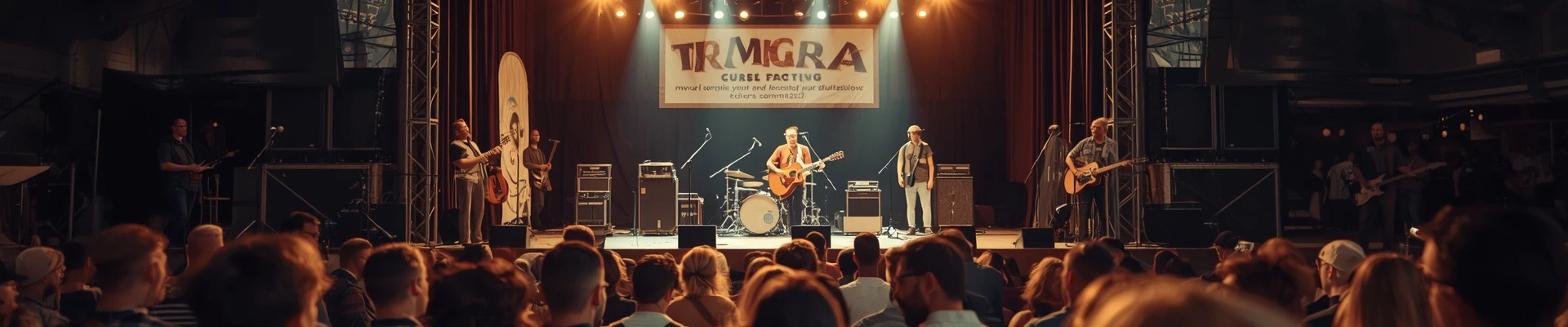
Norfolk's venue landscape spans several tiers. At the arena level, Scope Arena (capacity ~10,000), opened in 1971 and recently renovated, serves as the city's primary indoor concert venue for major touring acts and headline shows. The NorVa (1,500 capacity) is the essential mid-tier room. Chartway Arena at Old Dominion University serves the university concert and sports market. Mid-size and club-level venues include The Taphouse (Ghent, live music and craft beer), Baja's Taqueria (Ghent, late-night music and tacos), Brewski's Pub (Granby Street), and a network of bars and clubs along the Granby Street corridor. The Attucks Theatre programs performing arts, jazz, and community events. The Sandler Center for the Performing Arts in Virginia Beach programs classical, Broadway touring, and chamber music that draws from the Norfolk market.
Ghent is the city's creative and cultural heartland — home to record shops, galleries, independent restaurants, and the organic music circuit that incubates local bands. Downtown Norfolk along Granby Street and the Waterside District (the waterfront entertainment complex, redeveloped in 2017) anchor the commercial entertainment circuit. Park Place carries the city's working-class hip-hop and gospel traditions. Wards Corner anchors the city's East Side residential and suburban entertainment circuit.
Festivals and signature events
The Virginia Arts Festival, held across Hampton Roads each spring with Norfolk as its centrepiece, is one of the most significant performing arts festivals in the Southeast — bringing in international orchestras, dance companies, opera productions, and jazz and world music performers for a multi-week season. Harborfest, held on Norfolk's waterfront each June, combines maritime celebration with a live music programme across multiple stages. Norfolk Jazz Festival has operated in various forms at the Attucks Theatre and waterfront venues. Granby Street Block Party events, Ghent Arts Festival, Virginia International Tattoo (an extraordinary military music event at Scope Arena), and the Old Dominion University music programming round out the calendar. The proximity to Virginia Beach means that Something in the Water and the American Music Festival function as effective Norfolk events — both draw heavily from the Norfolk market and the Hampton Roads creative community.
What ties Norfolk together is the extraordinary density of its musical lineage relative to its size. A mid-size Southern Navy city that gave the world Timbaland's production revolution, hosted a Church Street jazz corridor that rivalled anything in the Upper South, nurtured Pusha T's bar-setting lyricism, maintained a live music circuit through the NorVa that punches above its weight class, and built one of the most quietly consequential creative ecosystems in American pop — Norfolk has consistently produced music that sounds global while remaining rooted in the Elizabeth River waterfront, the Park Place neighbourhood, and the church choirs that first taught its artists to listen.