


Classical music, in its broadest sense, encompasses the Western art music tradition stretching from the medieval period to the present day. Its earliest roots lie in the sacred chants of the medieval church, which evolved through the polyphonic innovations of the Renaissance and the dramatic expressiveness of the Baroque era. Composers like Johann Sebastian Bach, George Frideric Handel, and Antonio Vivaldi created works of extraordinary structural complexity and emotional depth during the Baroque period, establishing counterpoint, fugue, and concerto forms that remain cornerstones of the Western musical canon.
The Classical period proper (roughly 1750-1820) brought a new emphasis on clarity, balance, and formal elegance. Wolfgang Amadeus Mozart and Joseph Haydn refined the symphony, string quartet, and sonata forms into vehicles of remarkable expressiveness and architectural beauty. Ludwig van Beethoven, straddling the Classical and Romantic eras, expanded these forms to accommodate a new scale of emotional intensity and personal expression, fundamentally altering the trajectory of Western music. The Romantic era that followed — represented by composers like Chopin, Brahms, Tchaikovsky, and Wagner — pushed the boundaries of harmony, orchestration, and programmatic storytelling, producing some of the most beloved works in the repertoire.
The 20th century brought radical experimentation. Debussy's impressionism dissolved traditional harmonic structures, Stravinsky's rhythmic innovations shocked audiences, and the atonal and twelve-tone methods of Schoenberg and his students challenged the very foundations of Western tonality. Minimalism, pioneered by Steve Reich, Philip Glass, and Terry Riley, offered a meditative alternative built on repetition and gradual transformation. Contemporary classical composers continue to explore new sonic territories through extended techniques, electronic integration, and cross-cultural collaboration.
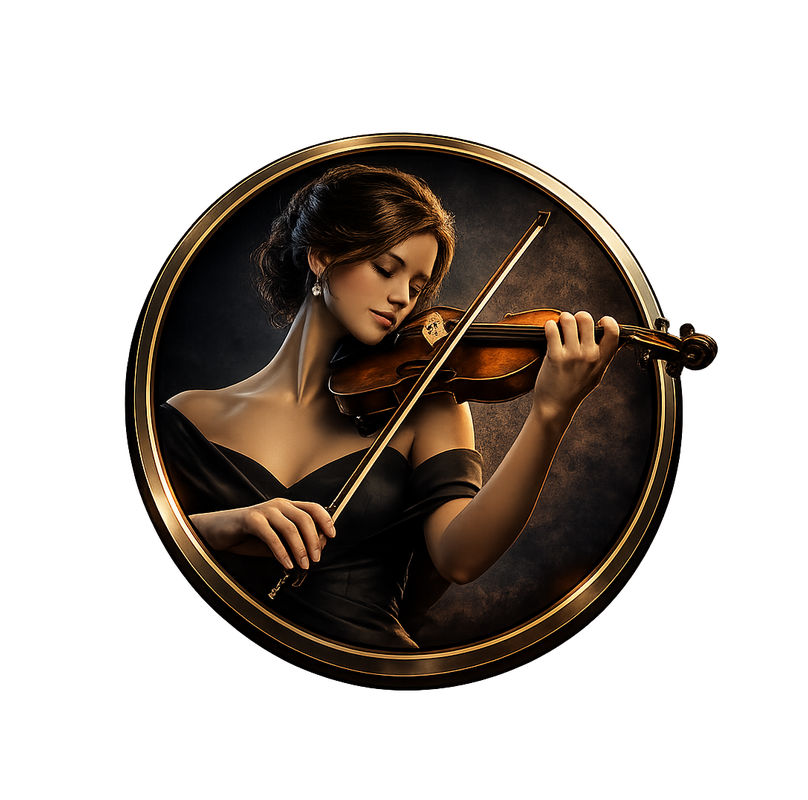
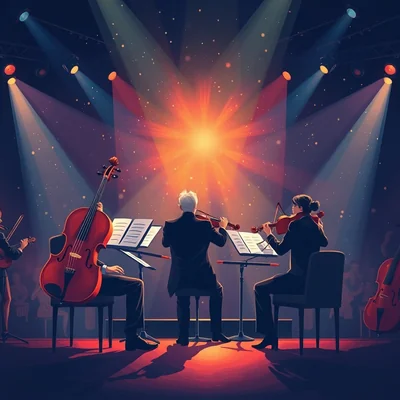
Classical music today is performed and studied worldwide, sustained by symphony orchestras, opera companies, conservatories, and a devoted global audience. Living performers like Yo-Yo Ma, Lang Lang, and Hilary Hahn bring the repertoire to new audiences through concert tours, recordings, and educational outreach. While sometimes perceived as the province of an earlier age, classical music's influence is omnipresent — in film scores, video game soundtracks, popular music harmonies, and the training of musicians across every genre. Its thousand-year legacy of written composition represents one of humanity's most sustained and extraordinary creative achievements.