
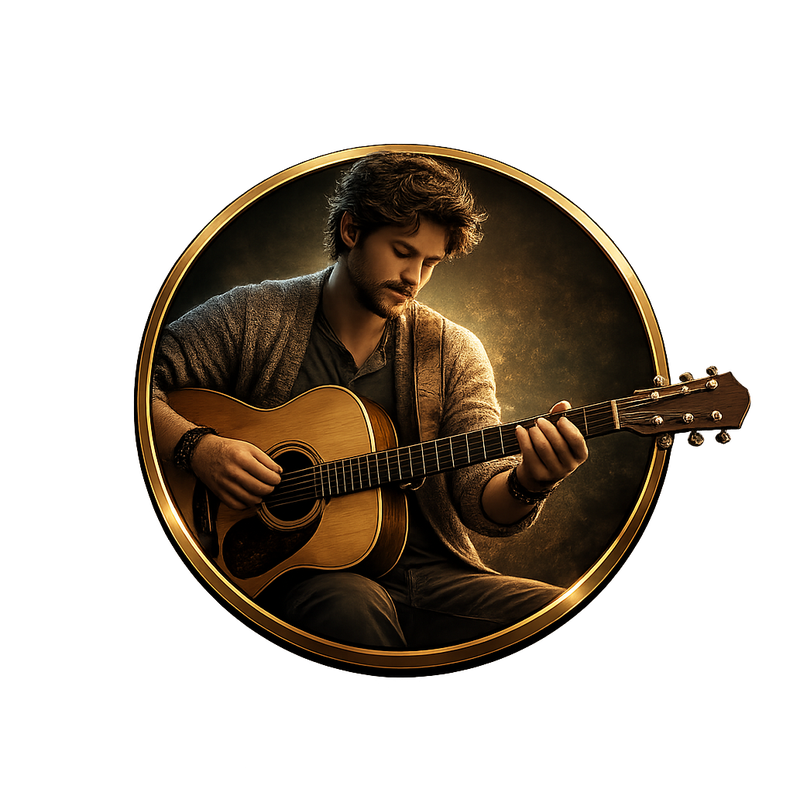


Folk music is among the oldest forms of musical expression, existing in every culture as a means of preserving history, sharing stories, and strengthening communal bonds. Long before the advent of recorded sound, songs were passed down orally from generation to generation — work songs, ballads, lullabies, sea shanties, and spirituals that documented the daily lives, struggles, and celebrations of ordinary people. These traditions drew on acoustic instruments native to their regions: the guitar and banjo in Appalachia, the fiddle across the British Isles, the bouzouki in Greece, the kora in West Africa, and countless others that gave each tradition its distinctive voice.
The twentieth century saw folk music transformed into a powerful vehicle for social change, particularly in the United States. Woody Guthrie traversed the Dust Bowl with his guitar famously labeled "This Machine Kills Fascists," writing songs that championed the working class and challenged injustice. Pete Seeger carried that torch through the labor and civil rights movements, while the 1960s folk revival brought artists like Bob Dylan, Joan Baez, and Peter, Paul and Mary to the forefront of both popular music and political activism. Dylan's eventual shift to electric instruments at the 1965 Newport Folk Festival became one of the most debated moments in music history, illustrating the genre's deep tensions between tradition and innovation.
Parallel movements flourished around the world. In Britain, artists like Fairport Convention and Pentangle blended traditional English and Celtic folk with contemporary rock sensibilities, creating the folk-rock and electric folk movements. Canada produced singular voices in Joni Mitchell and Leonard Cohen, whose literary songwriting elevated the folk tradition into high art. Singer-songwriters like Nick Drake and John Martyn explored the introspective and atmospheric possibilities of acoustic music, influencing generations of musicians who followed.
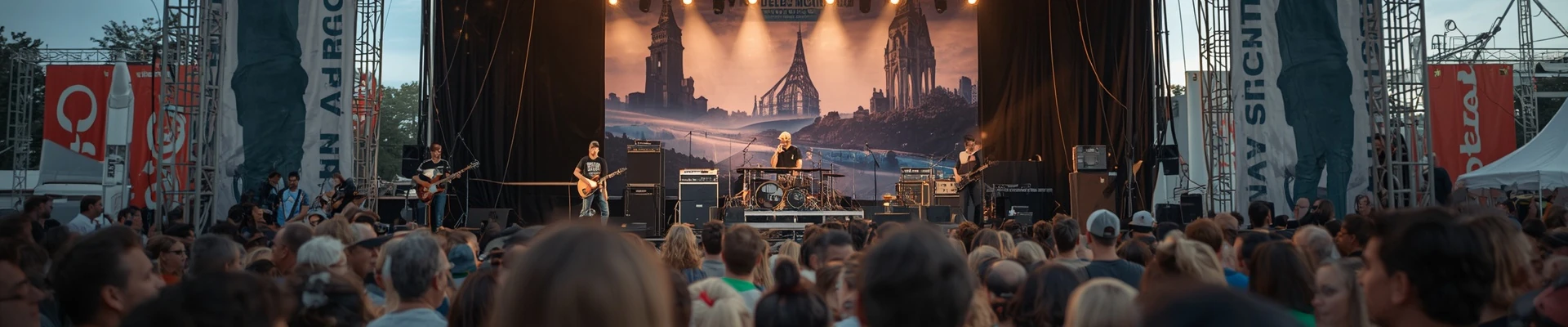
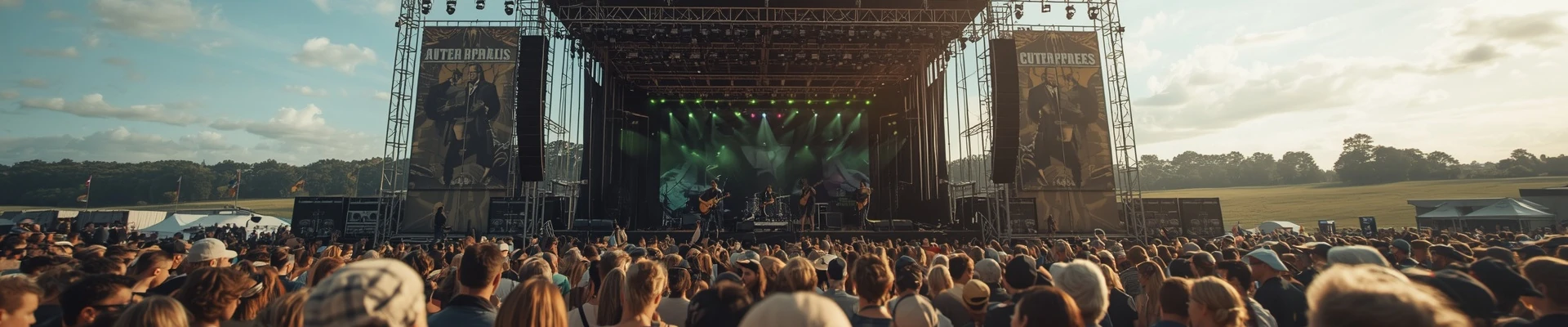
Today, folk music continues to thrive in both its traditional and contemporary forms. Modern artists like Iron & Wine, Fleet Foxes, and Bon Iver have drawn on folk's acoustic palette and narrative traditions while incorporating indie rock, ambient, and experimental textures. The global folk scene remains vibrant, with festivals, sessions, and community gatherings keeping traditional music alive while welcoming new interpretations. Folk's enduring appeal lies in its directness and intimacy — a single voice, an acoustic instrument, and a story worth telling.