


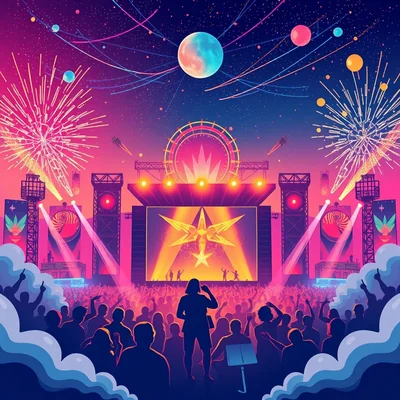



World music is a category that emerged in the 1980s as a marketing and curatorial term to describe the vast array of musical traditions from outside the Western pop mainstream — encompassing everything from West African griot traditions and Indian classical ragas to Tuareg desert blues and Balkan brass bands. While the label has been debated and critiqued for its tendency to flatten enormously diverse traditions into a single commercial bin, it has also served as a gateway for global audiences to discover and engage with music they might otherwise never encounter. At its best, the world music framework celebrates the extraordinary richness of human musical expression across cultures, geographies, and historical periods.
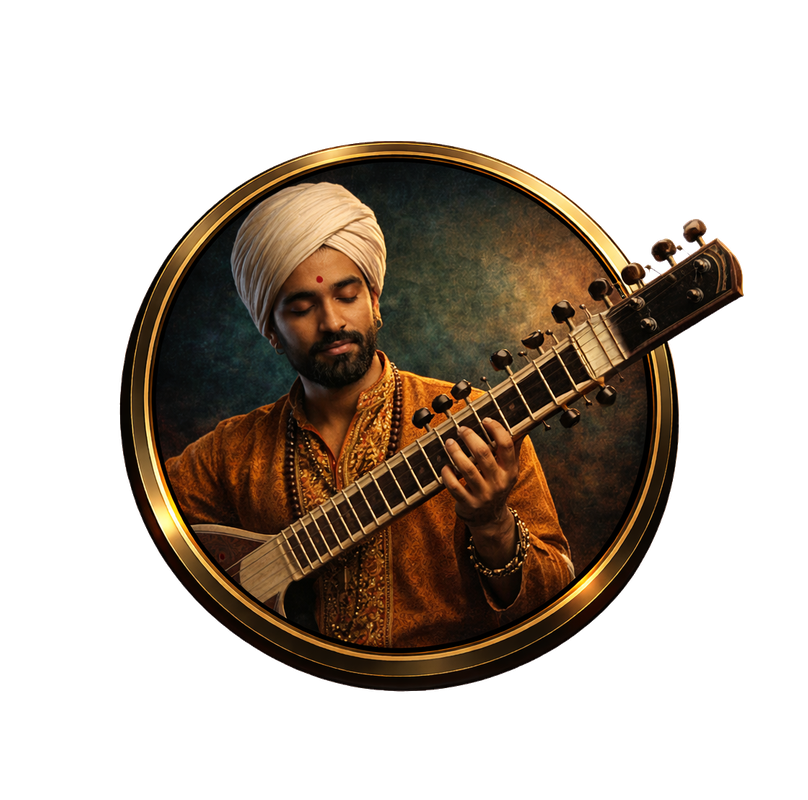
Among the most influential figures in bringing non-Western music to global attention was Fela Kuti, the Nigerian multi-instrumentalist and activist who created Afrobeat — a revolutionary fusion of Yoruba music, highlife, jazz, and funk that became both a musical and political force. Ravi Shankar introduced the complexities of Hindustani classical music and the sitar to Western audiences, profoundly influencing The Beatles and the wider counterculture movement. Youssou N'Dour from Senegal, Ali Farka Touré from Mali, and Cesária Évora from Cape Verde each brought their regional traditions to international stages while maintaining deep roots in their local musical cultures. Nusrat Fateh Ali Khan's qawwali performances introduced the ecstatic Sufi devotional tradition of Pakistan to listeners worldwide.
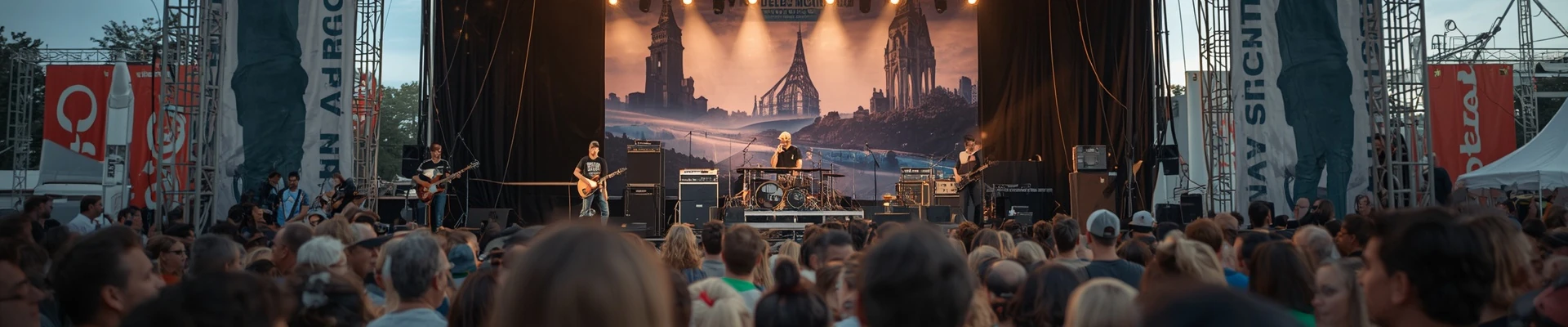
The late twentieth and early twenty-first centuries have seen world music evolve from a niche category into a dynamic space of cross-cultural collaboration and innovation. Peter Gabriel's WOMAD festival and Real World Records label provided crucial infrastructure for international artists. Tinariwen, the Tuareg band from the Sahara Desert, fused traditional Tuareg melodies with electric guitar to create a sound that resonated with rock audiences globally. Angélique Kidjo from Benin has drawn on West African, Caribbean, and North American traditions to create a body of work that defies easy categorization while consistently advocating for cultural exchange and understanding.
Today, a new generation of artists continues to expand the boundaries of what world music can be. Bombino and Mdou Moctar have carried the Tuareg guitar tradition forward with increasing international recognition. Artists like Anoushka Shankar, Rodrigo y Gabriela, and Burna Boy demonstrate how traditional musical vocabularies can be woven into contemporary production without losing their essential character. The streaming era has made global music more accessible than ever, allowing listeners to explore traditions from Mongolian throat singing to Colombian cumbia with unprecedented ease. As borders between genres continue to dissolve, the spirit of world music — curiosity, respect, and celebration of human musical diversity — remains more vital than ever.