
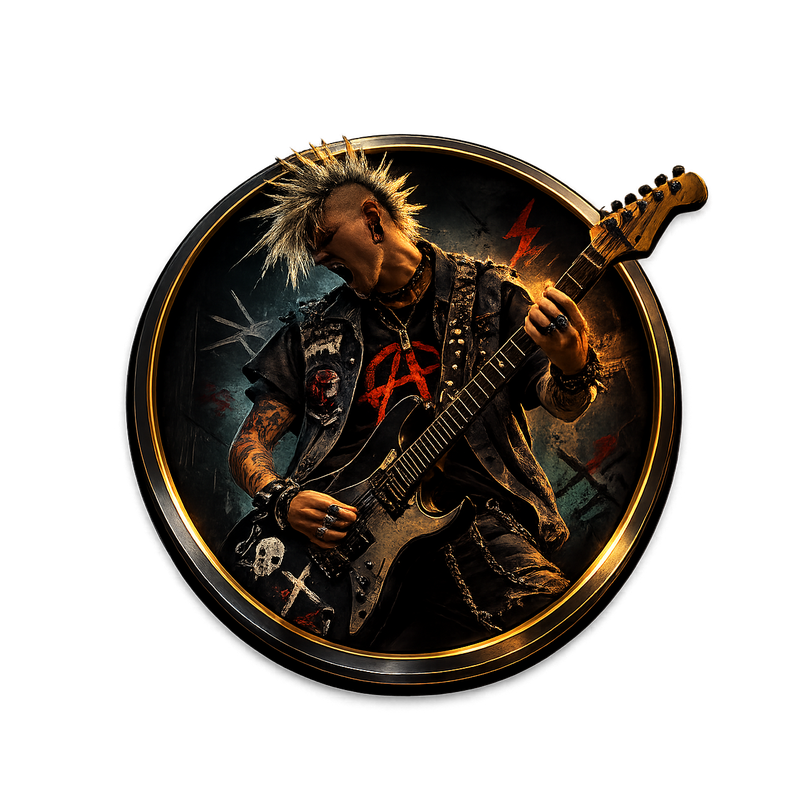
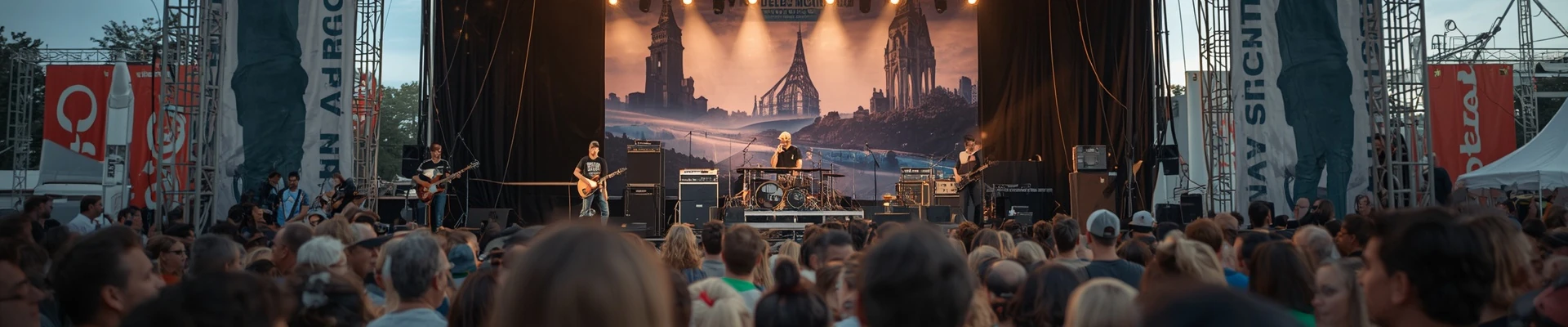
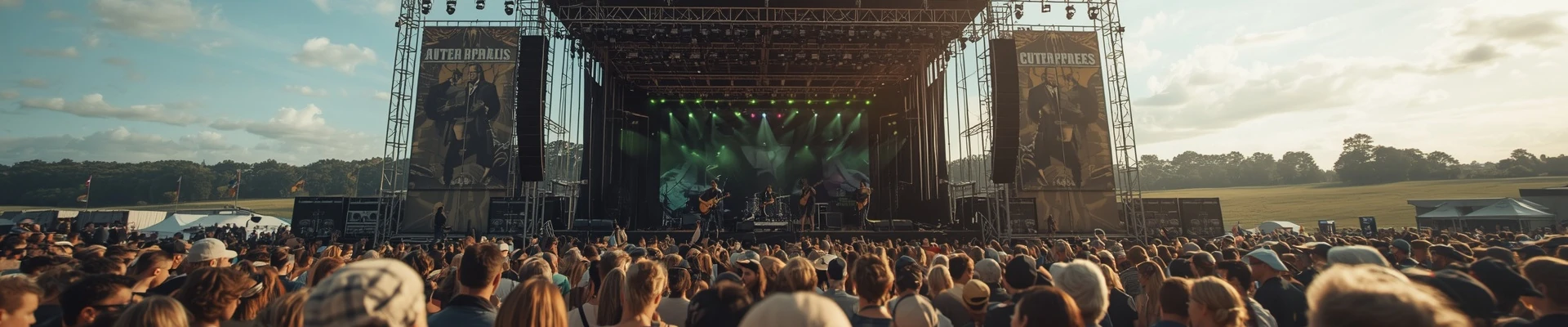

Punk rock erupted in the mid-1970s as a visceral reaction against the perceived bloat and pretension of mainstream rock. In New York City, bands like the Ramones, Television, and Richard Hell and the Voidoids forged a new sound at venues like CBGB — short, fast songs built on three chords, minimal production, and an unflinching directness that stood in stark contrast to the progressive rock and arena spectacles dominating the era. Across the Atlantic, the Sex Pistols and The Clash channeled working-class frustration into explosive performances that scandalized the British establishment and galvanized a generation of disaffected youth. In Australia, The Saints emerged almost simultaneously with a similarly raw and aggressive approach.
The genre's impact extended far beyond its music. Punk's DIY philosophy — the conviction that anyone could start a band, publish a zine, or launch a record label without permission from gatekeepers — fundamentally reshaped the economics and culture of independent music. Labels like SST, Dischord, and Alternative Tentacles proved that artists could control their own creative output and distribution. This ethos spawned entire subcultures with their own fashion, visual art, and political activism, from the anarcho-punk communes of Crass to the straight-edge movement championed by Minor Threat and Ian MacKaye.
Throughout the 1980s and into the 1990s, punk continued to evolve and diversify. Hardcore punk bands like Black Flag, Dead Kennedys, and Bad Brains pushed the music to faster, heavier extremes. Melodic punk acts such as Bad Religion and Social Distortion demonstrated that the genre could embrace musicianship without sacrificing its rebellious spirit. The pop-punk explosion of the mid-1990s, led by Green Day and The Offspring, brought punk-influenced music to mainstream audiences on a massive scale, sparking ongoing debates about authenticity and commercial success within the community.
Punk's legacy is woven into the DNA of modern alternative, indie, and underground music. Its insistence on authenticity, its suspicion of authority, and its belief in the power of grassroots community continue to influence artists and movements worldwide. From the riot grrrl feminism of Bikini Kill to the politically charged sounds of Against Me! and IDLES, punk remains a living tradition — constantly renewing itself while staying true to its foundational principle that music belongs to everyone willing to pick up an instrument and make noise.