
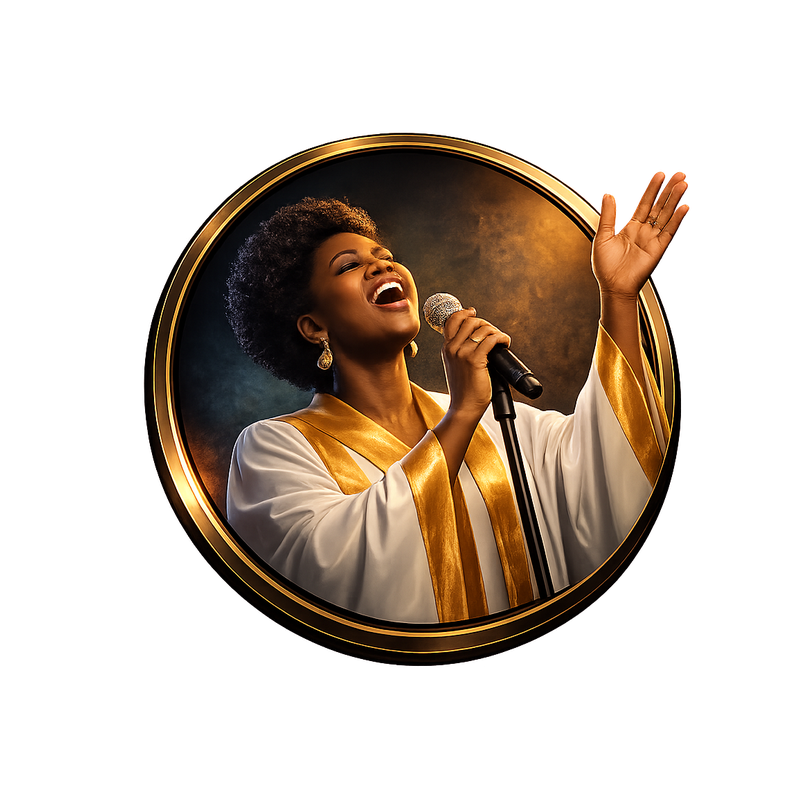




Gospel music traces its origins to the spirituals, hymns, and sacred songs of African American communities dating back to the seventeenth and eighteenth centuries. Enslaved Africans in the American South blended elements of African musical traditions — complex rhythms, call-and-response singing, and improvisation — with the Christian hymns they encountered, creating spirituals that served as both expressions of faith and coded messages of resistance and hope. These spirituals, including enduring songs like "Swing Low, Sweet Chariot" and "Amazing Grace," laid the foundation for a sacred musical tradition that would grow into one of the most influential genres in American music history.
The modern gospel era is widely considered to have begun with Thomas A. Dorsey, a former blues musician who combined the emotional intensity of blues with sacred lyrics, creating what became known as gospel blues in the 1930s. His composition "Take My Hand, Precious Lord" became one of the most recorded gospel songs of all time. Mahalia Jackson, the "Queen of Gospel," brought the genre to unprecedented heights of popularity and artistic achievement with her commanding contralto voice and stirring performances that moved audiences to tears. Jackson's music was closely intertwined with the Civil Rights Movement — she sang at the March on Washington in 1963 at the invitation of Dr. Martin Luther King Jr., and her rendition of "How I Got Over" became an anthem of the movement.
The latter half of the twentieth century saw gospel diversify into numerous streams while maintaining its spiritual core. The Edwin Hawkins Singers' "Oh Happy Day" (1969) became an unexpected crossover pop hit, demonstrating gospel's broad appeal. Andraé Crouch pioneered contemporary gospel by incorporating rock, funk, and pop elements, expanding the genre's sonic palette while keeping its message centered on faith. The Clark Sisters pushed the boundaries further with their innovative vocal arrangements and incorporation of electronic instrumentation. Choirs became increasingly important vehicles for the genre, with groups like the Mississippi Mass Choir and the Brooklyn Tabernacle Choir delivering performances of extraordinary collective power.
Kirk Franklin's emergence in the 1990s marked a pivotal moment in gospel's evolution. By boldly fusing gospel with hip-hop, R&B, and pop production, Franklin attracted younger audiences and achieved mainstream commercial success without compromising the music's spiritual message. His approach opened the door for a new generation of gospel artists including CeCe Winans, Fred Hammond, Donnie McClurkin, and Tasha Cobbs Leonard, each finding their own balance between tradition and innovation. In the 2020s, Maverick City Music and Elevation Worship have embraced collaborative, genre-blurring approaches that continue to expand gospel's reach while honoring its legacy as the bedrock of African American sacred music and one of the most emotionally powerful genres in existence.